Massachusetts General Hospital Center for Cancer Research, Charlestown, MA, USA.
Department of Cell Biology, Harvard Medical School, Boston, MA, USA.
Sci Rep. 2019 Jul 17;9(1):10369. doi: 10.1038/s41598-019-46594-x.
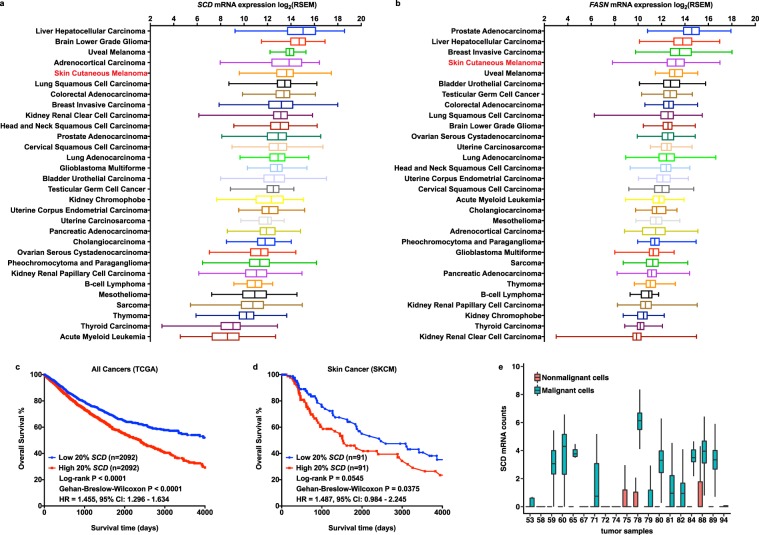
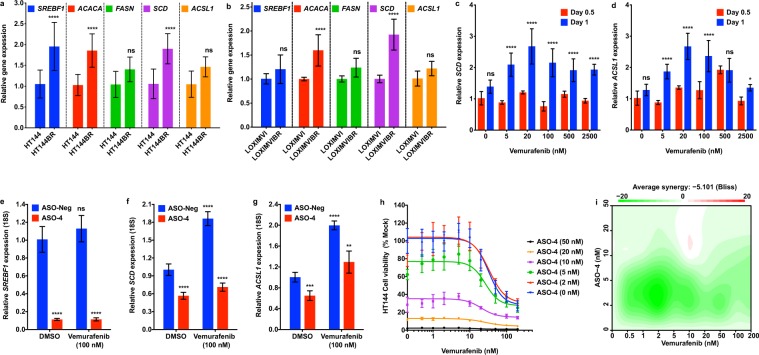
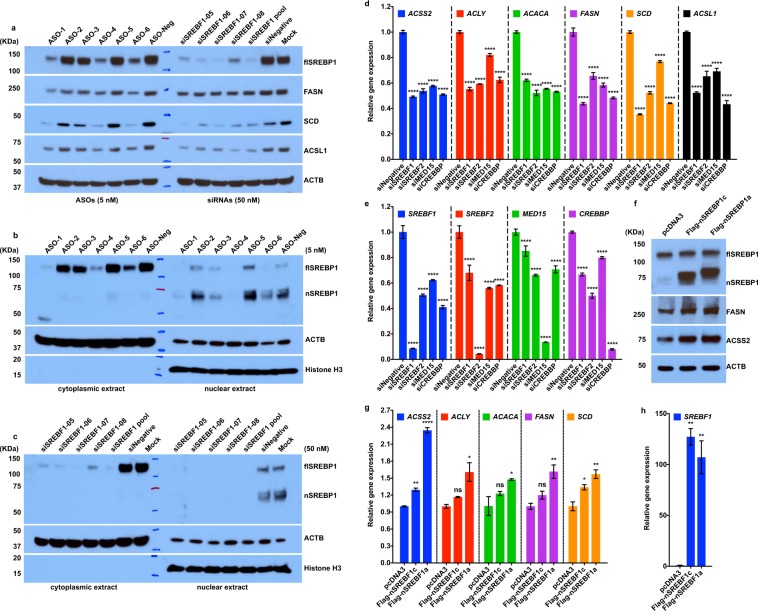
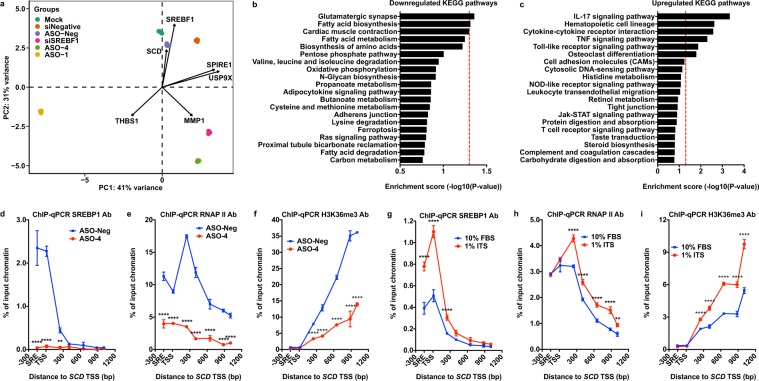
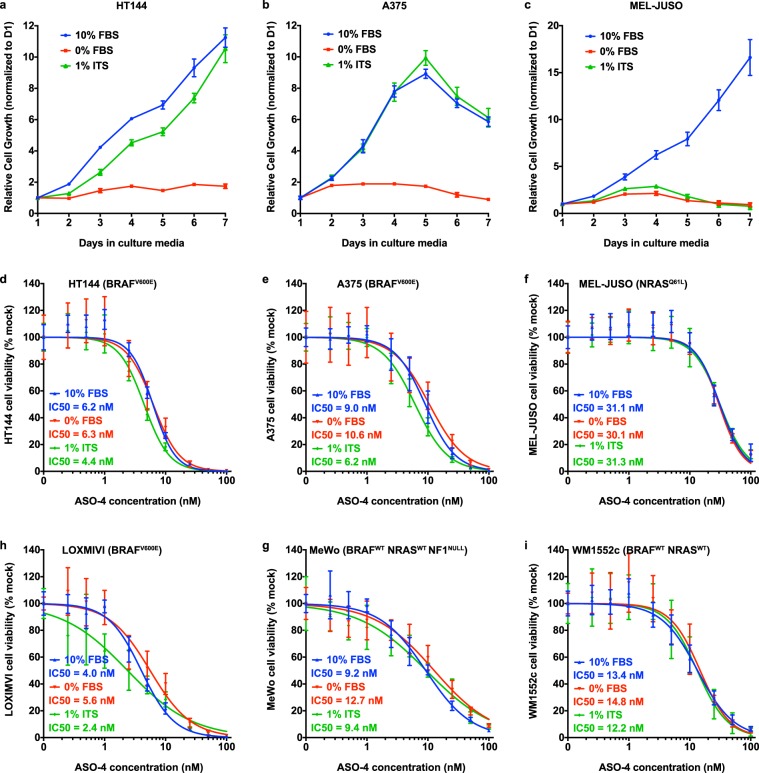
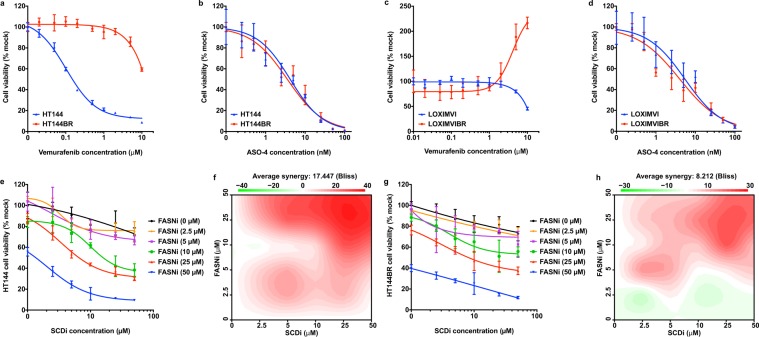
de novo fatty acid biosynthesis (DNFA) is a hallmark adaptation of many cancers that supports survival, proliferation, and metastasis. Here we elucidate previously unexplored aspects of transcription regulation and clinical relevance of DNFA in cancers. We show that elevated expression of DNFA genes is characteristic of many tumor types and correlates with poor prognosis, especially in melanomas. Elevated DNFA gene expression depends on the SREBP1 transcription factor in multiple melanoma cell lines. SREBP1 predominantly binds to the transcription start sites of DNFA genes, regulating their expression by recruiting RNA polymerase II to promoters for productive transcription elongation. We find that SREBP1-regulated DNFA represents a survival trait in melanoma cells, regardless of proliferative state and oncogenic mutation status. Indeed, malignant melanoma cells exhibit elevated DNFA gene expression after the BRAF/MEK signaling pathway is blocked (e.g. by BRAF inhibitors), and DNFA expression remains higher in melanoma cells resistant to vemurafenib treatment than in untreated cells. Accordingly, DNFA pathway inhibition, whether by direct targeting of SREBP1 with antisense oligonucleotides, or through combinatorial effects of multiple DNFA enzyme inhibitors, exerts potent cytotoxic effects on both BRAFi-sensitive and -resistant melanoma cells. Altogether, these results implicate SREBP1 and DNFA enzymes as enticing therapeutic targets in melanomas.
从头脂肪酸生物合成(DNFA)是许多癌症的标志性适应特征,支持生存、增殖和转移。在这里,我们阐明了 DNFA 在癌症中的转录调控和临床相关性的以前未被探索的方面。我们表明,DNFA 基因的高表达是许多肿瘤类型的特征,并与预后不良相关,尤其是在黑色素瘤中。在多种黑色素瘤细胞系中,DNFA 基因的高表达依赖于 SREBP1 转录因子。SREBP1 主要结合于 DNFA 基因的转录起始位点,通过招募 RNA 聚合酶 II 到启动子上进行有效的转录延伸来调节其表达。我们发现,无论增殖状态和致癌突变状态如何,SREBP1 调节的 DNFA 代表黑色素瘤细胞的生存特征。事实上,BRAF/MEK 信号通路被阻断后(例如通过 BRAF 抑制剂),恶性黑色素瘤细胞中 DNFA 基因的表达会升高,而对vemurafenib 治疗有抗性的黑色素瘤细胞中的 DNFA 表达仍高于未治疗的细胞。因此,DNFA 通路抑制,无论是通过用反义寡核苷酸直接靶向 SREBP1,还是通过多种 DNFA 酶抑制剂的组合效应,都对 BRAFi 敏感和耐药的黑色素瘤细胞产生强烈的细胞毒性作用。总之,这些结果表明 SREBP1 和 DNFA 酶是黑色素瘤中诱人的治疗靶点。