Key Laboratory of the Ministry of Education, Key Laboratory of Child Development and Disorders, Key Laboratory of Pediatrics in Chongqing, Chongqing International Science and Technology Cooperation Center for Child Development and Disorders, Children's Hospital of Chongqing Medical University, Chongqing, China (mainland).
Department of Nephrology, Children's Hospital of Chongqing Medical University, Chongqing, China (mainland).
Med Sci Monit. 2019 Jul 18;25:5327-5335. doi: 10.12659/MSM.917312.
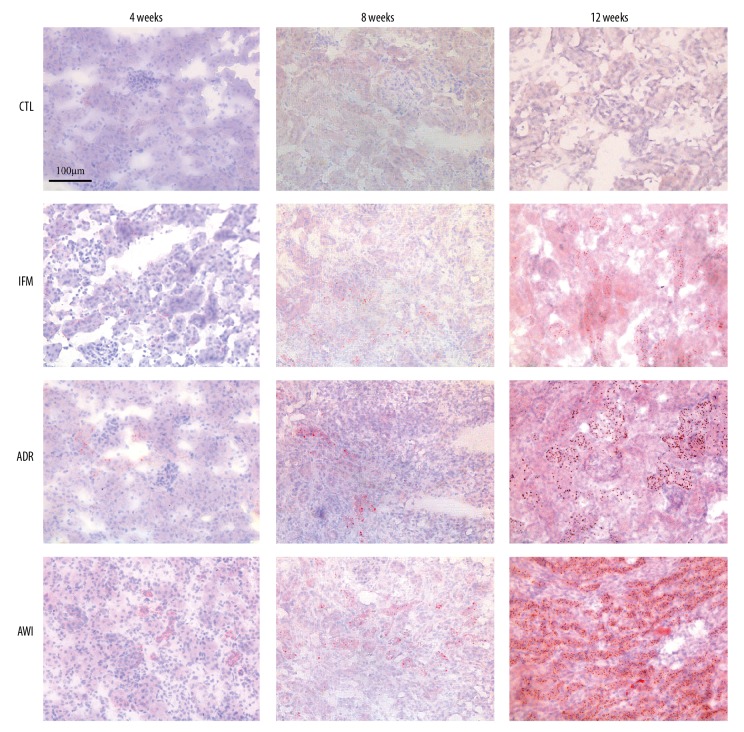
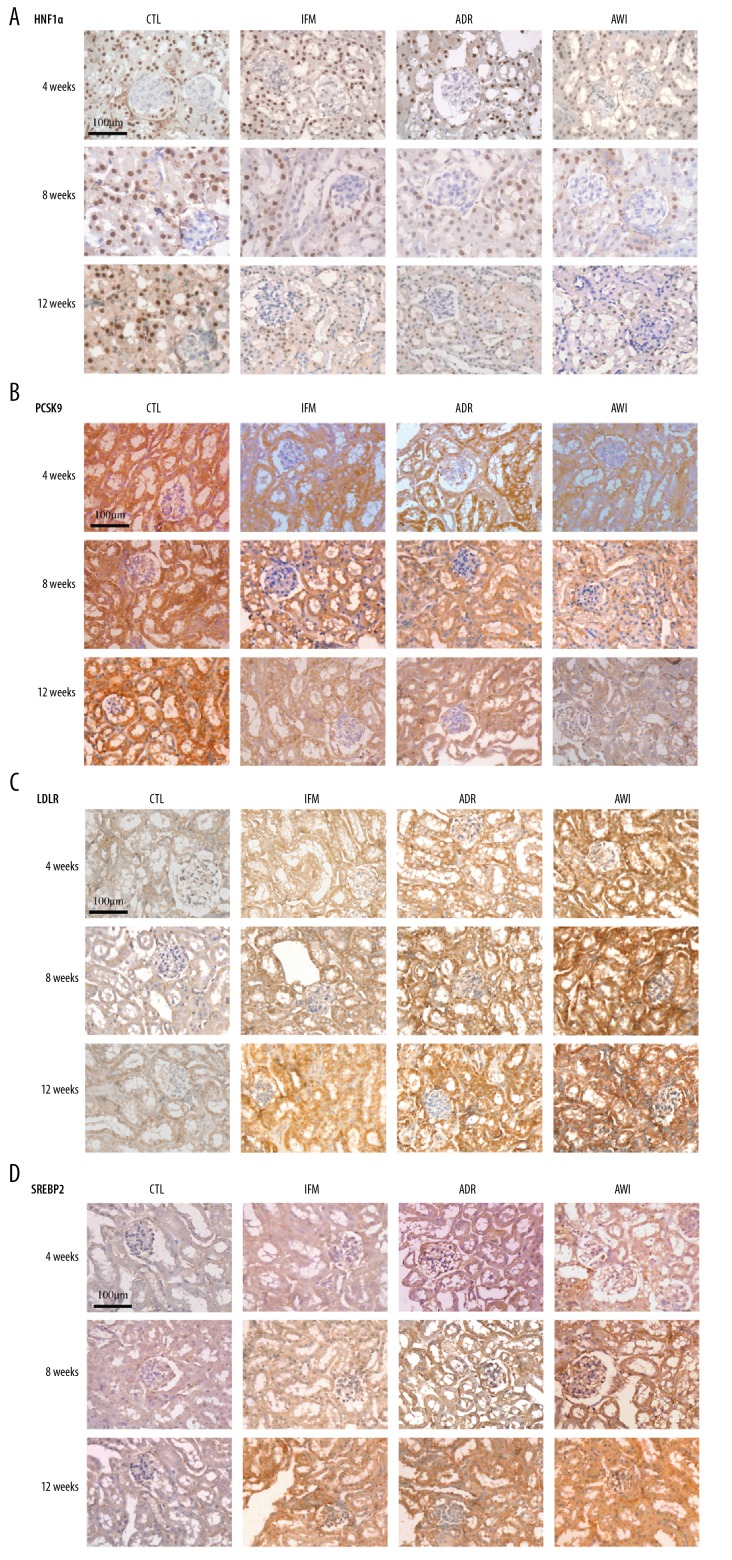
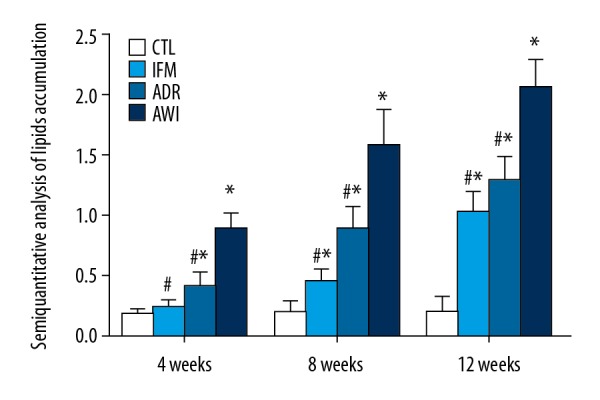
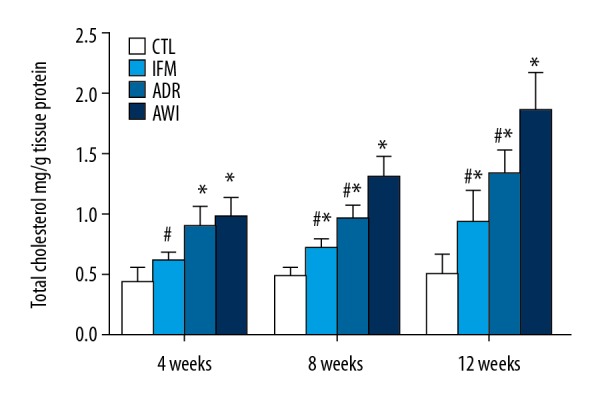
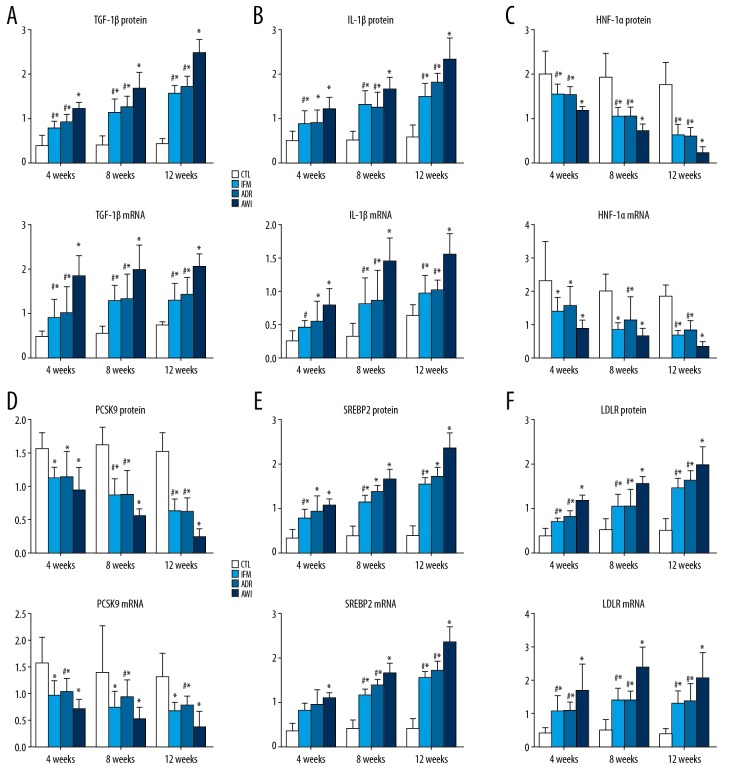
BACKGROUND Previous studies of human and animal models indicate that inflammation alters lipid metabolism. The pro-protein convertase subtilisin kexin type 9 (PCSK9) plays an important role in lipid metabolism. MATERIAL AND METHODS We examined the effect of inflammation on PCSK9 expression and lipid deposition in the kidneys of mice with Adriamycin-induced nephropathy. RESULTS The results indicated an increased expression of inflammatory cytokines and lipid deposition over 12 weeks. During this time, the expression of PCSK9 and its transcriptional activator (hepatocyte nuclear factor 1alpha, HNF1alpha) decreased, and the expression of the low-density lipoprotein receptor (LDLR) and its transcriptional activator (sterol regulatory element binding protein-2, SREBP-2) increased. Exogenous inflammation appeared to further aggravate this process. CONCLUSIONS Our mouse model of nephropathy suggests that a key step in the inflammation-induced deposition of lipids in the kidneys is the downregulation renal PCSK9 expression.
先前的人体和动物模型研究表明,炎症会改变脂质代谢。前蛋白转化酶枯草溶菌素 9(PCSK9)在脂质代谢中发挥着重要作用。
我们研究了炎症对阿霉素诱导肾病小鼠肾脏中 PCSK9 表达和脂质沉积的影响。
结果表明,炎症因子的表达增加和脂质沉积在 12 周内增加。在此期间,PCSK9 及其转录激活物(肝细胞核因子 1α,HNF1α)的表达降低,而低密度脂蛋白受体(LDLR)及其转录激活物(固醇调节元件结合蛋白-2,SREBP-2)的表达增加。外源性炎症似乎进一步加重了这一过程。
我们的肾病小鼠模型表明,炎症诱导肾脏脂质沉积的关键步骤是下调肾脏 PCSK9 的表达。