Institute for Social Research.
Department of Psychiatry.
Psychol Methods. 2020 Feb;25(1):1-29. doi: 10.1037/met0000219. Epub 2019 Jul 18.
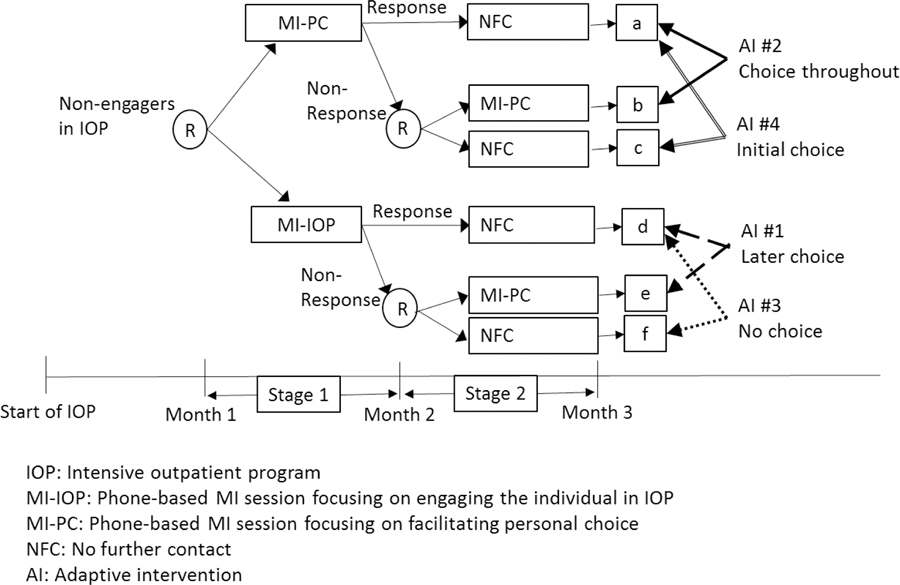
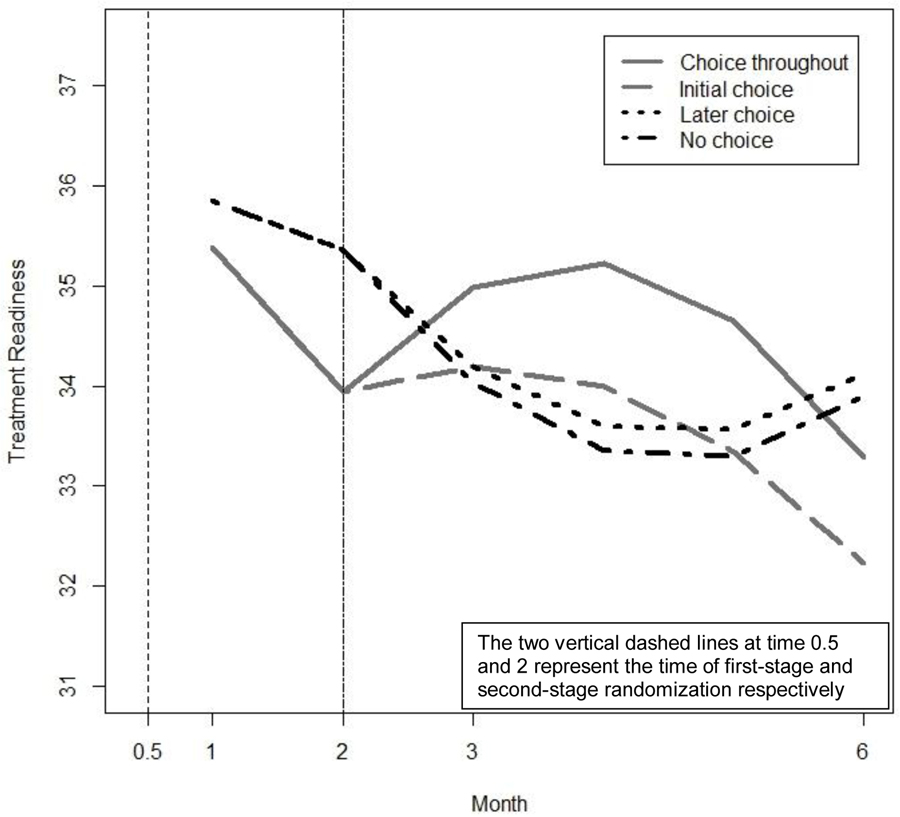
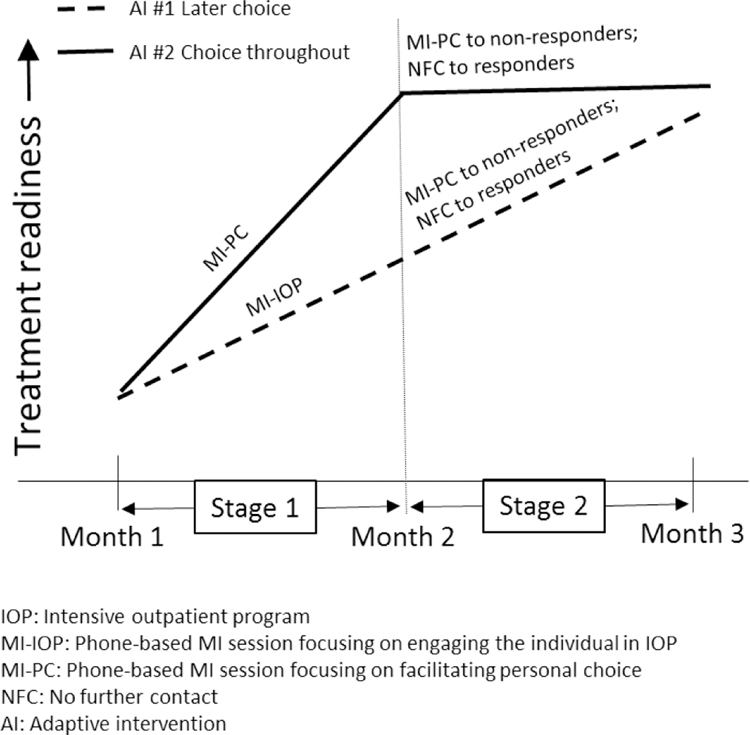
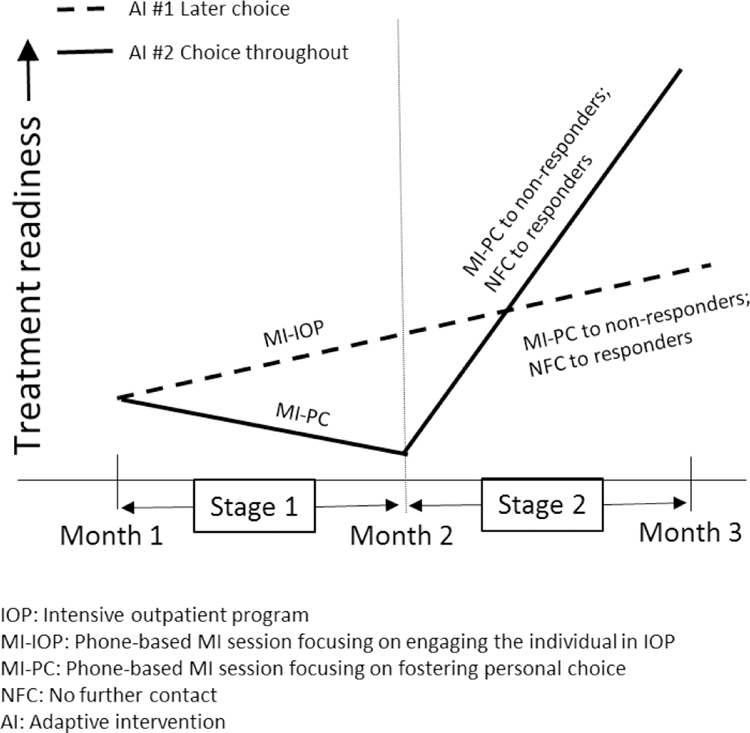
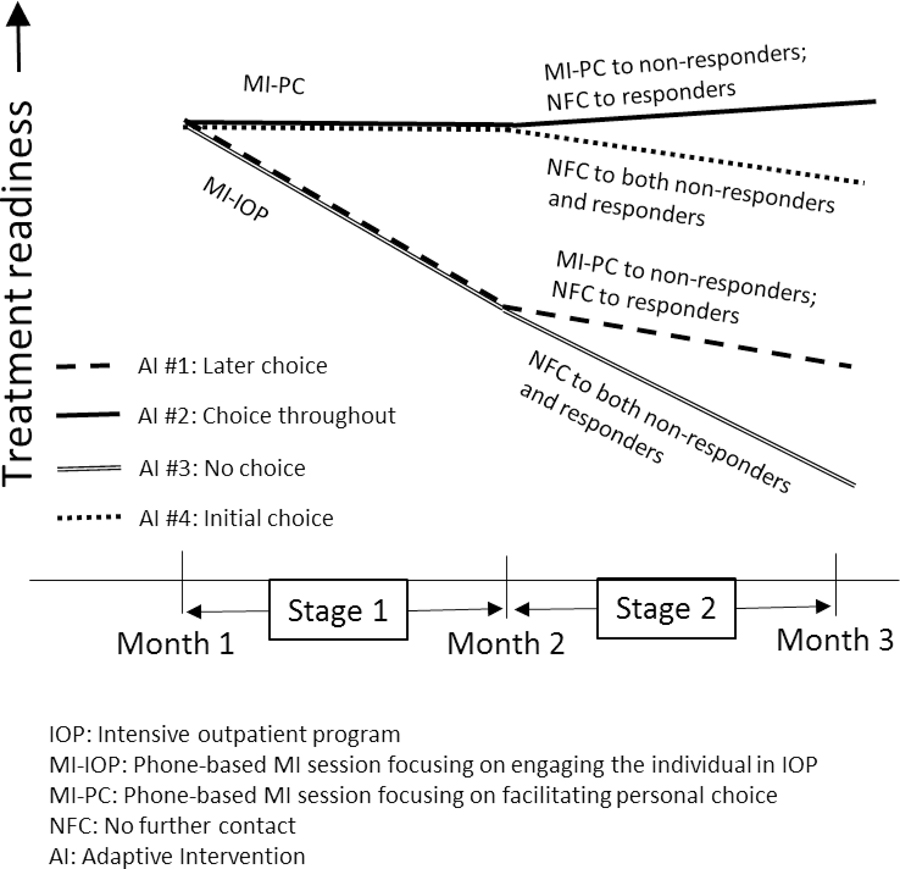
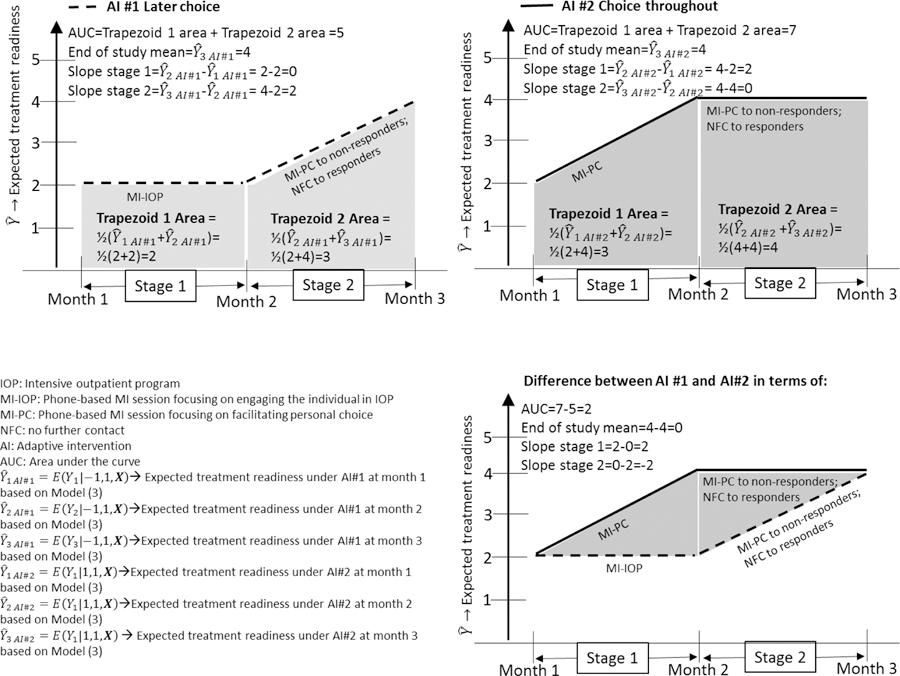
In recent years, there has been increased interest in the development of adaptive interventions across various domains of health and psychological research. An adaptive intervention is a protocolized sequence of individualized treatments that seeks to address the unique and changing needs of individuals as they progress through an intervention program. The sequential, multiple assignment, randomized trial (SMART) is an experimental study design that can be used to build the empirical basis for the construction of effective adaptive interventions. A SMART involves multiple stages of randomizations; each stage of randomization is designed to address scientific questions concerning the best intervention option to employ at that point in the intervention. Several adaptive interventions are embedded in a SMART by design; many SMARTs are motivated by scientific questions that concern the comparison of these embedded adaptive interventions. Until recently, analysis methods available for the comparison of adaptive interventions were limited to end-of-study outcomes. The current article provides an accessible and comprehensive tutorial to a new methodology for using repeated outcome data from SMART studies to compare adaptive interventions. We discuss how existing methods for comparing adaptive interventions in terms of end-of-study outcome data from a SMART can be extended for use with longitudinal outcome data. We also highlight the scientific utility of using longitudinal data from a SMART to compare adaptive interventions. A SMART study aiming to develop an adaptive intervention to engage alcohol- and cocaine-dependent individuals in treatment is used to demonstrate the application of this new methodology. (PsycINFO Database Record (c) 2020 APA, all rights reserved).
近年来,人们对在健康和心理研究的各个领域开发适应性干预措施越来越感兴趣。适应性干预是一种程序化的个体化治疗序列,旨在解决个体在干预计划中进展时的独特和变化的需求。顺序、多次分配、随机试验(SMART)是一种实验研究设计,可用于为构建有效的适应性干预措施建立经验基础。SMART 涉及多次随机化阶段;每次随机化阶段的设计旨在解决有关在干预过程中采用最佳干预措施的科学问题。通过设计在 SMART 中嵌入了几个适应性干预措施;许多 SMART 是出于有关比较这些嵌入式适应性干预措施的科学问题而产生的。直到最近,用于比较适应性干预措施的分析方法仅限于研究结束时的结果。本文提供了一种通俗易懂且全面的教程,介绍了一种使用 SMART 研究中重复结果数据来比较适应性干预措施的新方法。我们讨论了如何将 SMART 中基于研究结束时的结果数据比较适应性干预措施的现有方法扩展用于纵向结果数据。我们还强调了使用 SMART 中的纵向数据来比较适应性干预措施的科学效用。一项旨在开发一种适应性干预措施以使酒精和可卡因依赖者参与治疗的 SMART 研究被用来演示这种新方法的应用。(PsycINFO 数据库记录(c)2020 APA,保留所有权利)。