Acute and Specialty Care, University of Virginia School of Nursing, Charlottesville, VA, USA.
Departments of Health and Community Systems, Epidemiology and Biostatistics, University of Pittsburgh School of Nursing, Graduate School of Public Health and Clinical Translational Science Institute, Pittsburgh, PA, USA.
J Alzheimers Dis. 2019;71(4):1071-1079. doi: 10.3233/JAD-190091.
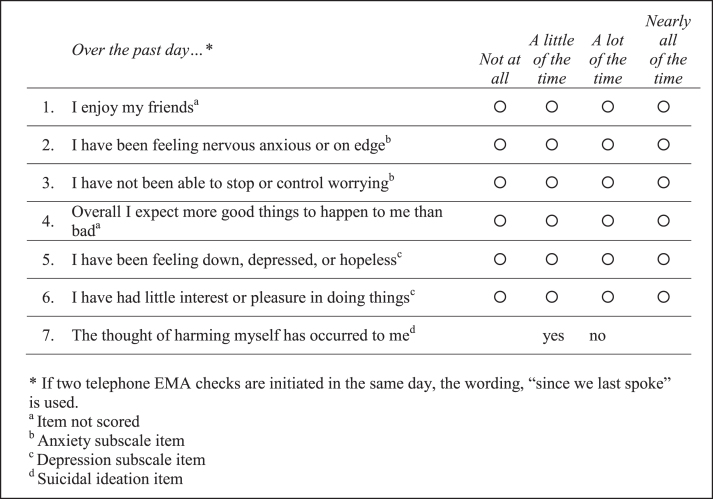
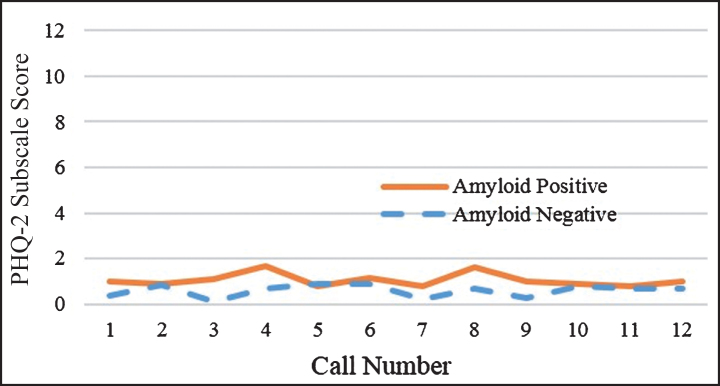
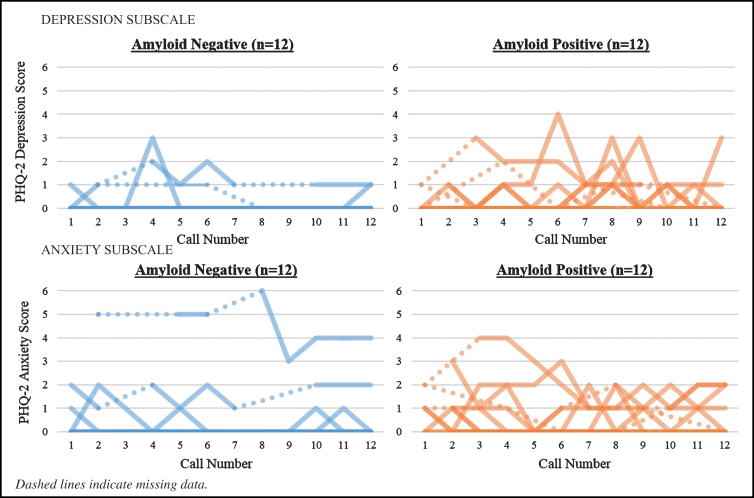
As calls for transparency in human subjects research grow, investigators conducting Alzheimer's disease (AD) biomarker research are increasingly required to consider their ethical obligations regarding the return of AD biomarker test results to research participants. When disclosing these test results to potentially vulnerable participants, investigators may face unique challenges to identify adverse events, particularly psychological events. The purpose of this paper is to describe our research team's experience with developing and implementing a process for enhanced adverse event monitoring following the return of amyloid-β (Aβ) imaging results to research participants with mild cognitive impairment (MCI). Ethical and logistical considerations are presented along with preliminary findings from an ongoing randomized controlled trial of Aβ imaging results disclosure in MCI. Following receipt of amyloid imaging results, participants underwent 14 days of adverse event monitoring using ecological momentary assessment (EMA), a strategy to capture health, behaviors, and mood as they occur in participants' natural settings in real time. EMA telephone calls were placed at random during waking hours to screen for mood changes. Investigators were alerted for positive depression, anxiety, suicidal ideation screenings, or for two days of failed call attempts. Preliminary feasibility of twenty-four participants with MCI who participated in EMA mood assessments was successfully completed 83% (SD = 0.4) of the time over 14 days with no alerts for anxiety or depression screening items. EMA, when used with standard adverse event monitoring, is a promising and novel approach to maximize early detection of negative psychological reactions following AD biomarker results disclosed in research settings.
随着人们对人体研究透明度的要求越来越高,从事阿尔茨海默病(AD)生物标志物研究的研究人员越来越需要考虑他们在向研究参与者返还 AD 生物标志物检测结果方面的道德义务。当向潜在脆弱的参与者披露这些检测结果时,研究人员可能会面临识别不良事件,特别是心理事件的独特挑战。本文旨在描述我们的研究团队在开发和实施一项针对轻度认知障碍(MCI)研究参与者返回淀粉样蛋白-β(Aβ)成像结果后的增强不良事件监测的过程方面的经验。本文介绍了伦理和后勤方面的考虑因素,以及一项正在进行的关于 Aβ成像结果披露的 MCI 随机对照试验的初步结果。在收到淀粉样蛋白成像结果后,参与者接受了为期 14 天的不良事件监测,使用生态瞬时评估(EMA),这是一种实时捕捉参与者自然环境中健康、行为和情绪的策略。在清醒时间随机进行 EMA 电话呼叫,以筛查情绪变化。如果出现阳性抑郁、焦虑、自杀意念筛查,或两天未接电话,则会向研究人员发出警报。24 名患有 MCI 的参与者成功完成了 EMA 情绪评估的初步可行性研究,在 14 天内有 83%(SD=0.4)的时间完成了评估,没有焦虑或抑郁筛查项目的警报。EMA 与标准不良事件监测一起使用,是一种很有前途和新颖的方法,可以最大限度地提高在研究环境中披露 AD 生物标志物结果后负面心理反应的早期检测。