Oral and Maxillofacial Surgery Unit, DIBINEM, University of Bologna, 125, Via San Vitale 59, 40125, Bologna, Italy.
Digital Dentistry Section, University San Raffaele, Milan, Italy.
BMC Oral Health. 2019 Jul 19;19(1):158. doi: 10.1186/s12903-019-0853-y.
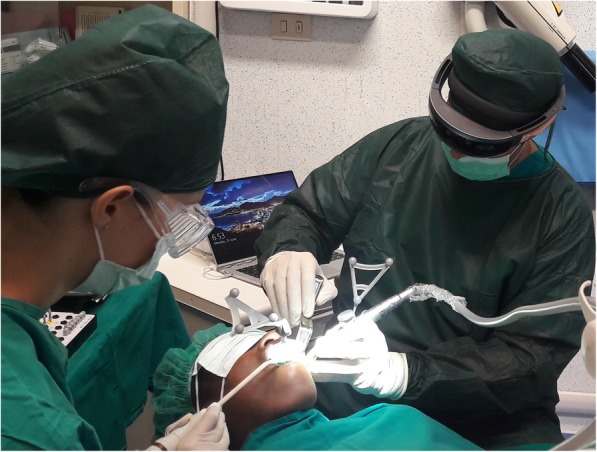
Despite the limited number of articles dedicated to its use, augmented reality (AR) is an emerging technology that has shown to have increasing applications in multiple different medical sectors. These include, but are not limited to, the Maxillo-facial and Dentistry disciplines of medicine. In these medical specialties, the focus of AR technology is to achieve a more visible surgical field during an operation. Currently, this goal is brought about by an accurate display of either static or dynamic diagnostic images via the use of a visor or specific glasses. The objective of this study is to evaluate the feasibility of using a virtual display for dynamic navigation via AR. The secondary outcome is to evaluate if the use of this technology could affect the accuracy of dynamic navigation.
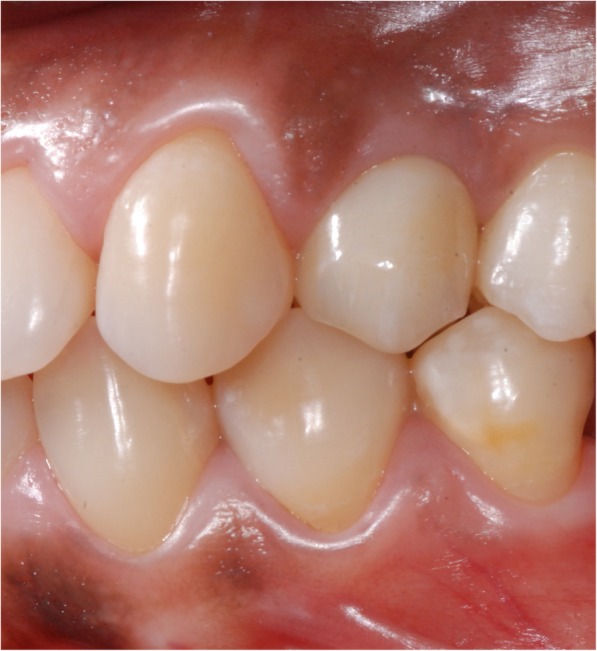
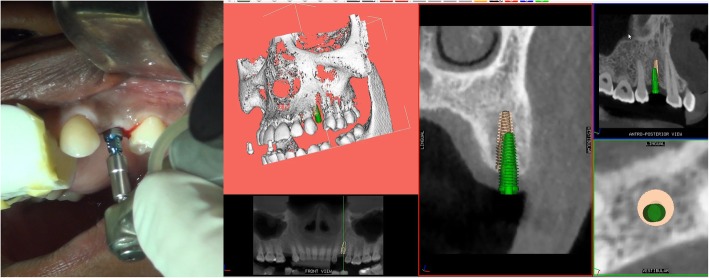
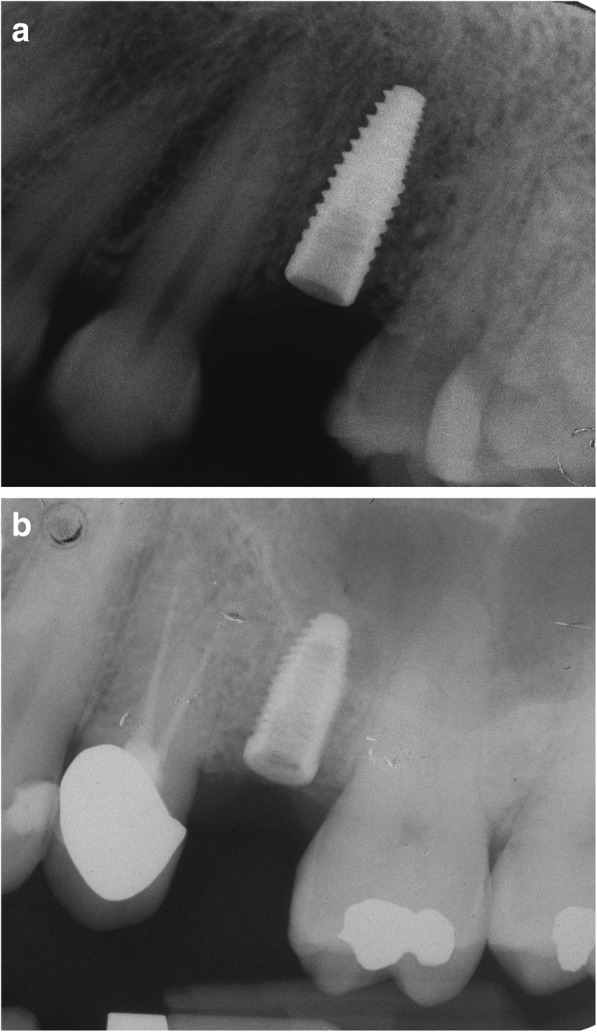
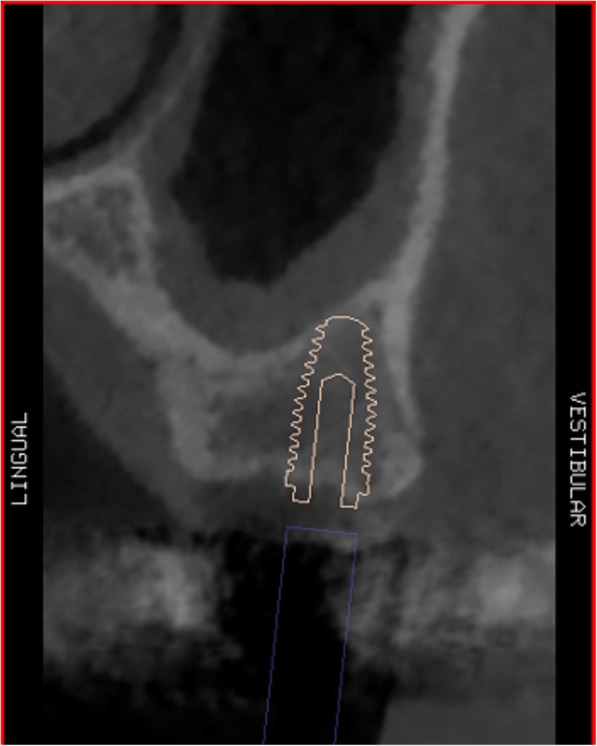
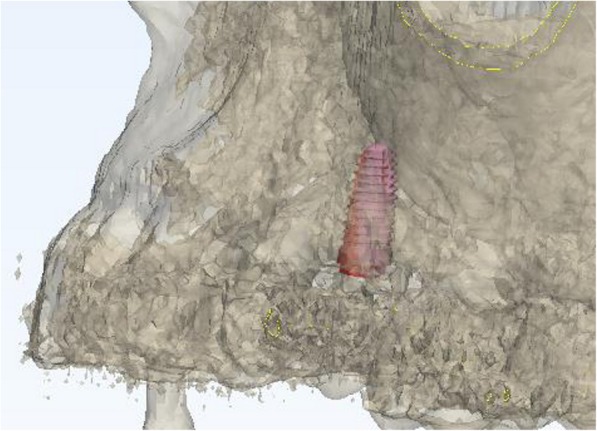
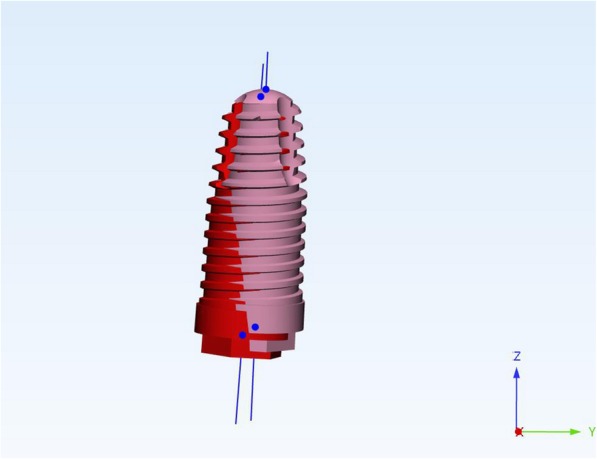
Two patients, both needing implant rehabilitation in the upper premolar area, were treated with flapless surgery. Prior to the procedure itself, the position of the implant was virtually planned and placed for each of the patients using their previous scans. This placement preparation contributed to a dynamic navigation system that was displayed on AR glasses. This, in turn, allowed for the use of a computer-aided/image-guided procedure to occur. Dedicated software for surface superimposition was then used to match the planned position of the implant and the real one obtained from the postoperative scan. Accuracies, using this procedure were evaluated by way of measuring the deviation between real and planned positions of the implants. For both surgeries it was possible to proceed using the AR technology as planned. The deviations for the first implant were 0.53 mm at the entry point and 0.50 mm at the apical point and for the second implant were 0.46 mm at the entry point and 0.48 mm at the apical point. The angular deviations were respectively 3.05° and 2.19°.
From the results of this pilot study, it seems that AR can be useful in dental implantology for displaying dynamic navigation systems. While this technology did not seem to noticeably affect the accuracy of the procedure, specific software applications should further optimize the results.
尽管专门讨论其使用的文章数量有限,但增强现实(AR)是一种新兴技术,已在多个不同的医学领域显示出越来越多的应用。这些应用包括但不限于颌面和牙科医学领域。在这些医学专业中,AR 技术的重点是在手术过程中实现更可见的手术区域。目前,通过使用遮阳板或特定眼镜来实现静态或动态诊断图像的精确显示,可以实现这一目标。本研究的目的是评估使用虚拟显示器通过 AR 进行动态导航的可行性。次要结果是评估该技术的使用是否会影响动态导航的准确性。
两名患者均在上前磨牙区需要进行种植体修复,他们接受了无瓣手术治疗。在手术前,通过对患者的先前扫描进行虚拟规划和放置,为每位患者确定了种植体的位置。这种准备工作有助于在 AR 眼镜上显示动态导航系统。这反过来又允许使用计算机辅助/图像引导程序。然后,使用专用的表面叠加软件将植入物的规划位置与术后扫描获得的实际位置相匹配。通过测量植入物的实际位置和规划位置之间的偏差来评估该程序的准确性。这两种手术都可以按照计划使用 AR 技术进行。第一个植入物的偏差为入口点 0.53 毫米,根尖点 0.50 毫米,第二个植入物的偏差为入口点 0.46 毫米,根尖点 0.48 毫米。角偏差分别为 3.05°和 2.19°。
从这项初步研究的结果来看,AR 似乎可用于显示动态导航系统在牙科植入物学中。虽然该技术似乎没有明显影响手术的准确性,但特定的软件应用程序应进一步优化结果。