School of Biological Sciences, National Institute of Science Education and Research (NISER), Homi Bhabha National Institute (HBNI), P.O. Bhimpur- Padanpur, Via Jatni, Dist. Khurda, Odisha, 752050, India.
National Institute of Plant Genome Research (NIPGR), Jawaharlal Nehru University Campus, Aruna Asaf Ali Marg, New Delhi, Delhi, 110067, India.
BMC Genomics. 2019 Jul 20;20(1):596. doi: 10.1186/s12864-019-5933-5.
Root morphology is known to be affected by light quality, quantity and direction. Light signal is perceived at the shoot, translocated to roots through vasculature and further modulates the root development. Photoreceptors are differentially expressed in both shoot and root cells. The light irradiation to the root affects shoot morphology as well as whole plant development. The current work aims to understand the white light intensity dependent changes in root patterning and correlate that with the global gene expression profile.
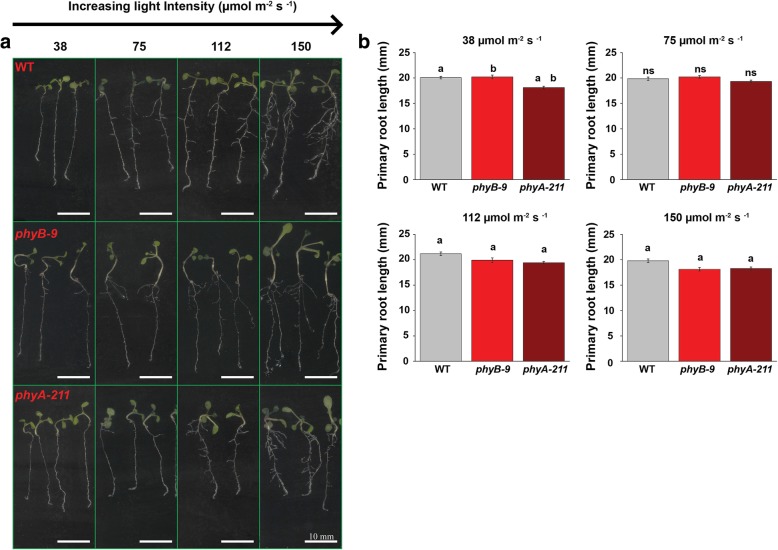
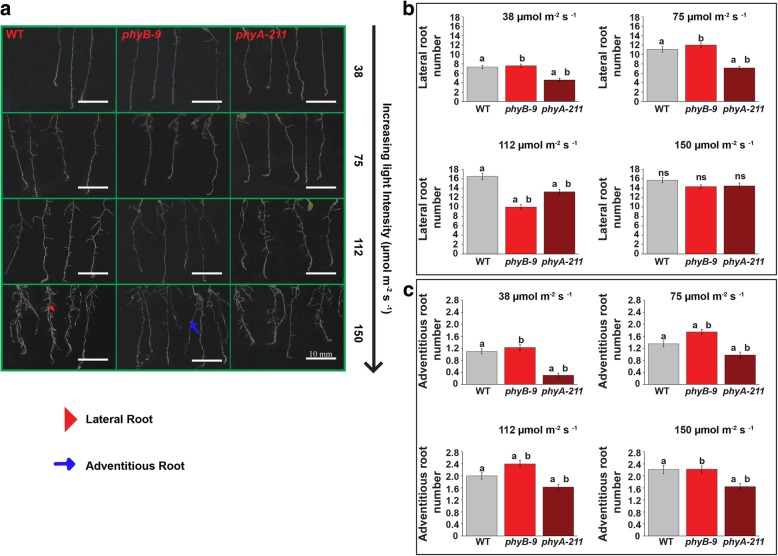
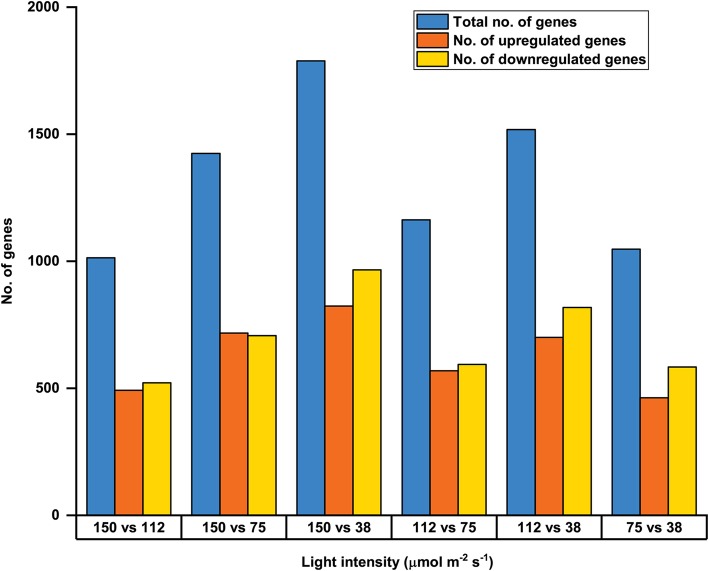
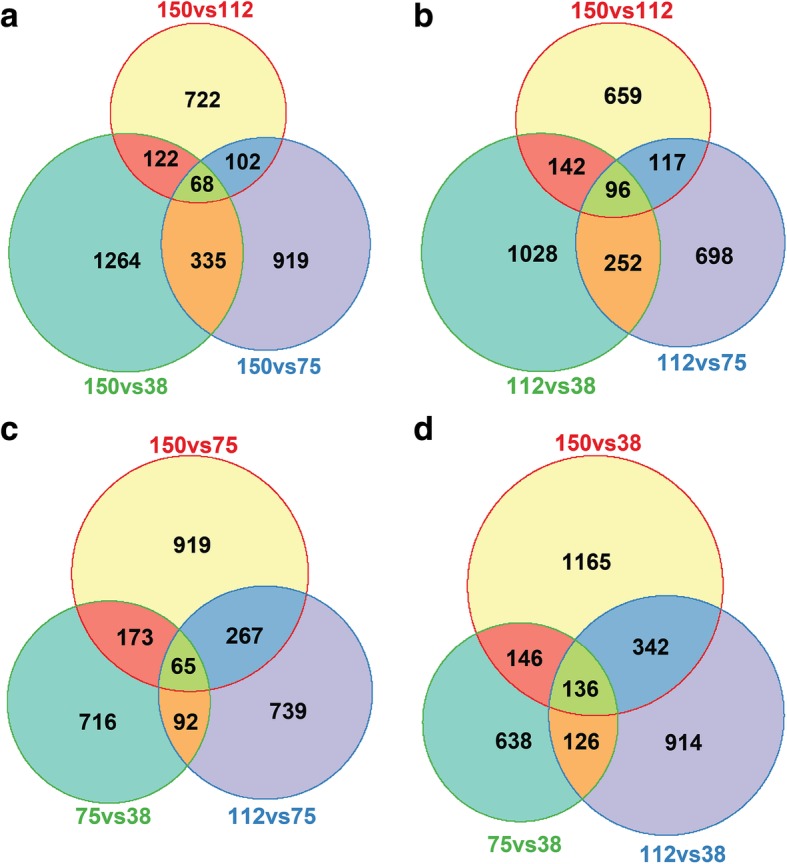
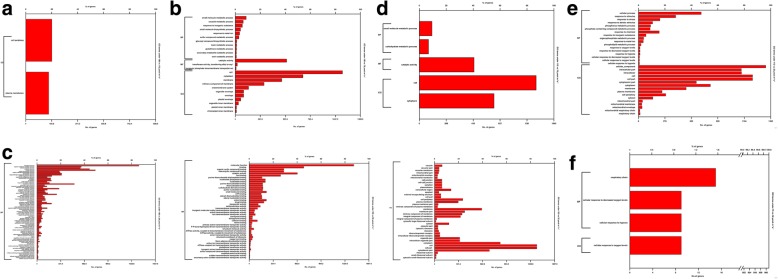
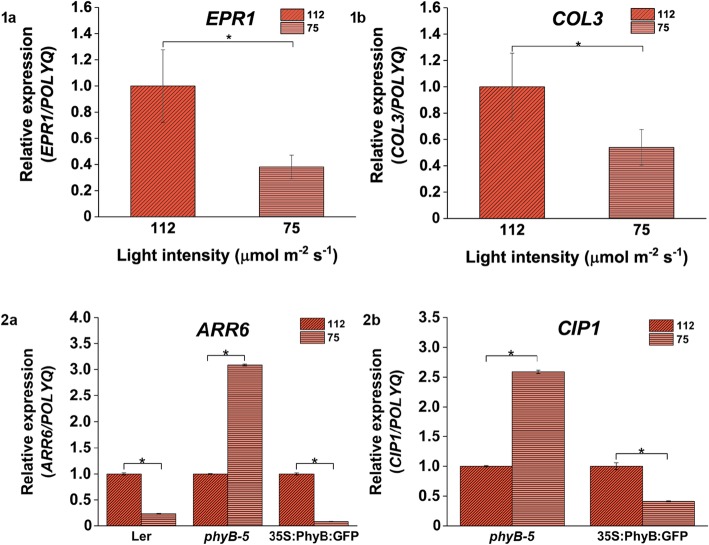
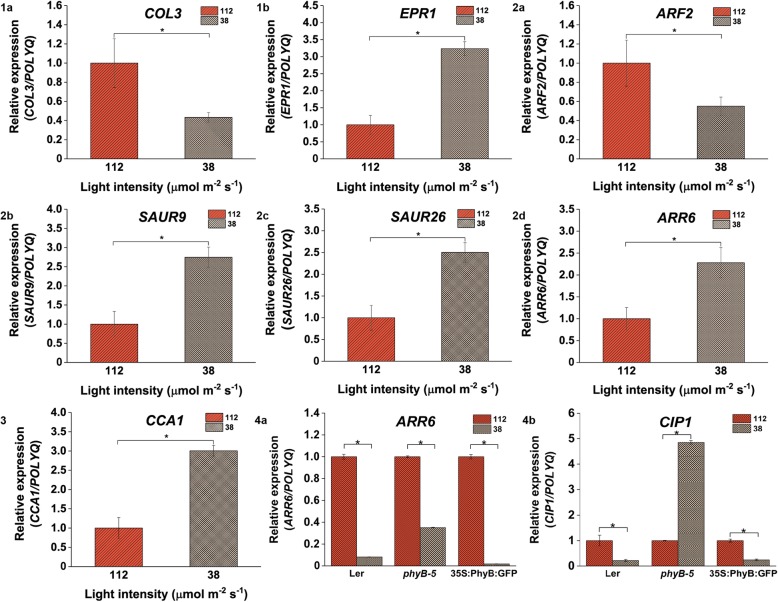
Different fluence of white light (WL) regulate overall root development via modulating the expression of a specific set of genes. Phytochrome A deficient Arabidopsis thaliana (phyA-211) showed shorter primary root compared to phytochrome B deficient (phyB-9) and wild type (WT) seedlings at a lower light intensity. However, at higher intensity, both mutants showed shorter primary root in comparison to WT. The lateral root number was observed to be lowest in phyA-211 at intensities of 38 and 75 μmol m s . The number of adventitious roots was significantly lower in phyA-211 as compared to WT and phyB-9 under all light intensities tested. With the root phenotypic data, microarray was performed for four different intensities of WL light in WT. Here, we identified ~ 5243 differentially expressed genes (DEGs) under all light intensities. Gene ontology-based analysis indicated that different intensities of WL predominantly affect a subset of genes having catalytic activity and localized to the cytoplasm and membrane. Furthermore, when root is irradiated with different intensities of WL, several key genes involved in hormone, light signaling and clock-regulated pathways are differentially expressed.
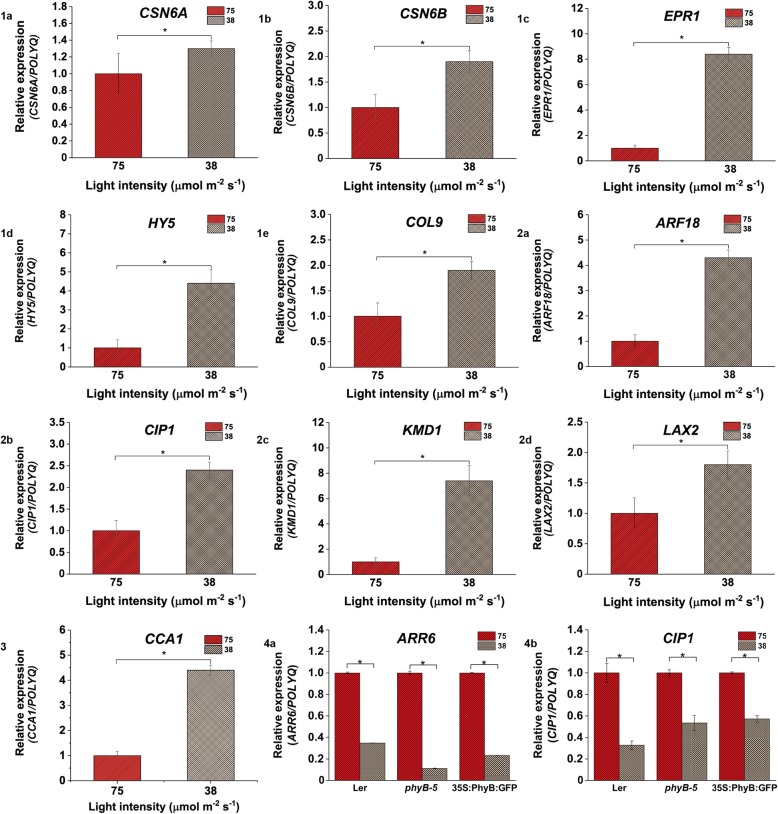
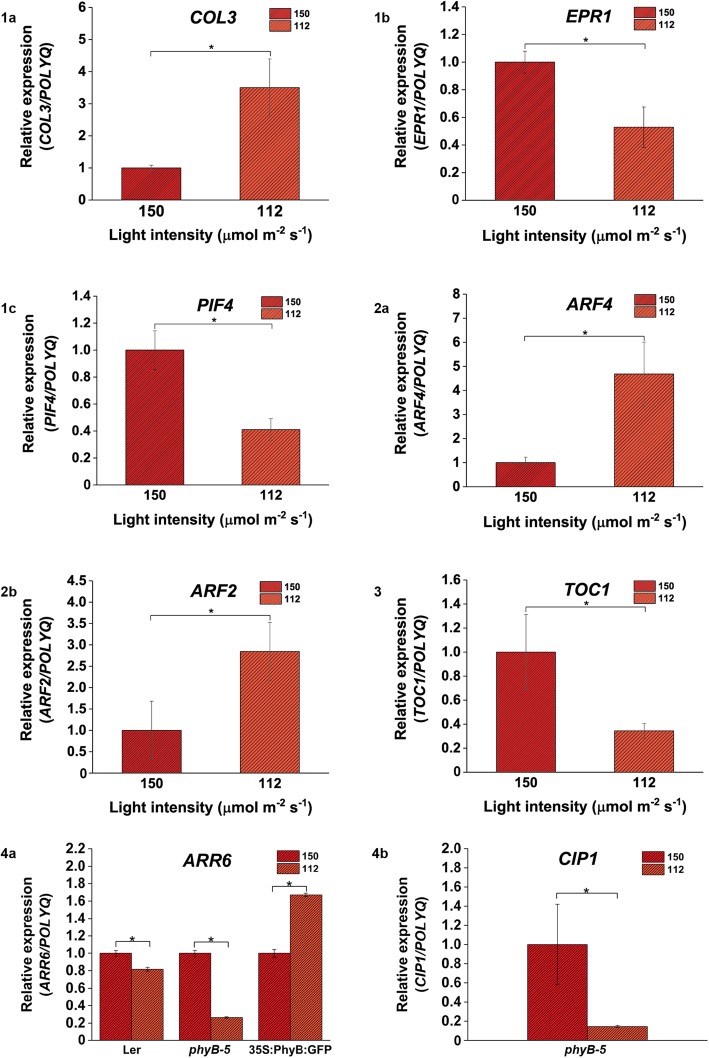
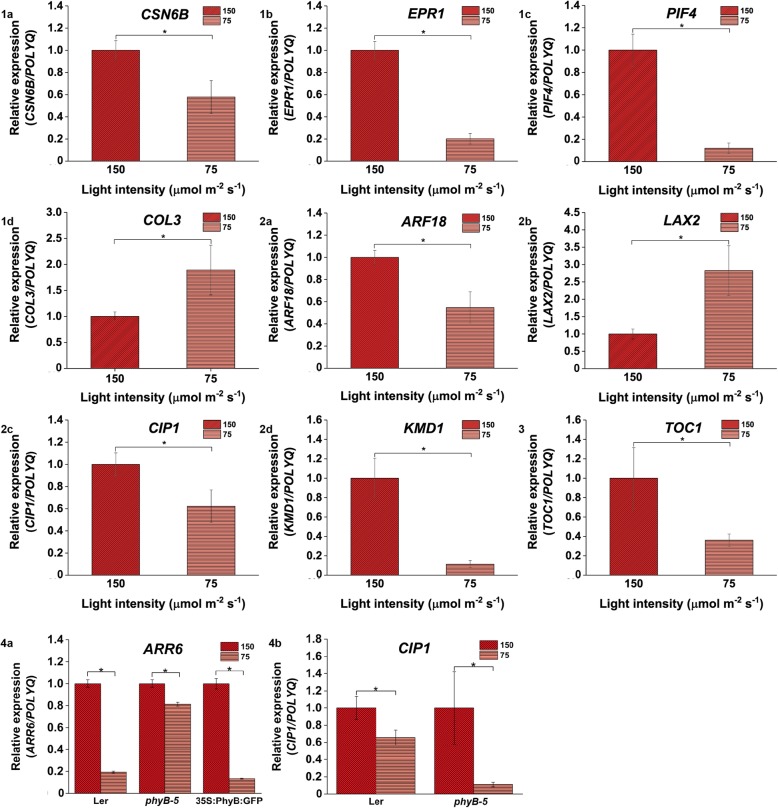
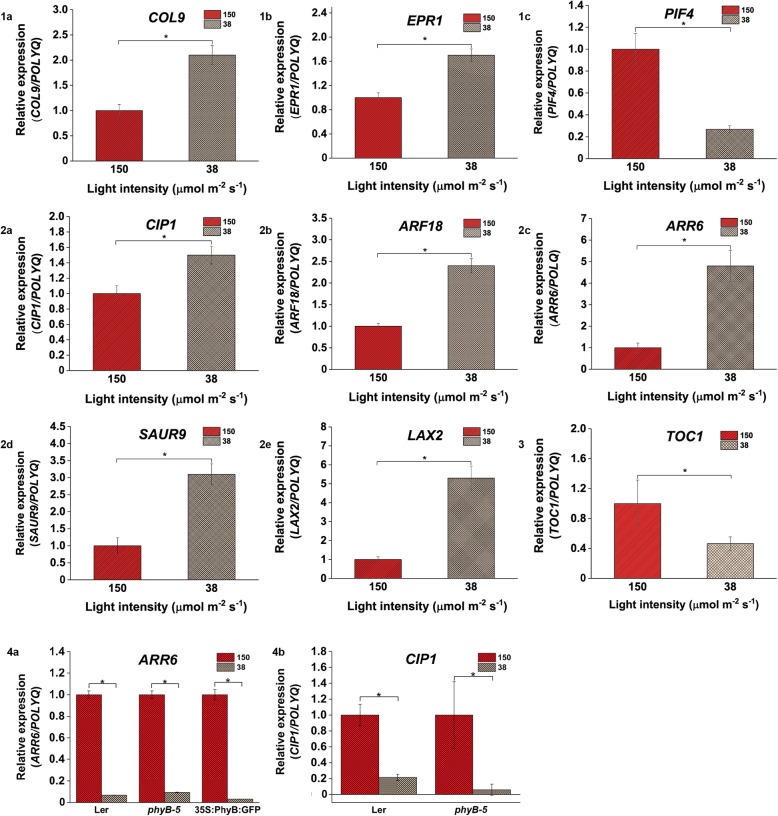
Using genome wide microarray-based approach, we have identified candidate genes in Arabidopsis root that responded to the changes in light intensities. Alteration in expression of genes such as PIF4, COL9, EPR1, CIP1, ARF18, ARR6, SAUR9, TOC1 etc. which are involved in light, hormone and clock pathway was validated by qRT-PCR. This indicates their potential role in light intensity mediated root development.
已知根形态受光质、光量和光方向的影响。光信号在芽中被感知,通过维管束转运到根,并进一步调节根的发育。光受体在芽和根细胞中差异表达。光照到根上会影响芽的形态和整个植物的发育。目前的工作旨在了解白光强度依赖性的根模式变化,并将其与全局基因表达谱相关联。
不同的白光强度(WL)通过调节特定基因的表达来调节整体根系发育。与光受体 B 缺陷型(phyB-9)和野生型(WT)幼苗相比,光受体 A 缺陷型拟南芥(phyA-211)在较低的光强度下表现出较短的主根。然而,在较高的强度下,与 WT 相比,两个突变体的主根都更短。在 38 和 75 μmol m s 的强度下,phyA-211 的侧根数量最低。在所有测试的光强度下,phyA-211 的不定根数量明显低于 WT 和 phyB-9。根据根表型数据,在 WT 中对四种不同强度的 WL 光进行了微阵列分析。在这里,我们在所有光强度下鉴定了约 5243 个差异表达基因(DEGs)。基于基因本体论的分析表明,不同强度的 WL 主要影响一组具有催化活性并定位于细胞质和膜的基因。此外,当根受到不同强度的 WL 照射时,几个参与激素、光信号和时钟调控途径的关键基因的表达也不同。
使用基于全基因组微阵列的方法,我们在拟南芥根中鉴定了对光照强度变化有反应的候选基因。通过 qRT-PCR 验证了参与光、激素和时钟途径的基因(如 PIF4、COL9、EPR1、CIP1、ARF18、ARR6、SAUR9、TOC1 等)的表达变化,表明它们在光强度介导的根发育中具有潜在作用。