Department of Medicine, Stanford University School of Medicine, Stanford, CA 94305, USA.
Department of Biomedical Data Science, Stanford University School of Medicine, Stanford, CA 94305, USA.
Cell Metab. 2019 Sep 3;30(3):477-492.e6. doi: 10.1016/j.cmet.2019.06.016. Epub 2019 Jul 18.
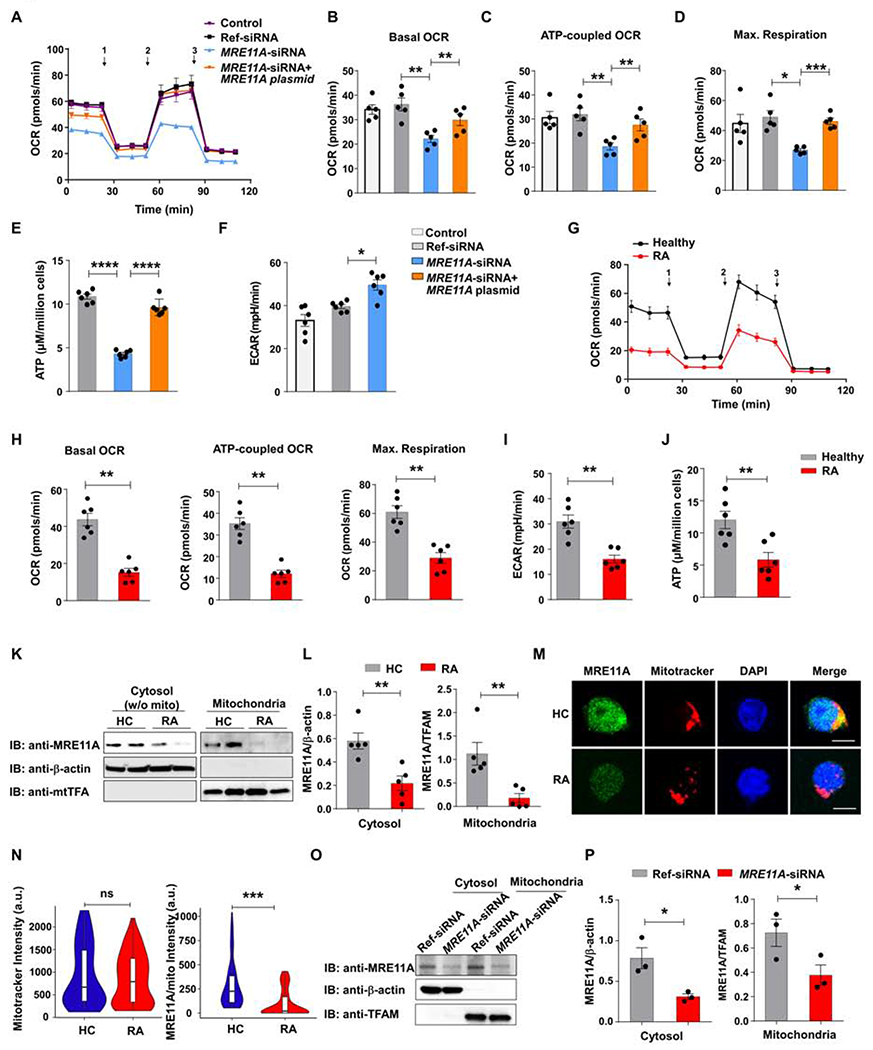
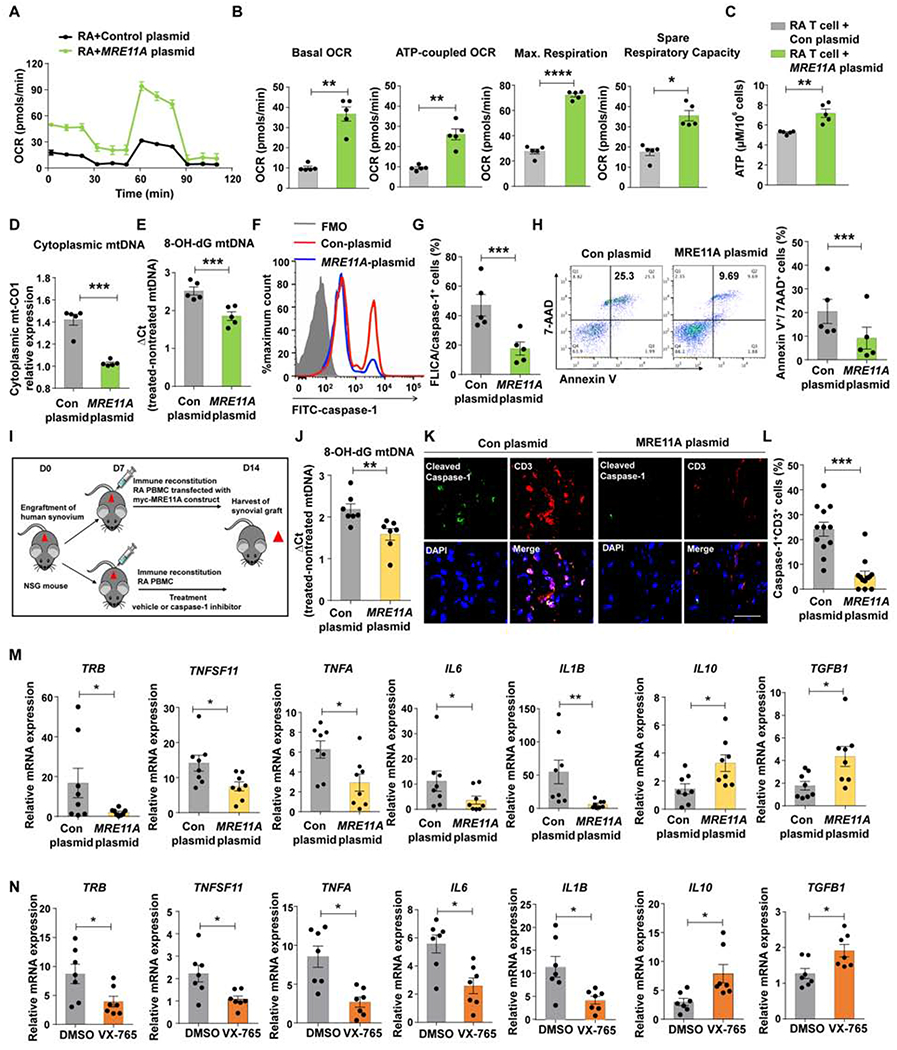
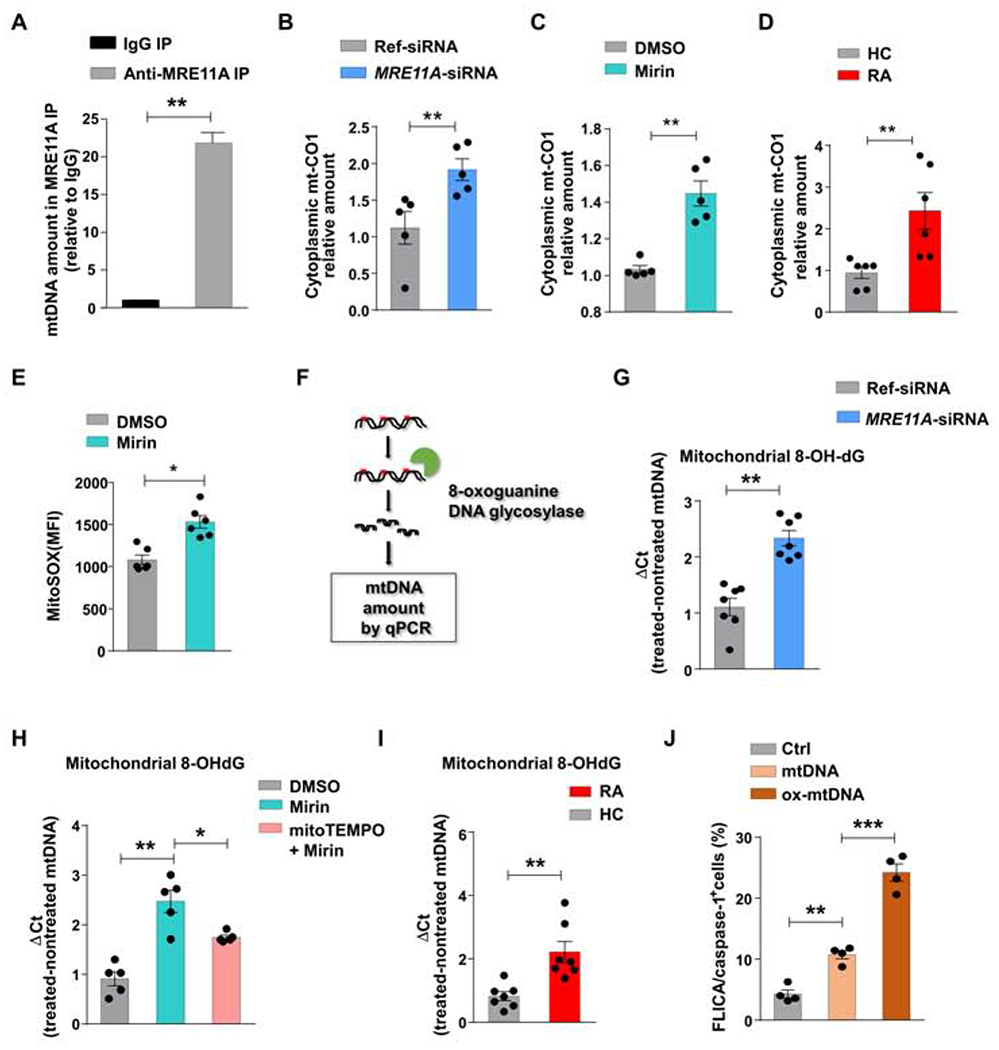
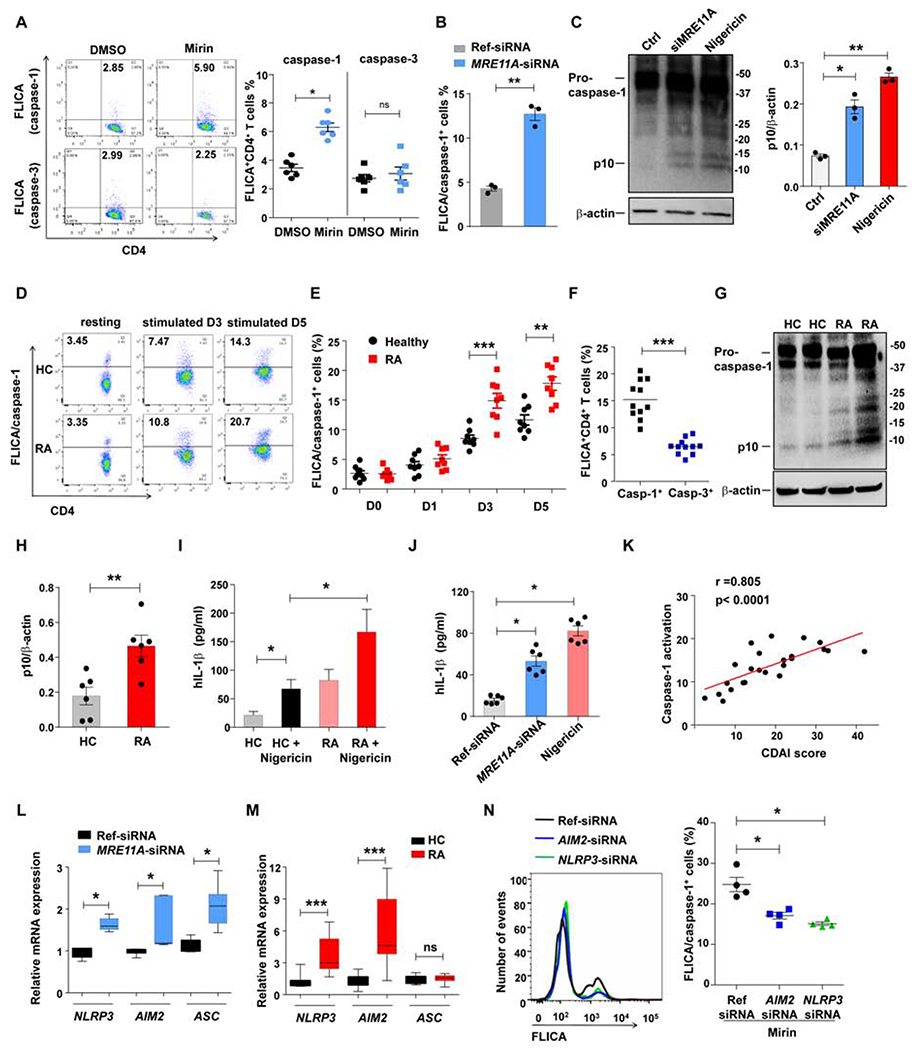
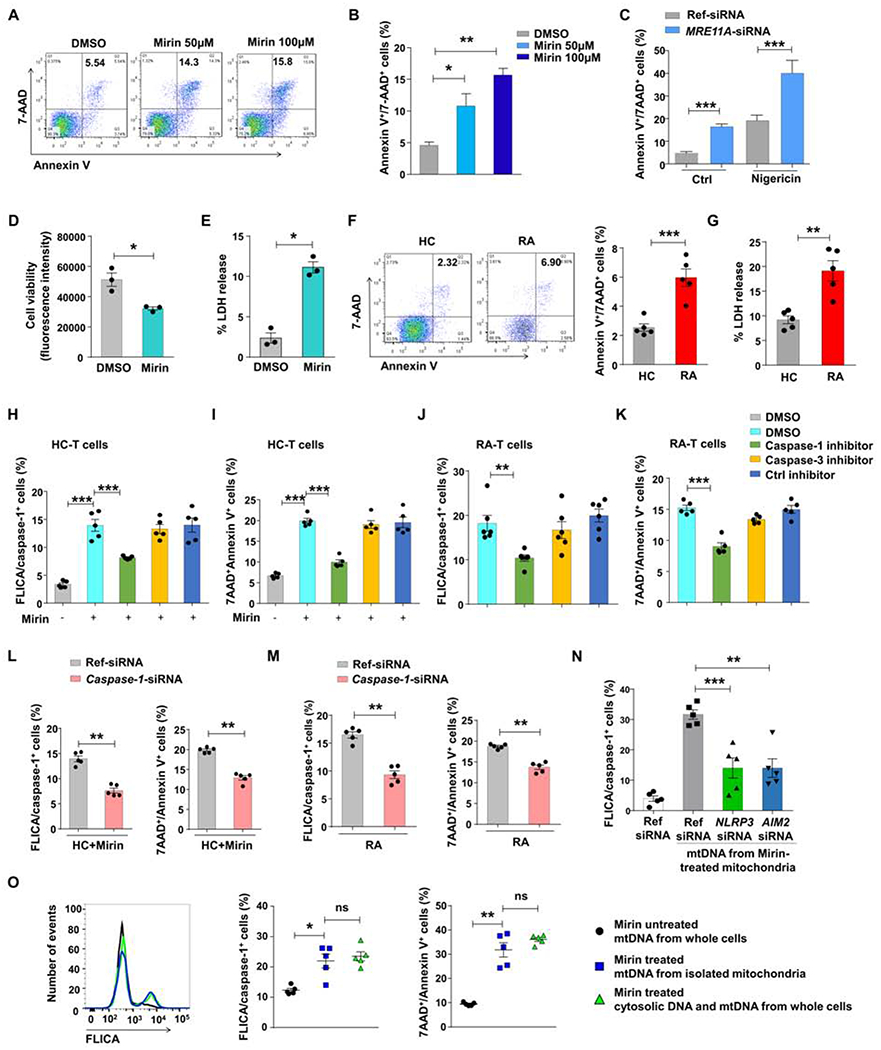
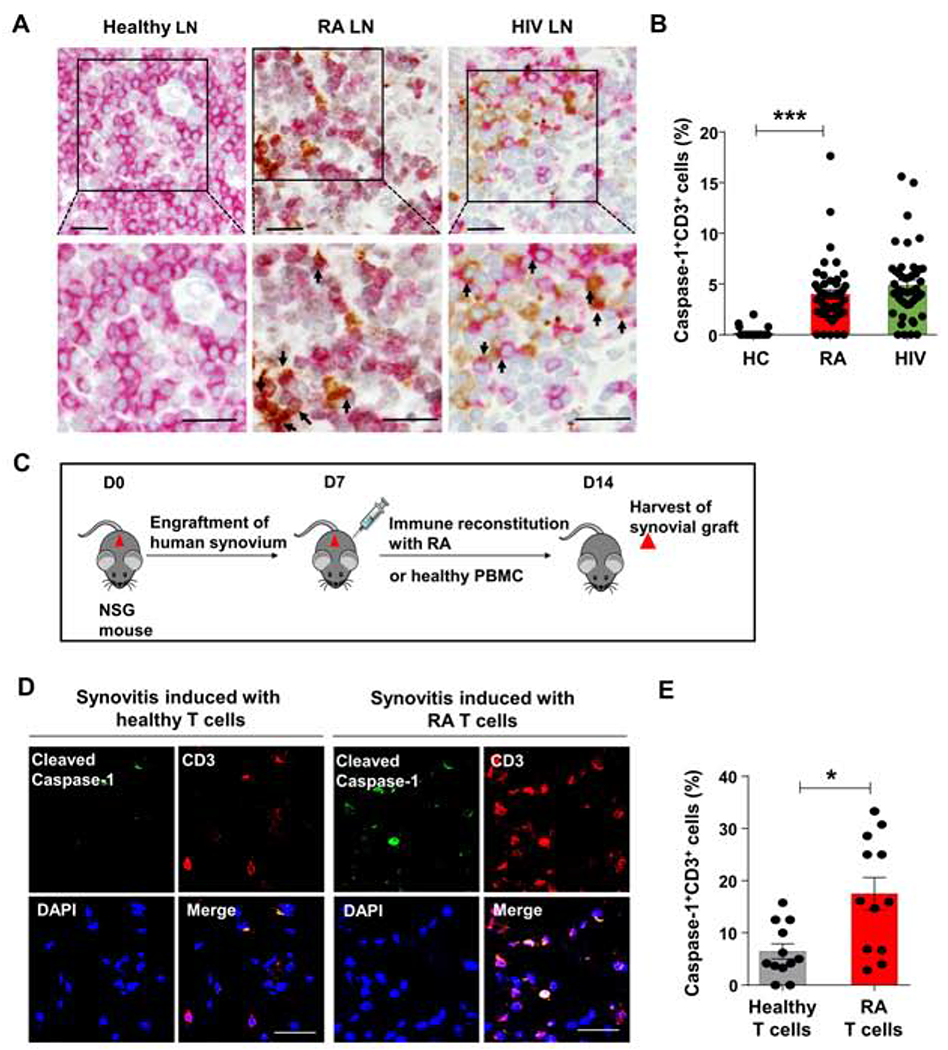
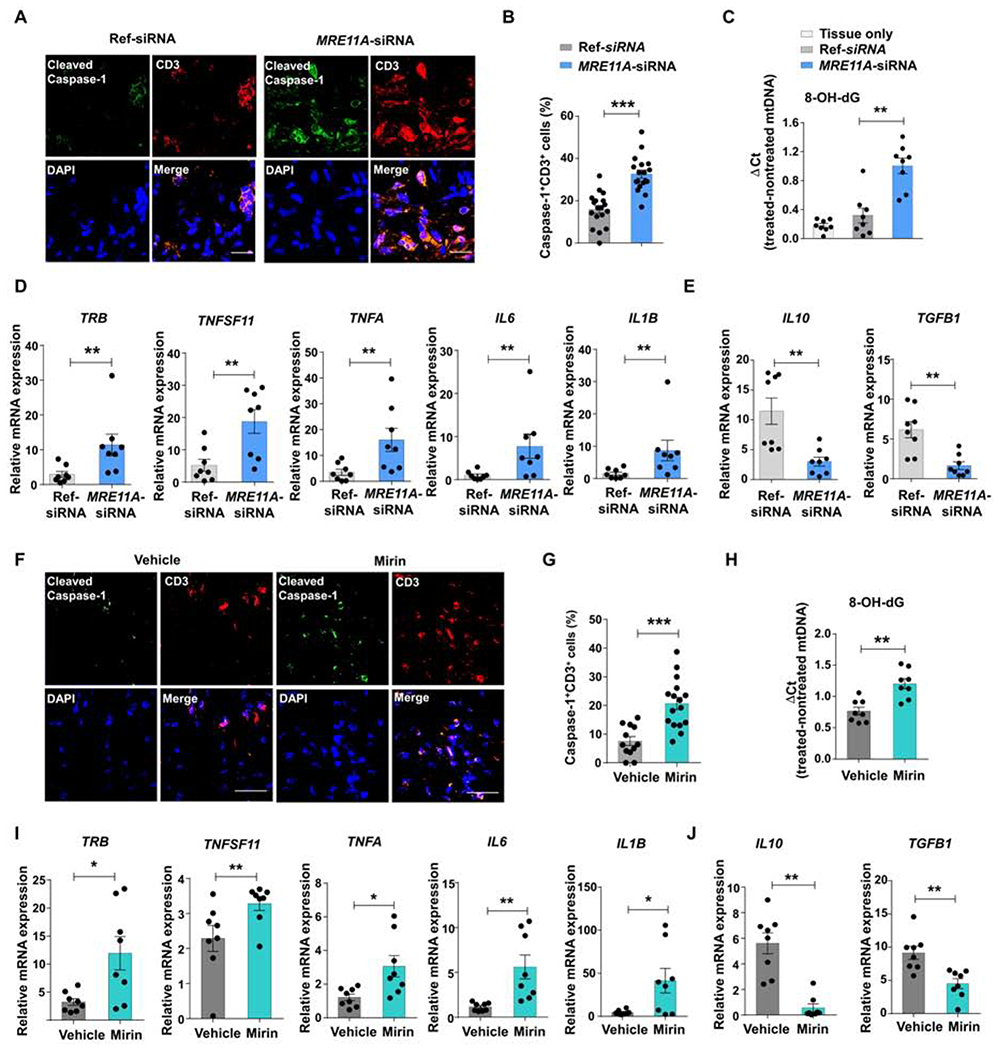
In the autoimmune disease rheumatoid arthritis (RA), CD4 T cells promote pro-inflammatory effector functions by shunting glucose away from glycolysis and ATP production. Underlying mechanisms remain unknown, and here we implicate the DNA repair nuclease MRE11A in the cells' bioenergetic failure. MRE11A deficiency in RA T cells disrupted mitochondrial oxygen consumption and suppressed ATP generation. Also, MRE11A loss of function caused leakage of mitochondrial DNA (mtDNA) into the cytosol, triggering inflammasome assembly, caspase-1 activation, and pyroptotic cell death. Caspase-1 activation was frequent in lymph-node-residing T cells in RA patients. In vivo, pharmacologic and genetic inhibition of MRE11A resulted in tissue deposition of mtDNA, caspase-1 proteolysis, and aggressive tissue inflammation. Conversely, MRE11A overexpression restored mitochondrial fitness and shielded tissue from inflammatory attack. Thus, the nuclease MRE11A regulates a mitochondrial protection program, and MRE11A deficiency leads to DNA repair defects, energy production, and failure and loss of tissue homeostasis.
在自身免疫性疾病类风湿关节炎 (RA) 中,CD4 T 细胞通过将葡萄糖从糖酵解和 ATP 生成中分流,促进促炎效应功能。其潜在机制尚不清楚,而在这里我们暗示 DNA 修复核酸内切酶 MRE11A 在细胞的能量衰竭中起作用。RA T 细胞中 MRE11A 的缺乏破坏了线粒体氧消耗并抑制了 ATP 的产生。此外,MRE11A 功能丧失导致线粒体 DNA(mtDNA)漏出线粒体,引发炎性体组装、半胱天冬酶-1 激活和细胞焦亡。RA 患者淋巴结中驻留的 T 细胞中 caspase-1 激活很常见。在体内,MRE11A 的药理学和遗传抑制导致 mtDNA 的组织沉积、caspase-1 蛋白水解和侵袭性组织炎症。相反,MRE11A 的过表达恢复了线粒体的适应性,并保护组织免受炎症攻击。因此,核酸内切酶 MRE11A 调节线粒体保护程序,而 MRE11A 的缺乏导致 DNA 修复缺陷、能量产生和组织稳态的失败和丧失。