Shi Mengyao, Bazzano Lydia A, He Jiang, Gu Xiaoying, Li Changwei, Li Shengxu, Yaffe Kristine, Kinchen Jason M, Stuchlik Patrick, Mi Xuenan, Nierenberg Jovia L, Razavi Alexander C, Kelly Tanika N
Department of Epidemiology, Tulane University, New Orleans, LA 70112, USA.
Institute of Clinical Medical Science, China-Japan Friendship Hospital, National Clinical Research Center of Respiratory Diseases, Beijing, China.
Aging (Albany NY). 2019 Jul 21;11(14):5124-5139. doi: 10.18632/aging.102107.
Metabolomics study provides an opportunity to identify novel molecular determinants of altered cognitive function.
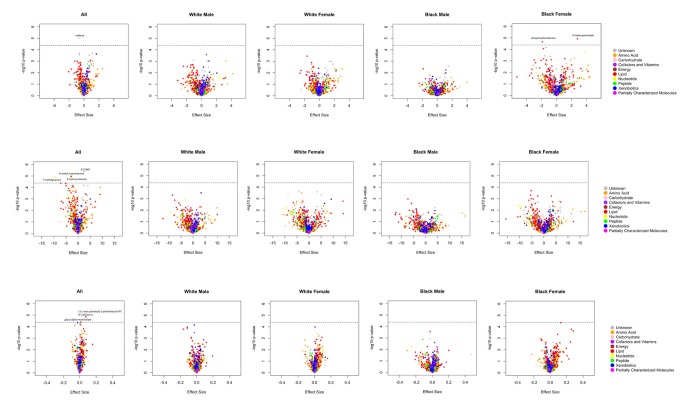
During 2013 to 2016 Bogalusa Heart Study (BHS) visit, 1,177 participants underwent untargeted, ultrahigh performance liquid chromatography-tandem mass spectroscopy metabolomics profiling. Global cognition and five cognition domains were also assessed. The cross-sectional associations of single metabolites with cognition were tested using multiple linear regression models. Weighted correlation network analysis was used to examine the covariable-adjusted correlations of modules of co-abundant metabolites with cognition. Analyses were conducted in the overall sample and according to both ethnicity and sex.
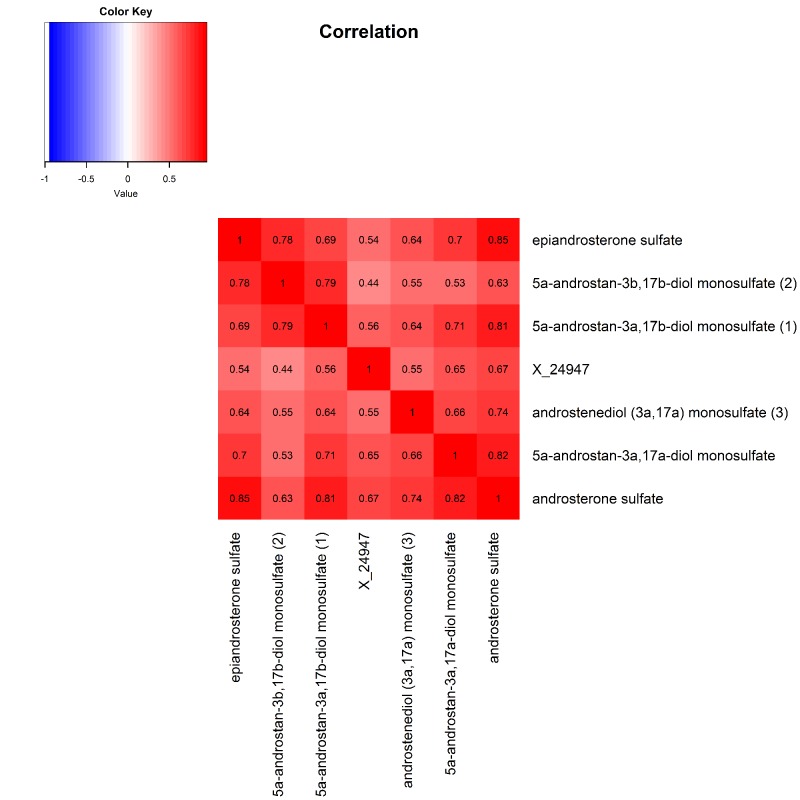
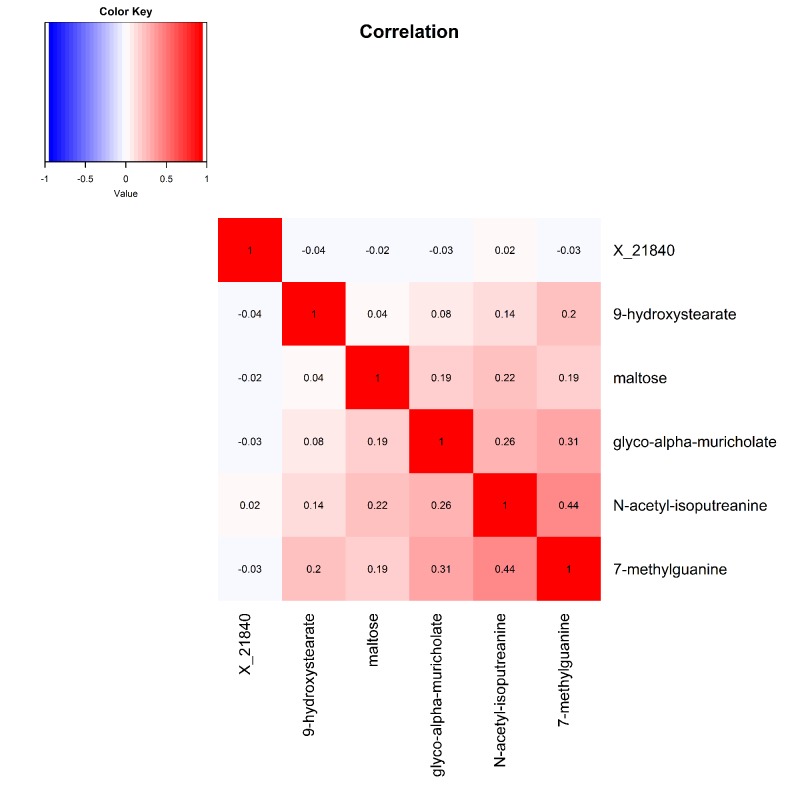
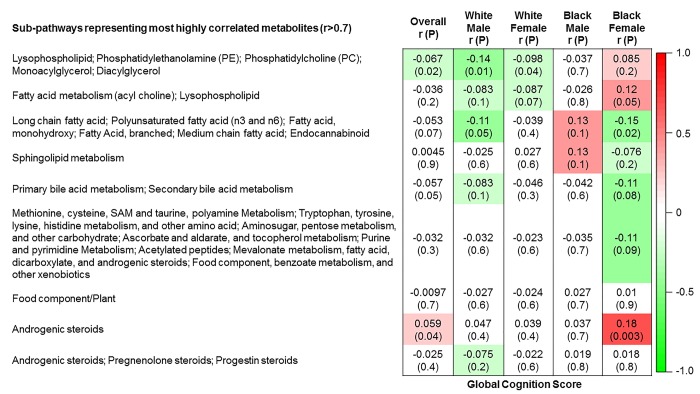
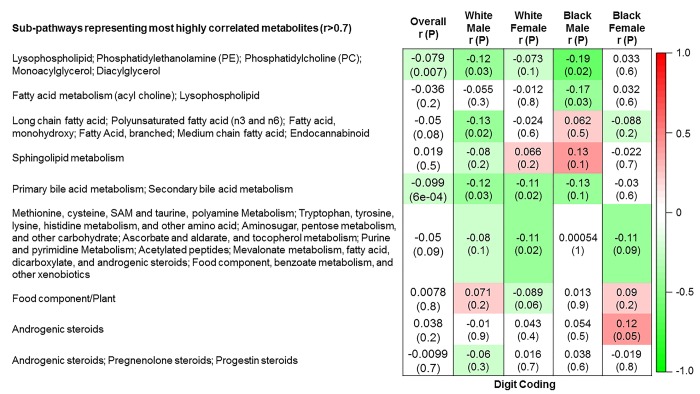
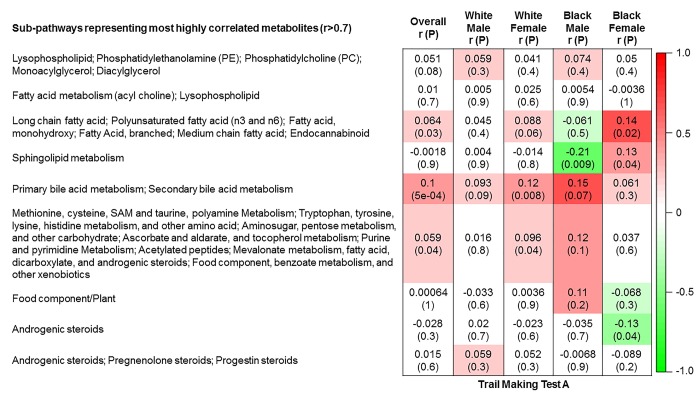
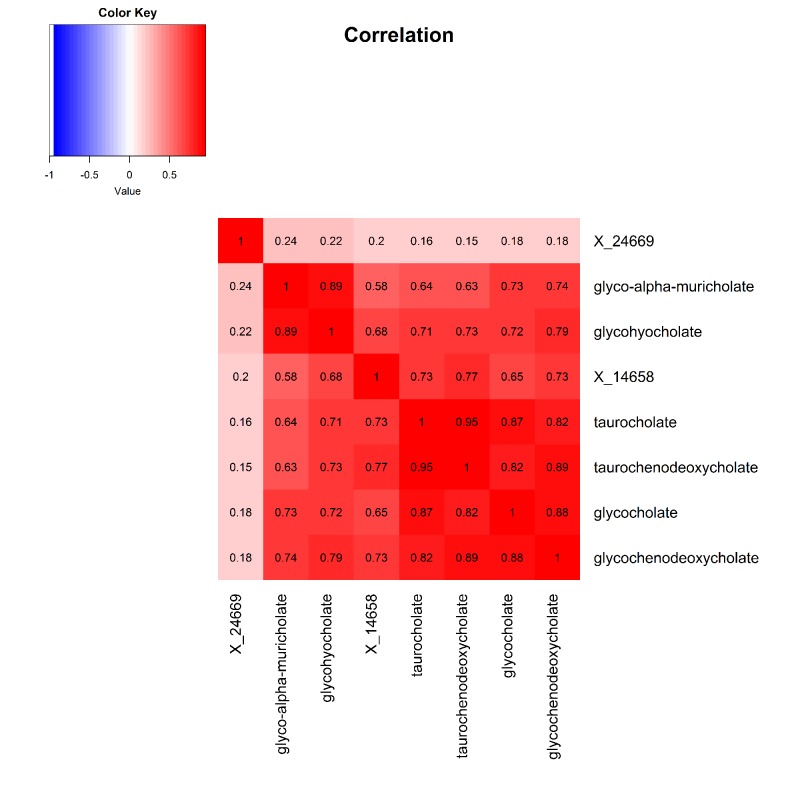
Five known metabolites and two metabolite modules robustly associated with cognition across overall and stratified analyses. Two metabolites were from lipid sub-pathways including fatty acid metabolism [9-hydroxystearate; minimum P-value (min-P)=1.11×10], and primary bile acid metabolism (glyco-alpha-muricholate; min-P=4.10×10). One metabolite from the glycogen metabolism sub-pathway (maltose; min-P=9.77×10), one from the polyamine metabolism sub-pathway (N-acetyl-isoputreanine; min-P=1.03×10), and one from the purine metabolism sub-pathway (7-methylguanine; min-P=1.19×10) were also identified. Two metabolite modules reflecting bile acid metabolism and androgenic steroids correlated with cognition (min-P=5.00×10 and 3.00×10, respectively).
The novel associations of 5 known metabolites and 2 metabolite modules with cognition provide insights into the physiological mechanisms regulating cognitive function.
代谢组学研究为识别认知功能改变的新型分子决定因素提供了契机。
在2013年至2016年博加卢萨心脏研究(BHS)访视期间,1177名参与者接受了非靶向、超高效液相色谱 - 串联质谱代谢组学分析。还评估了整体认知和五个认知领域。使用多元线性回归模型测试单一代谢物与认知的横断面关联。加权相关网络分析用于检查共丰度代谢物模块与认知的协变量调整相关性。分析在总体样本中进行,并按种族和性别进行。
在总体和分层分析中,有五种已知代谢物和两个代谢物模块与认知密切相关。两种代谢物来自脂质子途径,包括脂肪酸代谢[9-羟基硬脂酸;最小P值(min-P)=1.11×10]和初级胆汁酸代谢(甘氨-α-鼠胆酸;min-P=4.10×10)。还鉴定出一种来自糖原代谢子途径的代谢物(麦芽糖;min-P=9.77×10)、一种来自多胺代谢子途径的代谢物(N-乙酰异腐胺酸;min-P=1.03×10)和一种来自嘌呤代谢子途径的代谢物(7-甲基鸟嘌呤;min-P=1.19×10)。反映胆汁酸代谢和雄激素类固醇的两个代谢物模块与认知相关(分别为min-P=5.00×10和3.00×10)。
5种已知代谢物和2个代谢物模块与认知的新关联为调节认知功能的生理机制提供了见解。