Gu Alex, Cohen Jordan S, Malahias Michael-Alexander, Lee Danny, Sculco Peter K, McLawhorn Alexander S
1George Washington University School of Medicine and Health Sciences, 2300 Eye St. NW, Washington, DC 20037 USA.
2Stavros Niarchos Foundation Complex Joint Reconstruction Center, Hospital for Special Surgery, 535 E. 70th St, New York, NY 10021 USA.
HSS J. 2019 Jul;15(2):190-200. doi: 10.1007/s11420-019-09674-2. Epub 2019 Apr 9.
Obesity is an independent risk factor for osteoarthritis and has been associated with increased rate of complications following lower-extremity total joint arthroplasty (TJA). Bariatric surgery (BS) is a surgical option for weight loss and for reducing obesity-related comorbidities in morbidly obese patients.
PURPOSE/QUESTIONS: The goal of this systematic review was to answer the following questions: (1) Does BS prior to TJA correlate with lower post-operative complication rates in morbidly obese patients undergoing TJA? (2) Does BS have an impact on revision rates following TJA?
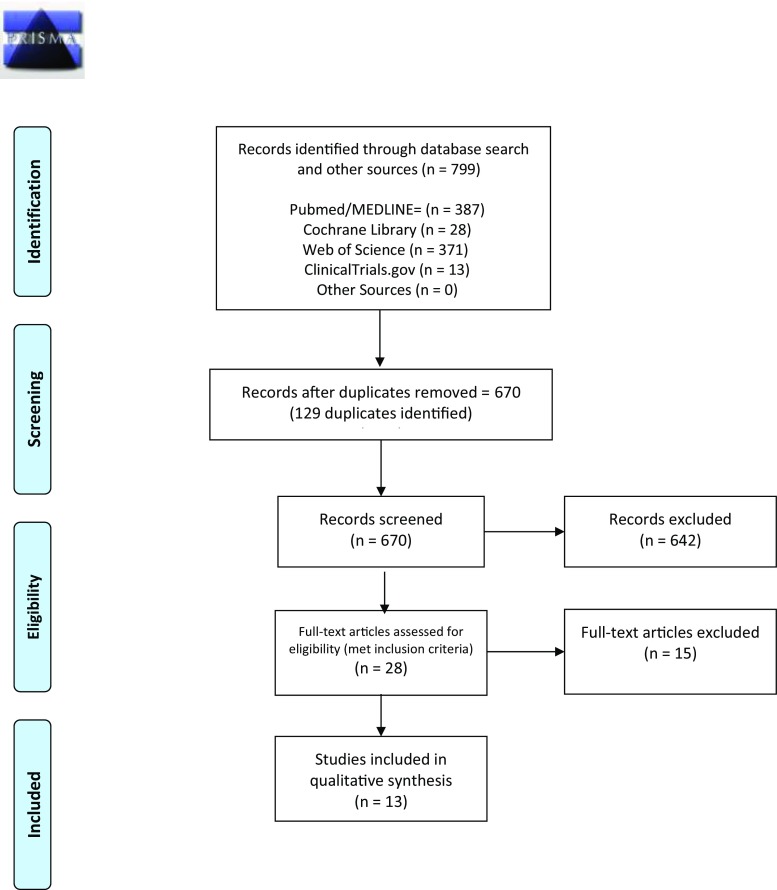
Using the Preferred Reporting Items for Systematic Reviews and Meta-Analyses (PRISMA) statement and checklist, a systematic review of medical databases (PubMed/ MEDLINE, Cochrane Library, Web of Science, and Clinicaltrials.gov) was undertaken for articles published in English from January 1990 to September 2018. Inclusion criteria were studies that included at least ten patients who underwent BS prior to TJA, collected data on complications or other outcomes, and followed patients for at least 90 days after TJA. A descriptive and critical analysis of the results was performed.
From 799 studies, 13 met inclusion criteria. A total of 11,770 patients who had undergone bariatric surgery prior to TJA were analyzed. The quality of the evidence ranged between moderate and high. There was no consensus on the effect of previous BS on early- to short-term outcomes reported after TJA.
The literature remains conflicted on the impact of BS prior to TJA on early, short-term, and long-term complications after TJA. Additional well-matched, observational studies may further our understanding of the impact of BS prior to TJA on outcomes. In particular the effect of various types of BS prior to TJA on outcomes has yet to be elucidated. Ideally, prospective studies with higher level of evidence will be more definitive on the effects of BS prior to TJA. CRD42016043025.
肥胖是骨关节炎的独立危险因素,并且与下肢全关节置换术(TJA)后并发症发生率增加相关。减肥手术(BS)是病态肥胖患者减轻体重及降低肥胖相关合并症的一种手术选择。
目的/问题:本系统评价的目的是回答以下问题:(1)在接受TJA的病态肥胖患者中,TJA前进行BS是否与较低的术后并发症发生率相关?(2)BS对TJA后的翻修率有影响吗?
采用系统评价和Meta分析的首选报告项目(PRISMA)声明和清单,对1990年1月至2018年9月以英文发表的文章进行医学数据库(PubMed/MEDLINE、Cochrane图书馆、科学网和Clinicaltrials.gov)的系统评价。纳入标准为纳入至少10例在TJA前接受BS的患者、收集并发症或其他结局数据且在TJA后对患者随访至少90天的研究。对结果进行描述性和批判性分析。
从799项研究中,13项符合纳入标准。共分析了11770例在TJA前接受减肥手术的患者。证据质量从中等到高不等。对于既往BS对TJA后报告的早期至短期结局的影响,尚无共识。
关于TJA前进行BS对TJA后早期、短期和长期并发症的影响,文献仍存在分歧。更多匹配良好的观察性研究可能会加深我们对TJA前进行BS对结局影响的理解。特别是TJA前不同类型的BS对结局的影响尚未阐明。理想情况下,证据水平更高的前瞻性研究将更明确TJA前进行BS的效果。CRD42016043025。