Institute of Developmental Biology and Neurobiology, University of Mainz, Mainz, Germany
Department of Pharmacology, University Medical Center, Johannes Gutenberg University of Mainz, Mainz, Germany.
Life Sci Alliance. 2019 Jul 22;2(4). doi: 10.26508/lsa.201900318. Print 2019 Aug.
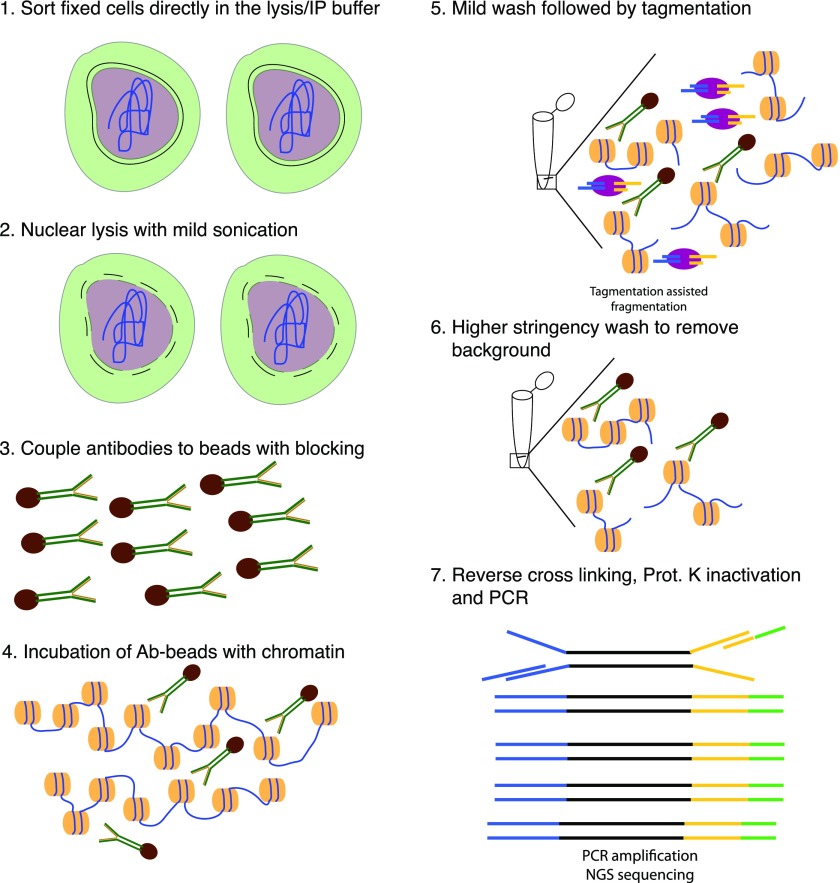
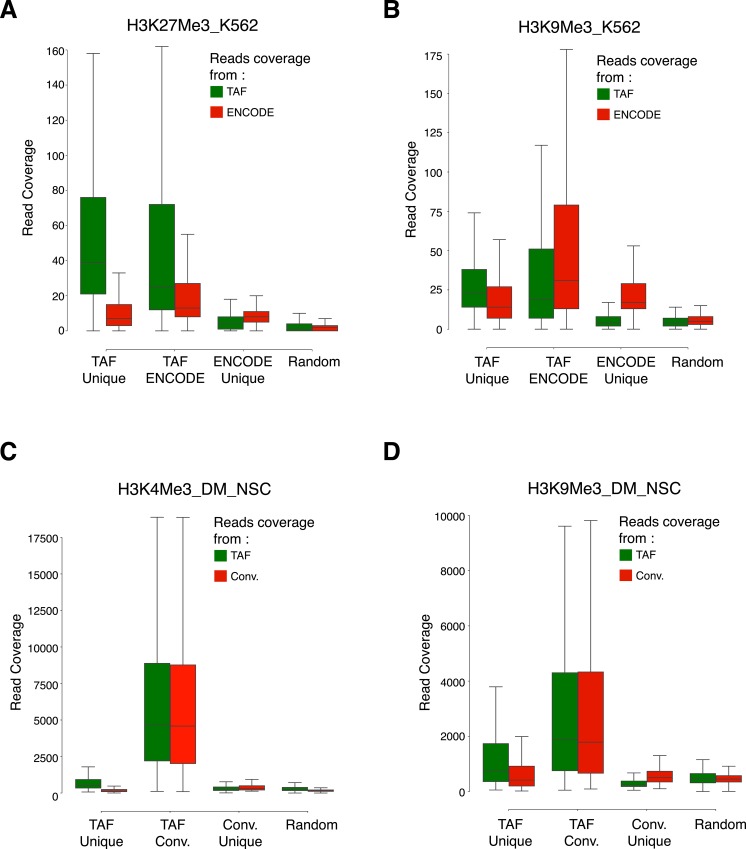
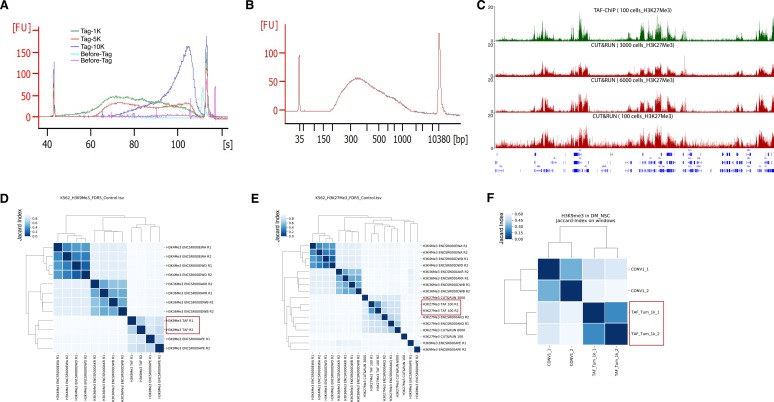
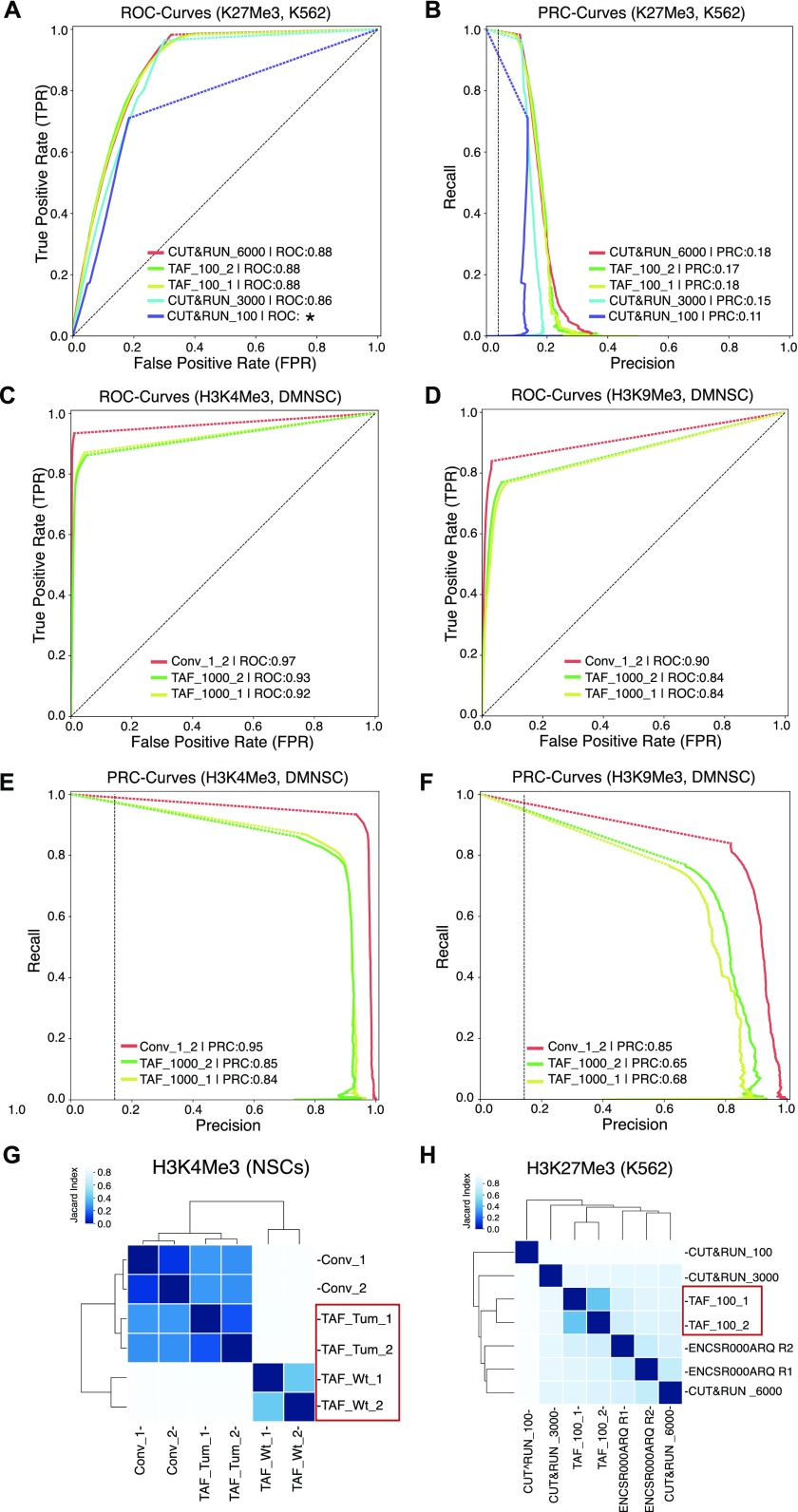
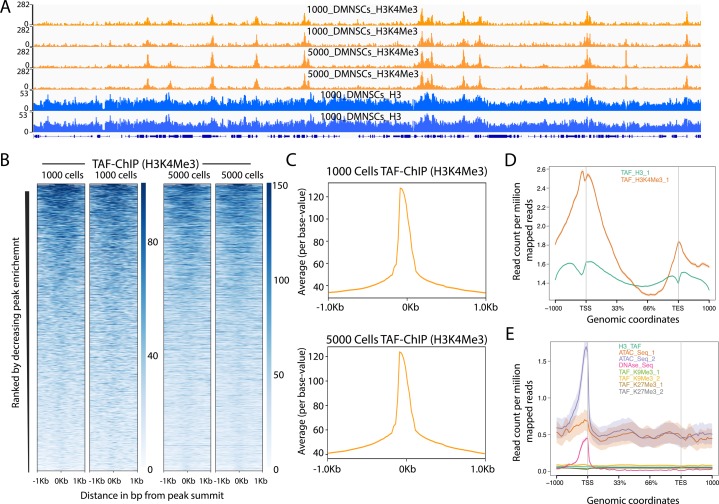
Chromatin immunoprecipitation (ChIP) followed by next generation sequencing (ChIP-Seq) is a powerful technique to study transcriptional regulation. However, the requirement of millions of cells to generate results with high signal-to-noise ratio precludes it in the study of small cell populations. Here, we present a tagmentation-assisted fragmentation ChIP (TAF-ChIP) and sequencing method to generate high-quality histone profiles from low cell numbers. The data obtained from the TAF-ChIP approach are amenable to standard tools for ChIP-Seq analysis, owing to its high signal-to-noise ratio. The epigenetic profiles from TAF-ChIP approach showed high agreement with conventional ChIP-Seq datasets, thereby underlining the utility of this approach.
染色质免疫沉淀(ChIP)结合下一代测序(ChIP-Seq)是研究转录调控的一种强大技术。然而,为了获得高信噪比的结果,需要数百万个细胞,这使得该技术无法用于研究小细胞群体。在这里,我们提出了一种标签酶辅助片段化 ChIP(TAF-ChIP)和测序方法,可从小细胞数量中生成高质量的组蛋白图谱。由于高信噪比,从 TAF-ChIP 方法获得的数据适用于 ChIP-Seq 分析的标准工具。TAF-ChIP 方法的表观遗传图谱与传统的 ChIP-Seq 数据集高度一致,从而强调了该方法的实用性。