Yu Yue, Wang Jia, Kaul Sunil C, Wadhwa Renu, Miyako Eijiro
Department of Materials and Chemistry, Nanomaterials Research Institute, National Institute of Advanced Industrial Science and Technology, Tsukuba, Japan.
DAILAB, DBT-AIST International Center for Translational and Environmental Research (DAICENTER), AIST, Tsukuba, Japan.
Front Oncol. 2019 Jul 4;9:602. doi: 10.3389/fonc.2019.00602. eCollection 2019.
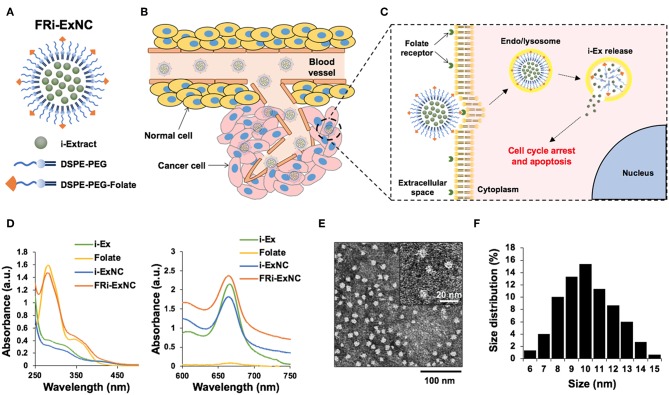
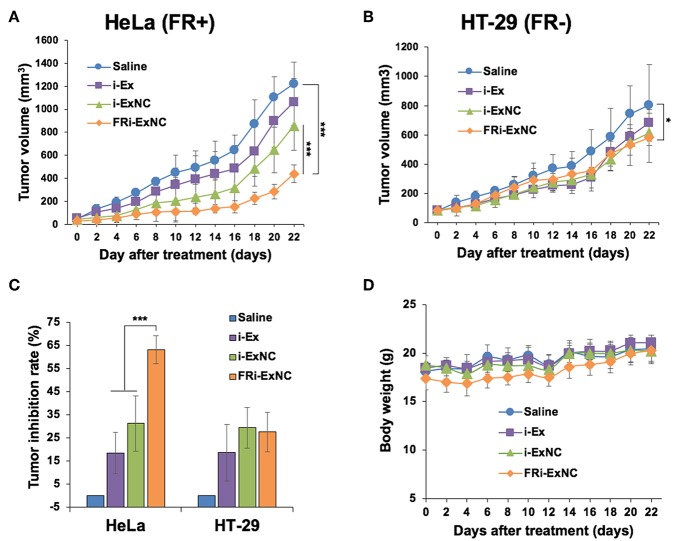
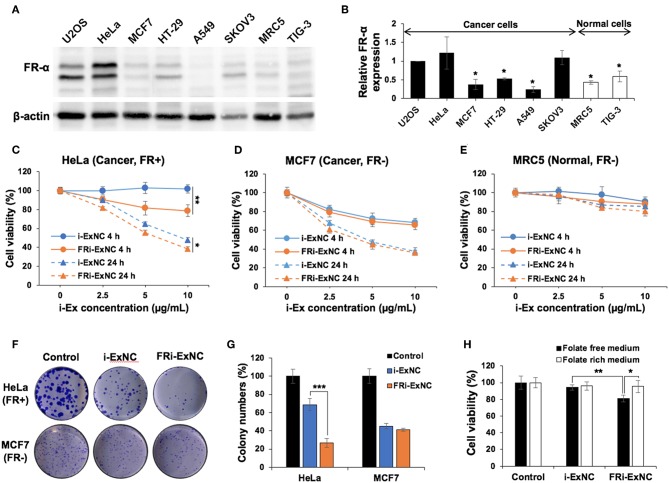
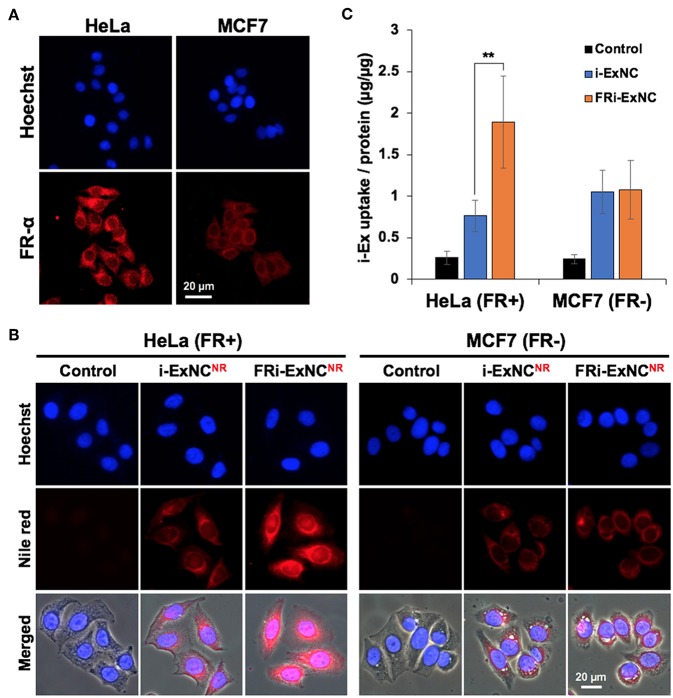
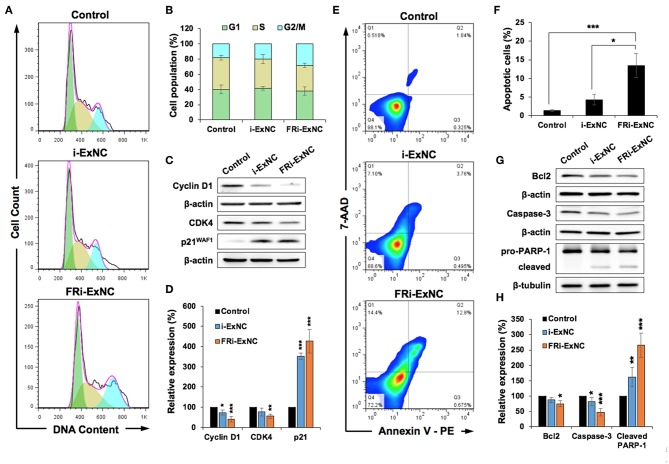
Nanomedicine holds great potential for drug delivery to achieve more effective and safer cancer treatment. Earlier, we reported that the alcoholic extract of leaves (i-Extract) has selective cancer cell killing activity. Herein, we developed a folate receptor-targeting i-Extract nanocomplex (FRi-ExNC) that suspends well in water and possesses enhanced selective anticancer activity in both and assays. Comparative analyses of folate receptor (FR)-positive and -negative cells revealed that FRi-ExNC caused a stronger decrease in Cyclin D/Cdk4 and anti-apoptotic protein Bcl-2, as well as a higher increase in the growth arrest regulating protein p21 and pro-apoptotic protein PARP-1, in FR-enriched cancer cells. Our results demonstrate that FRi-ExNC could be a natural source-based nanomedicine for targeted cancer therapy.
纳米医学在药物递送方面具有巨大潜力,可实现更有效、更安全的癌症治疗。此前,我们报道过树叶的乙醇提取物(i-Extract)具有选择性癌细胞杀伤活性。在此,我们开发了一种叶酸受体靶向的i-Extract纳米复合物(FRi-ExNC),它在水中具有良好的悬浮性,并且在体外和体内实验中均具有增强的选择性抗癌活性。对叶酸受体(FR)阳性和阴性细胞的比较分析表明,在富含FR的癌细胞中,FRi-ExNC导致细胞周期蛋白D/细胞周期蛋白依赖性激酶4(Cyclin D/Cdk4)和抗凋亡蛋白Bcl-2的下降更为明显,同时生长停滞调节蛋白p21和促凋亡蛋白PARP-1的增加幅度更高。我们的结果表明,FRi-ExNC可能是一种基于天然来源的纳米药物,用于靶向癌症治疗。