Raklami Anas, Oufdou Khalid, Tahiri Abdel-Ilah, Mateos-Naranjo Enrique, Navarro-Torre Salvadora, Rodríguez-Llorente Ignacio D, Meddich Abdelilah, Redondo-Gómez Susana, Pajuelo Eloísa
Laboratory of Biology and Biotechnology of Microorganisms, Faculty of Sciences Semlalia, Cadi Ayyad University, PO Box 2390, Marrakech, Morocco.
Laboratory of Biotechnology and Plant Physiology, Faculty of Sciences Semlalia, Cadi Ayyad University, PO Box 2390, Marrakech, Morocco.
Microorganisms. 2019 Jul 22;7(7):212. doi: 10.3390/microorganisms7070212.
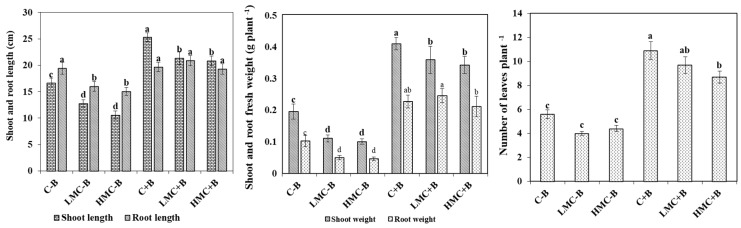
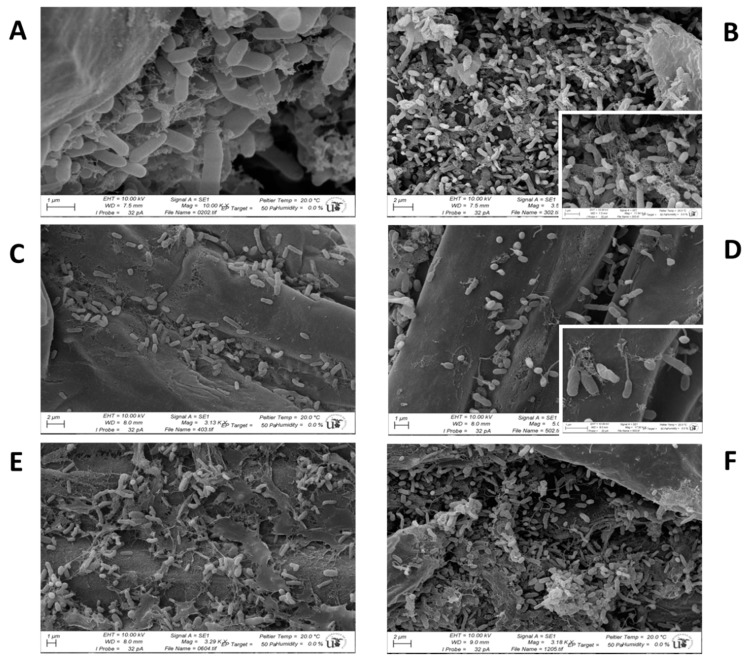
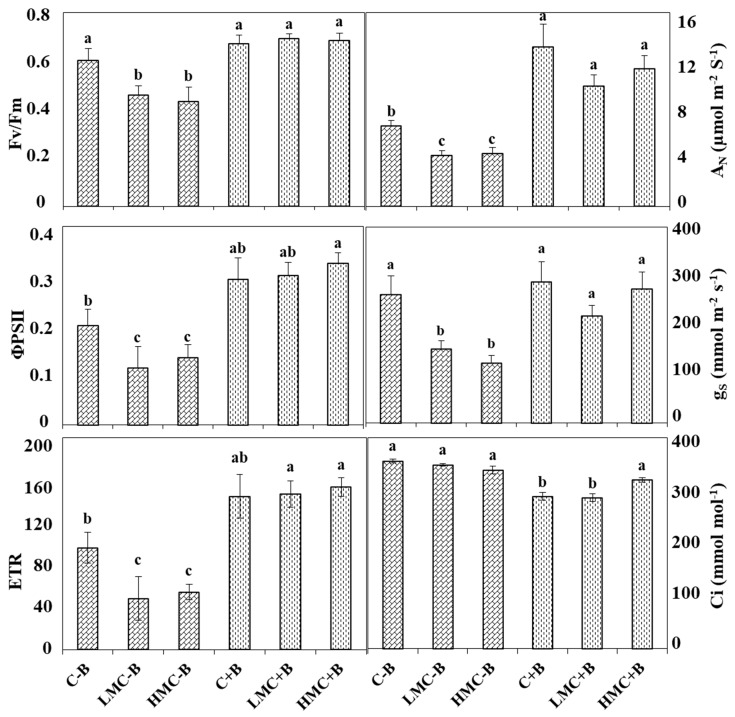
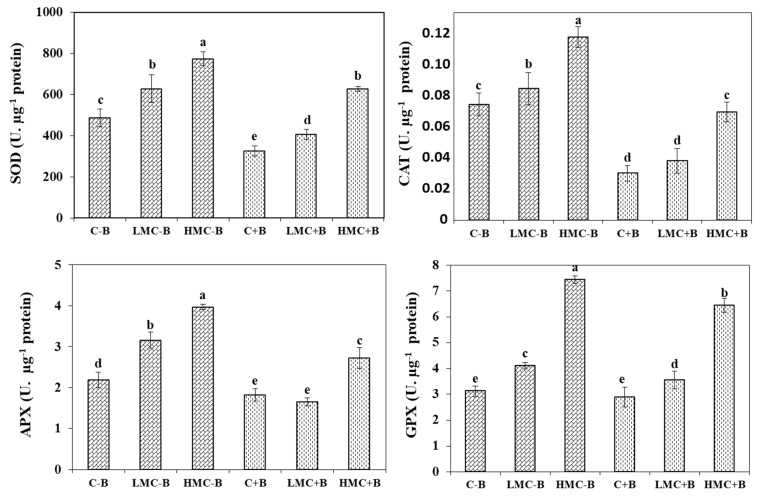
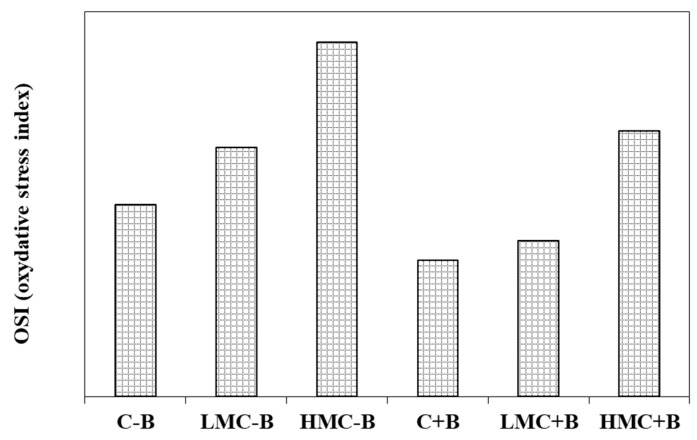
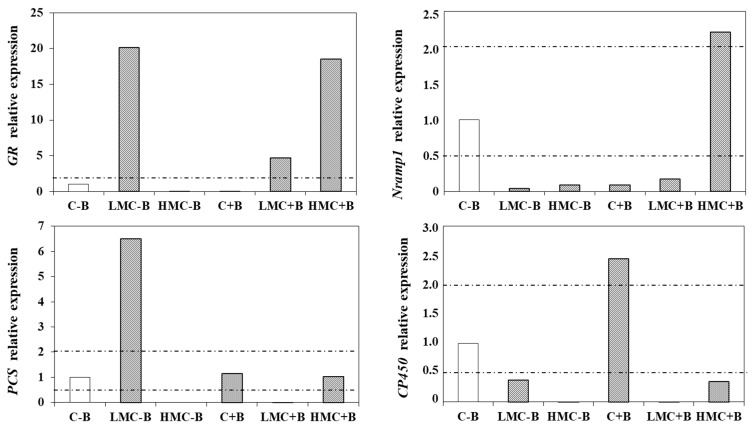
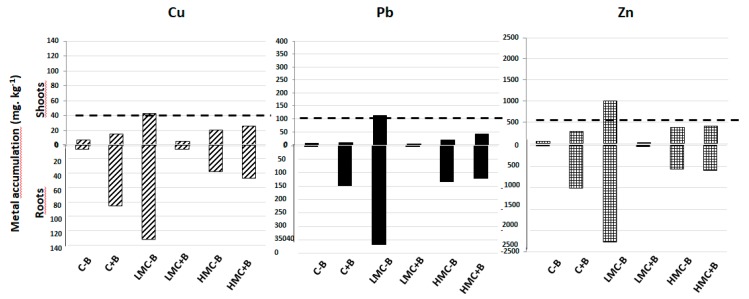
Soil contamination with heavy metals is a constraint for plant establishment and development for which phytoremediation may be a solution, since rhizobacteria may alleviate plant stress under these conditions. A greenhouse experiment was conducted to elucidate the effect of toxic metals on growth, the activities of ROS (reactive oxygen species)-scavenging enzymes, and gene expression of grown under different metal and/or inoculation treatments. The results showed that, besides reducing biomass, heavy metals negatively affected physiological parameters such as chlorophyll fluorescence and gas exchange, while increasing ROS-scavenging enzyme activities. Inoculation of with a bacterial consortium of heat- and metallo-resistant bacteria alleviated metal stress, as deduced from the improvement of growth, lower levels of antioxidant enzymes, and increased physiological parameters. The bacteria were able to effectively colonize and form biofilms onto the roots of plants cultivated in the presence of metals, as observed by scanning electron microscopy. Results also evidenced the important role of glutathione reductase (), phytochelatin synthase (), and metal transporter genes as pathways for metal stress management, whereas the gene coding for cytochrome P450 () seemed to be regulated by the presence of the bacteria. These outcomes showed that the interaction of metal-resistant rhizobacteria/legumes can be used as an instrument to remediate metal-contaminated soils, while cultivation of inoculated legumes on these soils is still safe for animal grazing, since inoculation with bacteria diminished the concentrations of heavy metals accumulated in the aboveground parts of the plants to below toxic levels.
土壤重金属污染是植物定植和生长的一个限制因素,而植物修复可能是一种解决办法,因为根际细菌可以在这些条件下缓解植物胁迫。开展了一项温室试验,以阐明有毒金属对不同金属和/或接种处理下生长的植物的生长、活性氧(ROS)清除酶活性及基因表达的影响。结果表明,重金属除了降低生物量外,还对叶绿素荧光和气体交换等生理参数产生负面影响,同时增加ROS清除酶活性。从生长改善、抗氧化酶水平降低及生理参数增加可推断,用耐热和耐金属细菌的细菌联合体对接种植物进行接种可缓解金属胁迫。通过扫描电子显微镜观察发现,这些细菌能够有效地在金属存在条件下种植的植物根系上定殖并形成生物膜。结果还证明了谷胱甘肽还原酶(GR)、植物螯合肽合成酶(PCS)和金属转运蛋白基因作为金属胁迫管理途径的重要作用,而编码细胞色素P450(CYP)的基因似乎受细菌存在的调控。这些结果表明,耐金属根际细菌/豆科植物的相互作用可作为修复金属污染土壤的一种手段,而在这些土壤上种植接种过细菌的豆科植物对动物放牧仍然是安全的,因为接种细菌可将植物地上部分积累的重金属浓度降低到毒性水平以下。