Department of Biology, Duke University, Durham, USA.
Department of Molecular Genetics and Microbiology, Duke University Medical Center, Durham, USA.
BMC Genomics. 2019 Jul 23;20(1):605. doi: 10.1186/s12864-019-5629-x.
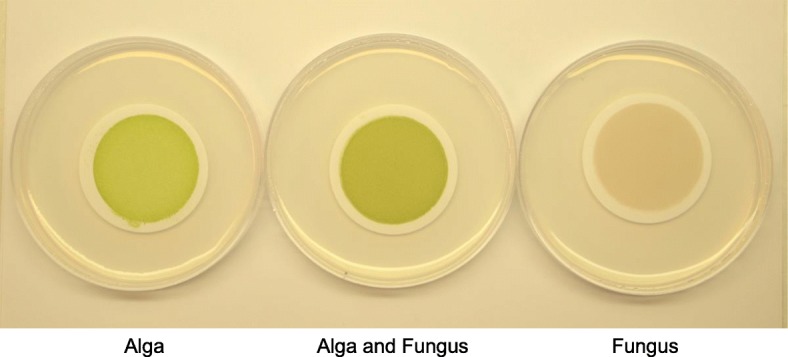
Lichens, encompassing 20,000 known species, are symbioses between specialized fungi (mycobionts), mostly ascomycetes, and unicellular green algae or cyanobacteria (photobionts). Here we describe the first parallel genomic analysis of the mycobiont Cladonia grayi and of its green algal photobiont Asterochloris glomerata. We focus on genes/predicted proteins of potential symbiotic significance, sought by surveying proteins differentially activated during early stages of mycobiont and photobiont interaction in coculture, expanded or contracted protein families, and proteins with differential rates of evolution.
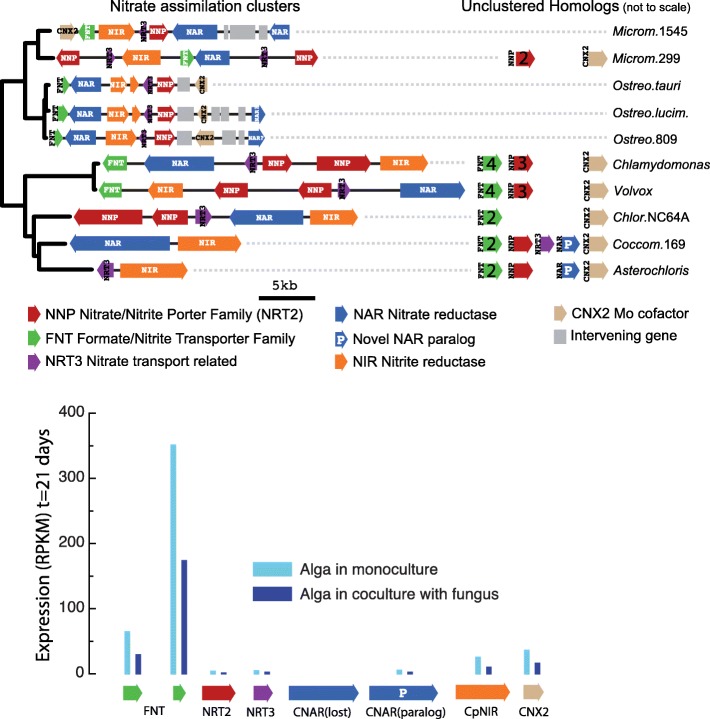
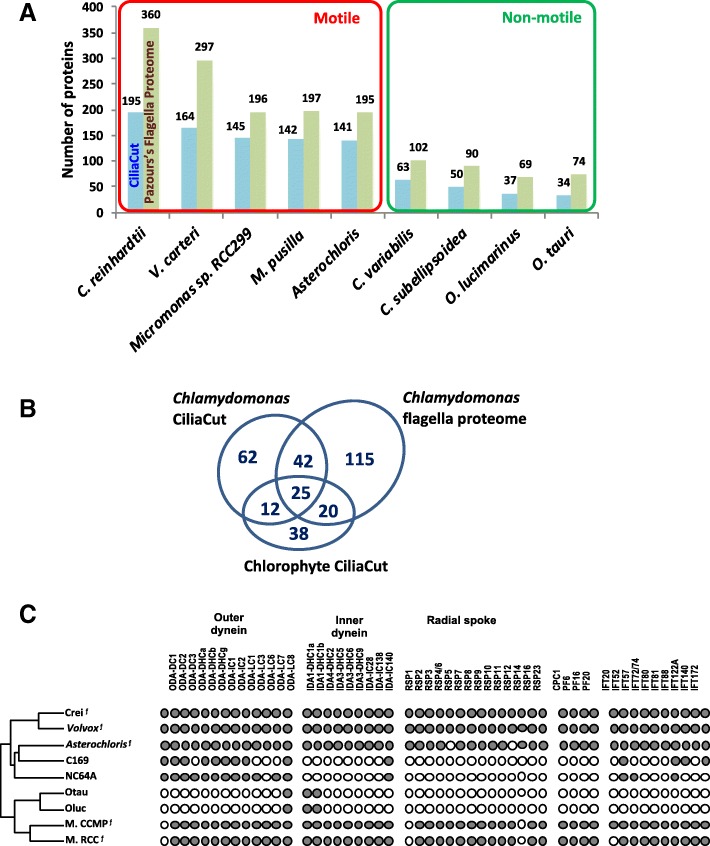
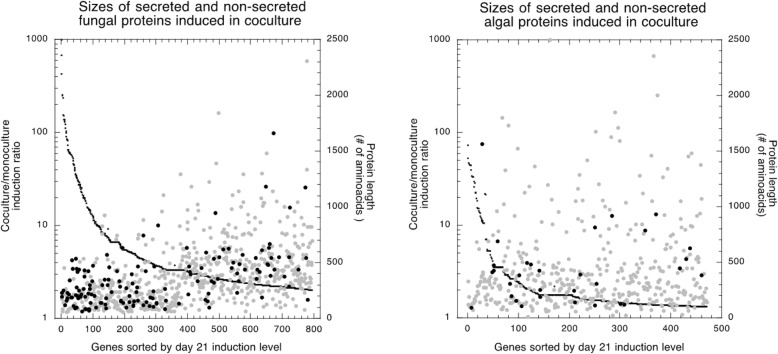
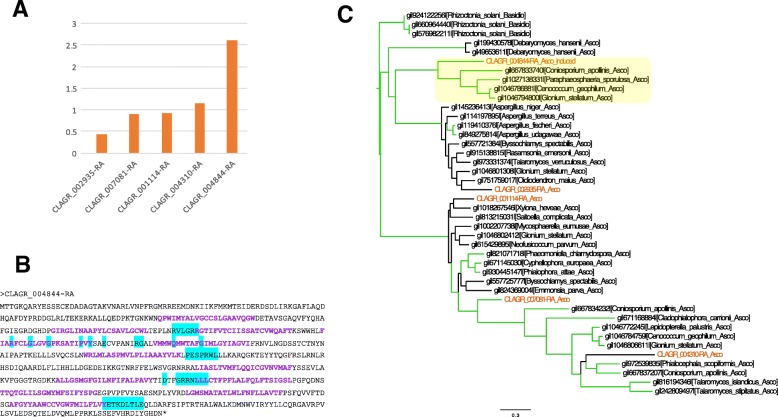
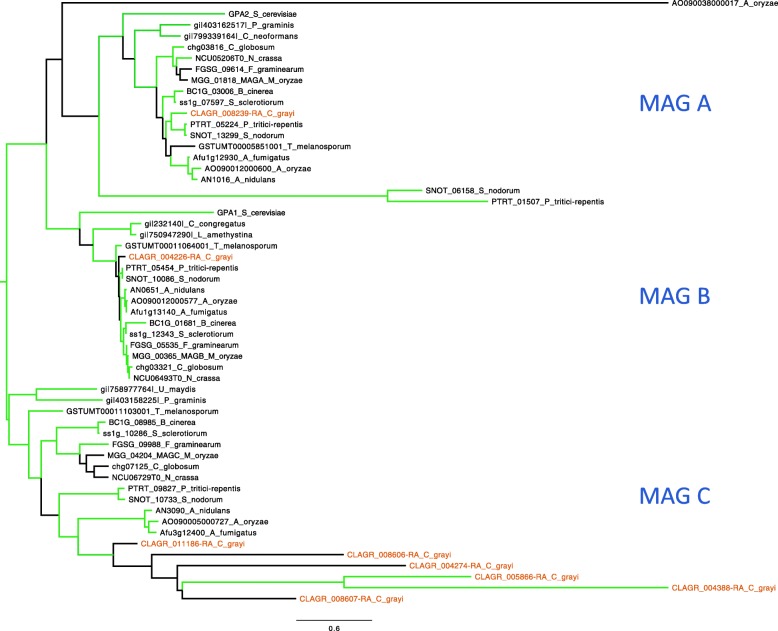
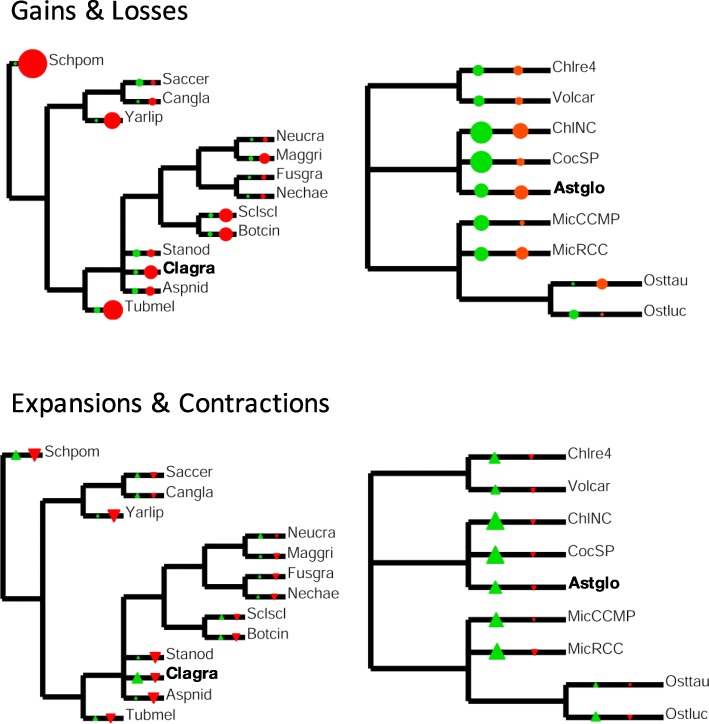
A) In coculture, the fungus upregulated small secreted proteins, membrane transport proteins, signal transduction components, extracellular hydrolases and, notably, a ribitol transporter and an ammonium transporter, and the alga activated DNA metabolism, signal transduction, and expression of flagellar components. B) Expanded fungal protein families include heterokaryon incompatibility proteins, polyketide synthases, and a unique set of G-protein α subunit paralogs. Expanded algal protein families include carbohydrate active enzymes and a specific subclass of cytoplasmic carbonic anhydrases. The alga also appears to have acquired by horizontal gene transfer from prokaryotes novel archaeal ATPases and Desiccation-Related Proteins. Expanded in both symbionts are signal transduction components, ankyrin domain proteins and transcription factors involved in chromatin remodeling and stress responses. The fungal transportome is contracted, as are algal nitrate assimilation genes. C) In the mycobiont, slow-evolving proteins were enriched for components involved in protein translation, translocation and sorting.
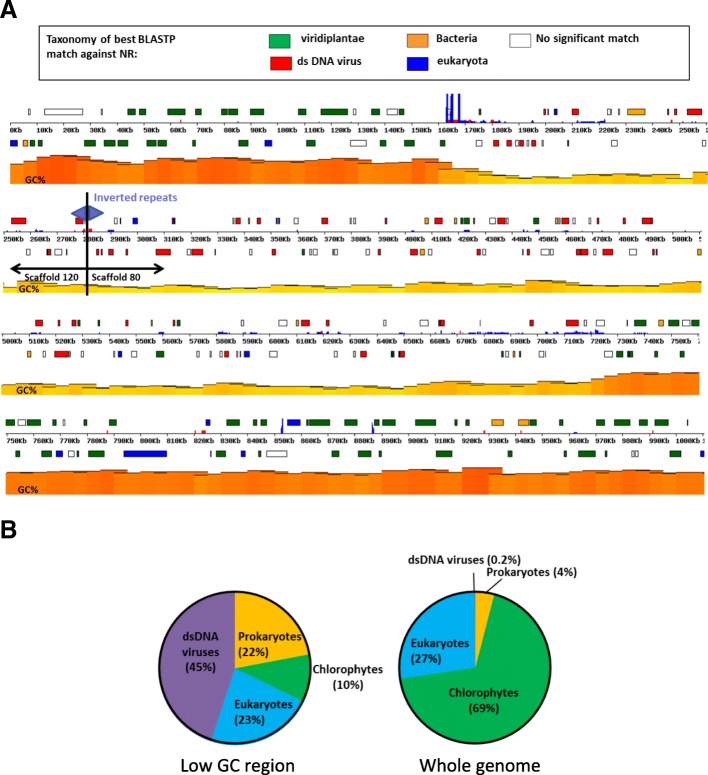
The surveyed genes affect stress resistance, signaling, genome reprogramming, nutritional and structural interactions. The alga carries many genes likely transferred horizontally through viruses, yet we found no evidence of inter-symbiont gene transfer. The presence in the photobiont of meiosis-specific genes supports the notion that sexual reproduction occurs in Asterochloris while they are free-living, a phenomenon with implications for the adaptability of lichens and the persistent autonomy of the symbionts. The diversity of the genes affecting the symbiosis suggests that lichens evolved by accretion of many scattered regulatory and structural changes rather than through introduction of a few key innovations. This predicts that paths to lichenization were variable in different phyla, which is consistent with the emerging consensus that ascolichens could have had a few independent origins.
地衣是由 20000 种已知物种组成的共生体,是专门真菌(菌)与单细胞绿藻或蓝藻(藻)之间的共生关系。在这里,我们描述了菌衣属真菌 Cladonia grayi 和其绿藻藻 Photobiont Asterococcus glomerata 的首次平行基因组分析。我们专注于通过调查共生菌和藻在共培养早期相互作用过程中差异激活的蛋白质,扩展或收缩的蛋白质家族,以及具有差异进化率的蛋白质来寻找具有潜在共生意义的基因/预测蛋白。
A)在共培养中,真菌上调了小分泌蛋白、膜转运蛋白、信号转导成分、细胞外水解酶,特别是糖醇转运蛋白和铵转运蛋白,而藻类则激活了 DNA 代谢、信号转导和鞭毛成分的表达。B)扩展的真菌蛋白家族包括异核体不亲和蛋白、聚酮合酶和一组独特的 G 蛋白α亚基同源物。扩展的藻类蛋白家族包括碳水化合物活性酶和一种特定的细胞质碳酸酐酶亚类。藻类似乎还通过水平基因转移从原核生物中获得了新的古菌 ATP 酶和干燥相关蛋白。信号转导成分、参与染色质重塑和应激反应的锚蛋白域蛋白和转录因子在共生体中都得到了扩展。真菌的转运体被收缩,藻类硝酸盐同化基因也是如此。C)在菌中,进化缓慢的蛋白质富含参与蛋白质翻译、易位和分类的成分。
调查的基因影响抗逆性、信号转导、基因组重编程、营养和结构相互作用。藻类携带许多可能通过病毒水平转移的基因,但我们没有发现共生体之间基因转移的证据。在 Photobiont 中发现减数分裂特异性基因支持这样一种观点,即有性生殖发生在 Asterococcus 自由生活时,这一现象对地衣的适应性和共生体的持续自主性有影响。影响共生关系的基因多样性表明,地衣是通过许多分散的调控和结构变化的积累而不是通过引入少数关键创新而进化的。这表明,在不同的门中,地衣化的途径是不同的,这与新兴的共识一致,即 ascolichens 可能有几个独立的起源。