Department of Biology and Rosenstiel Basic Medical Sciences Research Center, Brandeis University, Waltham, MA 02454, USA.
Department of Molecular Biology and Genetics, Weill Institute for Cell and Molecular Biology, Cornell University, Ithaca, NY 14853, USA.
Cell Rep. 2019 Jul 23;28(4):1090-1102.e3. doi: 10.1016/j.celrep.2019.06.068.
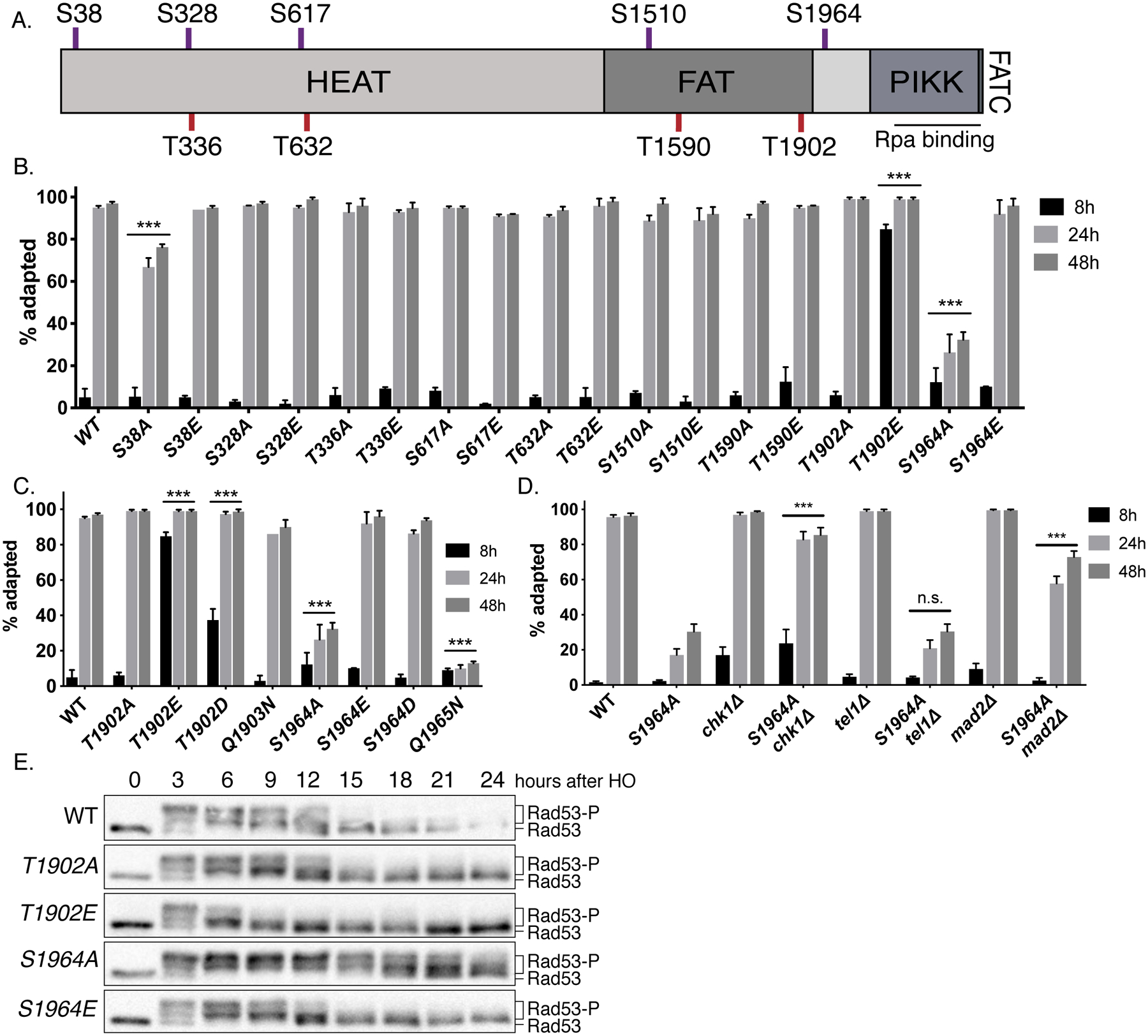
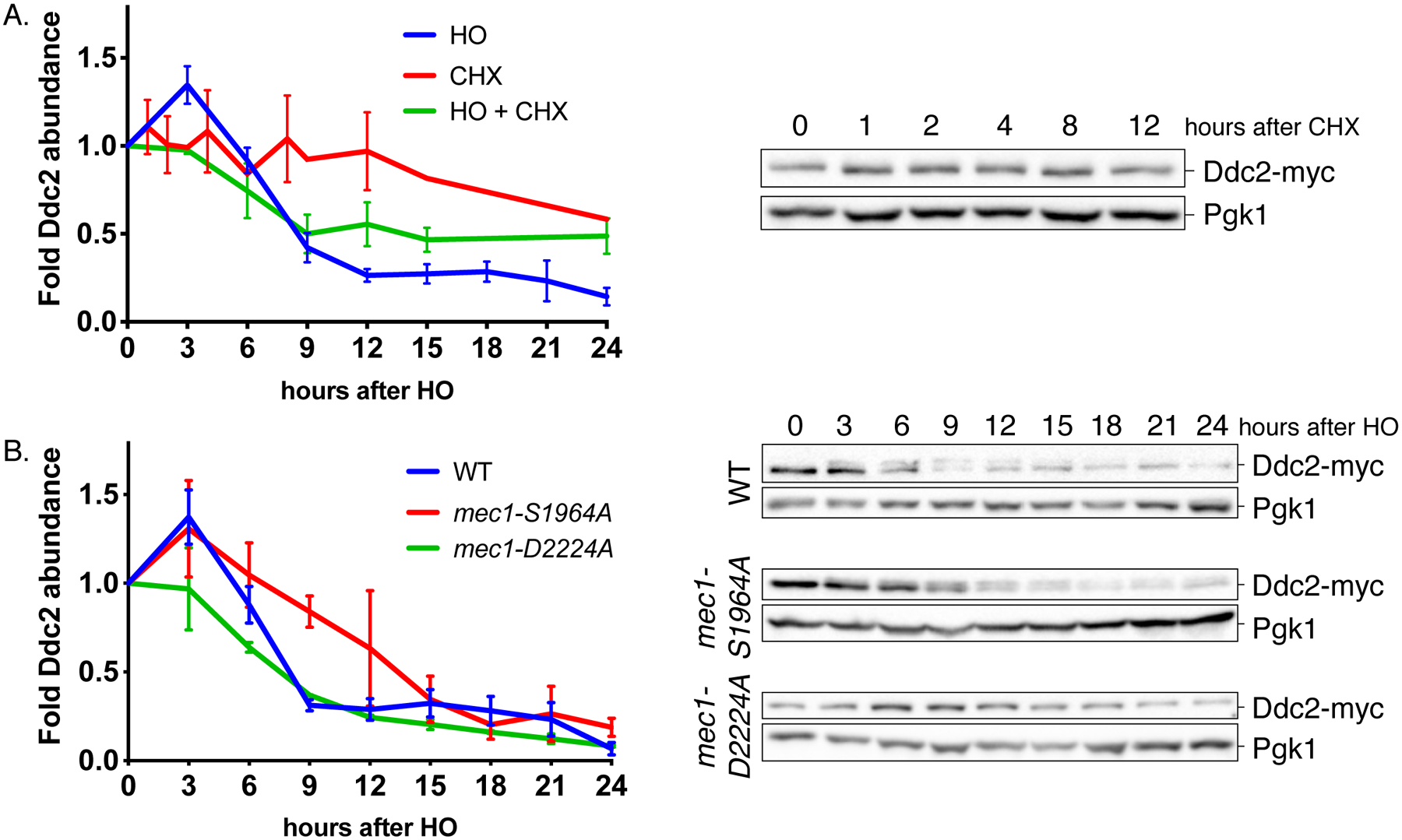
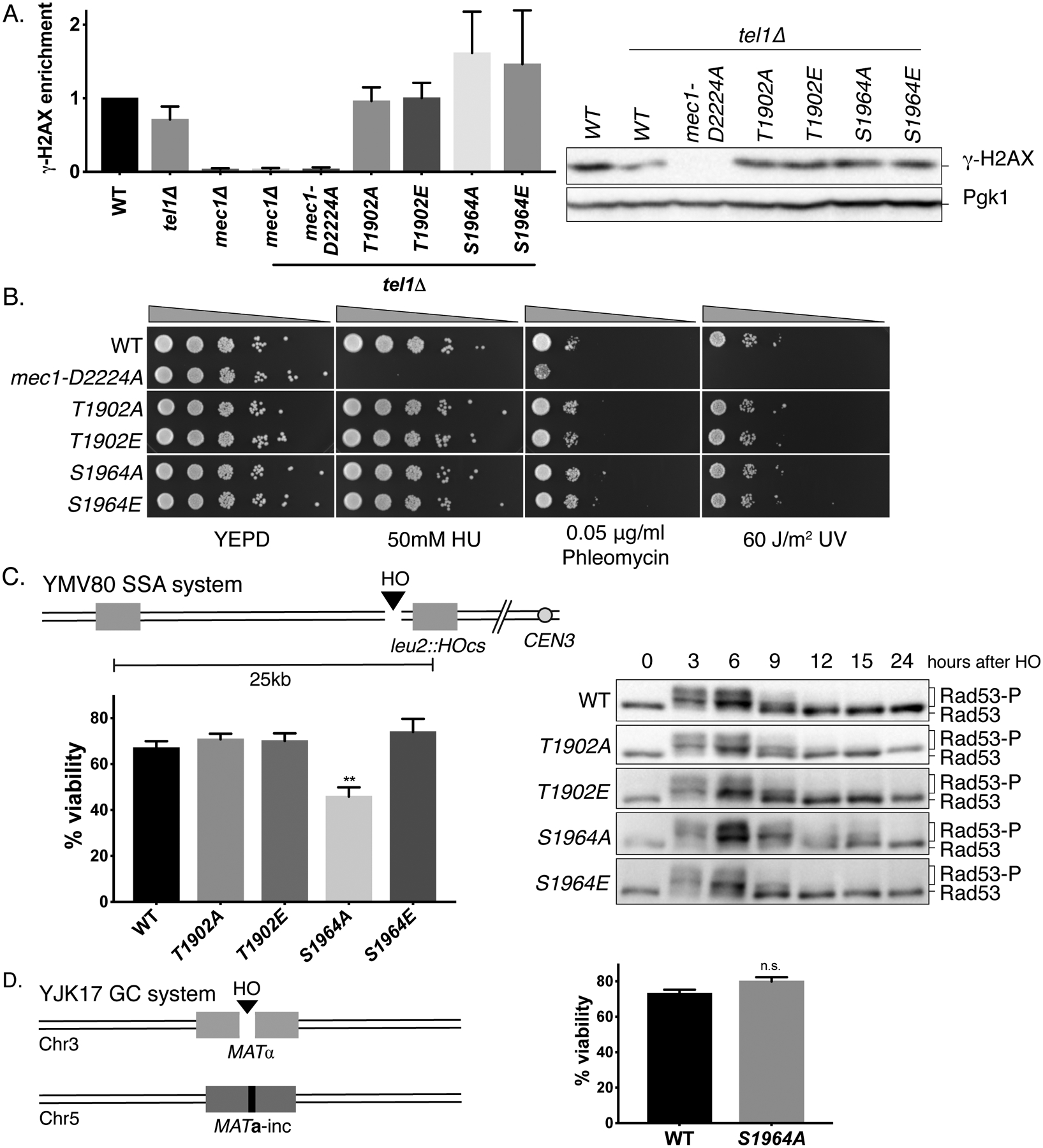
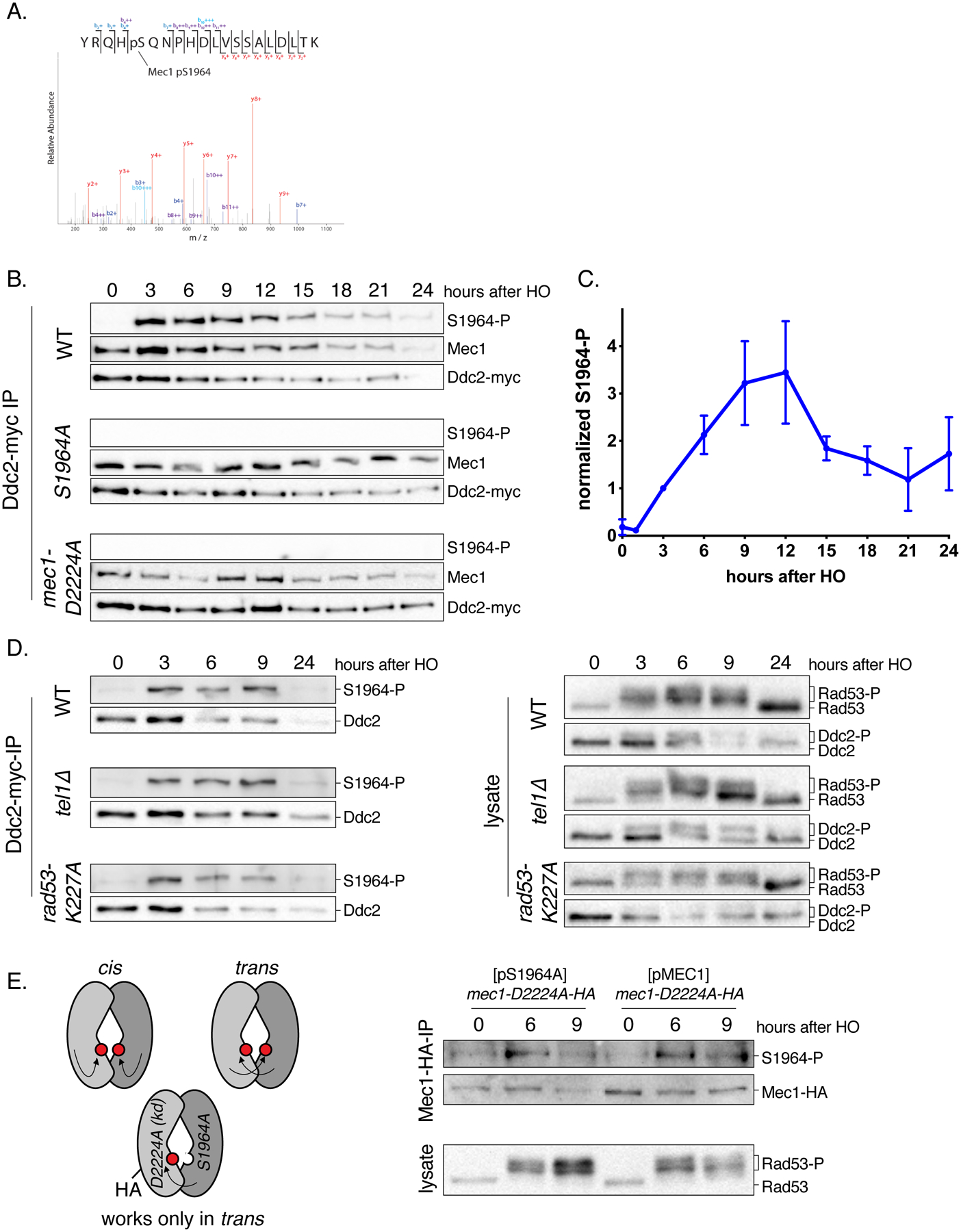
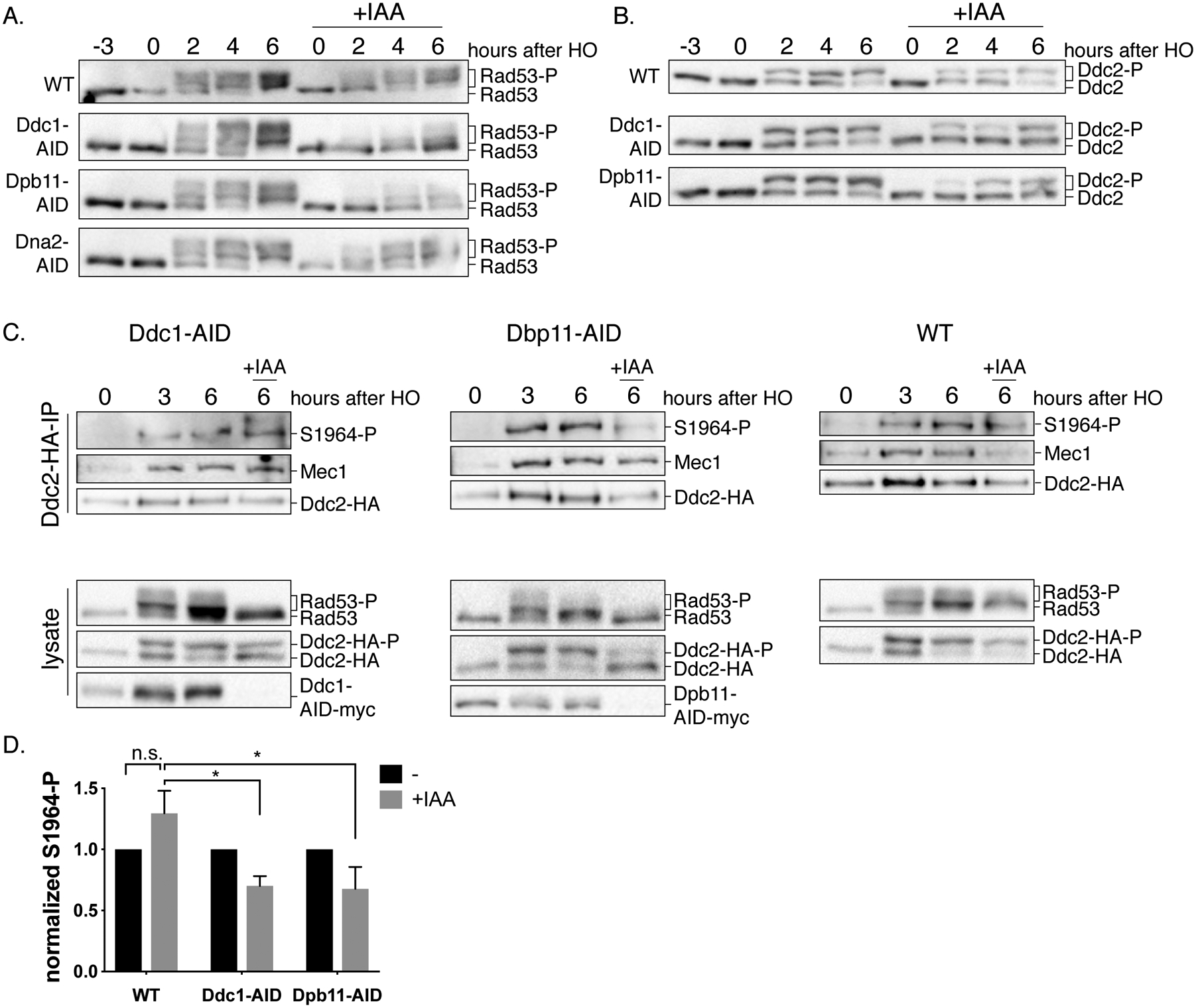
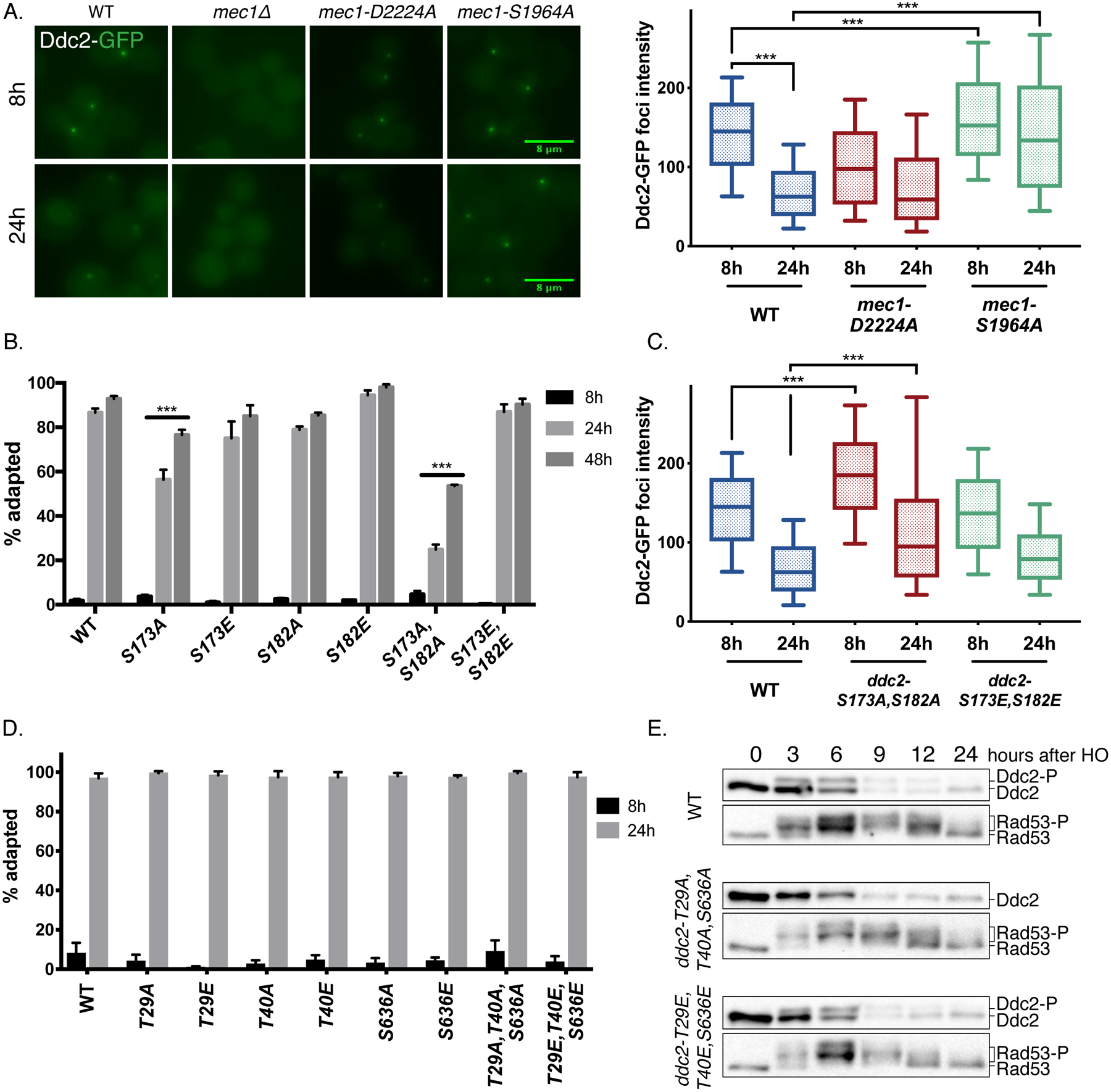
In budding yeast, a single DNA double-strand break (DSB) triggers the activation of Mec1-dependent DNA damage checkpoint. After about 12 h, cells turn off the checkpoint signaling and adapt despite the persistence of the DSB. We report that the adaptation involves the autophosphorylation of Mec1 at site S1964. A non-phosphorylatable mec1-S1964A mutant causes cells to arrest permanently in response to a single DSB without affecting the initial kinase activity of Mec1. Autophosphorylation of S1964 is dependent on Ddc1 and Dpb11, and it correlates with the timing of adaptation. We also report that Mec1's binding partner, Ddc2, is an inherently stable protein that is degraded specifically upon DNA damage. Ddc2 is regulated extensively through phosphorylation, which, in turn, regulates the localization of the Mec1-Ddc2 complex to DNA lesions. Taken together, these results suggest that checkpoint response is regulated through the autophosphorylation of Mec1 kinase and through the changes in Ddc2 abundance and phosphorylation.
在芽殖酵母中,单个 DNA 双链断裂 (DSB) 触发依赖于 Mec1 的 DNA 损伤检查点的激活。大约 12 小时后,尽管 DSB 持续存在,细胞仍会关闭检查点信号并适应。我们报告说,这种适应涉及 Mec1 在 S1964 位点的自动磷酸化。一个不可磷酸化的 mec1-S1964A 突变体导致细胞在没有影响 Mec1 初始激酶活性的情况下,对单个 DSB 永久停滞。S1964 的自动磷酸化依赖于 Ddc1 和 Dpb11,并且与适应的时间相关。我们还报告说,Mec1 的结合伴侣 Ddc2 是一种固有稳定的蛋白质,仅在 DNA 损伤时特异性降解。Ddc2 通过磷酸化广泛调节,磷酸化反过来又调节 Mec1-Ddc2 复合物到 DNA 损伤的定位。总之,这些结果表明检查点反应是通过 Mec1 激酶的自动磷酸化以及 Ddc2 丰度和磷酸化的变化来调节的。