Institute of Vegetables and Flowers, Chinese Academy of Agriculture Sciences, Beijing 100081, China.
Beijing Key Laboratory of Growth and Developmental Regulation for Protected Vegetable Crops, College of Horticulture, China Agricultural University, Beijing 100193, China.
Int J Mol Sci. 2019 Jul 23;20(14):3592. doi: 10.3390/ijms20143592.
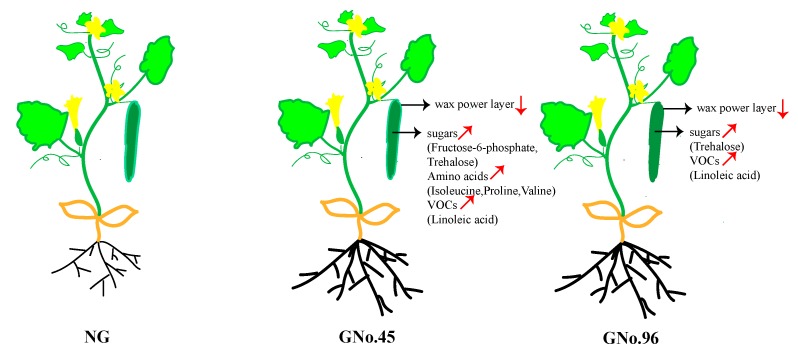
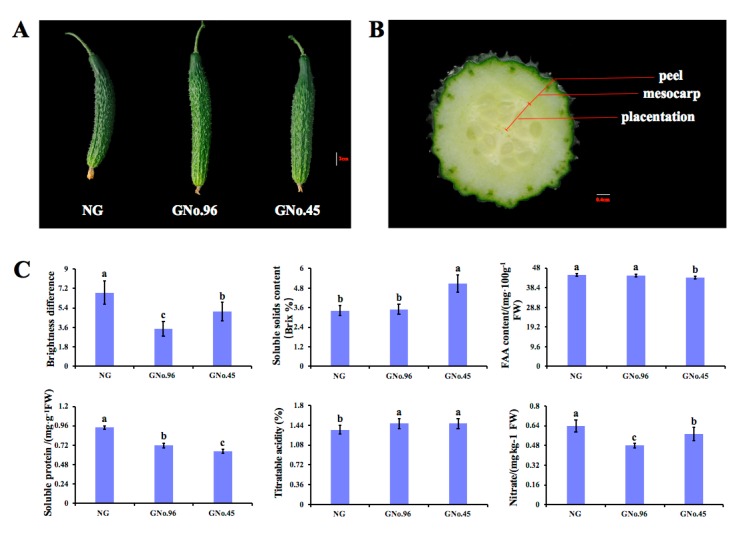
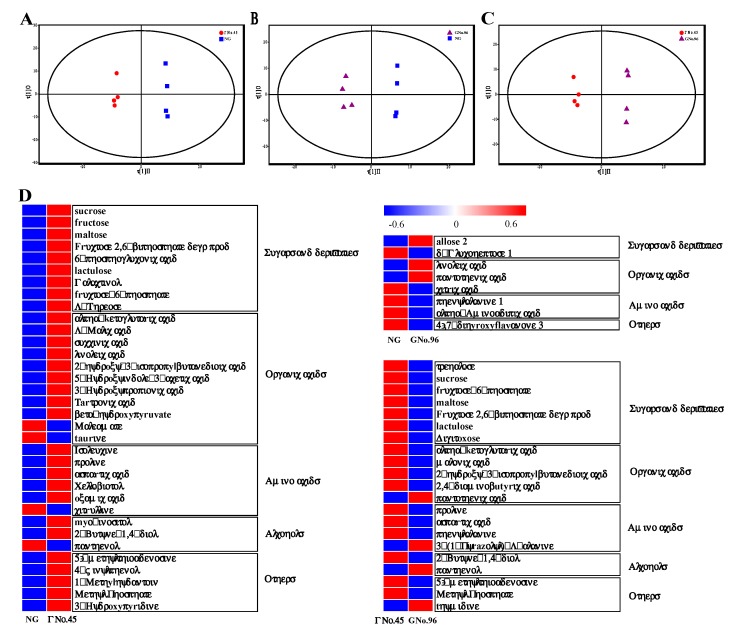
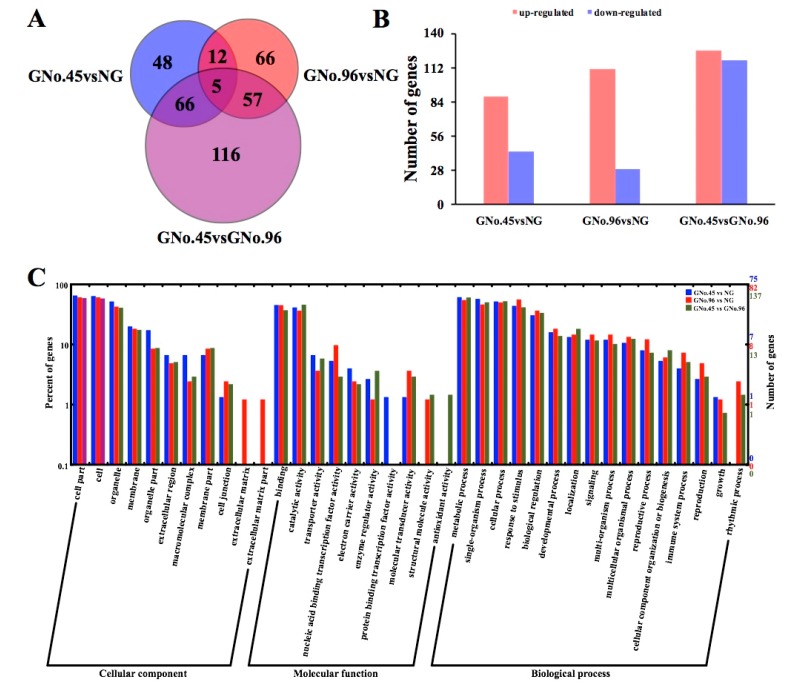
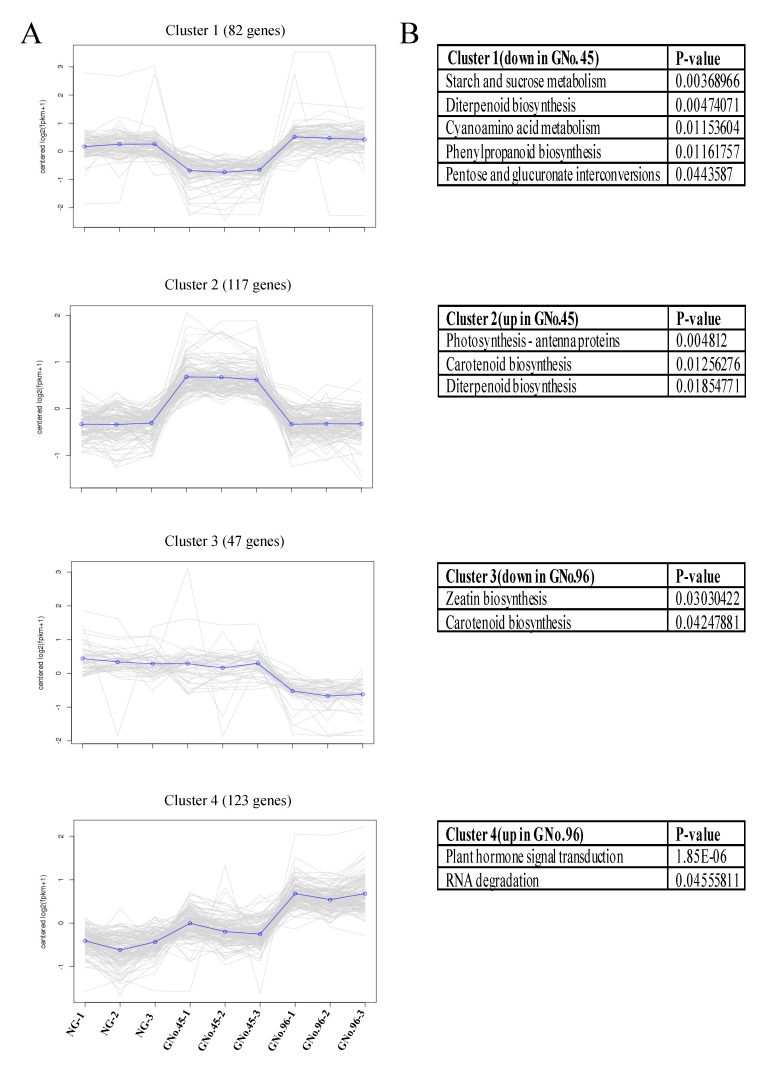
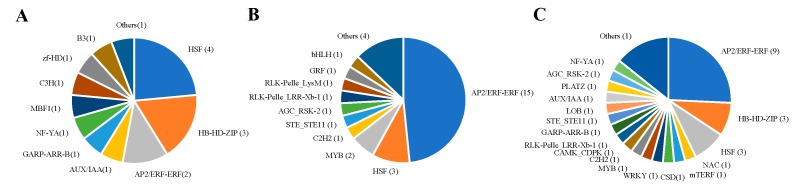
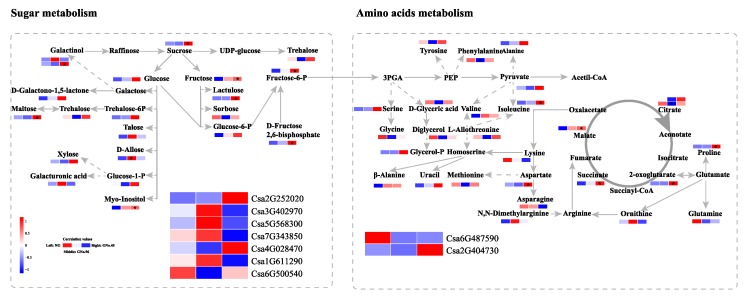
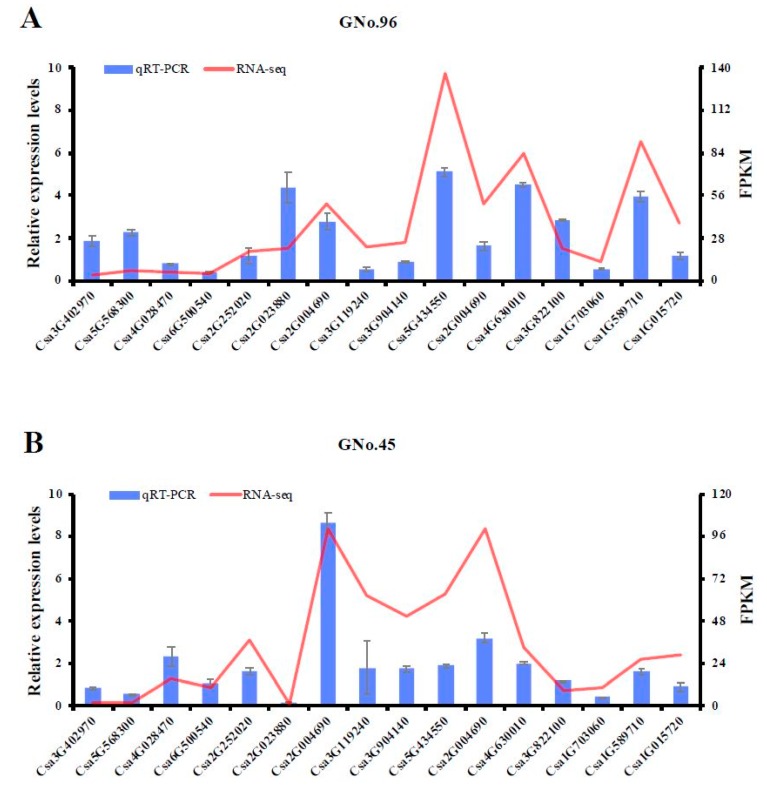
Rootstocks frequently exert detrimental effects on the fruit quality of grafted cucumber ( L.) plants. To understand and ultimately correct this deficiency, a transcriptomic and metabolomic comparative analysis was performed among cucumber fruits from non-grafted plants (NG), and fruits from plants grafted onto different rootstocks of No.96 and No.45 ( Duch), known to confer a different aroma and taste. We found remarkable changes in the primary metabolites of sugars, organic acids, amino acids, and alcohols in the fruit of the grafted cucumber plants with different rootstocks, compared to the non-grafted ones, especially No.45. We identified 140, 131, and 244 differentially expressed genes (DEGs) in the comparisons of GNo.96 vs. NG, GNo.45 vs. NG, and GNo.45 vs. GNo.96. The identified DEGs have functions involved in many metabolic processes, such as starch and sucrose metabolism; the biosynthesis of diterpenoid, carotenoid, and zeatin compounds; and plant hormone signal transduction. Members of the HSF, AP2/ERF-ERF, HB-HD-ZIP, and MYB transcription factor families were triggered in the grafted cucumbers, especially in the cucumber grafted on No.96. Based on a correlation analysis of the relationships between the metabolites and genes, we screened 10 candidate genes likely to be involved in sugar metabolism (Fructose-6-phosphate and trehalose), linoleic acid, and amino-acid (isoleucine, proline, and valine) biosynthesis in grafted cucumbers, and then confirmed the gene expression patterns of these genes by qRT-PCR. The levels of (Csa3G040850) were remarkably increased in cucumber fruit with No.96 rootstock compared with No.45, suggesting changes in the volatile chemical production. Together, the results of this study improve our understanding of flavor changes in grafted cucumbers, and identify the candidate genes involved in this process.
砧木常对嫁接黄瓜(L.)果实的品质产生不利影响。为了理解并最终纠正这一缺陷,我们对非嫁接植株(NG)和嫁接在 96 号和 45 号(Duch)不同砧木上的黄瓜果实进行了转录组和代谢组比较分析,这两种砧木赋予了果实不同的香气和口感。我们发现,与非嫁接植株相比,嫁接在不同砧木上的黄瓜果实的主要代谢物,如糖、有机酸、氨基酸和醇,发生了显著变化,尤其是 45 号砧木。我们在 GNo.96 与 NG、GNo.45 与 NG 以及 GNo.45 与 GNo.96 的比较中分别鉴定出 140、131 和 244 个差异表达基因(DEGs)。鉴定出的 DEGs 具有参与许多代谢过程的功能,如淀粉和蔗糖代谢;二萜、类胡萝卜素和玉米素化合物的生物合成;以及植物激素信号转导。HSF、AP2/ERF-ERF、HB-HD-ZIP 和 MYB 转录因子家族的成员在嫁接黄瓜中被触发,尤其是在嫁接在 96 号砧木上的黄瓜中。基于代谢物和基因之间关系的相关性分析,我们筛选出 10 个可能参与嫁接黄瓜中糖代谢(果糖-6-磷酸和海藻糖)、亚油酸和氨基酸(异亮氨酸、脯氨酸和缬氨酸)生物合成的候选基因,然后通过 qRT-PCR 验证了这些基因的表达模式。与 45 号砧木相比,96 号砧木嫁接的黄瓜果实中(Csa3G040850)的水平显著升高,表明挥发性化学物质的产生发生了变化。总之,本研究结果提高了我们对嫁接黄瓜风味变化的认识,并鉴定了参与这一过程的候选基因。