Akturk Ergun, Oliveira Hugo, Santos Sílvio B, Costa Susana, Kuyumcu Suleyman, Melo Luís D R, Azeredo Joana
LIBRO-Laboratório de Investigação em Biofilmes Rosário Oliveira, Centre of Biological Engineering, University of Minho, Campus de Gualtar, 4700-057 Braga, Portugal.
Department of Medical Genetics, Medical Faculty, Sifa University, 35535 Izmir, Turkey.
Antibiotics (Basel). 2019 Jul 25;8(3):103. doi: 10.3390/antibiotics8030103.
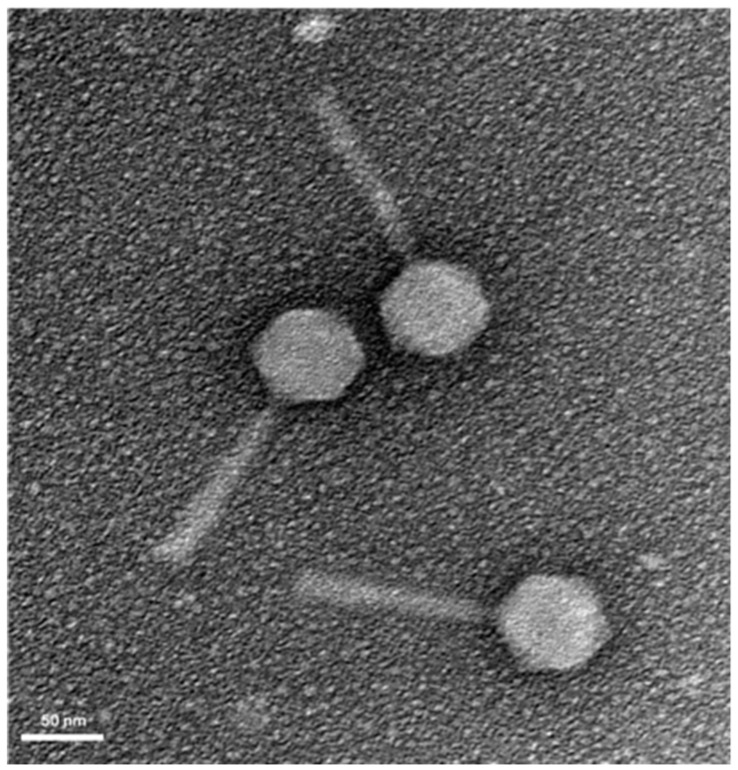
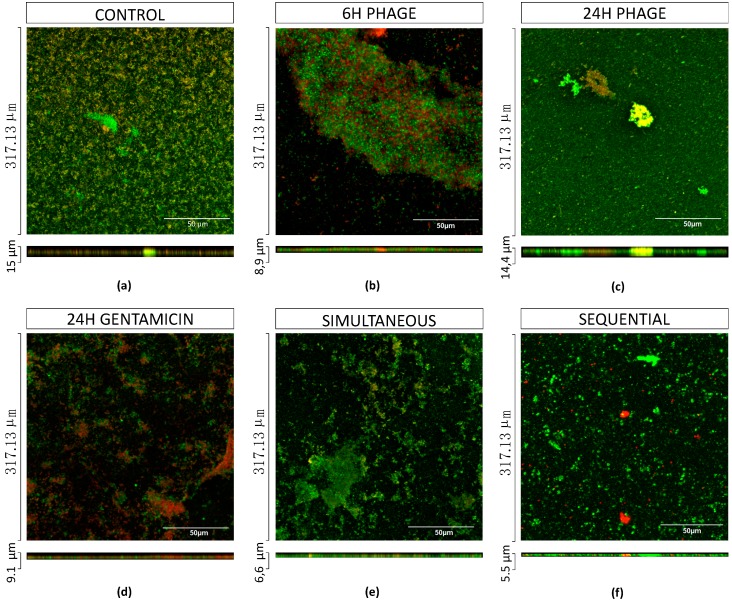
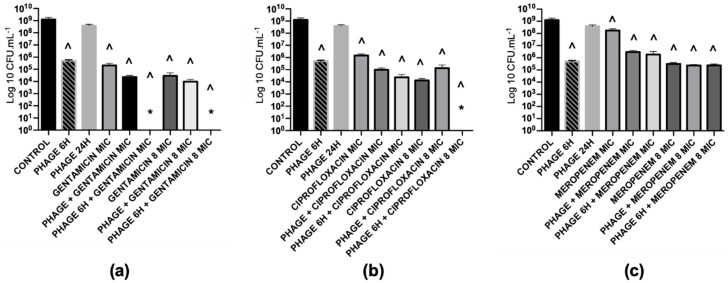
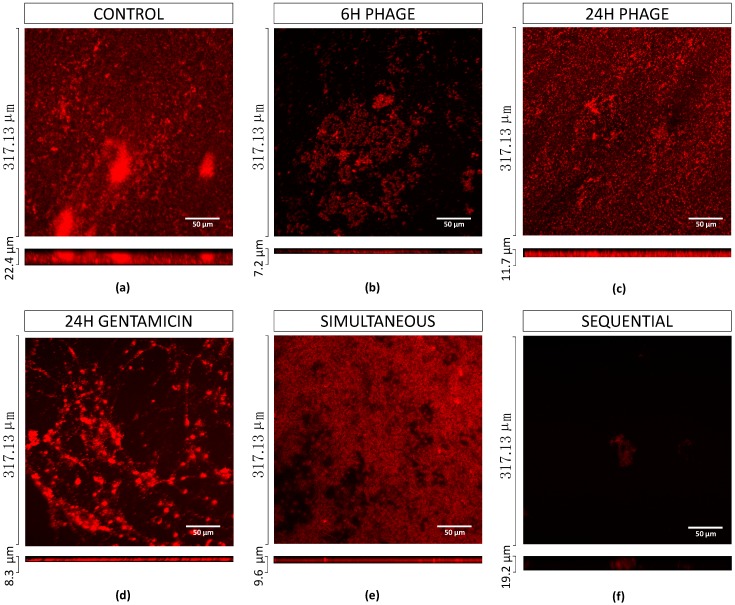
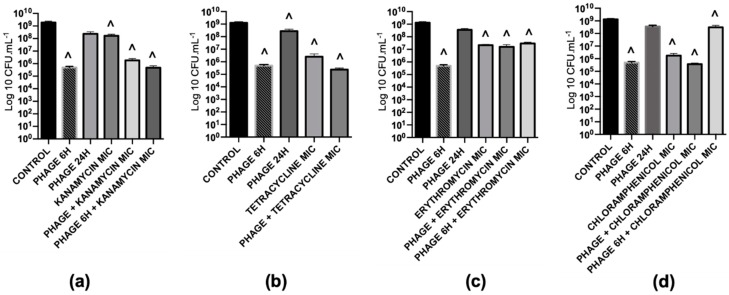
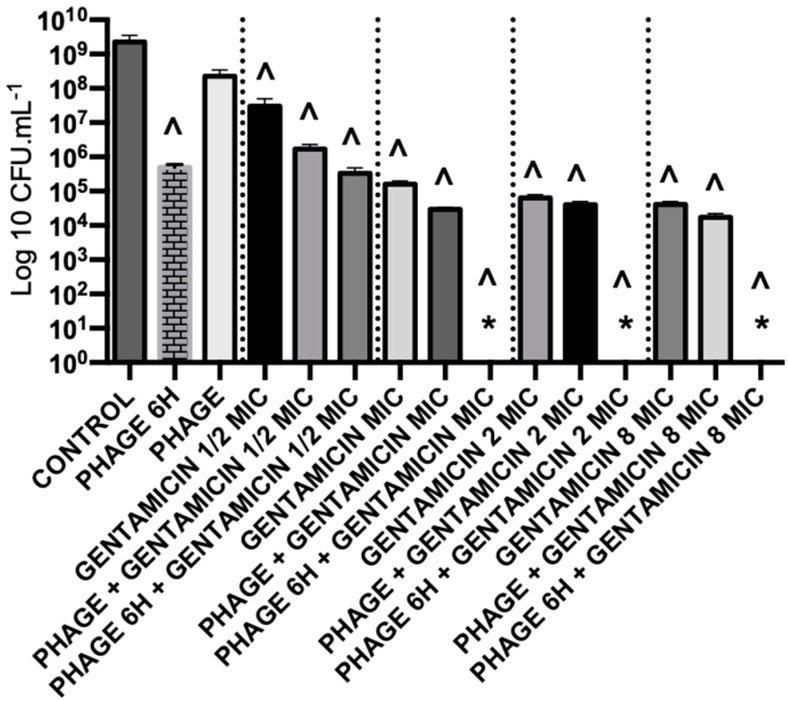
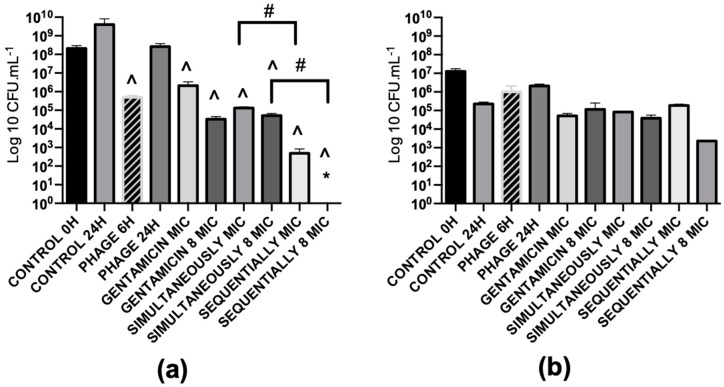
and are opportunistic pathogens and are commonly found in polymicrobial biofilm-associated diseases, namely chronic wounds. Their co-existence in a biofilm contributes to an increased tolerance of the biofilm to antibiotics. Combined treatments of bacteriophages and antibiotics have shown a promising antibiofilm activity, due to the profound differences in their mechanisms of action. In this study, 48 h old mono and dual-species biofilms were treated with a newly isolated infecting phage (EPA1) and seven different antibiotics (gentamicin, kanamycin, tetracycline, chloramphenicol, erythromycin, ciprofloxacin, and meropenem), alone and in simultaneous or sequential combinations. The therapeutic efficacy of the tested antimicrobials was determined. Phage or antibiotics alone had a modest effect in reducing biofilm bacteria. However, when applied simultaneously, a profound improvement in the killing effect was observed. Moreover, an impressive biofilm reduction (below the detection limit) was observed when gentamicin or ciprofloxacin were added sequentially after 6 h of phage treatment. The effect observed does not depend on the type of antibiotic but is influenced by its concentration. Moreover, in dual-species biofilms it was necessary to increase gentamicin concentration to obtain a similar killing effect as occurs in mono-species. Overall, combining phages with antibiotics can be synergistic in reducing the bacterial density in biofilms. However, the concentration of antibiotic and the time of antibiotic application are essential factors that need to be considered in the combined treatments.
[具体细菌名称1]和[具体细菌名称2]是机会致病菌,常见于多微生物生物膜相关疾病,即慢性伤口中。它们在生物膜中的共存导致生物膜对抗生素的耐受性增加。由于噬菌体和抗生素的作用机制存在显著差异,噬菌体与抗生素的联合治疗已显示出有前景的抗生物膜活性。在本研究中,用一种新分离的感染噬菌体(EPA1)和七种不同的抗生素(庆大霉素、卡那霉素、四环素、氯霉素、红霉素、环丙沙星和美罗培南)单独以及同时或序贯联合处理48小时龄的单菌种和双菌种生物膜。测定了所测试抗菌剂的治疗效果。单独使用噬菌体或抗生素对减少生物膜细菌的效果有限。然而,当同时应用时,观察到杀菌效果有显著改善。此外,在噬菌体处理6小时后序贯添加庆大霉素或环丙沙星时,观察到生物膜有显著减少(低于检测限)。观察到的效果不取决于抗生素的类型,而是受其浓度影响。此外,在双菌种生物膜中,有必要提高庆大霉素浓度以获得与单菌种生物膜中类似的杀菌效果。总体而言,噬菌体与抗生素联合在降低生物膜中的细菌密度方面可能具有协同作用。然而,抗生素的浓度和应用时间是联合治疗中需要考虑的关键因素。