Djokic Vitomir, Akoolo Lavoisier, Primus Shekerah, Schlachter Samantha, Kelly Kathleen, Bhanot Purnima, Parveen Nikhat
Department of Microbiology, Biochemistry and Molecular Genetics, Rutgers New Jersey Medical School, Newark, NJ, United States.
Biomedical Sciences, Cornell University College of Veterinary Medicine, Ithaca, NY, United States.
Front Microbiol. 2019 Jul 10;10:1596. doi: 10.3389/fmicb.2019.01596. eCollection 2019.
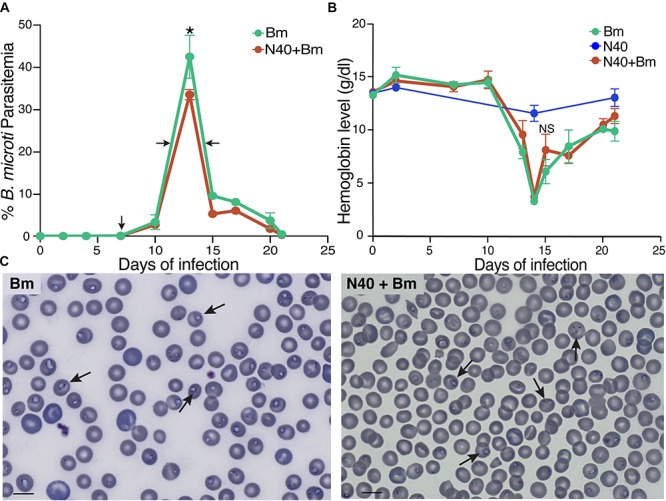
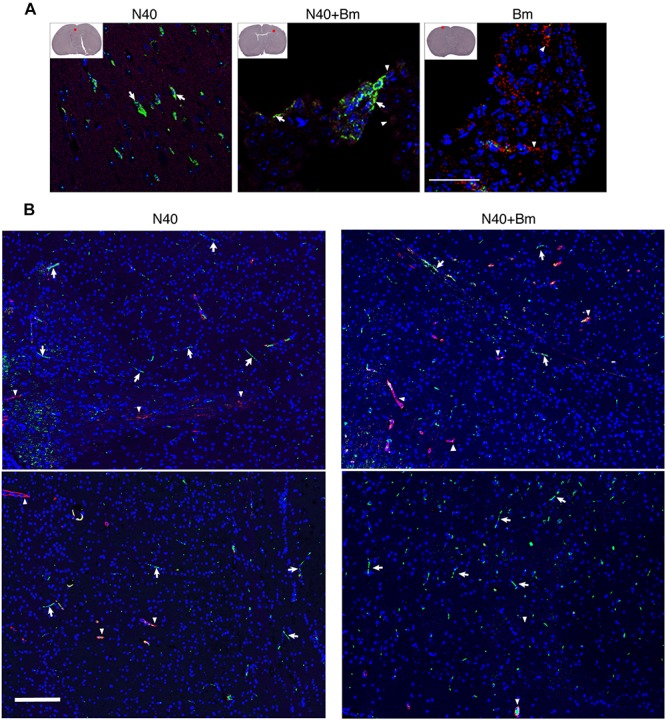
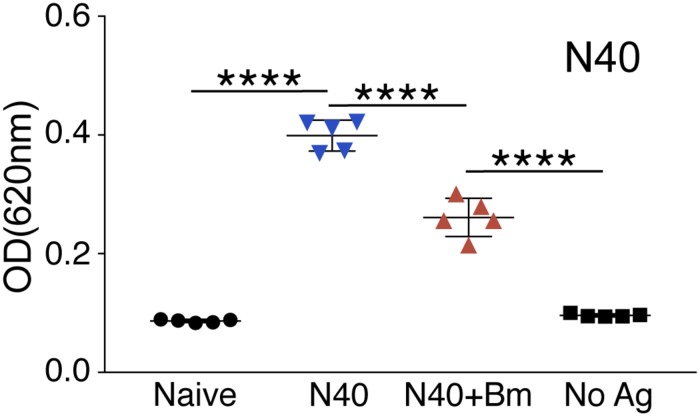
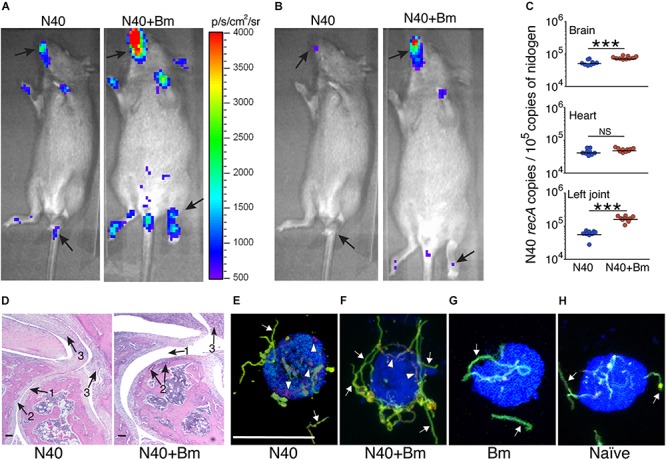
Lyme disease is the most prominent tick-borne disease in the United States. Co-infections with the tick-transmitted pathogens and sensu stricto are becoming a serious health problem. is an extracellular spirochete that causes Lyme disease while is a protozoan that infects erythrocytes and causes babesiosis. Testing of donated blood for species is not currently mandatory due to unavailability of an FDA approved test. Transmission of this protozoan by blood transfusion often results in high morbidity and mortality in recipients. Infection of C3H/HeJ mice with and individually results in inflammatory Lyme disease and display of human babesiosis-like symptoms, respectively. Here we use this mouse model to provide a detailed investigation of the reciprocal influence of the two pathogens on each other during co-infection. We show that infection attenuates parasitemia in mice while subverts the splenic immune response, such that a marked decrease in splenic B and T cells, reduction in antibody levels and diminished functional humoral immunity, as determined by spirochete opsonophagocytosis, are observed in co-infected mice compared to only infected mice. Furthermore, immunosuppression by in co-infected mice showed an association with enhanced Lyme disease manifestations. This study demonstrates the effect of only simultaneous infection by and on each pathogen, immune response and on disease manifestations with respect to infection by the spirochete and the parasite. In our future studies, we will examine the overall effects of sequential infection by these pathogens on host immune responses and disease outcomes.
莱姆病是美国最主要的蜱传疾病。与蜱传播病原体狭义伯氏疏螺旋体和巴贝斯虫的共同感染正成为一个严重的健康问题。狭义伯氏疏螺旋体是一种引起莱姆病的细胞外螺旋体,而巴贝斯虫是一种感染红细胞并引起巴贝斯虫病的原生动物。由于缺乏美国食品药品监督管理局(FDA)批准的检测方法,目前对献血进行巴贝斯虫物种检测并非强制性要求。这种原生动物通过输血传播通常会导致受血者出现高发病率和死亡率。单独用狭义伯氏疏螺旋体和巴贝斯虫感染C3H/HeJ小鼠分别会导致炎症性莱姆病和出现类似人类巴贝斯虫病的症状。在此,我们利用这个小鼠模型详细研究了两种病原体在共同感染期间对彼此的相互影响。我们发现,狭义伯氏疏螺旋体感染可减轻小鼠的寄生虫血症,而巴贝斯虫则破坏脾脏免疫反应,因此,与仅感染狭义伯氏疏螺旋体的小鼠相比,在共同感染的小鼠中观察到脾脏B细胞和T细胞显著减少、抗体水平降低以及通过螺旋体调理吞噬作用测定的功能性体液免疫减弱。此外,共同感染小鼠中巴贝斯虫引起的免疫抑制与莱姆病表现增强有关。本研究证明了仅狭义伯氏疏螺旋体和巴贝斯虫同时感染对每种病原体、免疫反应以及螺旋体和寄生虫感染的疾病表现的影响。在我们未来的研究中,我们将研究这些病原体的序贯感染对宿主免疫反应和疾病结局的总体影响。