Anti Malaria Campaign, 555/5 Public Health Building, Narahenpita, Sri Lanka.
World Health Organization Regional Office for South East Asia, New Delhi, India.
Malar J. 2019 Jul 29;18(1):256. doi: 10.1186/s12936-019-2886-8.
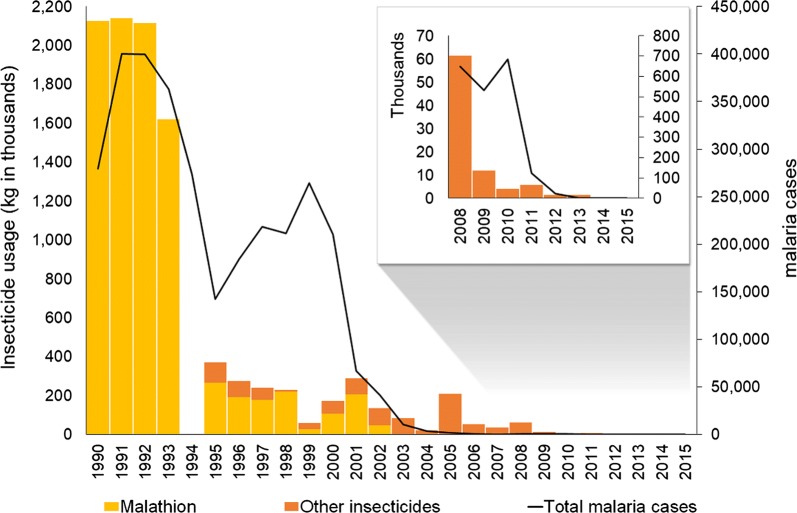
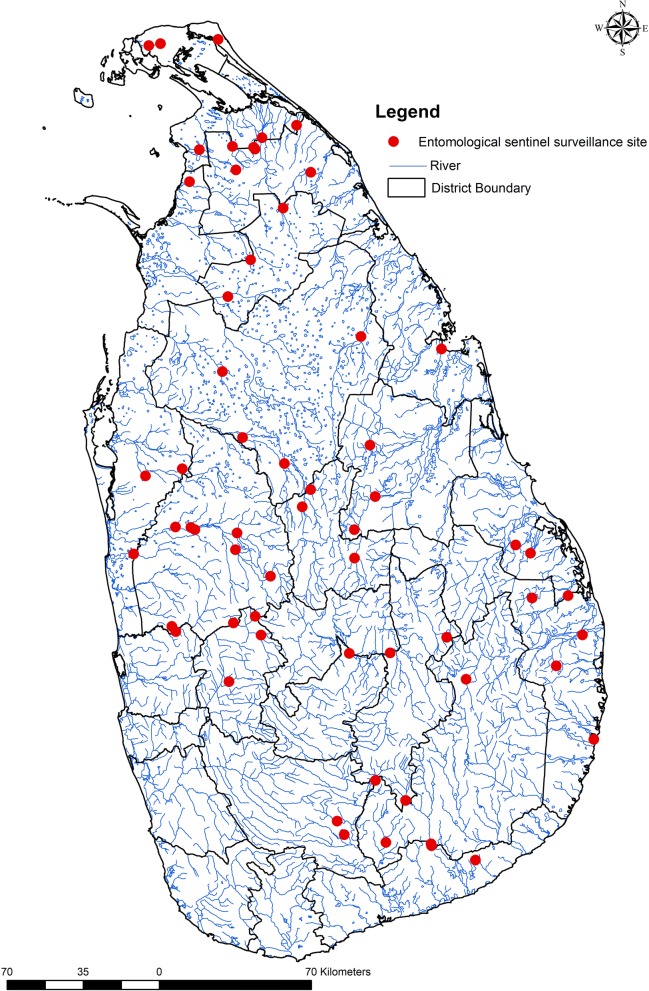
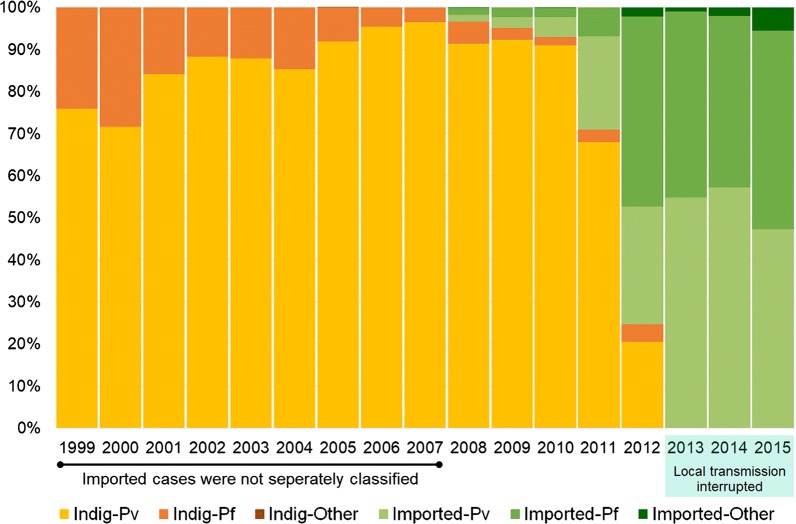
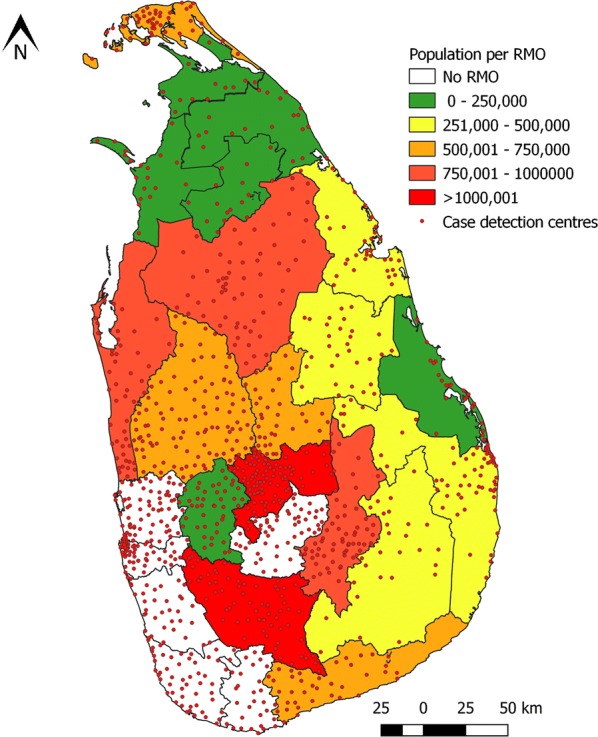
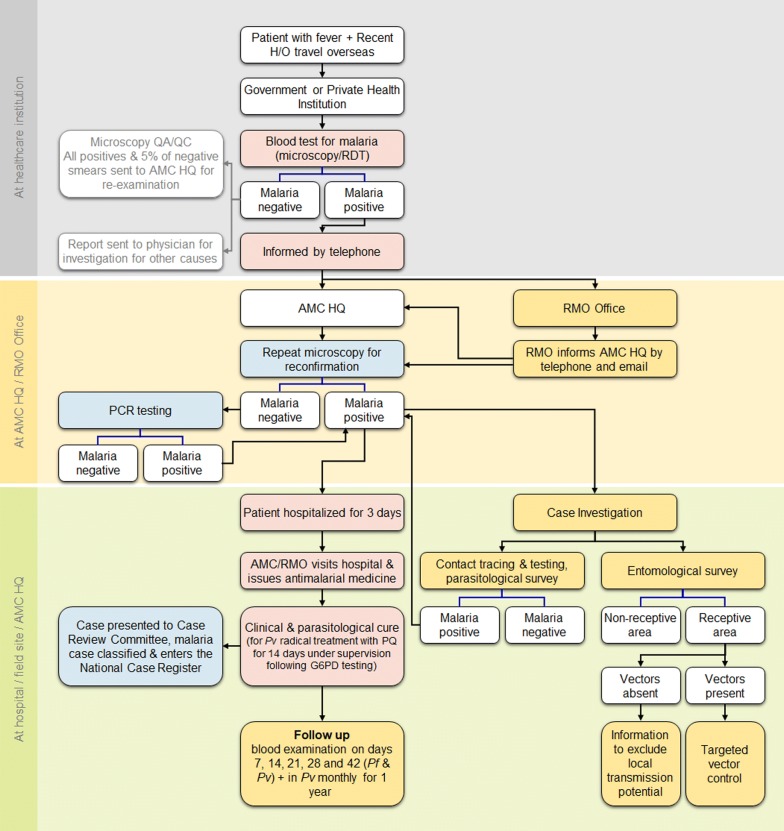
Malaria was eliminated from Sri Lanka in 2012, and the country received WHO-certification in 2016. The objective of this paper is to describe the epidemiology of malaria elimination in Sri Lanka, and the key technical and operational features of the elimination effort, which may have been central to achieving the goal, even prior to schedule, and despite an ongoing war in parts of the country. Analysis of information and data from the Anti Malaria Campaign (AMC) of Sri Lanka during and before the elimination phase, and the experiences of the author(s) who directed and/or implemented the elimination programme or supported it form the basis of this paper. The key epidemiological features of malaria on the path to elimination included a steady reduction of case incidence from 1999 onwards, and the simultaneous elimination of both Plasmodium falciparum and Plasmodium vivax. Against the backdrop of a good health infrastructure the AMC, a specialized programme within the Ministry of Health operated through a decentralized provincial health system to implement accepted strategies for the elimination of malaria. Careful planning combined with expertise on malaria control at the Central level with dedicated staff at all levels at the Centre and on the ground in all districts, for several years, was the foundation of this success. The stringent implementation of anti-relapse treatment for P. vivax through a strong collaboration with the military in whose cadres most of the malaria cases were clustered in the last few years of transmission would have supported the relatively rapid elimination of P. vivax. A robust case and entomological surveillance and investigation system described here enabled a highly focused approach to delivering interventions leading to the interruption of transmission.
疟疾于 2012 年在斯里兰卡被消除,该国于 2016 年获得世界卫生组织的认证。本文的目的是描述斯里兰卡消除疟疾的流行病学情况,以及消除疟疾工作的关键技术和操作特点,这些特点可能是在该国部分地区持续发生战争的情况下,甚至提前于计划时间表实现这一目标的核心因素。本文基于斯里兰卡抗疟运动(AMC)在消除阶段期间和之前的信息和数据的分析,以及指导和/或实施消除计划或支持该计划的作者的经验。在消除疟疾的道路上,疟疾的关键流行病学特征包括病例发病率从 1999 年开始稳步下降,同时消除了恶性疟原虫和间日疟原虫。在良好的卫生基础设施背景下,AMC 是卫生部内的一个专门方案,通过分散的省级卫生系统运作,实施消除疟疾的公认策略。精心的规划,加上中央一级的疟疾控制专业知识,以及中央和各地的各级工作人员的敬业精神,是这一成功的基础。通过与军队的密切合作,对间日疟原虫实施严格的复发病例治疗,军队是疟疾病例集中的最后几年的主要载体,这有助于间日疟原虫的相对快速消除。本文所述的强大病例和媒介监测及调查系统,使采取干预措施以阻断传播的方法具有高度针对性。