Mohamed Nadira S, Kandeil Ahmed, Al-Zubaidy Ibrahim A H, Kayali Ghazi, Ali Mohamed A
Department of Genebank and Genetic Sequence, Forensic DNA Research and Training Center, Al-Nahrain University, Baghdad, Iraq.
These authors contributed equally to this work.
Open Vet J. 2019 Jul;9(2):164-171. doi: 10.4314/ovj.v9i2.12. Epub 2019 Jun 12.
Little is known about the antigenic and genetic characteristics of influenza A viruses circulating in poultry in Iraq.
This study describes the genetic and antigenic characteristics of the detected avian influenza H9N2 viruses in Iraq during 2016.
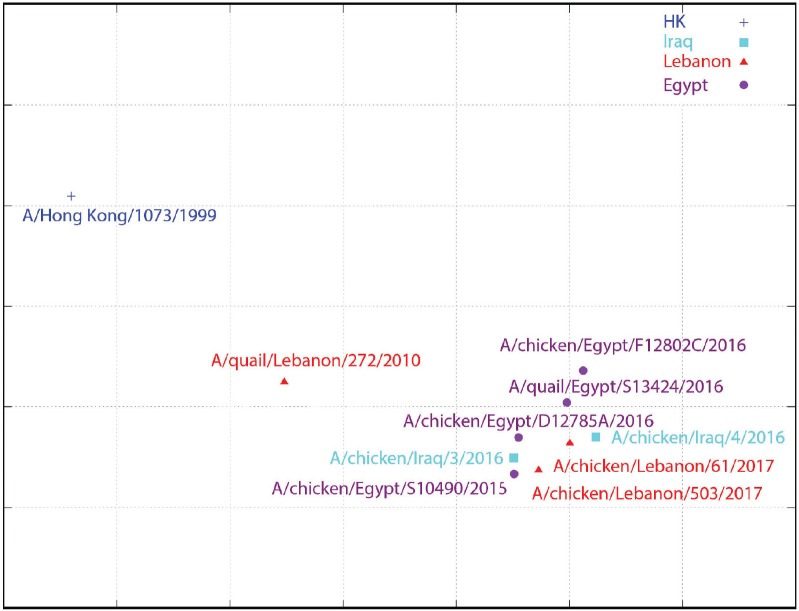
Full genome sequences of two H9N2 viruses isolated from chickens in Iraq during 2016 were assembled. Antigenic analyses of Iraqi H9N2 viruses and contemporary H9N2 isolates from Lebanon and Egypt were performed by hemagglutination inhibition assay.
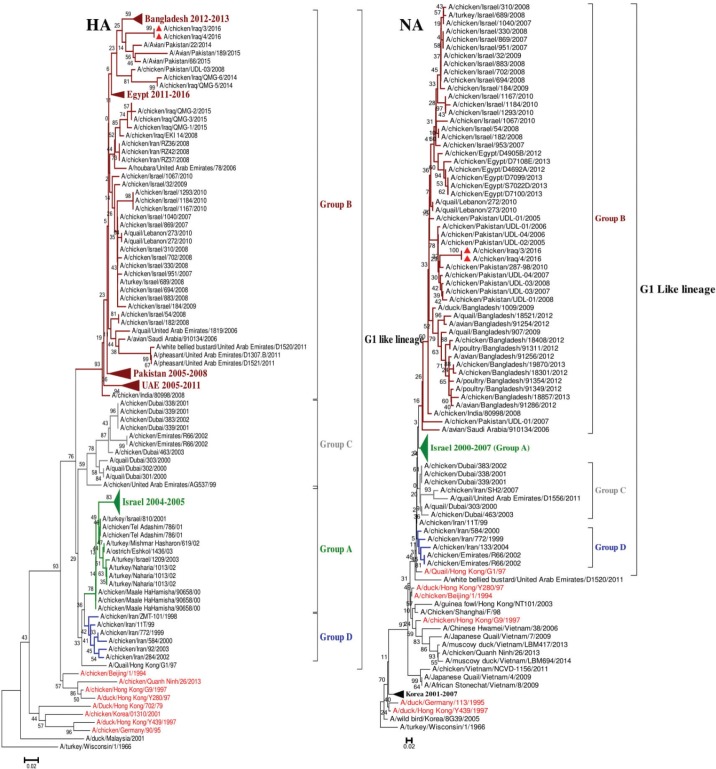
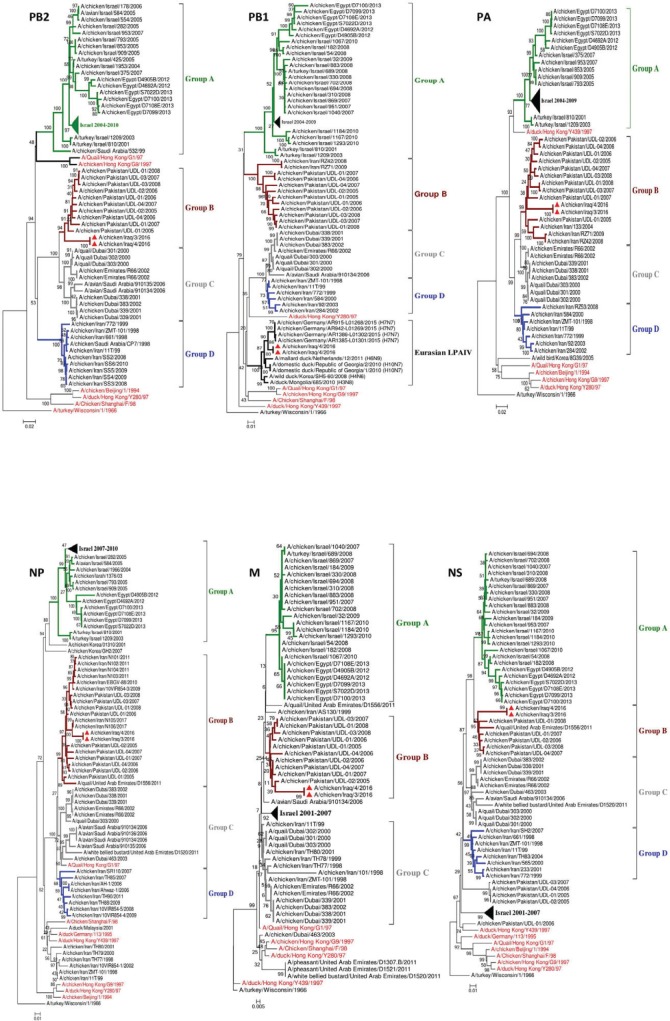
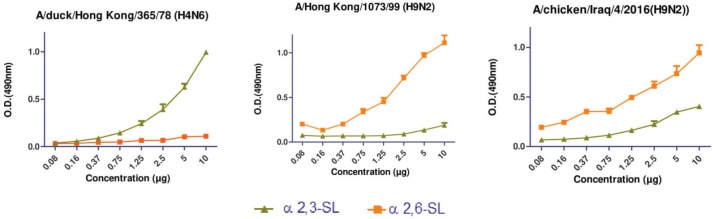
Phylogenetic analysis of surface glycoproteins and internal segments (PB2, PA, NP, M, and NS) indicated that the Iraqi H9N2 viruses were closely related to G1-like lineage of H9N2 viruses isolated from Pakistan and Iran indicating possible epidemiological links. The PB1 segments of the current characterized H9N2 viruses were not related to any of the previously characterized H9N2 viruses and closely similar to H7N7 virus detected in chickens in Germany in 2015. Multiple genetic determinants for virulence and mammalian transmission were characterized in the characterized H9N2 viruses in Iraq. The antigenic analysis showed a close relationship between H9N2 viruses in Iraq and contemporary H9N2 viruses in Egypt and Lebanon. Like H9N2 viruses, Iraqis H9N2 virus bound to human-like receptor rather than avian-like receptor thus represent a public health risk.
Active surveillance of avian influenza virus in poultry and migratory birds should be adopted to monitor the genesis and emergence of new viruses in Iraq.
对于伊拉克家禽中流行的甲型流感病毒的抗原和基因特征了解甚少。
本研究描述了2016年在伊拉克检测到的禽H9N2流感病毒的基因和抗原特征。
组装了2016年从伊拉克鸡中分离出的两种H9N2病毒的全基因组序列。通过血凝抑制试验对伊拉克H9N2病毒以及来自黎巴嫩和埃及的当代H9N2分离株进行了抗原分析。
对表面糖蛋白和内部片段(PB2、PA、NP、M和NS)的系统发育分析表明,伊拉克H9N2病毒与从巴基斯坦和伊朗分离出的H9N2病毒的G1样谱系密切相关,表明可能存在流行病学联系。当前鉴定的H9N2病毒的PB1片段与任何先前鉴定的H9N2病毒均无关联,且与2015年在德国鸡中检测到的H7N7病毒极为相似。在伊拉克鉴定的H9N2病毒中鉴定出了多个毒力和向哺乳动物传播的遗传决定因素。抗原分析表明,伊拉克的H9N2病毒与埃及和黎巴嫩的当代H9N2病毒之间存在密切关系。与H9N2病毒一样,伊拉克H9N2病毒与人源样受体而非禽源样受体结合,因此存在公共卫生风险。
应在家禽和候鸟中对禽流感病毒进行主动监测,以监测伊拉克新病毒的产生和出现。