Center of Scientific Excellence for Influenza Viruses, National Research Centre, Giza 12622, Egypt.
Department of Infectious Diseases, St. Jude Children's Research Hospital, Memphis, TN 38105, USA.
Viruses. 2022 Jul 6;14(7):1484. doi: 10.3390/v14071484.
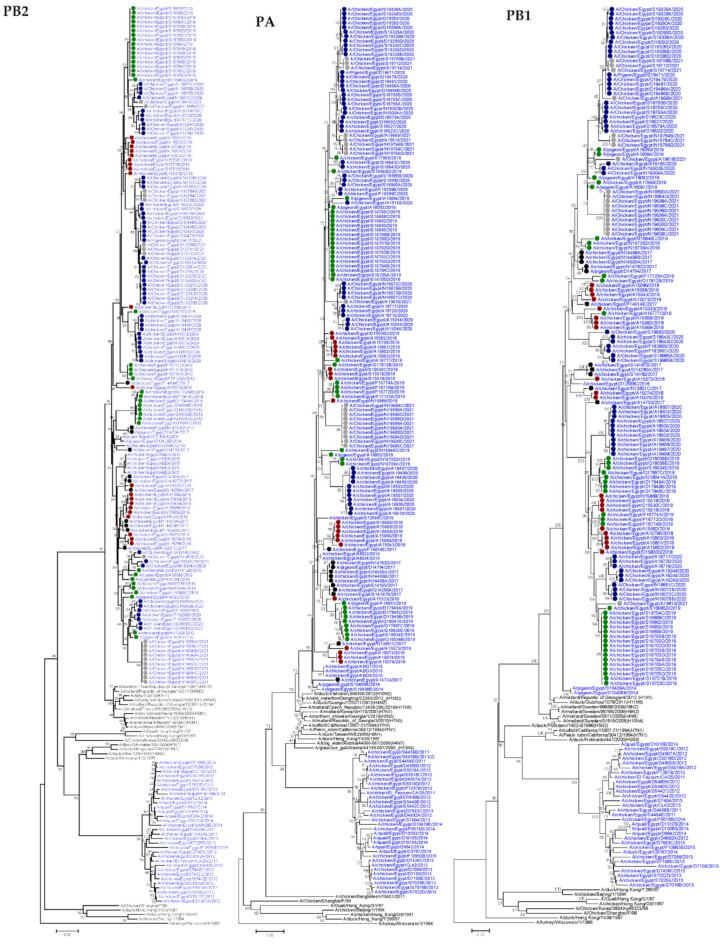
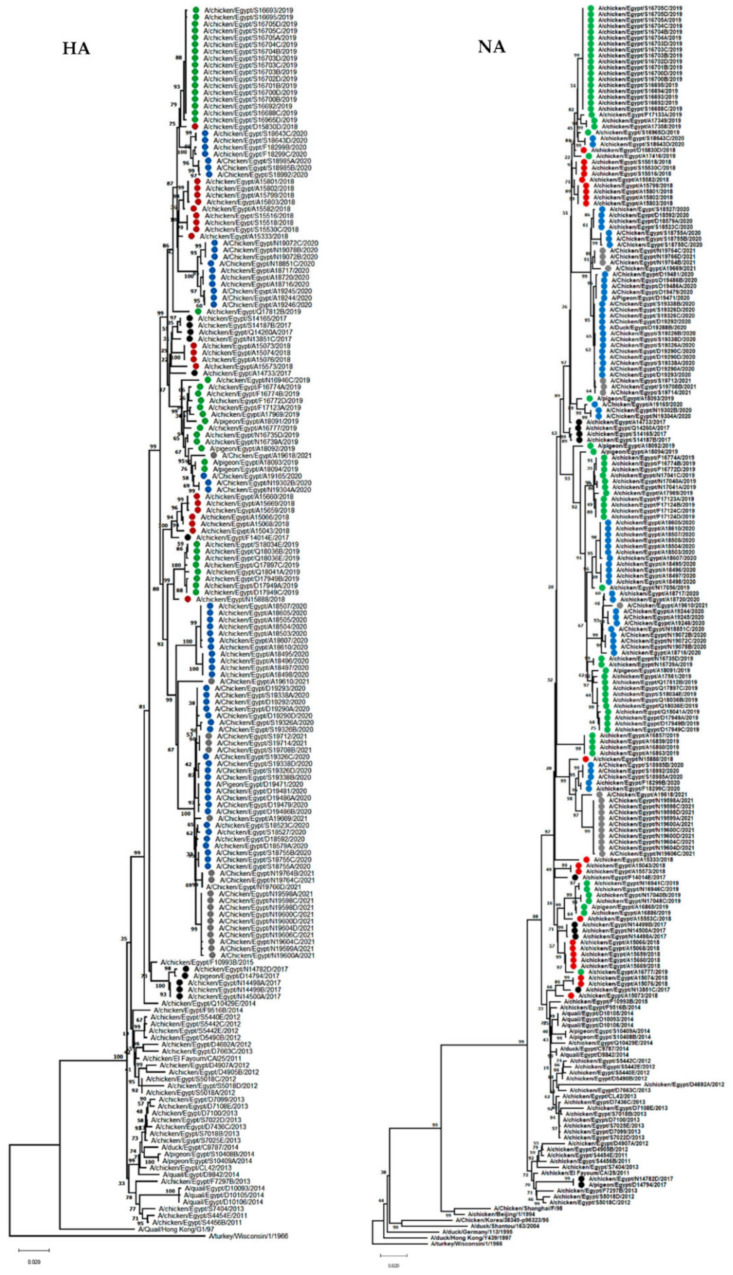
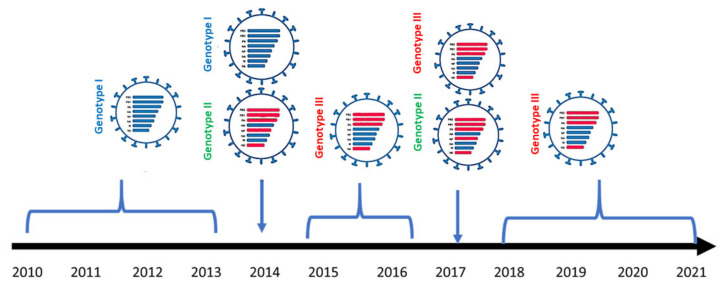
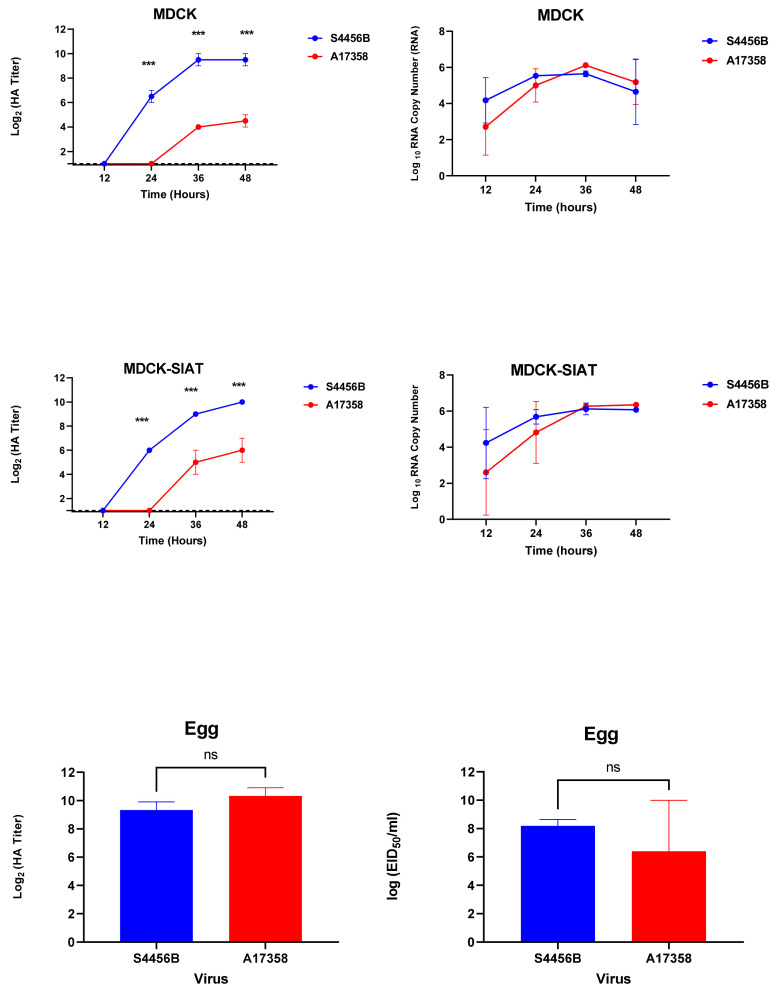
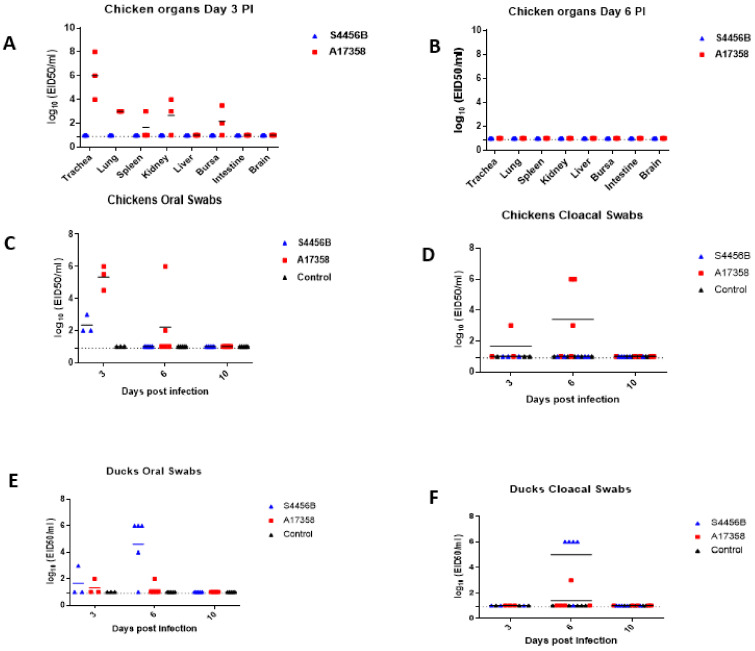
From 2010 to 2013, genotype I avian influenza A(H9N2) viruses of the G1-lineage were isolated from several poultry species in Egypt. In 2014, novel reassortant H9N2 viruses were detected in pigeons designated as genotype II. To monitor the subsequent genetic evolution of Egyptian A(H9N2) viruses, we characterized the full genomes of 173 viruses isolated through active surveillance from 2017 to 2022. In addition, we compared the virological characteristics and pathogenicity of representative viruses. Phylogenetic analysis of the HA indicated that all studied sequences from 2017-2021 were grouped into G1-like H9N2 viruses previously detected in Egypt. Phylogenetic analysis indicated that the Egyptian A(H9N2) viruses had undergone further reassortment, inheriting four genes (PB2, PB1, PA, NS) from genotype II, with their remaining segments deriving from genotype I viruses (these viruses designated as genotype III). Studying the virological features of the two most dominant genotypes (I and III) of Egyptian H9N2 viruses in vitro and in vivo indicated that both replicated well in mammalian cells, but did not show any clinical signs in chickens, ducks, and mice. Monitoring avian influenza viruses through surveillance programs and understanding the genetic and antigenic characteristics of circulating H9N2 viruses are essential for risk assessment and influenza pandemic preparedness.
从 2010 年到 2013 年,在埃及的几种家禽中分离到了属于 G1 谱系的甲型禽流感病毒(H9N2)。2014 年,在鸽子中检测到了新型重配的 H9N2 病毒,被指定为基因型 II。为了监测埃及 A(H9N2)病毒随后的遗传进化,我们对 2017 年至 2022 年通过主动监测分离的 173 株病毒的全基因组进行了特征描述。此外,我们还比较了代表病毒的病毒学特性和致病性。HA 的系统发育分析表明,2017-2021 年所有研究的序列都被归入了之前在埃及检测到的 G1 样 H9N2 病毒。系统发育分析表明,埃及 A(H9N2)病毒进一步发生了重配,从基因型 II 中继承了四个基因(PB2、PB1、PA、NS),其余片段则来自基因型 I 病毒(这些病毒被指定为基因型 III)。在体外和体内研究埃及 H9N2 病毒的两种最主要基因型(I 和 III)的病毒学特征表明,它们在哺乳动物细胞中均能很好地复制,但在鸡、鸭和小鼠中均未显示出任何临床症状。通过监测计划监测禽流感病毒并了解循环 H9N2 病毒的遗传和抗原特征,对于风险评估和流感大流行的准备至关重要。