Institute of Medical Microbiology, Oslo University Hospital, Rikshospitalet, Norway.
Institute of Basic Medical Sciences, University of Oslo, PO Box 1018 Blindern, N-0315, Oslo, Norway.
Sci Rep. 2019 Jul 30;9(1):11065. doi: 10.1038/s41598-019-47528-3.
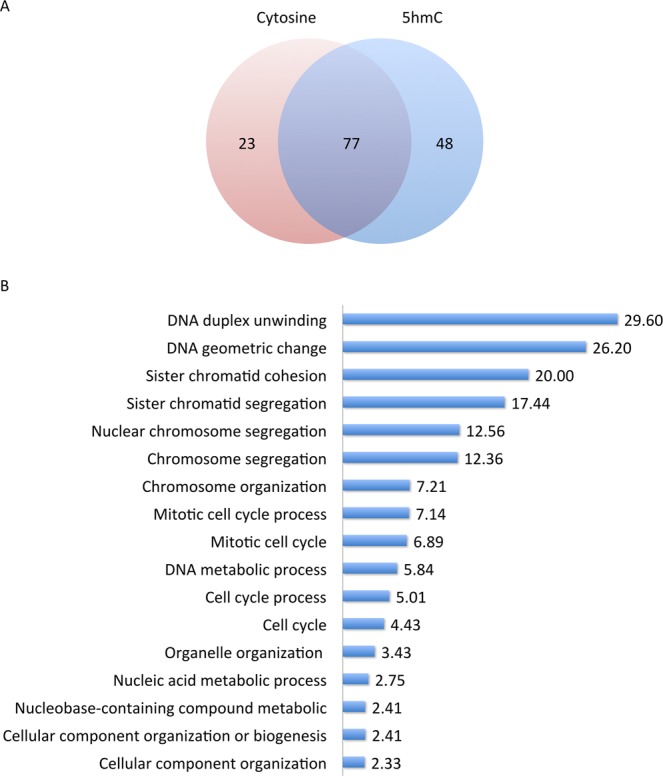
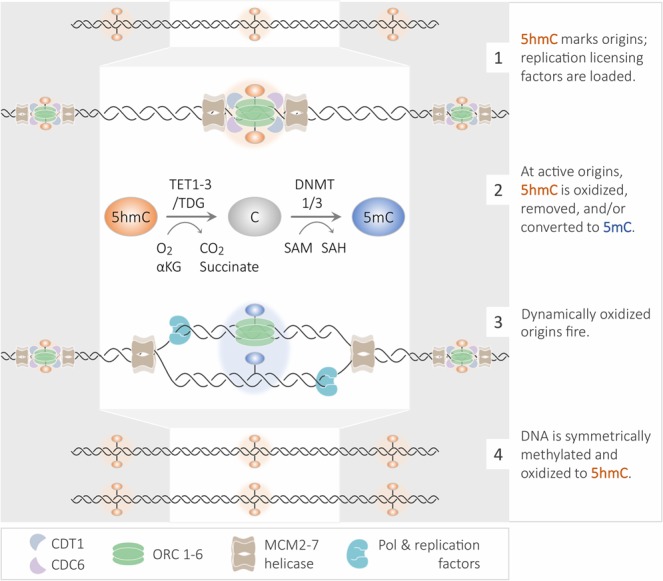
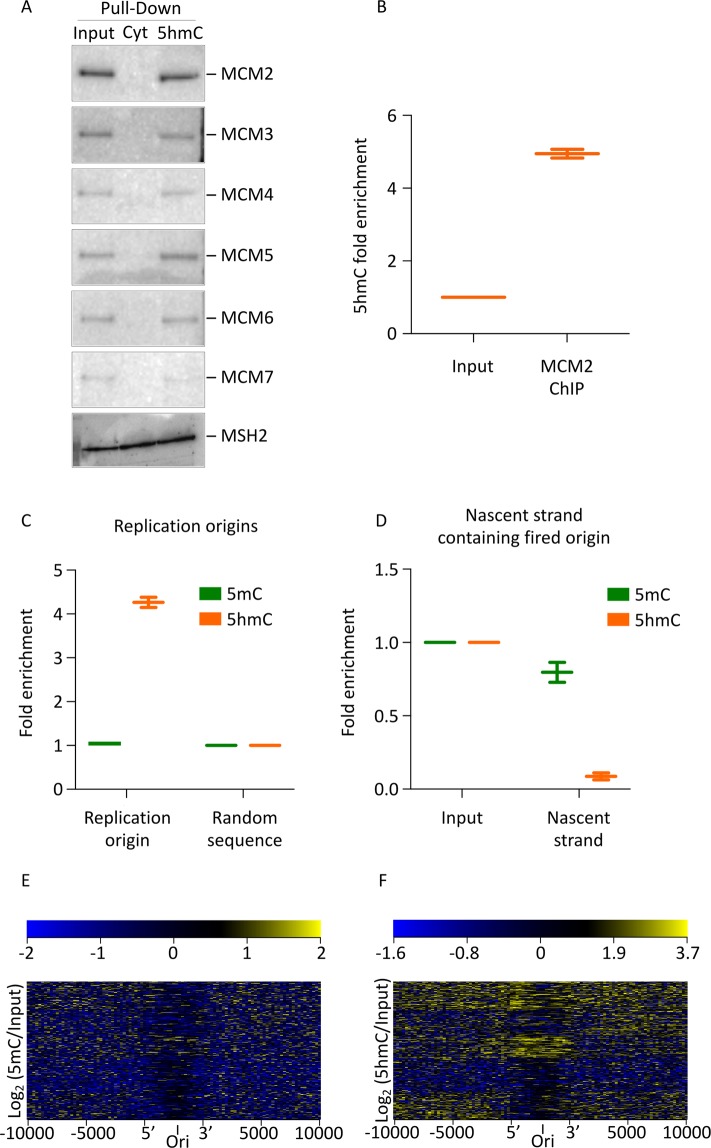
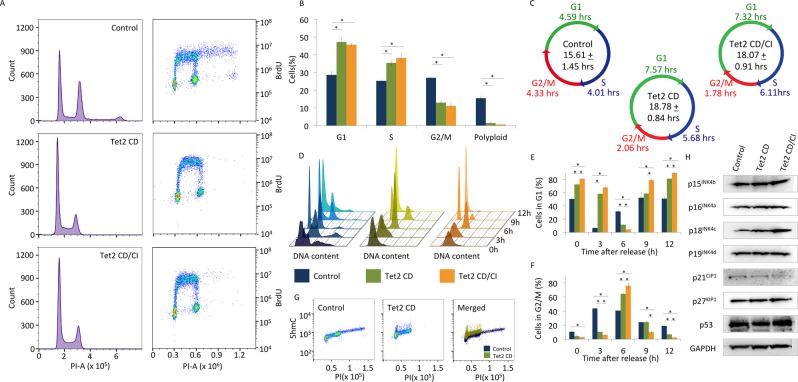
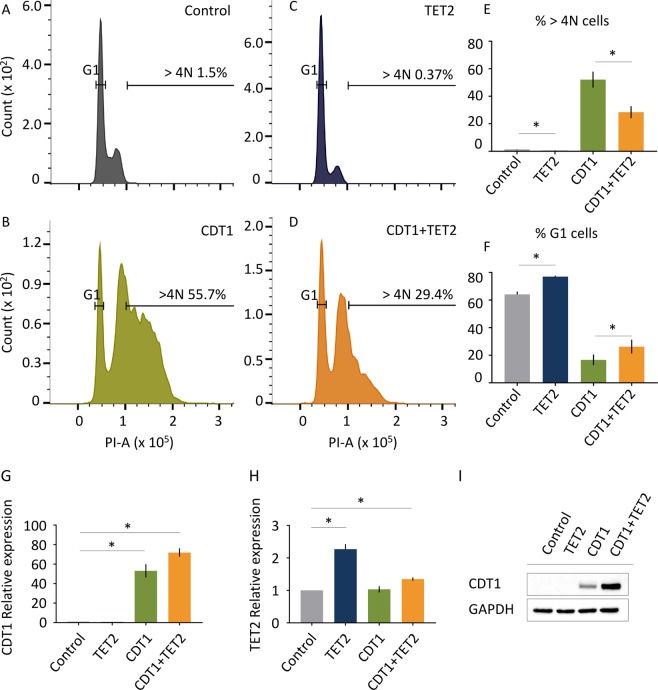
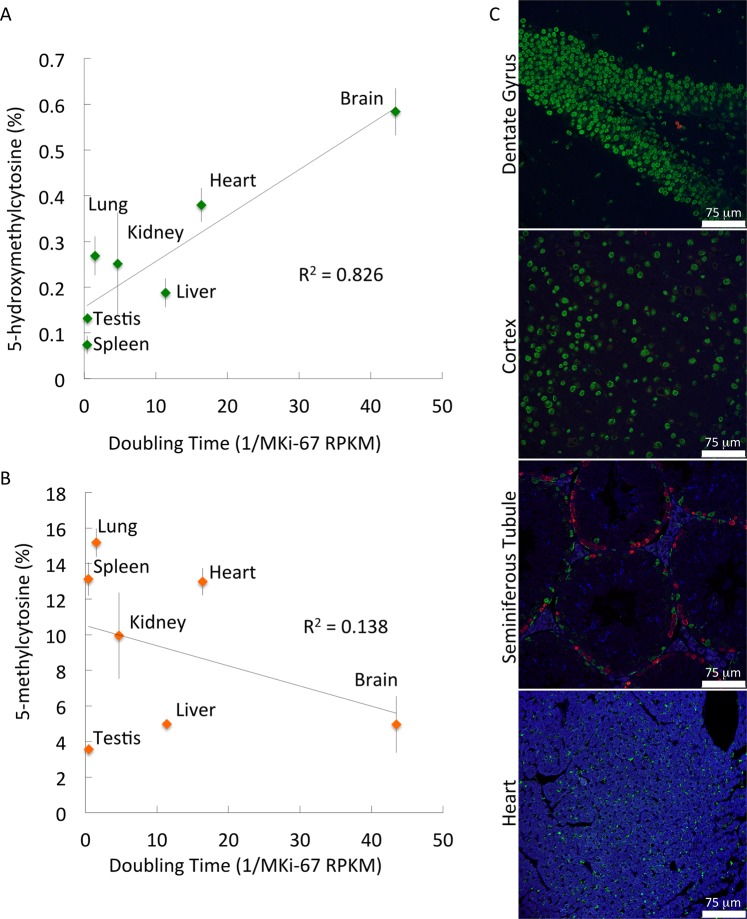
In most mammalian cells, DNA replication occurs once, and only once between cell divisions. Replication initiation is a highly regulated process with redundant mechanisms that prevent errant initiation events. In lower eukaryotes, replication is initiated from a defined consensus sequence, whereas a consensus sequence delineating mammalian origin of replication has not been identified. Here we show that 5-hydroxymethylcytosine (5hmC) is present at mammalian replication origins. Our data support the hypothesis that 5hmC has a role in cell cycle regulation. We show that 5hmC level is inversely proportional to proliferation; indeed, 5hmC negatively influences cell division by increasing the time a cell resides in G1. Our data suggest that 5hmC recruits replication-licensing factors, then is removed prior to or during origin firing. Later we propose that TET2, the enzyme catalyzing 5mC to 5hmC conversion, acts as barrier to rereplication. In a broader context, our results significantly advance the understating of 5hmC involvement in cell proliferation and disease states.
在大多数哺乳动物细胞中,DNA 复制在细胞分裂之间只进行一次。复制起始是一个高度调控的过程,具有冗余的机制来防止错误的起始事件。在较低等的真核生物中,复制是从一个定义的共有序列开始的,而哺乳动物复制起始点的共有序列尚未确定。在这里,我们表明 5-羟甲基胞嘧啶(5hmC)存在于哺乳动物复制起点。我们的数据支持 5hmC 在细胞周期调控中起作用的假设。我们表明 5hmC 水平与增殖呈反比;事实上,5hmC 通过增加细胞在 G1 期的停留时间来负性影响细胞分裂。我们的数据表明,5hmC 招募复制许可因子,然后在起始点激活之前或期间被去除。后来我们提出,催化 5mC 向 5hmC 转化的酶 TET2 作为重复制的障碍。更广泛地说,我们的结果极大地推进了对 5hmC 参与细胞增殖和疾病状态的理解。