Nemholt Susanne, Schmidt Jesper Hvass, Wedderkopp Niels, Baguley David M
BRIDGE - Brain Research - Inter-Disciplinary Guided Excellence, Department of Clinical Research, Faculty of Health Sciences, University of Southern Denmark, Odense, Denmark.
Kommunikationscentret, The Social Division in the Capital Region of Denmark, Denmark.
Ear Hear. 2020 Mar/Apr;41(2):344-355. doi: 10.1097/AUD.0000000000000759.
The aim of this study was to determine the prevalence of tinnitus and/or hyperacusis in Danish children aged 10 to 16 years, and to assess associations between tinnitus or hyperacusis and other relevant factors.
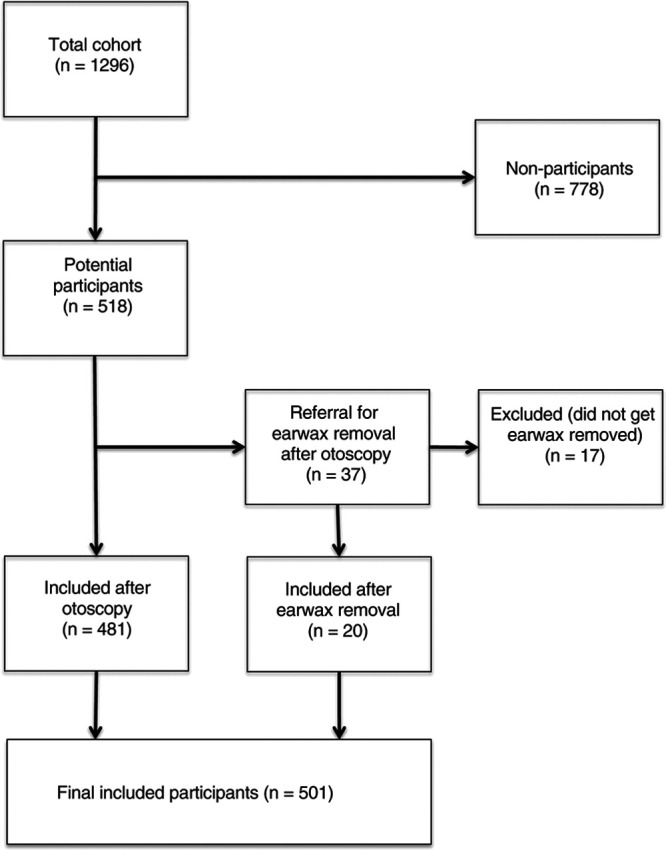
A cross-sectional study based on a previously established child cohort. A total of 501 children were enrolled in the project. The study was performed in eight mainstream schools and data were collected during an 8-week period from October 27, 2014 to December 16, 2014.
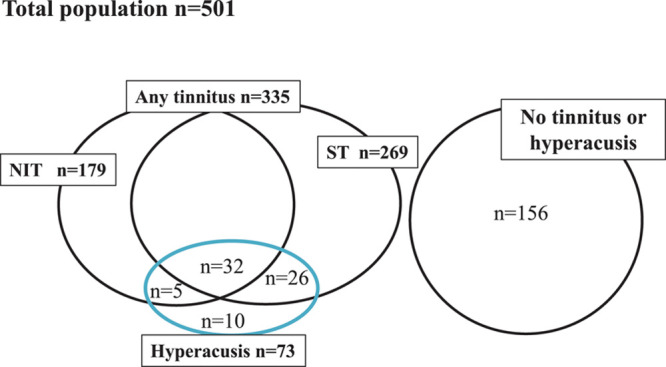
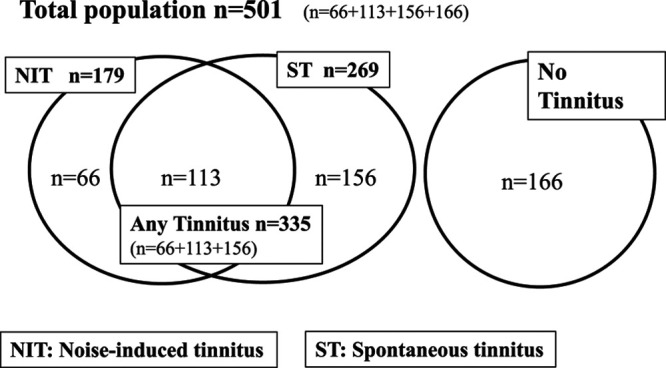
Using broad tinnitus research questions, the prevalence of any tinnitus was 66.9%; of noise-induced tinnitus (NIT) was 35.7%; and of spontaneous tinnitus (ST) was 53.7%. Bothersome tinnitus was reported by 34.6% of the children with any tinnitus, 23.2% of the whole population. Few children were severely bothered (2.4%, 1.6%, respectively). It was significantly more common for children with NIT to report tinnitus episodes lasting for minutes or longer than for children with ST (p = 0.01). Girls were more likely than boys to be bothered by tinnitus [Odds ratio (OR) = 2.96; 95% confidence interval (CI) 1.34 to 6.51; p = 0.01]. 14.6% of the children reported hyperacusis, and 72.6% of those reporting hyperacusis were bothered by it, 10.6% of the whole population. The odds of having hyperacusis were 4.73 (1.57, 14.21) times higher among those with ST compared with those without ST. Furthermore, hyperacusis was associated with sound avoidance behaviors such as experience of sound-induced pain in the ear (OR = 2.95, 95% CI 1.65 to 5.27; p < 0.001), withdrawal from places or activities (OR = 3.33; 95% CI 1.44 to 7.69; p = 0.01), or concerns about sound could damage the hearing (OR = 1.85, 95% CI 1.06 to 3.31; p = 0.03).
Tinnitus and hyperacusis are common in children but prevalence is dependent on tinnitus definitions. Only a few children are severely bothered by tinnitus. In the case of hyperacusis, children may exhibit sound avoidance behavior.
本研究旨在确定10至16岁丹麦儿童耳鸣和/或恐声症的患病率,并评估耳鸣或恐声症与其他相关因素之间的关联。
基于先前建立的儿童队列进行的横断面研究。共有501名儿童参与了该项目。研究在八所主流学校进行,数据收集于2014年10月27日至2014年12月16日的8周内。
采用宽泛的耳鸣研究问题,任何耳鸣的患病率为66.9%;噪声性耳鸣(NIT)为35.7%;自发性耳鸣(ST)为53.7%。有任何耳鸣的儿童中,34.6%报告耳鸣令人烦恼,占全部人群的23.2%。很少有儿童受到严重困扰(分别为2.4%和1.6%)。NIT儿童报告耳鸣发作持续数分钟或更长时间的情况比ST儿童更为常见(p = 0.01)。女孩比男孩更容易受到耳鸣困扰[优势比(OR)= 2.96;95%置信区间(CI)1.34至6.51;p = 0.01]。14.6%的儿童报告有恐声症,其中72.6%受到困扰,占全部人群的10.6%。与没有ST的儿童相比,有ST的儿童患恐声症的几率高4.73(1.57,14.21)倍。此外,恐声症与声音回避行为有关,如耳部声音诱发疼痛的经历(OR = 2.95,95% CI 1.65至5.27;p < 0.001)、退出场所或活动(OR = 3.33;95% CI 1.44至7.69;p = 0.01)或担心声音会损害听力(OR = 1.85,95% CI 1.06至3.31;p = 0.03)。
耳鸣和恐声症在儿童中很常见,但患病率取决于耳鸣的定义。只有少数儿童受到耳鸣的严重困扰。对于恐声症,儿童可能会表现出声音回避行为。