Bhuiyan Badrul Alam, Urmi Ishrat Jahan, Chowdhury Mahbub Elahi, Rahman Tajrian, Hasan Abu Syed, Simkhada Padam
Health Researcher, Global Consortium for Public Health Research, Liverpool John Moores University, Liverpool, UK
Junior Consultant, Ministry of Health, Government of Bangladesh, Dhaka, Bangladesh.
BJGP Open. 2019 Jul 23;3(2). doi: 10.3399/bjgpopen18X101641. Print 2019 Jul.
In many global settings, medical language acts as a barrier to accessing and using health services. However, this issue remained unexplored in Bangladesh, where the non-native English language is commonly used for health care.
To examine whether medical language is an obstacle for obtaining health services in Bangladesh and to provide policy recommendations.
DESIGN & SETTING: An exploratory study was undertaken to identify the impact of medical language on general practice. Data were collected online from Bangladeshi people between July-November 2014.
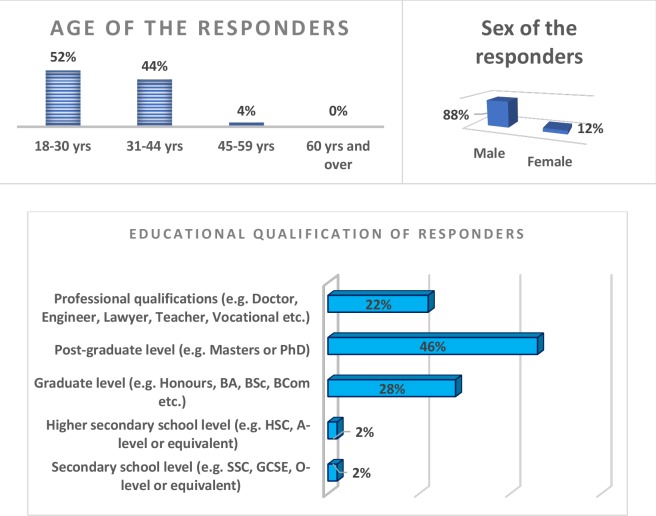
A semi-structured questionnaire was developed through Google Forms for data collection. The snowball technique was applied to obtain data purposively from 50 participants. With prior consent, the questionnaire along with the online link was sent to responders by email. When responders clicked on the 'submit' option of the questionnaire, responses were stored online automatically in the pre-built system. Quantitative data were analysed using SPSS (version 22). Textual data analyses (especially of suggestions of the responders) were conducted using a thematic approach.
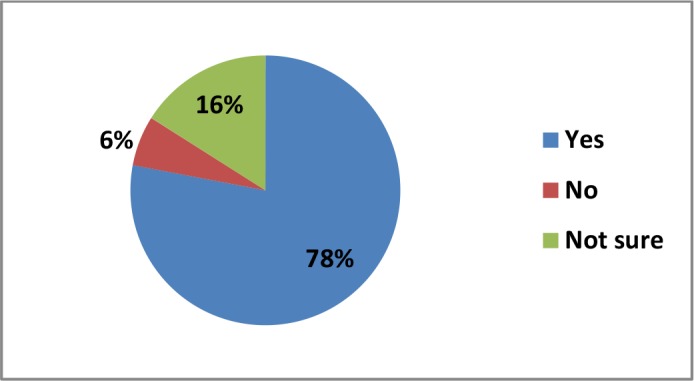
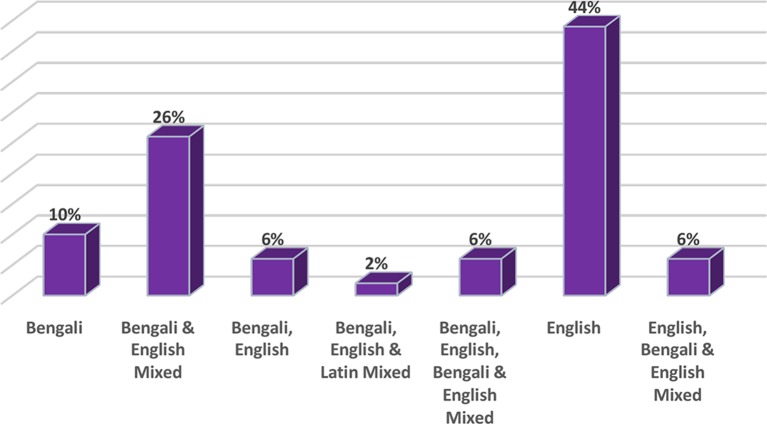
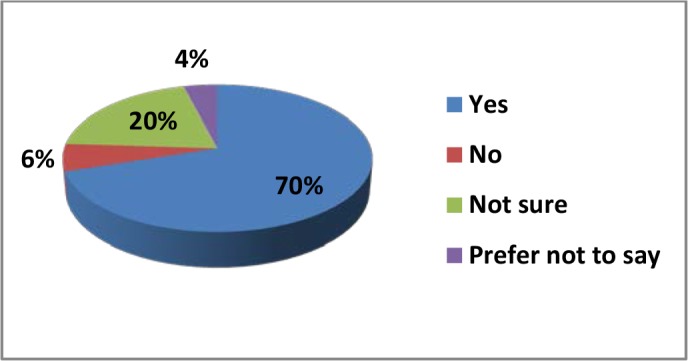
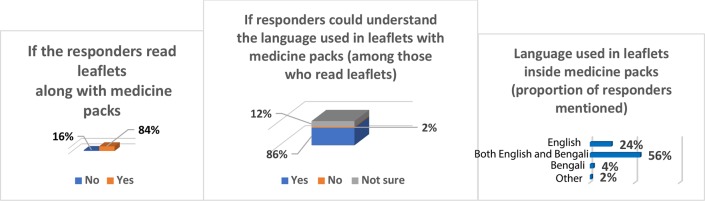
Among study participants, 44% ( = 22) said that English language was the choice for writing prescriptions by health service providers in Bangladesh, and 26% said that a mixture of Bengali and English was used. Around 30% of the study participants could not understand medical language used by doctors (this includes those who were not sure or preferred not to say). Among responders, 78% said that medical language was affecting the treatment process and 48% were of the opinion that it was acting as a barrier in receiving health services.
Medical language is acting as a barrier in the health services of Bangladesh. Tailored interventions must be developed and implemented to overcome medical language barriers in health services in order to strengthen the health system.
在全球许多地方,医学语言成为获取和使用卫生服务的障碍。然而,在孟加拉国这个通常将非母语英语用于医疗保健的国家,这一问题仍未得到探讨。
研究医学语言是否是孟加拉国获取卫生服务的障碍,并提供政策建议。
开展一项探索性研究,以确定医学语言对全科医疗的影响。2014年7月至11月期间从孟加拉国人中在线收集数据。
通过谷歌表单开发了一份半结构化问卷用于数据收集。采用滚雪球技术有目的地从50名参与者那里获取数据。经事先同意,问卷及其在线链接通过电子邮件发送给受访者。当受访者点击问卷的“提交”选项时,回答会自动在线存储在预先构建的系统中。定量数据使用SPSS(版本22)进行分析。文本数据分析(特别是对受访者建议的分析)采用主题分析法进行。
在研究参与者中,44%(n = 22)表示英语是孟加拉国卫生服务提供者开处方所选用的语言,26%表示使用孟加拉语和英语混合的语言。约30%的研究参与者听不懂医生使用的医学语言(这包括那些不确定或不愿作答的人)。在受访者中,78%表示医学语言正在影响治疗过程,48%认为它是接受卫生服务的障碍。
医学语言在孟加拉国的卫生服务中构成障碍。必须制定并实施针对性干预措施,以克服卫生服务中的医学语言障碍,从而加强卫生系统。