Université Clermont Auvergne, INRA, UMR454 MEDiS, 63000, Clermont-Ferrand, France.
Lallemand Animal Nutrition, 31702, Blagnac, Cedex, France.
Sci Rep. 2019 Jul 31;9(1):11100. doi: 10.1038/s41598-019-47608-4.
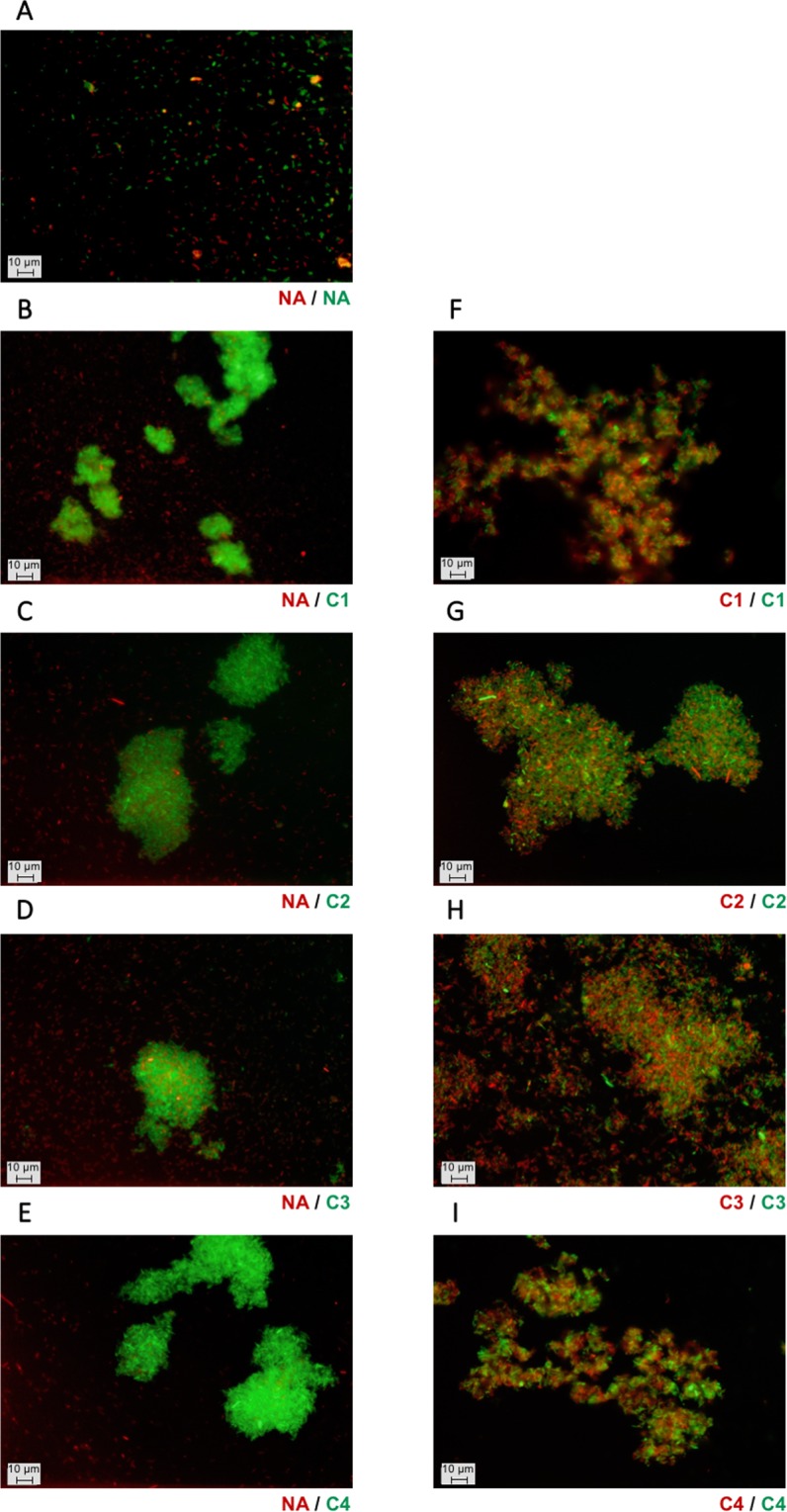
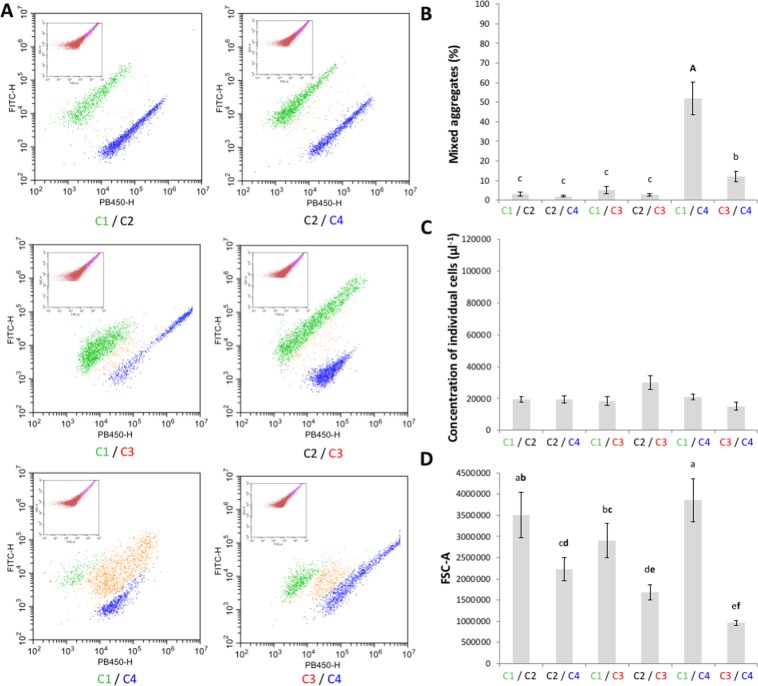
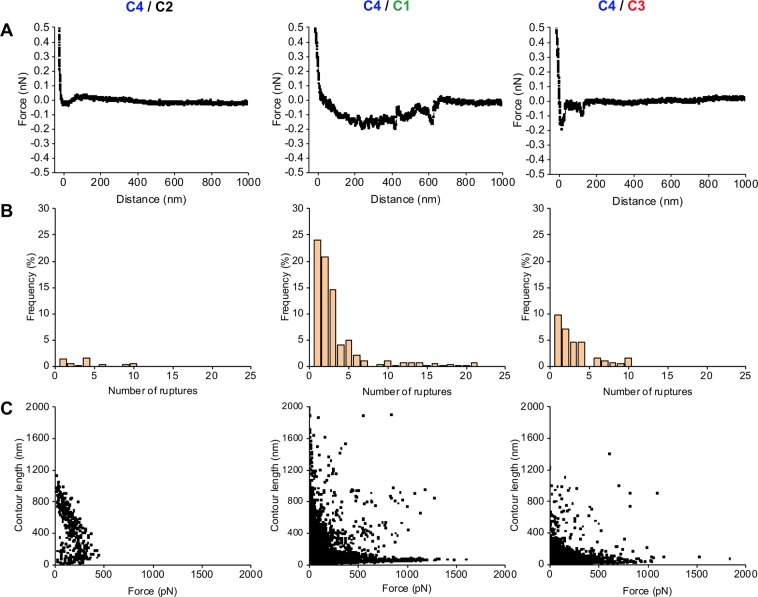
Antigen 43 (Ag43) is a cell-surface exposed protein of Escherichia coli secreted by the Type V, subtype a, secretion system (T5aSS) and belonging to the family of self-associating autotransporters (SAATs). These modular proteins, comprising a cleavable N-terminal signal peptide, a surface-exposed central passenger and an outer membrane C-terminal translocator, self-recognise in a Velcro-like handshake mechanism. A phylogenetic network analysis focusing on the passenger revealed for the first time that they actually distribute into four distinct classes, namely C1, C2, C3 and C4. Structural alignment and modelling analyses demonstrated these classes arose from shuffling of two different subdomains within the Ag43 passengers. Functional analyses revealed that homotypic interactions occur for all Ag43 classes but significant differences in the sedimentation kinetics and aggregation state were present when Ag43 was expressed. In contrast, heterotypic interaction occurred in a very limited number of cases. Single cell-force spectroscopy demonstrated the importance of specific as well as nonspecific interactions in mediating Ag43-Ag43 recognition. We propose that structural differences in the subdomains of the Ag43 classes account for different autoaggregation dynamics and propensities to co-interact.
抗原 43(Ag43)是大肠杆菌表面暴露的一种蛋白,由 V 型,亚型 a,分泌系统(T5aSS)分泌,属于自聚合自动转运蛋白(SAAT)家族。这些模块化蛋白由可切割的 N 端信号肽、表面暴露的中央运载体和外膜 C 端转运器组成,通过 Velcro 样握手机制实现自我识别。首次基于运载体的系统发育网络分析表明,它们实际上分为四个不同的类别,即 C1、C2、C3 和 C4。结构比对和建模分析表明,这些类别是由 Ag43 运载体中的两个不同亚结构域的重排产生的。功能分析表明,所有 Ag43 类别的同型相互作用都发生,但当 Ag43 表达时,在沉淀动力学和聚集状态方面存在显著差异。相比之下,异型相互作用发生的情况非常有限。单细胞力谱学研究表明,特异性和非特异性相互作用在介导 Ag43-Ag43 识别中都很重要。我们提出,Ag43 类别的亚结构域的结构差异解释了不同的自聚集动力学和相互作用倾向。