Department of Oral Biochemistry, Academic Centre for Dentistry Amsterdam (ACTA), Free University of Amsterdam and University of Amsterdam, Amsterdam, The Netherlands.
Section of Periodontology, Department of Dentistry and Oral Health, Aarhus University, Aarhus, Denmark.
Mol Diagn Ther. 2019 Oct;23(5):667-676. doi: 10.1007/s40291-019-00421-1.
Salivary total protease and chitinase activities were measured by a broad-spectrum fluorescence resonance energy transfer approach as predictors of induction and resolution of gingival inflammation in healthy individuals by applying an experimental human gingivitis model.
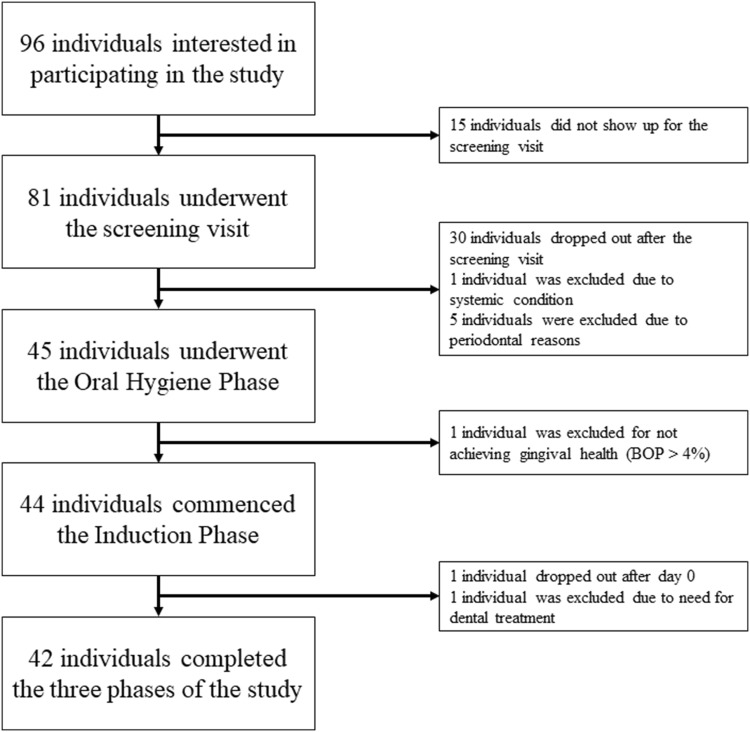
Dental biofilm accumulated (21 days, Induction Phase) by omitting oral hygiene practices followed by a 2-week Resolution Phase to restore gingival health in an experimental gingivitis study. Plaque accumulation, as assessed by the Turesky Modification of the Quigley-Hein Plaque Index (TQHPI), and gingival inflammation, assessed using the Modified Gingival Index (MGI), scores were recorded and unstimulated saliva was collected weekly. Saliva was analysed for total protein, albumin, total protease activity and chitinase activity (n = 18).
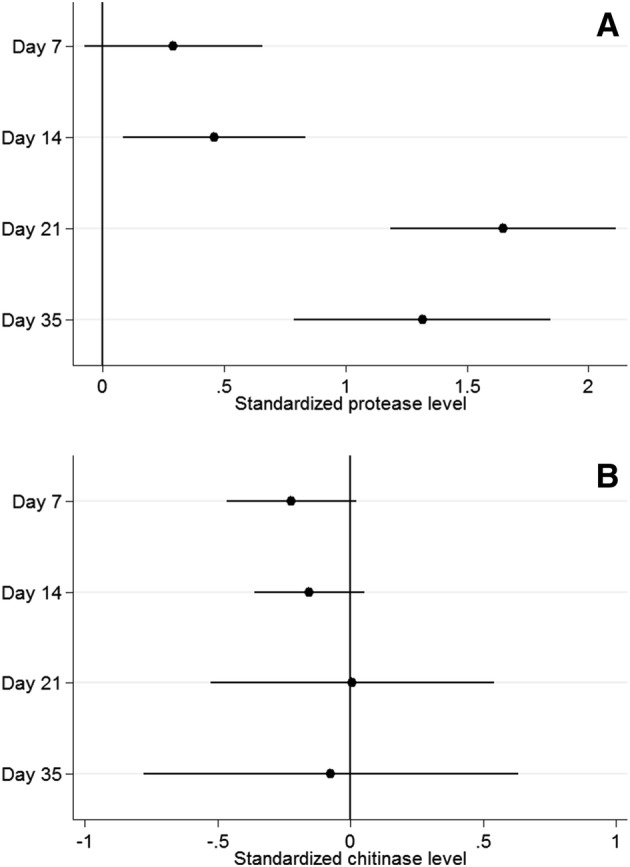
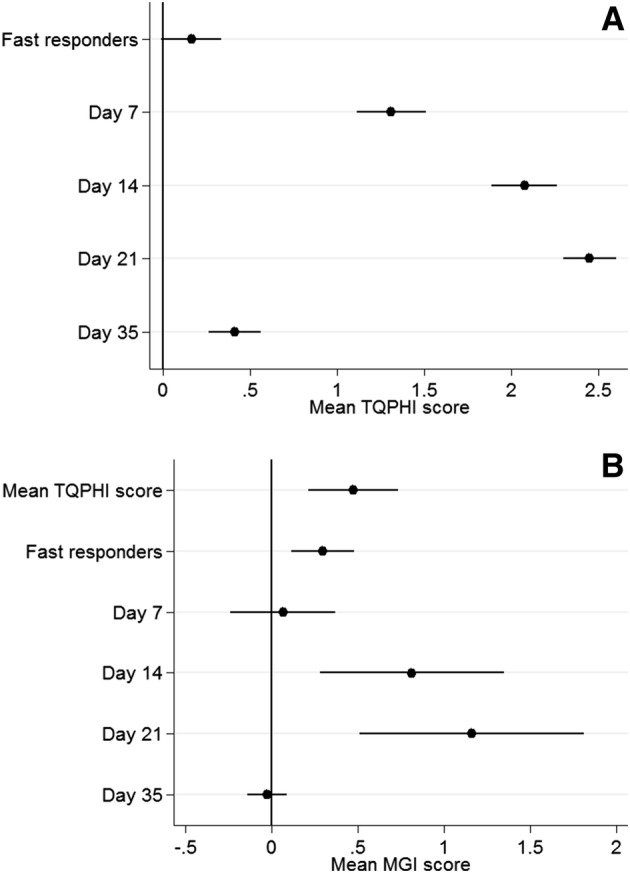
The TQHPI and MGI scores, as well as total protease activity, increased until day 21. After re-establishment of oral hygiene, gingival inflammation levels returned to values similar to baseline (day 0). Levels of protease activity decreased significantly, but not to baseline values. Furthermore, 'fast' responders, who responded immediately to plaque, exhibited significantly higher proteolytic activity throughout the experimental course than 'slow' responders, who showed a lagged inflammatory response.
The results indicate that differential inflammatory responses encompass inherent variations in total salivary proteolytic activities, which could be further utilised in contemporary diagnostic, prognostic and treatment modalities for periodontal diseases.
采用广谱荧光共振能量转移方法测量唾液总蛋白酶和壳聚糖酶活性,作为预测健康个体中牙龈炎症诱导和消退的指标,应用实验性人类牙龈炎模型。
在实验性牙龈炎研究中,通过省略口腔卫生措施使牙菌斑积累(21 天,诱导期),然后进行 2 周的缓解期以恢复牙龈健康。用改良的奎格利-海因菌斑指数(Turesky 改良的 Quigley-Hein Plaque Index,TQHPI)评估菌斑积累,用改良的牙龈指数(Modified Gingival Index,MGI)评估牙龈炎症,每周记录评分并收集非刺激性唾液。分析唾液中的总蛋白、白蛋白、总蛋白酶活性和壳聚糖酶活性(n=18)。
TQHPI 和 MGI 评分以及总蛋白酶活性均在第 21 天增加。重新建立口腔卫生后,牙龈炎症水平恢复到与基线(第 0 天)相似的水平。蛋白酶活性显著降低,但未恢复到基线值。此外,“快速”反应者对菌斑的反应立即,整个实验过程中表现出的蛋白水解活性明显高于“缓慢”反应者,后者表现出滞后的炎症反应。
结果表明,不同的炎症反应包含了总唾液蛋白水解活性的固有差异,这可以进一步用于牙周病的当代诊断、预后和治疗模式。