Li Yanping, Zhang Ting, Liu Qinhui, He Jinhan
Laboratory of Clinical Pharmacy and Adverse Drug Reaction, West China Hospital of Sichuan University, Chengdu, China.
Department of Pharmacy, West China Hospital of Sichuan University, Chengdu, China.
Front Pharmacol. 2019 Jul 19;10:808. doi: 10.3389/fphar.2019.00808. eCollection 2019.
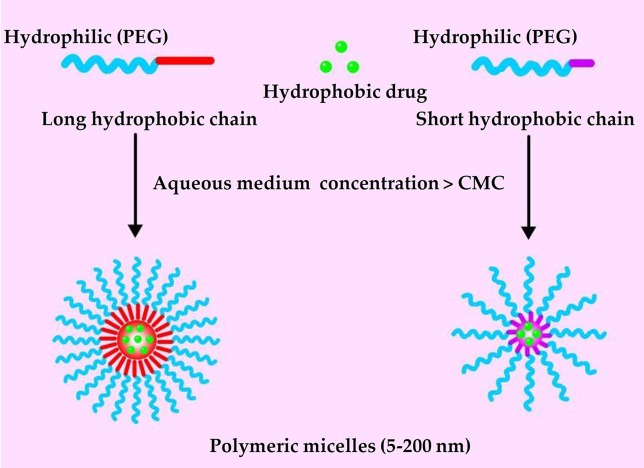
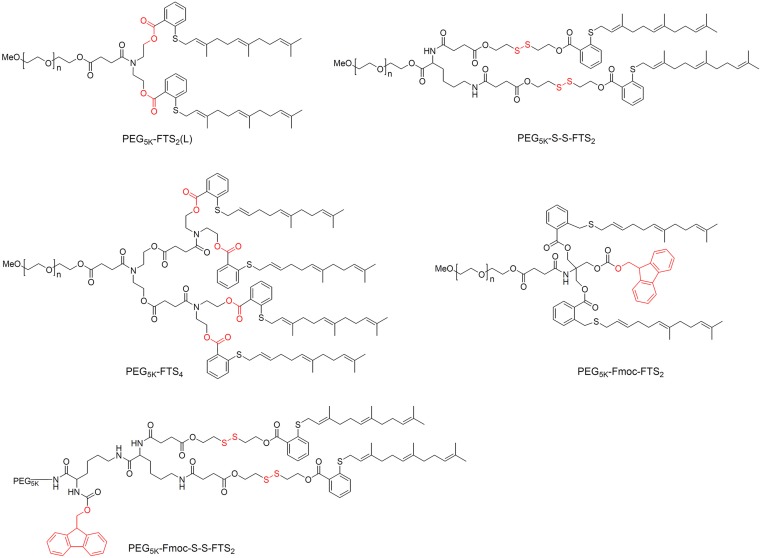
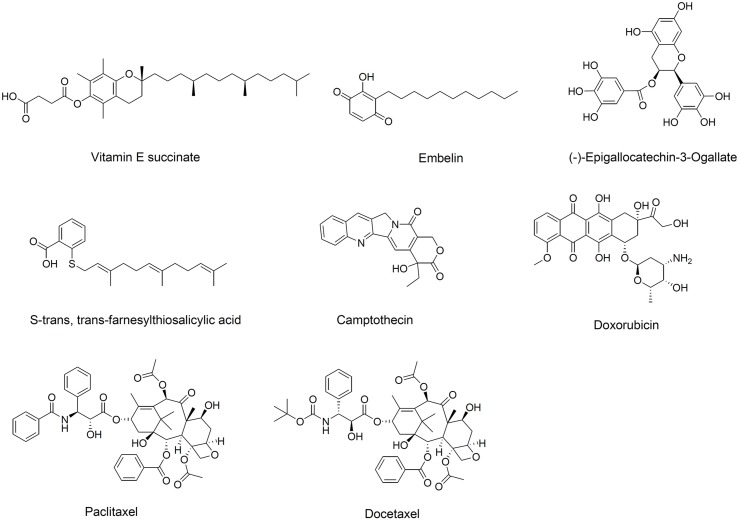
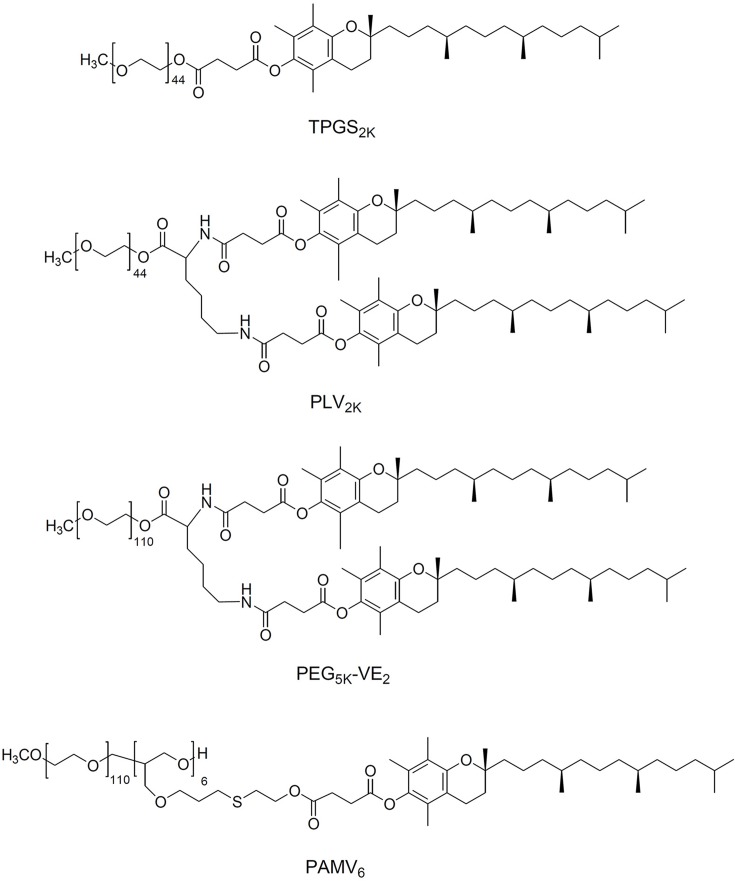
Polymeric micelles have attracted considerable attention for effective delivery of poorly water-soluble cancer drugs. Polyethylene glycol (PEG), which has been approved for human use by the US Food and Drug Administration, is the most commonly used hydrophilic component of polymeric micelles because it is biocompatible and biodegradable. One disadvantage of traditional polymeric micelles is that they include a large amount of inert carrier materials, which do not contribute to therapeutic activity but increase cost and toxicity risk. A better alternative may be "dual-functional" micellar carriers, in which the hydrophobic carrier material (conjugated to PEG) has intrinsic therapeutic activity that complements, or even synergizes with, the antitumor activity of the drug cargo. This review summarizes recent progress in the development of PEG-derivatized dual-functional nanomicelles and surveys the evidence of their feasibility and promise for cancer therapy.
聚合物胶束因能有效递送难溶性抗癌药物而备受关注。聚乙二醇(PEG)已获美国食品药品监督管理局批准用于人类,是聚合物胶束最常用的亲水性成分,因为它具有生物相容性和可生物降解性。传统聚合物胶束的一个缺点是它们包含大量惰性载体材料,这些材料对治疗活性没有贡献,但会增加成本和毒性风险。一个更好的选择可能是“双功能”胶束载体,其中疏水载体材料(与PEG共轭)具有内在治疗活性,可补充甚至协同药物货物的抗肿瘤活性。本综述总结了PEG衍生化双功能纳米胶束开发的最新进展,并审视了其在癌症治疗中的可行性和前景的证据。