Lianto Priscilia, Zhang Yani, Che Huilian
Beijing Advanced Innovation Center for Food Nutrition and Human Health, College of Food Science and Nutritional Engineering, China Agricultural University, Beijing, China.
Asia Pac Allergy. 2019 Jul 31;9(3):e28. doi: 10.5415/apallergy.2019.9.e28. eCollection 2019 Jul.
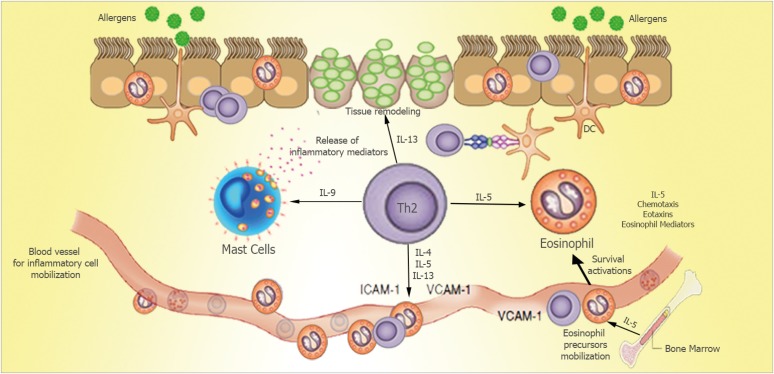
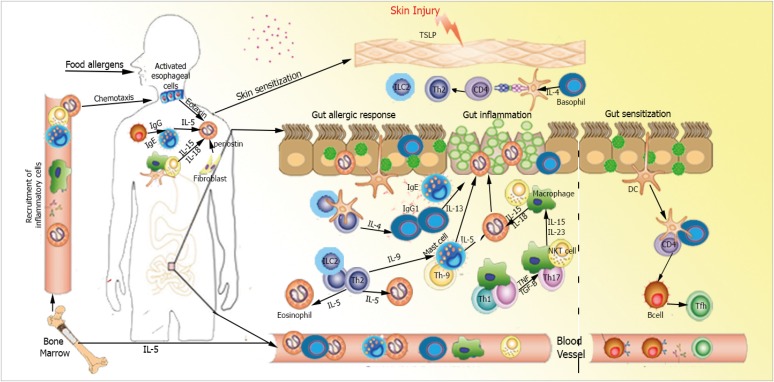
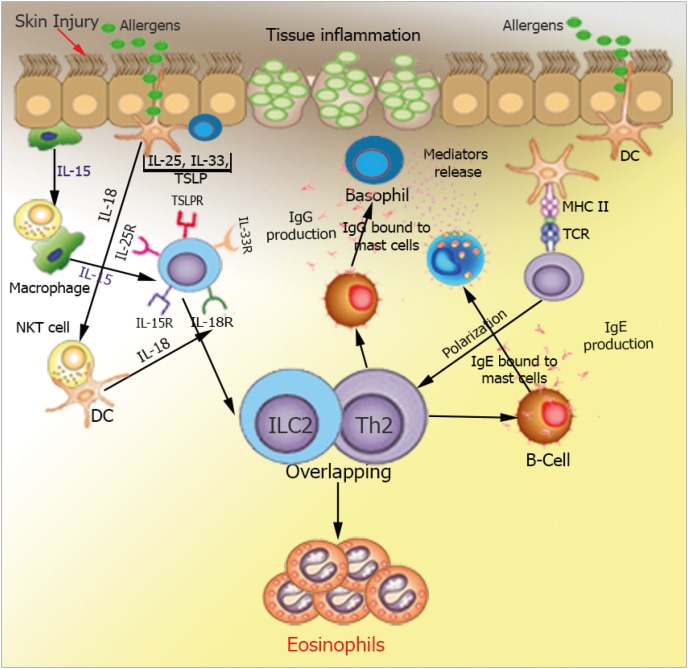
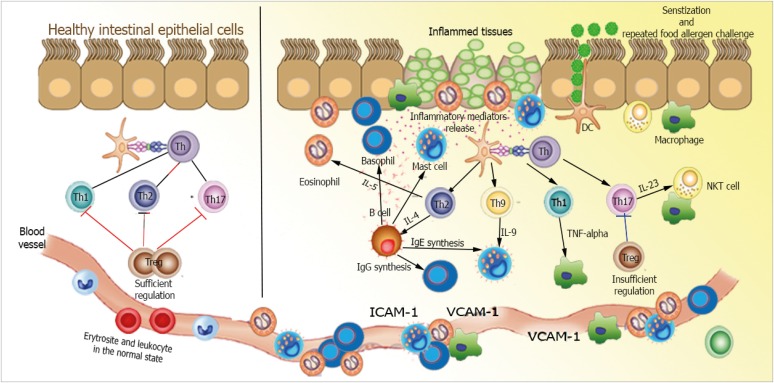
Eosinophilic esophagitis (EoE) is a recently recognized esophageal inflammatory disease with clinical manifestations arising from esophageal dysfunction. The etiology of EoE is currently being clarified and food allergy is evolving as the central cornerstone of EoE disease pathogenesis. Given the large number of eosinophils in the esophagus of people with EoE verified by data from murine models EoE is widely considered as the hallmark T-helper type 2 (Th2) disease of the esophagus. It is also known that some eosinophilic inflammation is controlled by other subsets of T cells such as Th9 or Th17 and control is also exerted by type 2 innate lymphoid cells acting together with basophils. In this paper we review results from molecular studies of mouse models in light of the results from the first clinical trials targeting key cytokines in humans and present in-depth molecular understanding of EoE.
嗜酸性粒细胞性食管炎(EoE)是一种最近才被认识的食管炎症性疾病,其临床表现源于食管功能障碍。EoE的病因目前正在阐明,食物过敏正逐渐成为EoE疾病发病机制的核心基石。鉴于小鼠模型数据证实EoE患者食管中有大量嗜酸性粒细胞,EoE被广泛认为是食管的标志性2型辅助性T(Th2)细胞疾病。还已知一些嗜酸性粒细胞炎症受其他T细胞亚群(如Th9或Th17)控制,2型固有淋巴细胞与嗜碱性粒细胞共同作用也发挥控制作用。在本文中,我们根据针对人类关键细胞因子的首批临床试验结果,回顾小鼠模型分子研究的结果,并对EoE进行深入的分子解读。