Mehta Pankaj, Wang Ching-Hao, Day Alexandre G R, Richardson Clint, Bukov Marin, Fisher Charles K, Schwab David J
Department of Physics, Boston University, Boston, MA 02215, USA.
Department of Physics, University of California, Berkeley, CA 94720, USA†.
Phys Rep. 2019 May 30;810:1-124. doi: 10.1016/j.physrep.2019.03.001. Epub 2019 Mar 14.
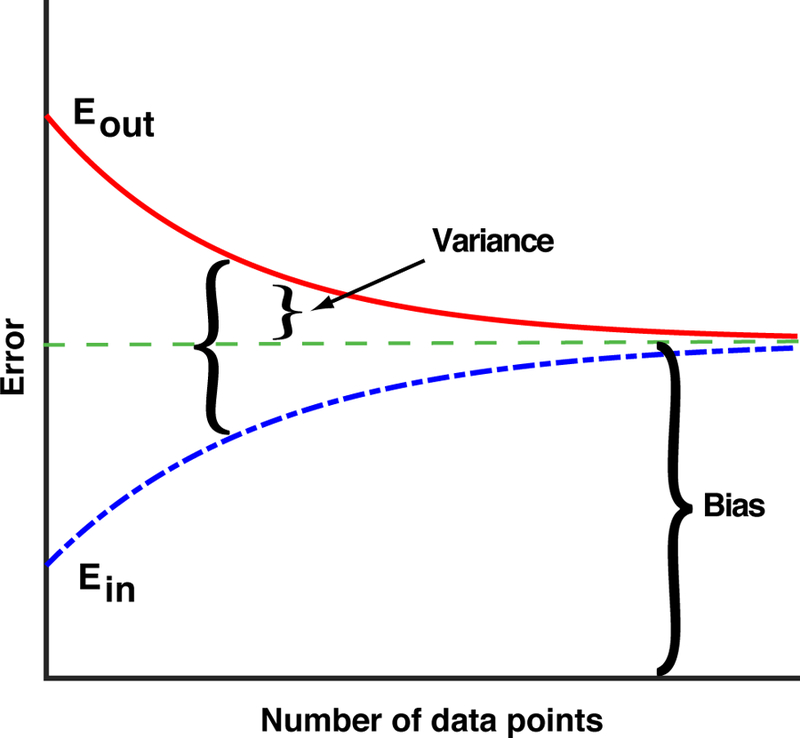
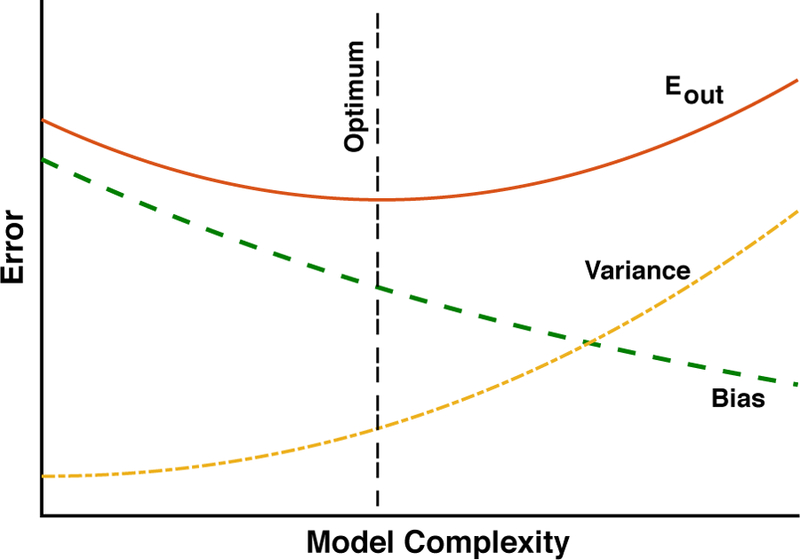
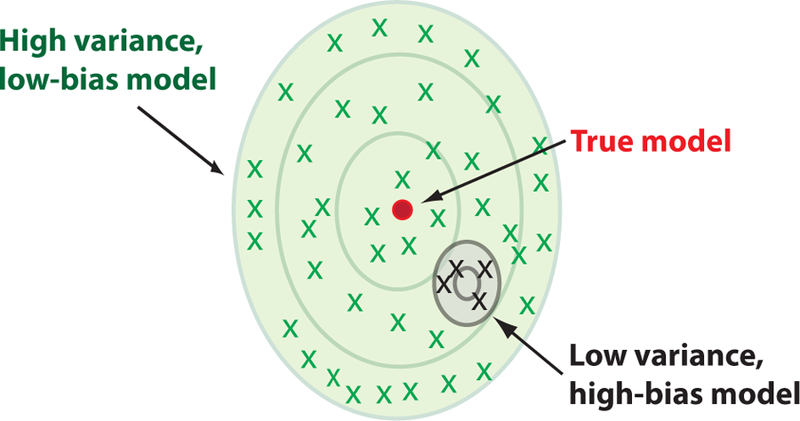
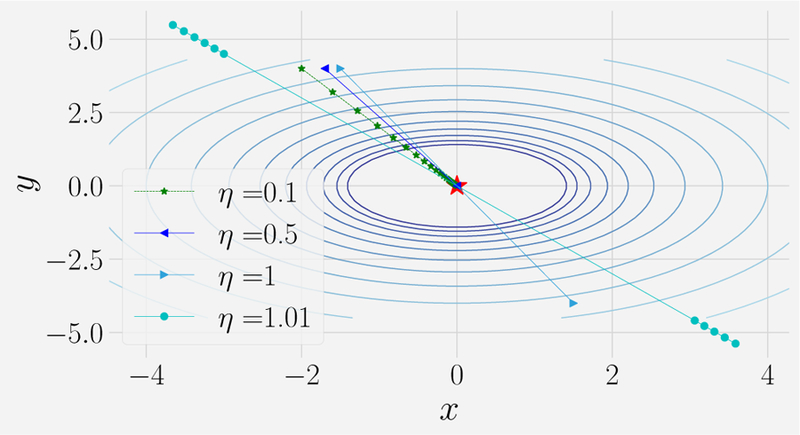
Machine Learning (ML) is one of the most exciting and dynamic areas of modern research and application. The purpose of this review is to provide an introduction to the core concepts and tools of machine learning in a manner easily understood and intuitive to physicists. The review begins by covering fundamental concepts in ML and modern statistics such as the bias-variance tradeoff, overfitting, regularization, generalization, and gradient descent before moving on to more advanced topics in both supervised and unsupervised learning. Topics covered in the review include ensemble models, deep learning and neural networks, clustering and data visualization, energy-based models (including MaxEnt models and Restricted Boltzmann Machines), and variational methods. Throughout, we emphasize the many natural connections between ML and statistical physics. A notable aspect of the review is the use of Python Jupyter notebooks to introduce modern ML/statistical packages to readers using physics-inspired datasets (the Ising Model and Monte-Carlo simulations of supersymmetric decays of proton-proton collisions). We conclude with an extended outlook discussing possible uses of machine learning for furthering our understanding of the physical world as well as open problems in ML where physicists may be able to contribute.
机器学习(ML)是现代研究与应用中最令人兴奋且充满活力的领域之一。本综述的目的是以物理学家易于理解且直观的方式,介绍机器学习的核心概念和工具。综述首先涵盖机器学习和现代统计学中的基本概念,如偏差 - 方差权衡、过拟合、正则化、泛化和梯度下降,然后再深入探讨监督学习和无监督学习中的更高级主题。综述涵盖的主题包括集成模型、深度学习和神经网络、聚类与数据可视化、基于能量的模型(包括最大熵模型和受限玻尔兹曼机)以及变分方法。贯穿始终,我们强调机器学习与统计物理之间的诸多自然联系。本综述的一个显著特点是使用Python Jupyter笔记本,通过受物理启发的数据集(伊辛模型以及质子 - 质子碰撞超对称衰变的蒙特卡罗模拟)向读者介绍现代机器学习/统计软件包。我们以扩展展望作为结尾,讨论机器学习在促进我们对物理世界的理解方面的可能用途,以及机器学习中物理学家可能能够做出贡献的开放问题。