Department of Laboratory Medicine, Linsen Chinese Medicine and Kunming Branch, Taipei City Hospital, Taipei, Taiwan.
Department of Pathology, National Defense Medical Center, Tri-Service General Hospital, Taipei, Taiwan.
Front Immunol. 2019 Jul 31;10:1815. doi: 10.3389/fimmu.2019.01815. eCollection 2019.
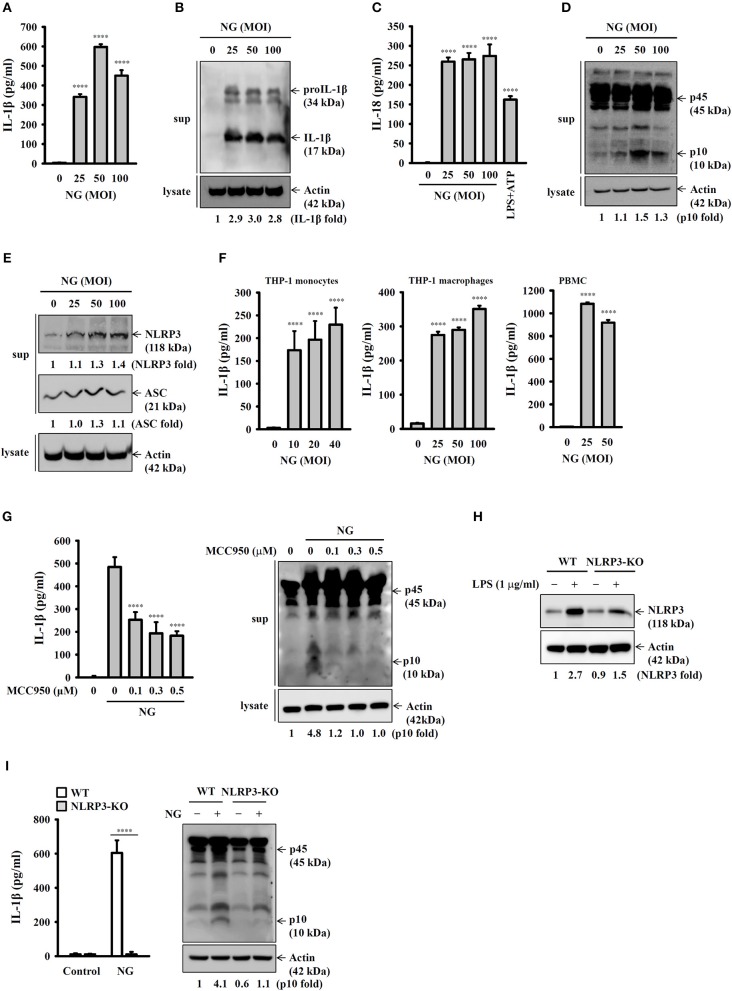
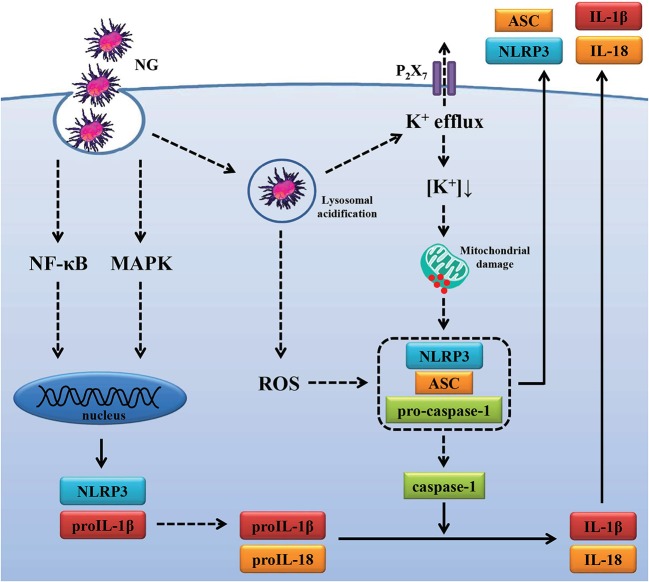
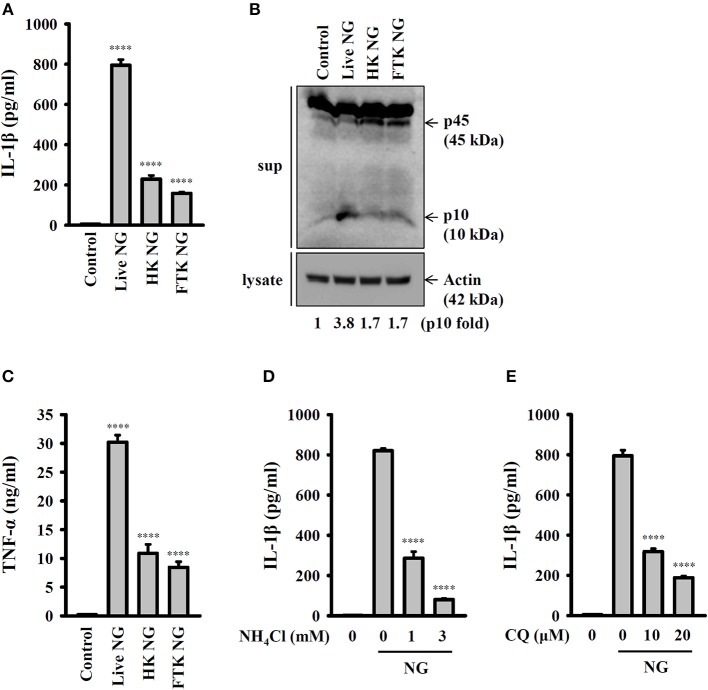
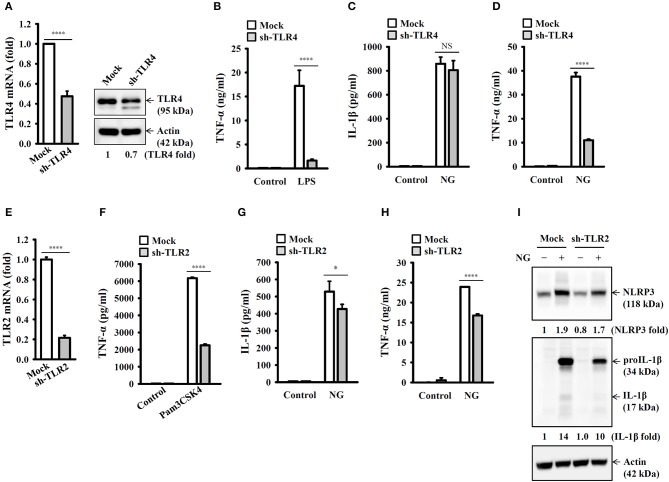
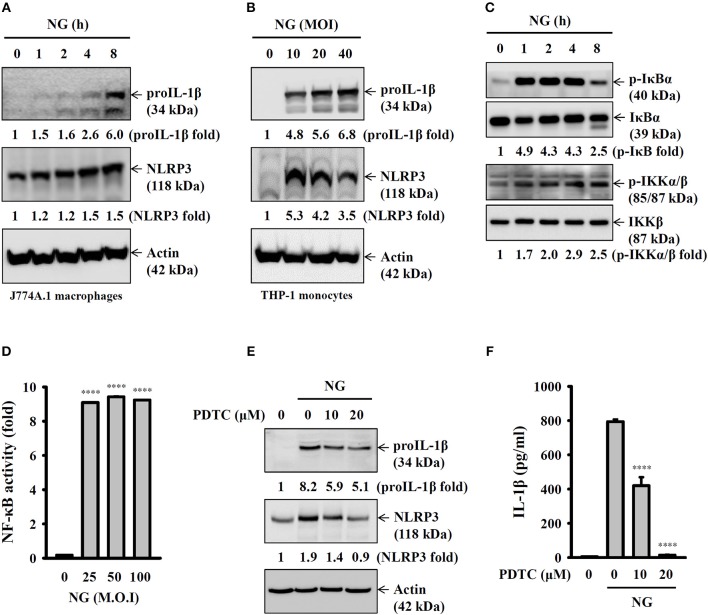
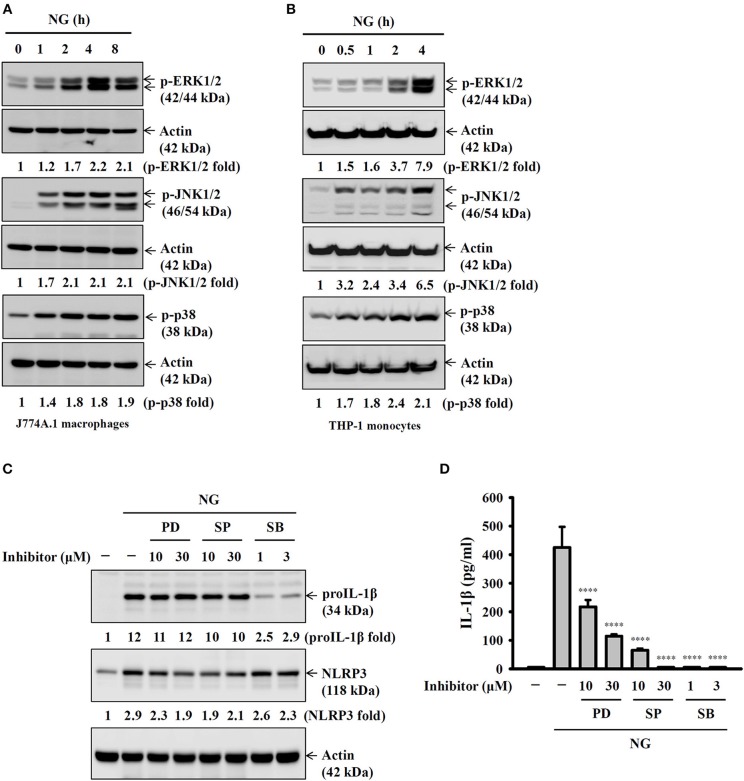
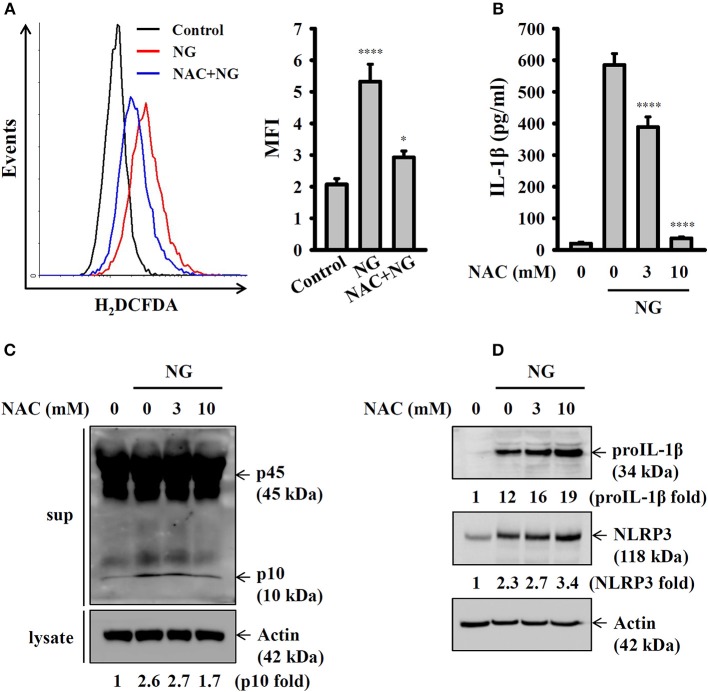
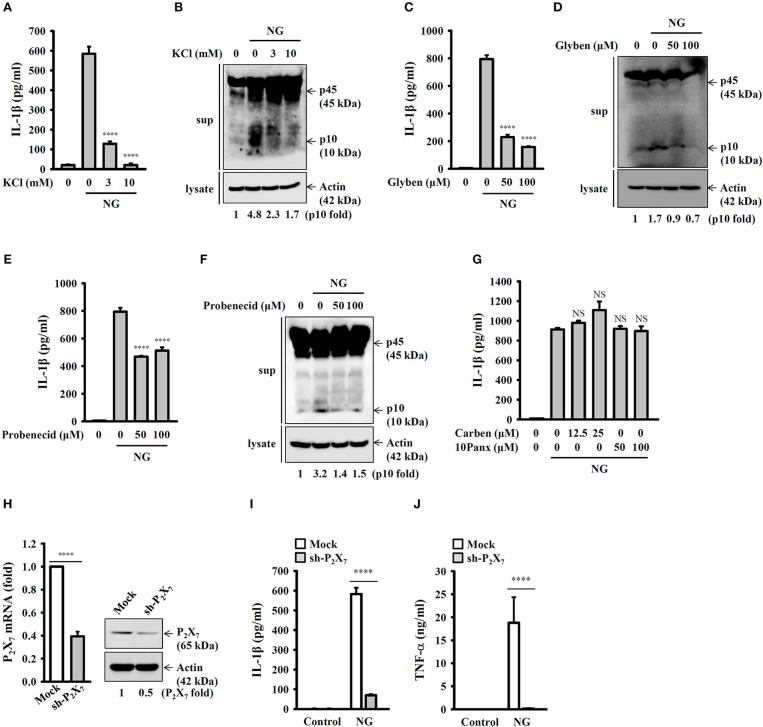
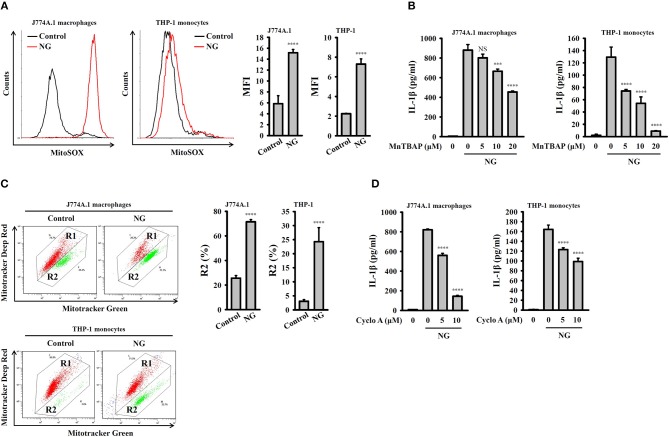
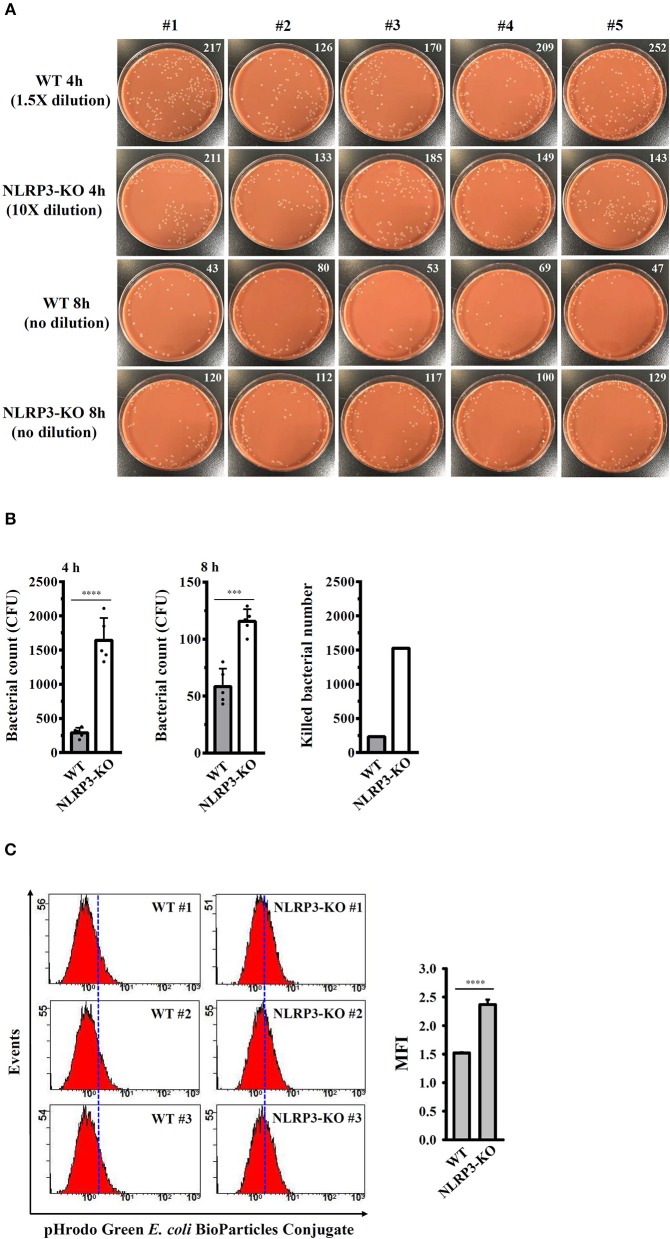
Gonorrhea is a type III legal communicable disease caused by (NG), one of the most common sexually transmitted bacteria worldwide. NG infection can cause urethritis or systemic inflammation and may lead to infertility or other complications. The NACHT, LRR, and PYD domains-containing protein 3 (NLRP3) inflammasome is a protein complex composed of NLRP3, apoptosis-associated speck-like protein and caspase-1 and is an important part of the cellular machinery controlling the release of interleukin (IL)-1β and IL-18 and the pathogenesis of numerous infectious diseases. It has been reported that NG infection activates the NLRP3 inflammasome; however, the underlying mechanism remain unclear. In this report, the signaling pathways involved in the regulation of NG-mediated NLRP3 inflammasome activation in macrophages were studied. The results indicated that viable NG, but not heat-killed or freeze/thaw-killed NG, activated the NLRP3 inflammasome in macrophages through toll-like receptor 2, but not toll-like receptor 4. NG infection provided the priming signal to the NLRP3 inflammasome that induced the expression of NLRP3 and IL-1β precursor through the nuclear factor kappa B and mitogen-activated protein kinase pathways. In addition, NG infection provided the activation signal to the NLRP3 inflammasome that activated caspase-1 through PX receptor-dependent potassium efflux, lysosomal acidification, mitochondrial dysfunction, and reactive oxygen species production pathways. Furthermore, we demonstrated that NLRP3 knockout increased phagocytosis of bacteria by macrophages and increases the bactericidal activity of macrophages against NG. These findings provide potential molecular targets for the development of anti-inflammatory drugs that could ameliorate NG-mediated inflammation.
淋病是一种由淋球菌(NG)引起的 III 类法定传染病,是全球最常见的性传播细菌之一。NG 感染可引起尿道炎或全身炎症,并可能导致不孕或其他并发症。NACHT、LRR 和 PYD 结构域包含蛋白 3(NLRP3)炎症小体是一种由 NLRP3、凋亡相关斑点样蛋白和半胱天冬酶-1 组成的蛋白质复合物,是控制白细胞介素(IL)-1β和 IL-18 释放以及多种感染性疾病发病机制的细胞机制的重要组成部分。有报道称,NG 感染可激活 NLRP3 炎症小体;然而,其潜在机制尚不清楚。在本报告中,研究了调节巨噬细胞中 NG 介导的 NLRP3 炎症小体激活的相关信号通路。结果表明,活 NG,但不是热灭活或冻融 NG,通过 Toll 样受体 2 激活巨噬细胞中的 NLRP3 炎症小体,但不是 Toll 样受体 4。NG 感染为 NLRP3 炎症小体提供了启动信号,通过核因子 kappa B 和丝裂原活化蛋白激酶通路诱导 NLRP3 和白细胞介素 1β前体的表达。此外,NG 感染为 NLRP3 炎症小体提供了激活信号,通过 PX 受体依赖性钾外流、溶酶体酸化、线粒体功能障碍和活性氧产生通路激活半胱天冬酶-1。此外,我们证明 NLRP3 敲除增加了巨噬细胞对细菌的吞噬作用,并增加了巨噬细胞对 NG 的杀菌活性。这些发现为开发抗炎药物提供了潜在的分子靶点,这些药物可能改善 NG 介导的炎症。