Department of Neuroscience, Functional Pharmacology, Uppsala University, 751 24 Uppsala, Sweden.
Centre for Integrated Research (CIR), Area of Diagnostic Imaging, University "Campus Bio-Medico di Roma", 00128 Rome, Italy.
Nutrients. 2019 Aug 15;11(8):1907. doi: 10.3390/nu11081907.
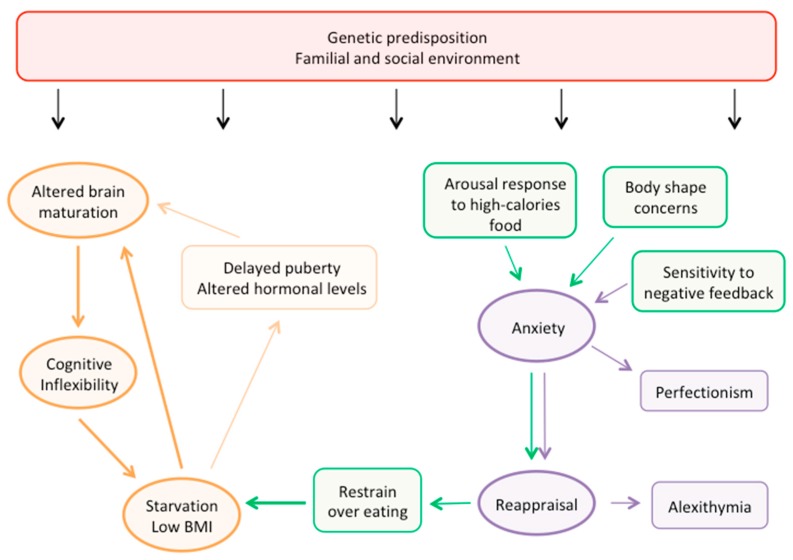
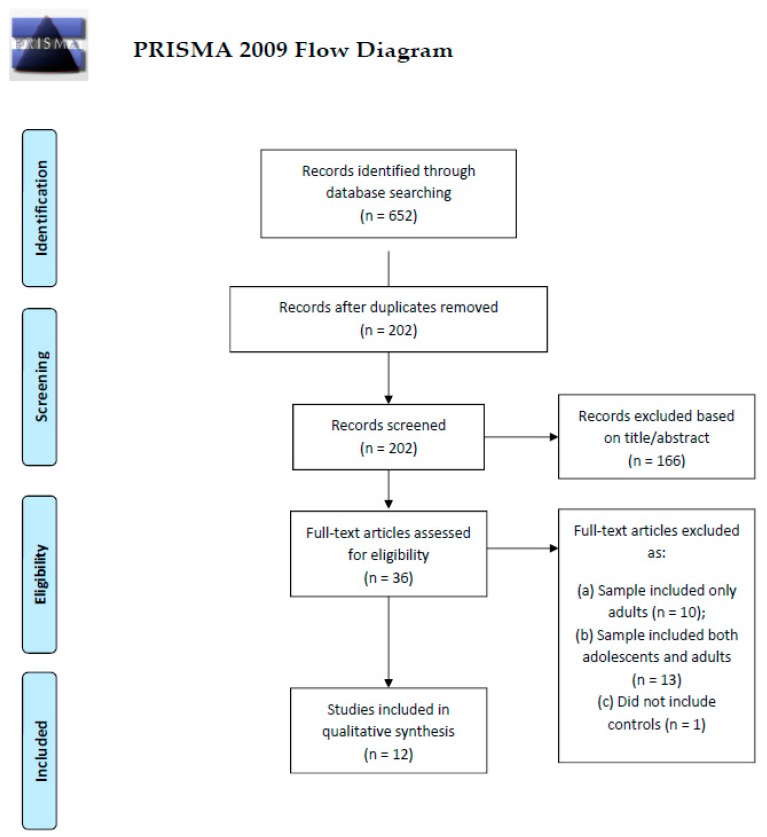
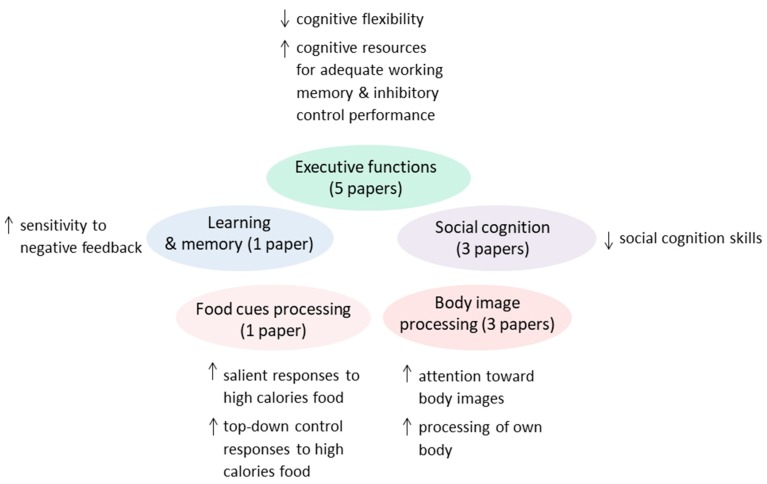
Anorexia nervosa (AN) is an eating disorder often occurring in adolescence. AN has one of the highest mortality rates amongst psychiatric illnesses and is associated with medical complications and high risk for psychiatric comorbidities, persisting after treatment. Remission rates range from 23% to 33%. Moreover, weight recovery does not necessarily reflect cognitive recovery. This issue is of particular interest in adolescence, characterized by progressive changes in brain structure and functional circuitries, and fast cognitive development. We reviewed existing literature on fMRI studies in adolescents diagnosed with AN, following PRISMA guidelines. Eligible studies had to: (1) be written in English; (2) include only adolescent participants; and (3) use block-design fMRI. We propose a pathogenic model based on normal and AN-related neural and cognitive maturation during adolescence. We propose that underweight and delayed puberty-caused by genetic, environmental, and neurobehavioral factors-can affect brain and cognitive development and lead to impaired cognitive flexibility, which in turn sustains the perpetuation of aberrant behaviors in a vicious cycle. Moreover, greater punishment sensitivity causes a shift toward punishment-based learning, leading to greater anxiety and ultimately to excessive reappraisal over emotions. Treatments combining physiological and neurobehavioral rationales must be adopted to improve outcomes and prevent relapses.
神经性厌食症(AN)是一种常见于青春期的饮食失调症。AN 的死亡率在精神疾病中最高,与医疗并发症和精神共病的高风险相关,且在治疗后仍持续存在。缓解率范围为 23%至 33%。此外,体重恢复并不一定反映认知恢复。在青少年中,这个问题特别值得关注,因为他们的大脑结构和功能回路正在逐渐变化,认知发展迅速。我们按照 PRISMA 指南综述了诊断为 AN 的青少年的 fMRI 研究的现有文献。符合条件的研究必须:(1)用英文撰写;(2)仅包括青少年参与者;和 (3)使用块设计 fMRI。我们提出了一个基于正常和 AN 相关的神经和认知成熟的致病模型。我们提出,由遗传、环境和神经行为因素引起的体重不足和青春期延迟会影响大脑和认知发育,并导致认知灵活性受损,从而使异常行为在恶性循环中持续存在。此外,更高的惩罚敏感性导致基于惩罚的学习,从而导致更大的焦虑,最终对情绪进行过度再评价。必须采用结合生理和神经行为原理的治疗方法,以改善结果并预防复发。