Institute for Immunity and Transplantation, Division of Infection and Immunity, University College London, London NW3 2PF, UK and Cancer Institute Department of Haematology, Division of Cancer Studies, University College London, London WC1E 6DD, UK.
Bill Lyons Informatics Centre, Cancer Institute, University College London, London WC1E 6DD, UK.
Sci Immunol. 2019 Aug 23;4(38). doi: 10.1126/sciimmunol.aax8704.
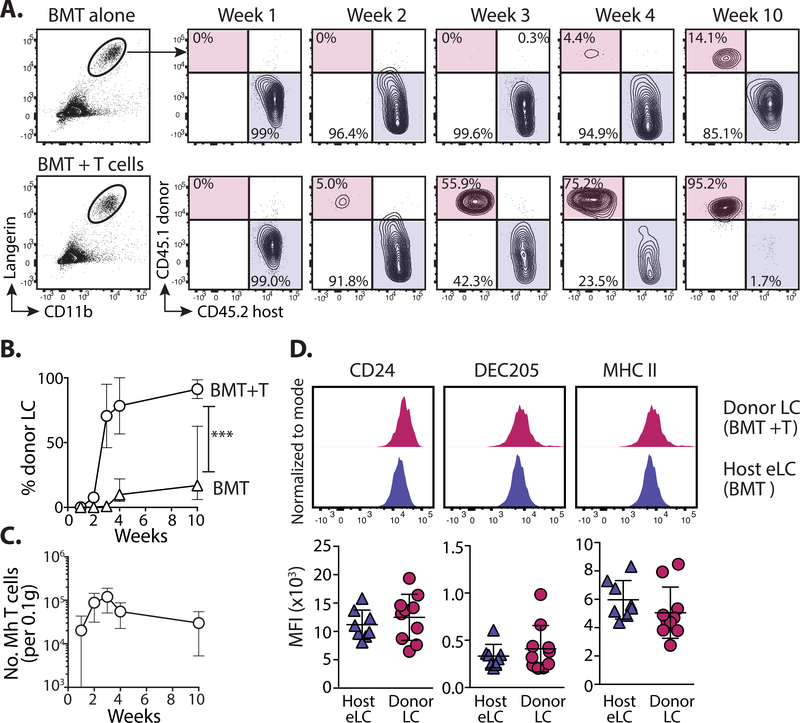
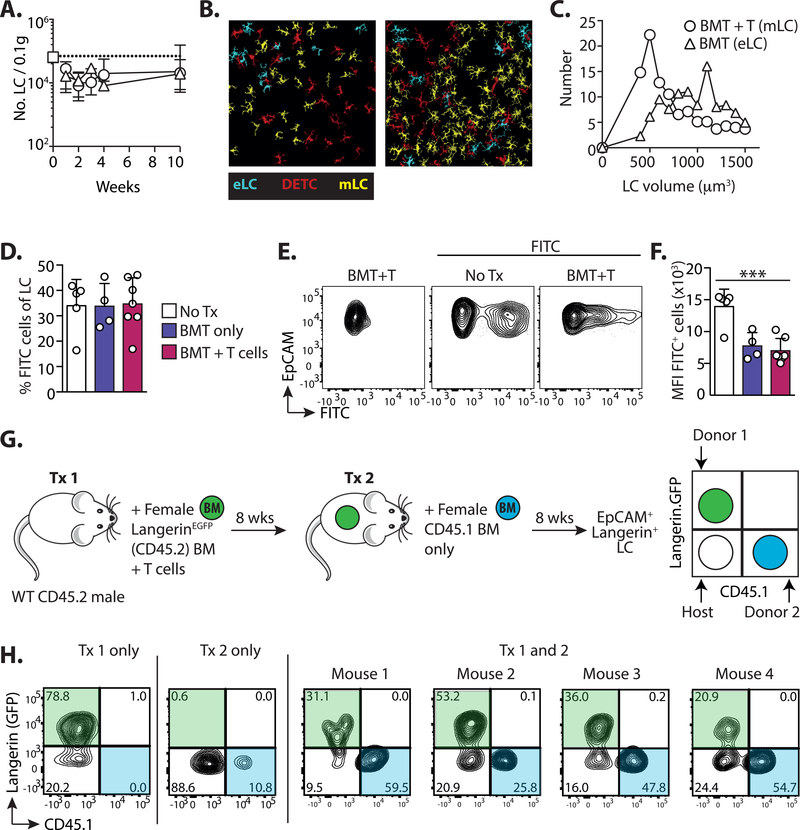
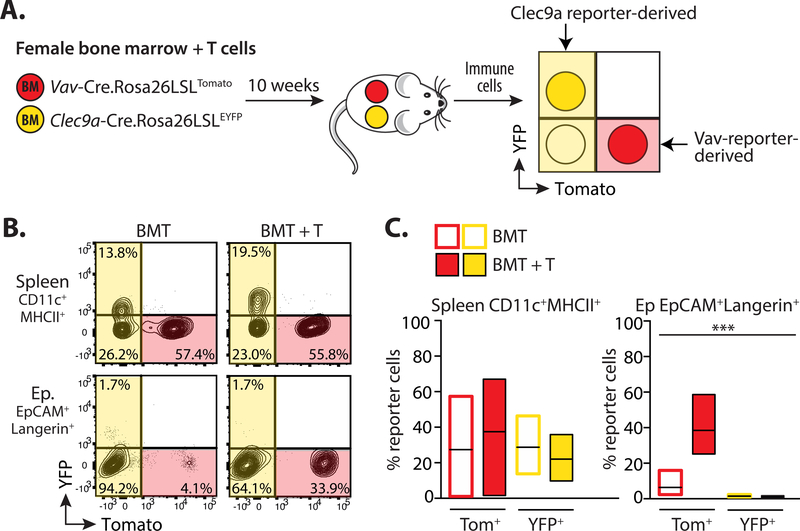
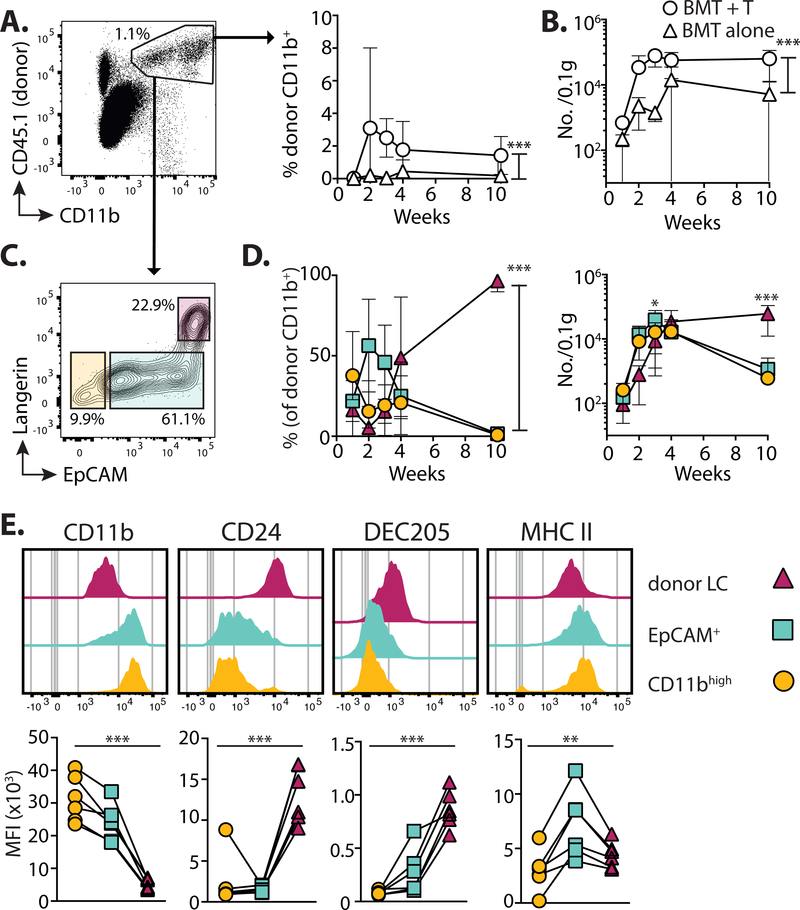
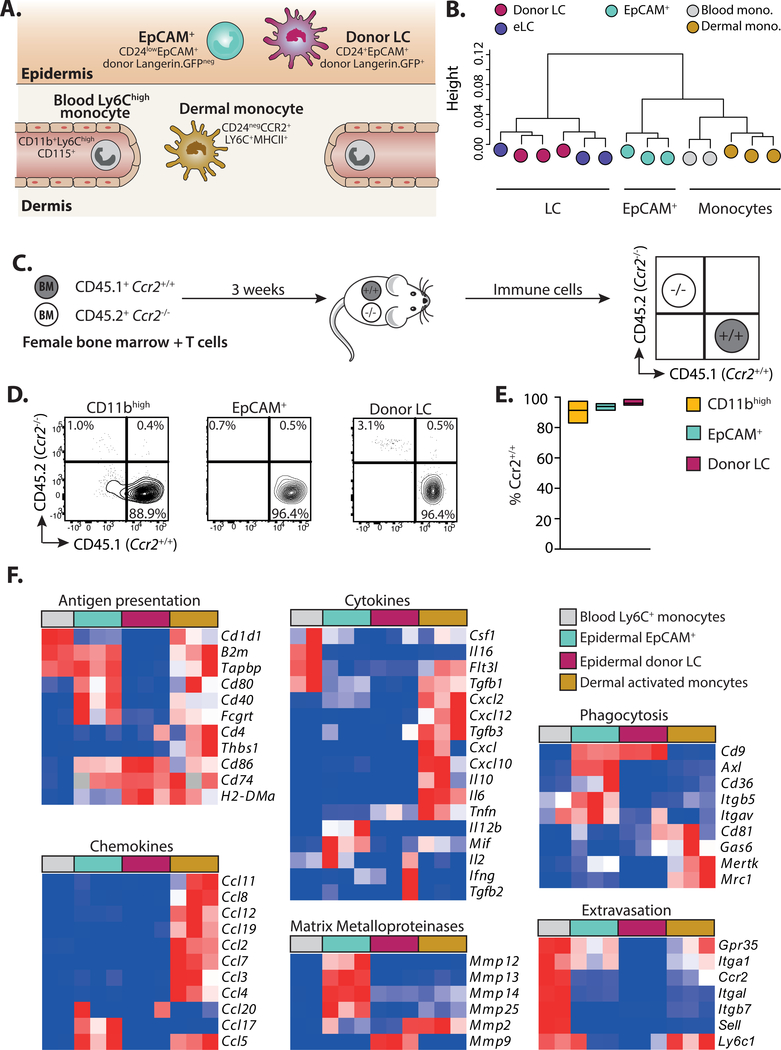
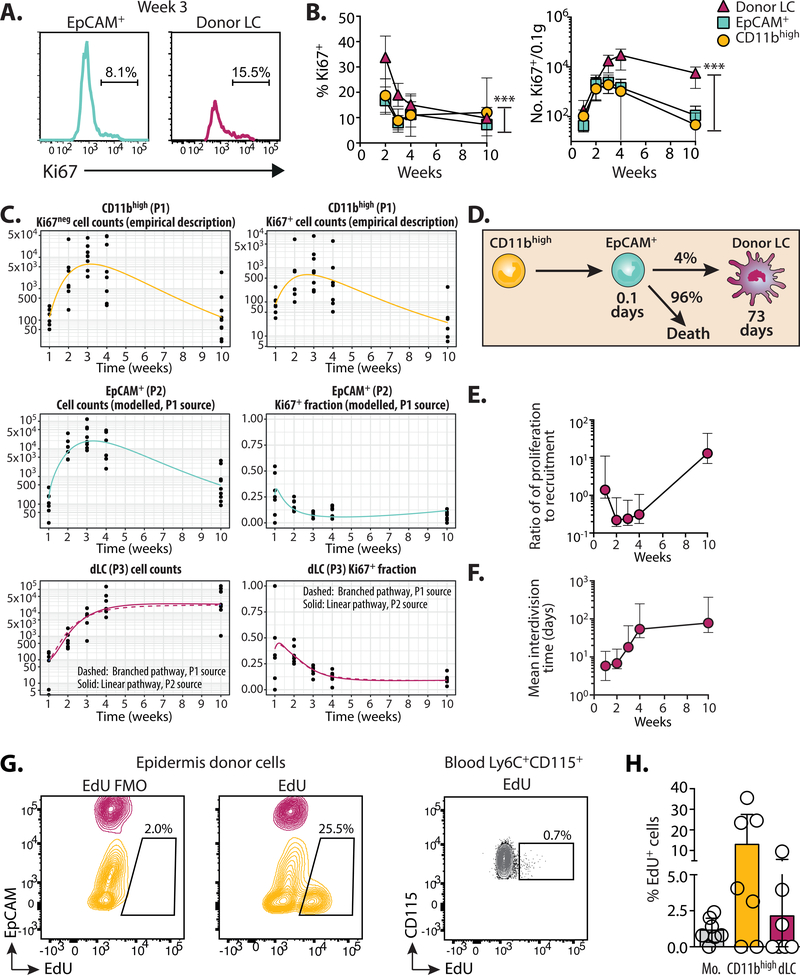
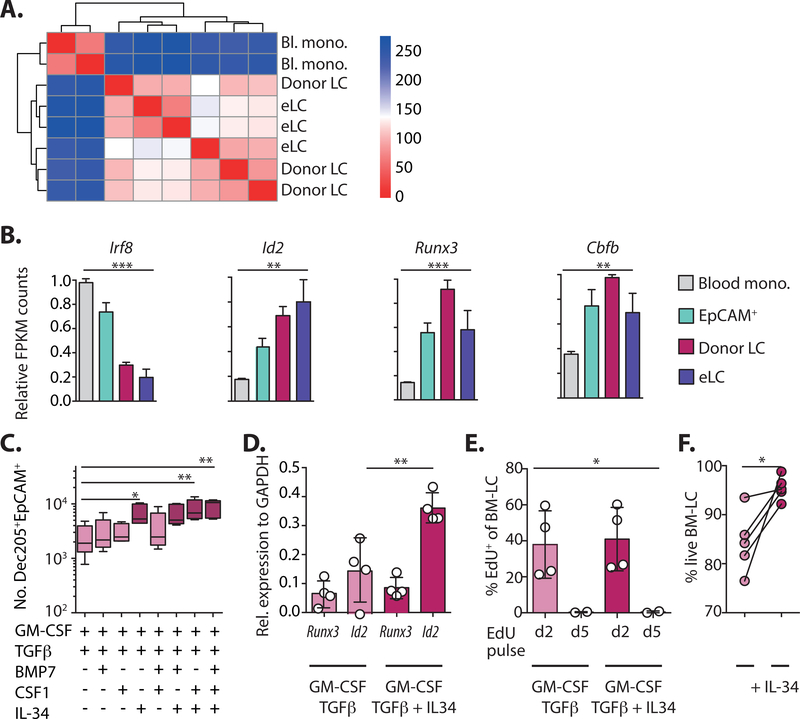
A dense population of embryo-derived Langerhans cells (eLCs) is maintained within the sealed epidermis without contribution from circulating cells. When this network is perturbed by transient exposure to ultraviolet light, short-term LCs are temporarily reconstituted from an initial wave of monocytes but thought to be superseded by more permanent repopulation with undefined LC precursors. However, the extent to which this process is relevant to immunopathological processes that damage LC population integrity is not known. Using a model of allogeneic hematopoietic stem cell transplantation, where alloreactive T cells directly target eLCs, we have asked whether and how the original LC network is ultimately restored. We find that donor monocytes, but not dendritic cells, are the precursors of long-term LCs in this context. Destruction of eLCs leads to recruitment of a wave of monocytes that engraft in the epidermis and undergo a sequential pathway of differentiation via transcriptionally distinct EpCAM precursors. Monocyte-derived LCs acquire the capacity of self-renewal, and proliferation in the epidermis matched that of steady-state eLCs. However, we identified a bottleneck in the differentiation and survival of epidermal monocytes, which, together with the slow rate of renewal of mature LCs, limits repair of the network. Furthermore, replenishment of the LC network leads to constitutive entry of cells into the epidermal compartment. Thus, immune injury triggers functional adaptation of mechanisms used to maintain tissue-resident macrophages at other sites, but this process is highly inefficient in the skin.
胚胎衍生的朗格汉斯细胞(eLCs)在密封的表皮内维持着高密度的群体,而无需循环细胞的贡献。当这个网络受到短暂暴露于紫外光的干扰时,短期的 LC 会暂时从最初的单核细胞波中重新构成,但据认为会被未定义的 LC 前体的更永久性再填充所取代。然而,这个过程在多大程度上与损害 LC 群体完整性的免疫病理过程有关尚不清楚。使用同种异体造血干细胞移植模型,其中同种反应性 T 细胞直接靶向 eLCs,我们已经询问了这个原始 LC 网络最终是否以及如何得到恢复。我们发现,在这种情况下,供体单核细胞而不是树突状细胞是长期 LC 的前体。eLCs 的破坏导致单核细胞的募集,这些单核细胞在表皮中定植,并通过转录上不同的 EpCAM 前体经历一个连续的分化途径。单核细胞衍生的 LC 获得了自我更新的能力,并且在表皮中的增殖与稳态 eLCs 相匹配。然而,我们在表皮单核细胞的分化和存活方面发现了一个瓶颈,这与成熟 LC 缓慢更新的速度一起限制了网络的修复。此外,LC 网络的补充导致细胞持续进入表皮隔室。因此,免疫损伤引发了用于维持其他部位组织驻留巨噬细胞的机制的功能适应,但这个过程在皮肤中效率非常低。