Laboratory of Feed Biotechnology, State Key Laboratory of Animal Nutrition, College of Animal Science and Technology, China Agricultural University, Beijing, China.
Prestage Department of Poultry Science, North Carolina State University, Raleigh, NC, United States.
Front Immunol. 2019 Aug 6;10:1841. doi: 10.3389/fimmu.2019.01841. eCollection 2019.
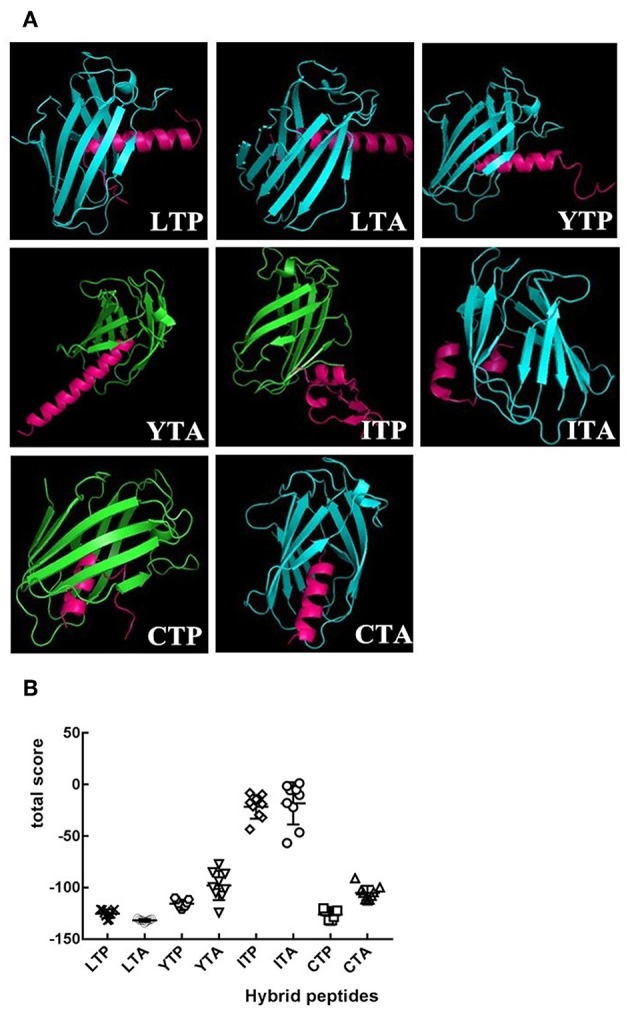
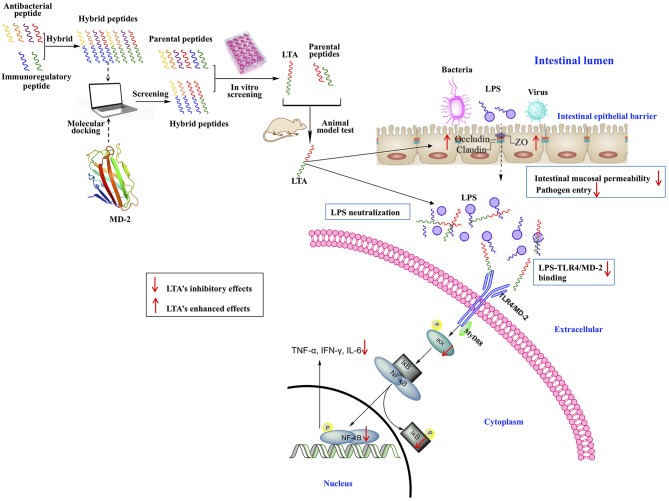
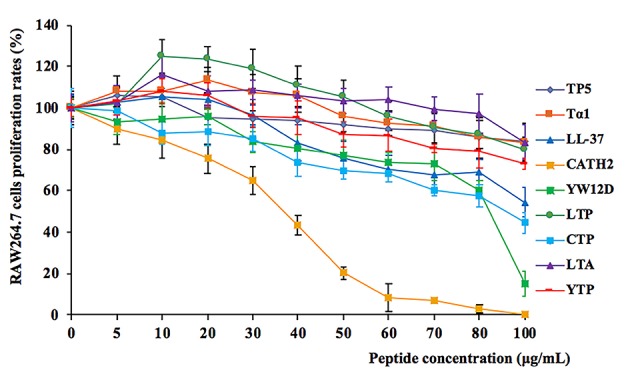
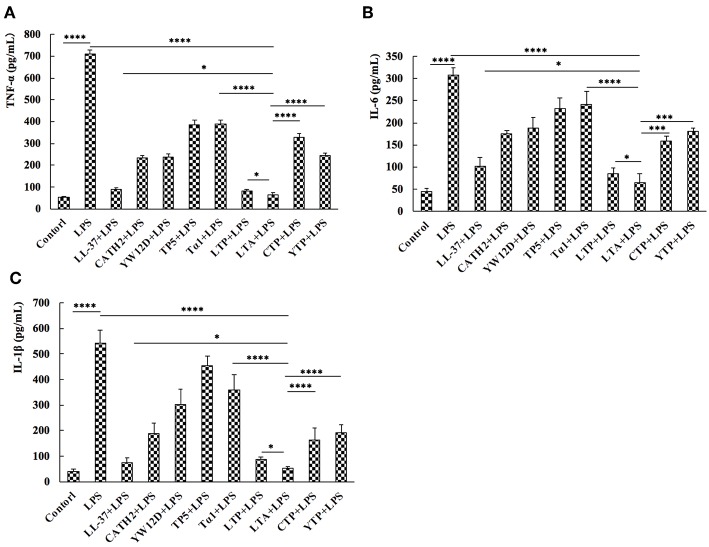
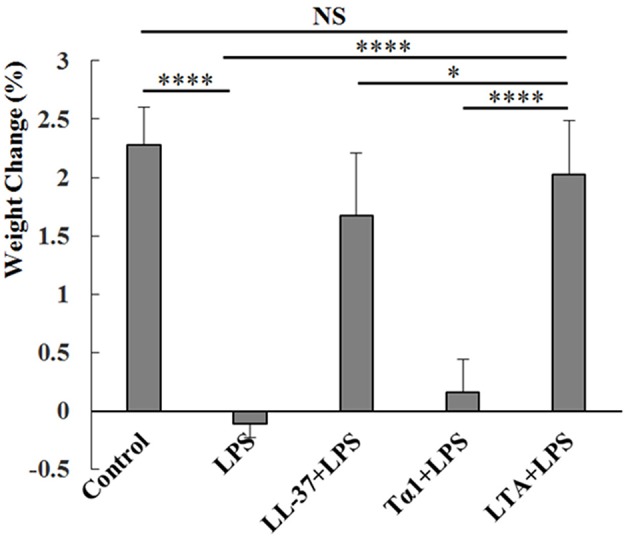
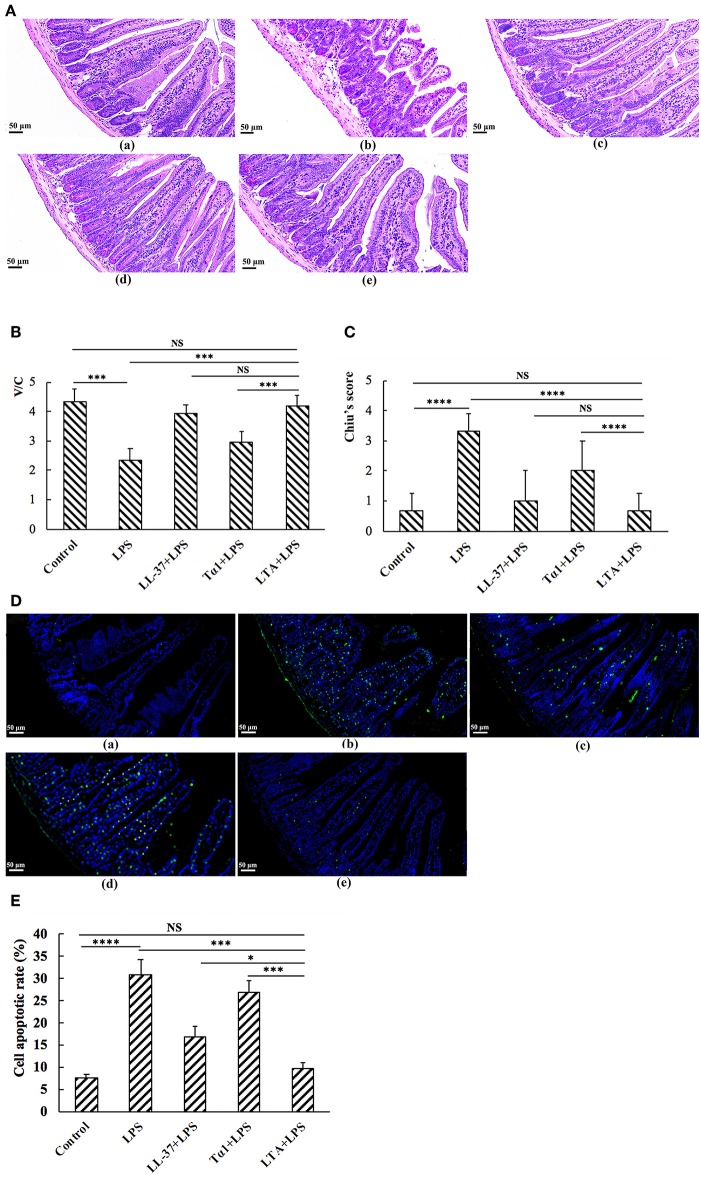
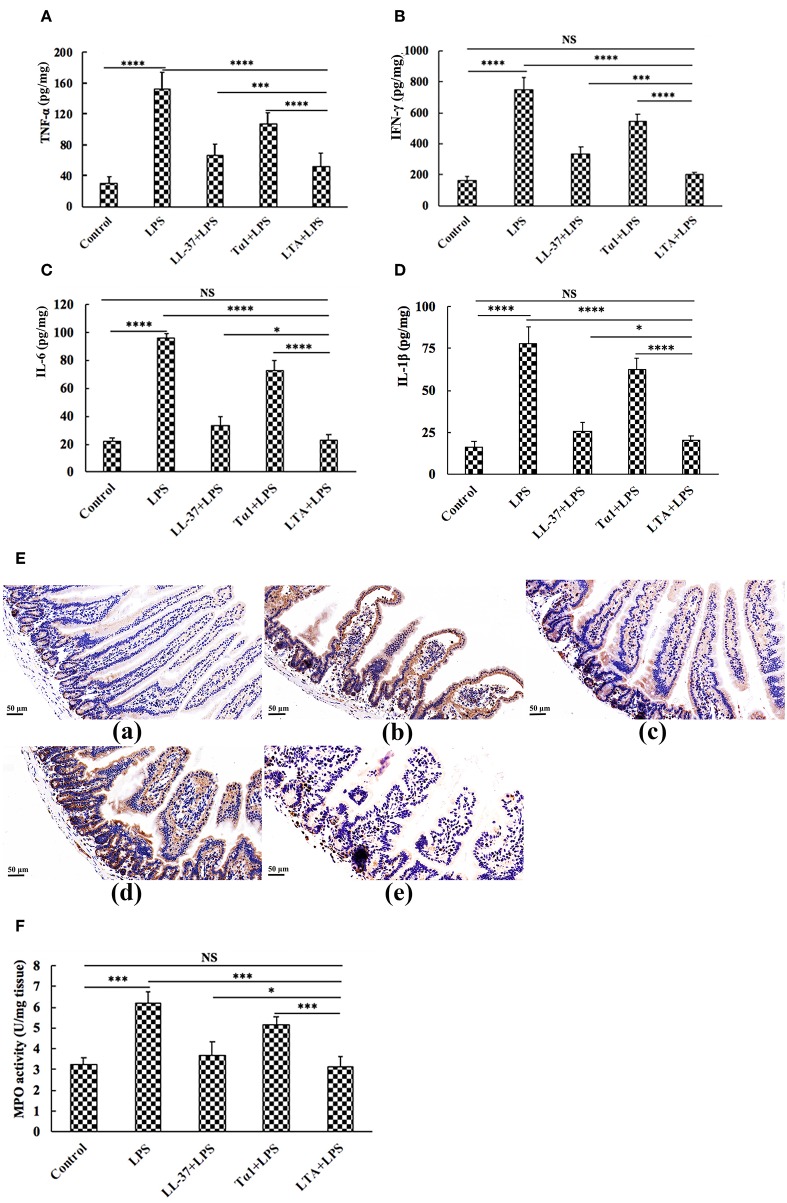
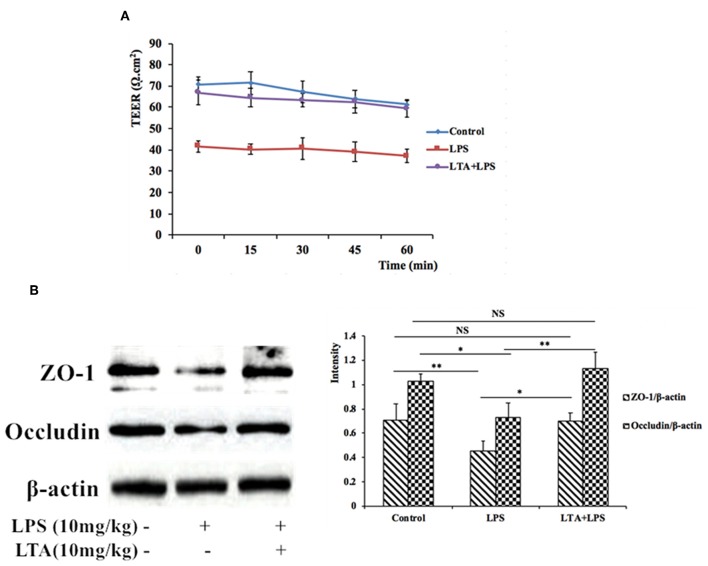
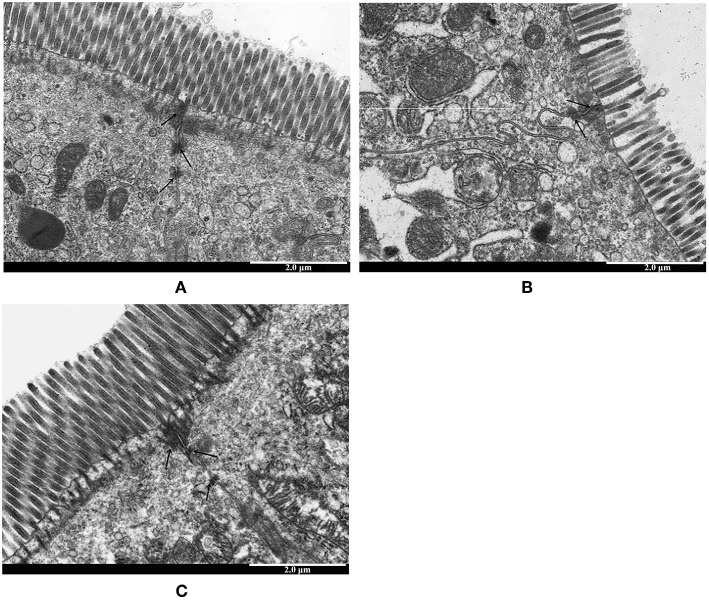
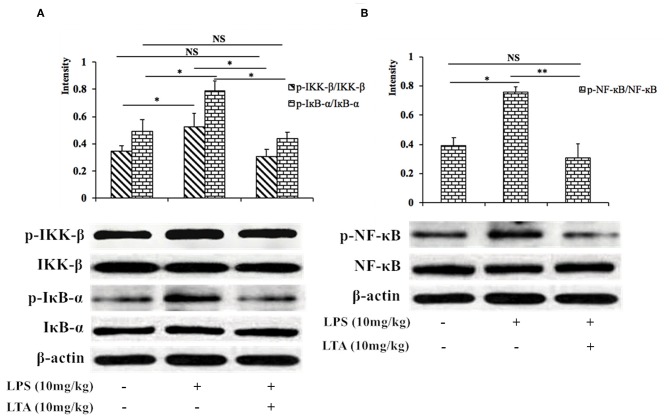
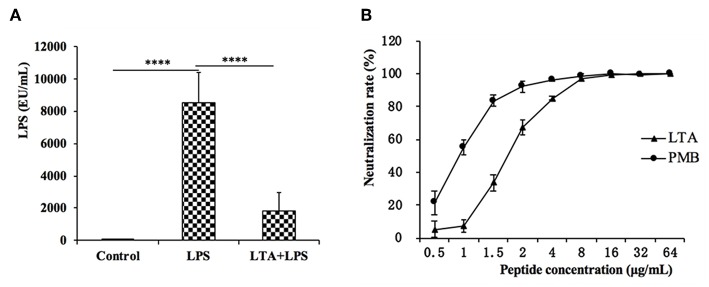
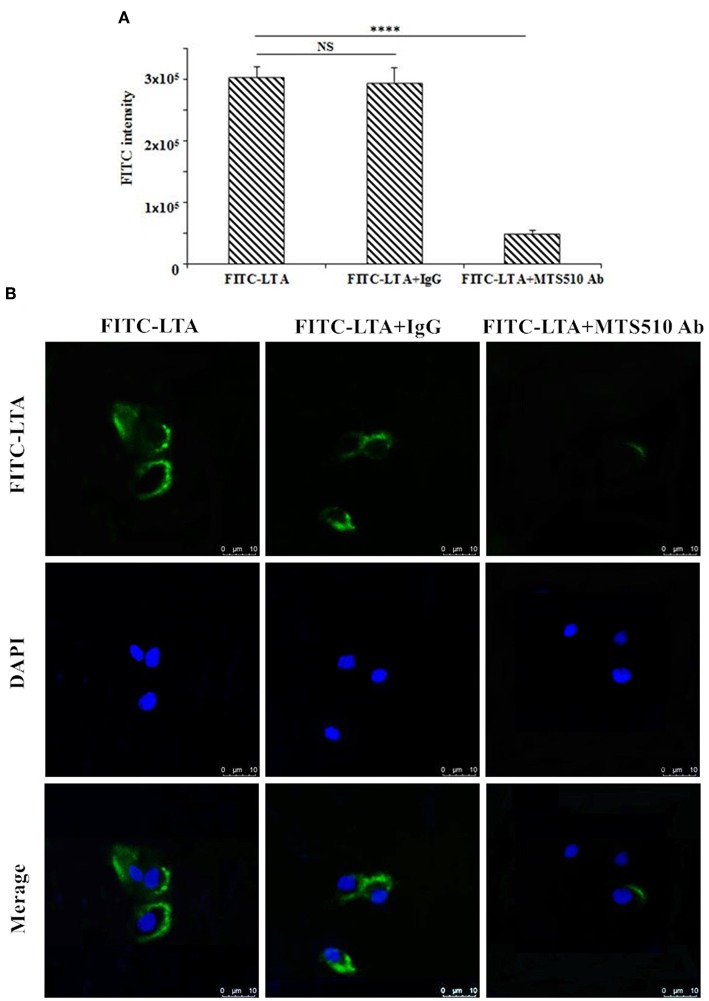
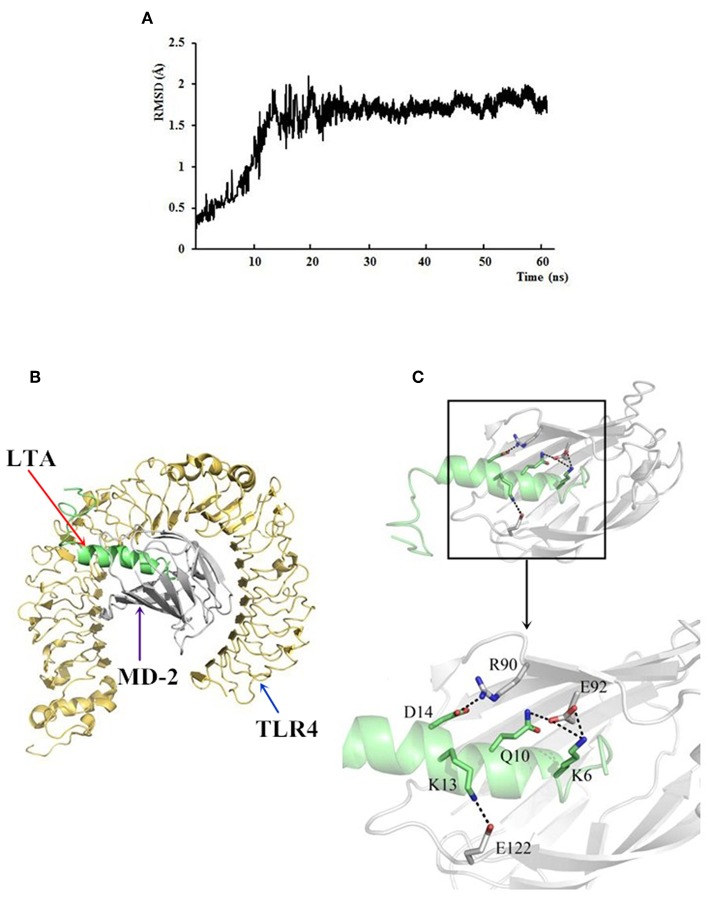
Intestinal inflammatory disorders, such as inflammatory bowel disease (IBD), are associated with increased pro-inflammatory cytokine secretion in the intestines. Furthermore, intestinal inflammation increases the risk of enteric cancer, which is a common malignancy globally. Native anti-inflammatory peptides are a class of anti-inflammatory agents that could be used in the treatment of several intestinal inflammation conditions. However, potential cytotoxicity, and poor anti-inflammatory activity have prevented their development as anti-inflammatory agents. Therefore, in this study, we designed and developed a novel hybrid peptide for the treatment of intestinal inflammation. Eight hybrid peptides were designed by combining the active centers of antimicrobial peptides, including LL-37 (13-36), YW12D, innate defense regulator 1, and cathelicidin 2 (1-13) with thymopentin or the active center of thymosin alpha 1 (Tα1) (17-24). The hybrid peptide, LL-37-Tα1 (LTA), had improved anti-inflammatory activity with minimal cytotoxicity. LTA was screened by molecule docking and experiments. Likewise, its anti-inflammatory effects and mechanisms were also evaluated using a lipopolysaccharide (LPS)-induced intestinal inflammation murine model. The results showed that LTA prevented LPS-induced impairment in the jejunum epithelium tissues and infiltration of leukocytes, which are both histological markers of inflammation. Additionally, LTA decreased the levels of tumor necrosis factor-alpha, interferon-gamma, interleukin-6, and interleukin-1β. LTA increased the expression of zonula occludens-1 and occludin, and reduced permeability and apoptosis in the jejunum of LPS-treated mice. Additionally, its anti-inflammatory effect is associated with neutralizing LPS, binding to the Toll-like receptor 4-myeloid differentiation factor 2 (TLR4/MD-2) complex, and modulating the nuclear factor-kappa B signal transduction pathway. The findings of this study suggest that LTA may be an effective therapeutic agent in the treatment of intestinal inflammation.
肠道炎症性疾病,如炎症性肠病(IBD),与肠道中促炎细胞因子分泌增加有关。此外,肠道炎症会增加患肠道癌的风险,而肠道癌是全球常见的恶性肿瘤。天然抗炎肽是一类抗炎剂,可用于治疗多种肠道炎症。然而,潜在的细胞毒性和抗炎活性差阻碍了它们作为抗炎剂的发展。因此,在本研究中,我们设计并开发了一种用于治疗肠道炎症的新型杂合肽。通过将包括 LL-37(13-36)、YW12D、先天防御调节剂 1 和抗菌肽 2(1-13)的活性中心与胸腺五肽或胸腺素 alpha 1(Tα1)(17-24)的活性中心相结合,设计了 8 种杂合肽。杂合肽 LL-37-Tα1(LTA)具有改善的抗炎活性和最小的细胞毒性。通过分子对接和实验筛选出 LTA。同样,还使用脂多糖(LPS)诱导的肠道炎症小鼠模型评估了其抗炎作用及其机制。结果表明,LTA 可预防 LPS 诱导的空肠上皮组织损伤和白细胞浸润,这两者都是炎症的组织学标志物。此外,LTA 降低了肿瘤坏死因子-α、干扰素-γ、白细胞介素-6 和白细胞介素-1β的水平。LTA 增加了紧密连接蛋白-1 和闭合蛋白的表达,并减少了 LPS 处理的小鼠空肠中的通透性和凋亡。此外,其抗炎作用与中和 LPS、与 Toll 样受体 4-髓样分化因子 2(TLR4/MD-2)复合物结合以及调节核因子-κB 信号转导通路有关。本研究结果表明,LTA 可能是治疗肠道炎症的有效治疗剂。