Department of Microbiology and Immunology, University of Arkansas for Medical Sciences, Little Rock, AR, United States.
Department of Medical Microbiology and Immunology, Creighton University, Omaha, NE, United States.
Front Cell Infect Microbiol. 2019 Aug 13;9:290. doi: 10.3389/fcimb.2019.00290. eCollection 2019.
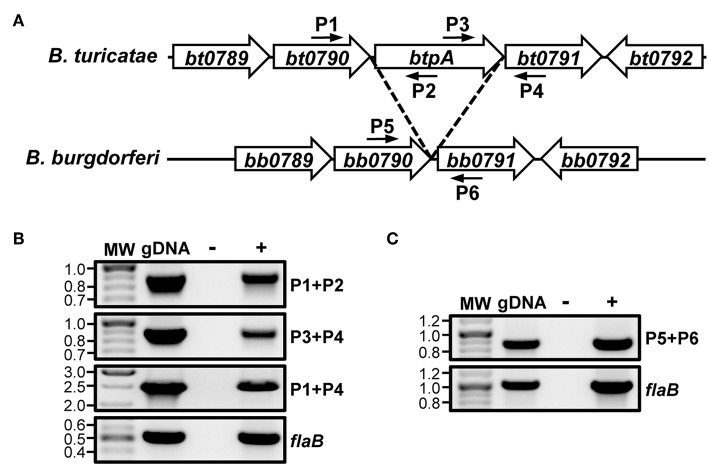
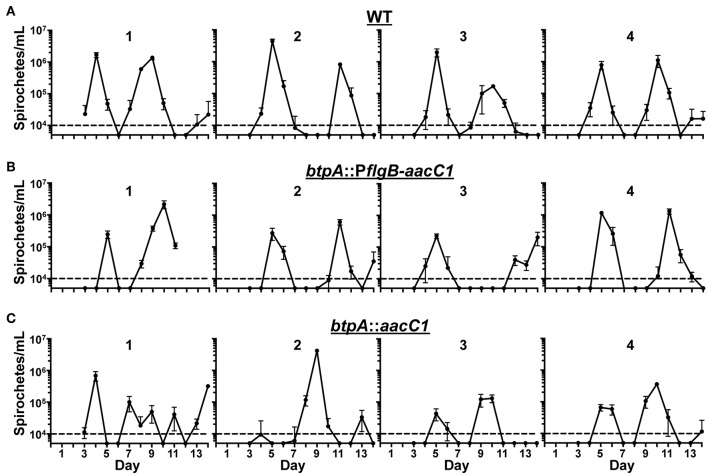
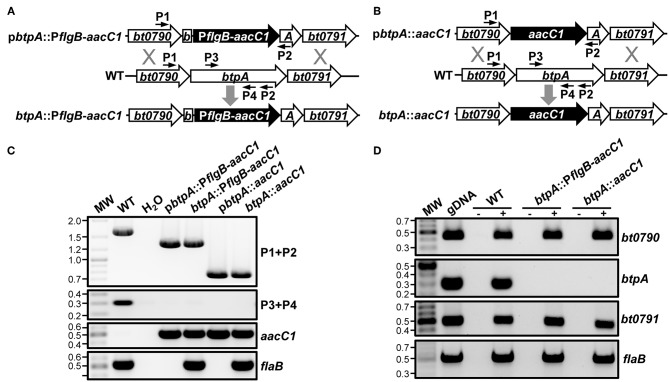
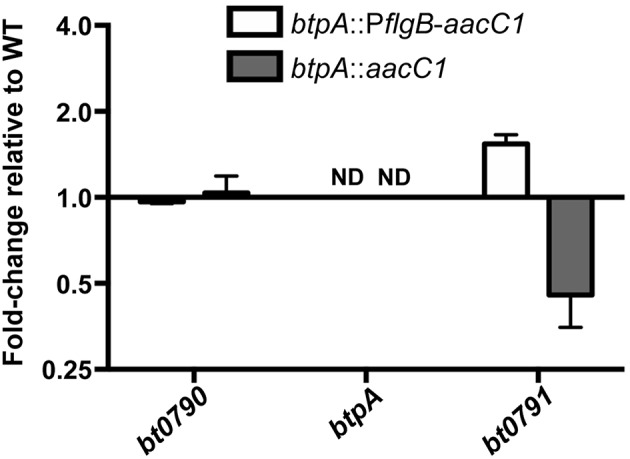
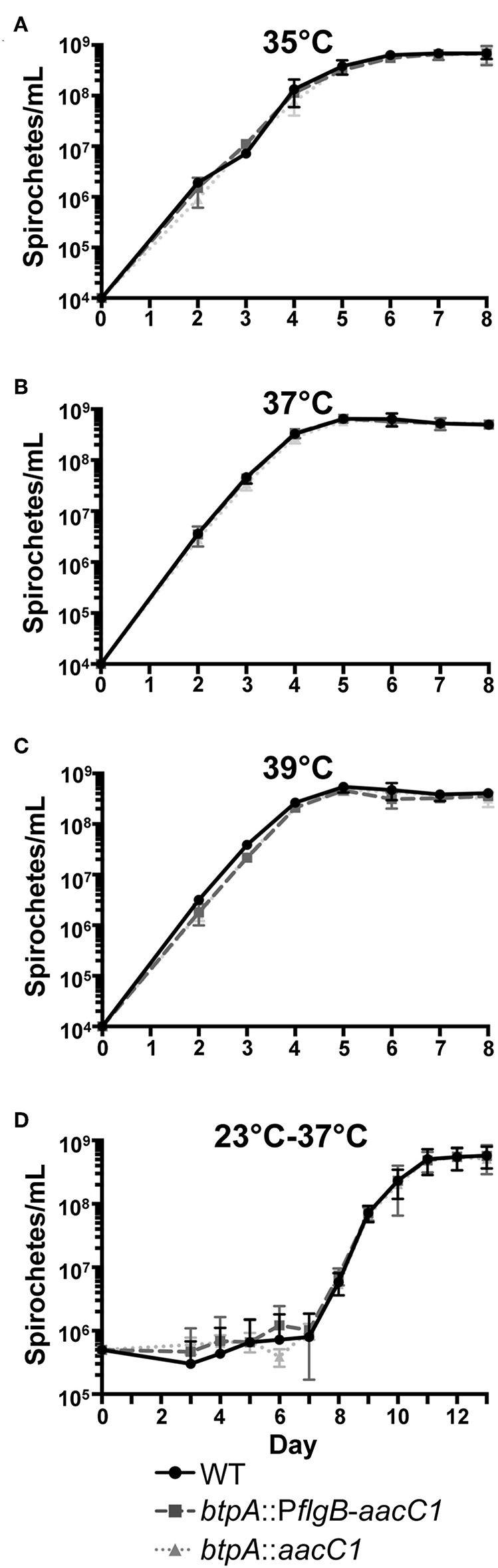
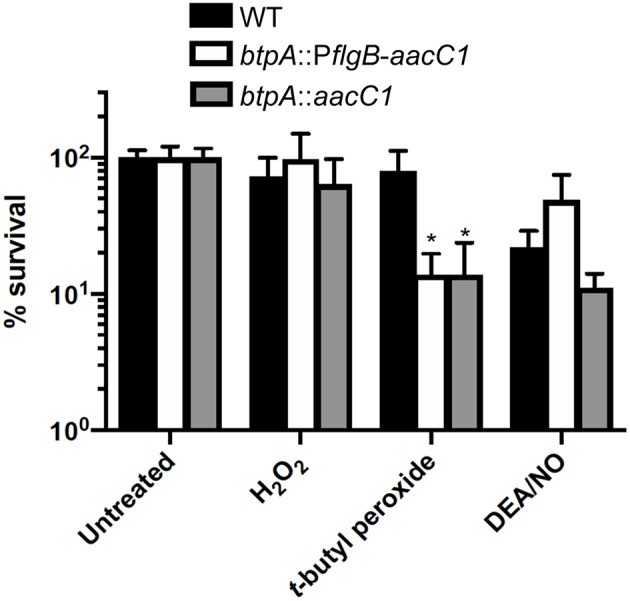
Tick-borne relapsing fever (TBRF), characterized by recurring febrile episodes, is globally distributed and among the most common bacterial infections in some African countries. Despite the public health concern that this disease represents, little is known regarding the virulence determinants required by TBRF during infection. Because the chromosomes of TBRF show extensive colinearity with those of Lyme disease (LD) , the exceptions represent unique genes encoding proteins that are potentially essential to the disparate enzootic cycles of these two groups of spirochetes. One such exception is a gene encoding an HtrA family protease, BtpA, that is present in TBRF , but not in LD spirochetes. Previous work suggested that orthologs may be important for resistance to stresses faced during mammalian infection. Herein, proteomic analyses of the TBRF spirochete, , demonstrated that BtpA, as well as proteins encoded by adjacent genes in the genome, were produced in response to culture at mammalian body temperature, suggesting a role in mammalian infection. Further, transcriptional analyses revealed that was expressed with the genes immediately upstream and downstream as part of an operon. To directly assess if is involved in resistance to environmental stresses, deletion mutants were generated. mutants demonstrated no growth defect in response to heat shock, but were more sensitive to oxidative stress produced by butyl peroxide compared to wild-type . Finally, mutants were fully infectious in a murine relapsing fever (RF) infection model. These results indicate that BtpA is either not required for mammalian infection, or that compensatory mechanisms exist in TBRF spirochetes to combat environmental stresses encountered during mammalian infection in the absence of BtpA.
蜱传回归热(TBRF)的特征是周期性发热,这种疾病在全球范围内分布,在一些非洲国家是最常见的细菌感染之一。尽管这种疾病对公众健康构成了关注,但人们对 TBRF 感染所需的毒力决定因素知之甚少。由于 TBRF 的染色体与莱姆病(LD)的染色体具有广泛的线性关系,因此这些例外代表了编码潜在对这两组螺旋体不同的地方病循环至关重要的独特基因。一个这样的例外是编码 HtrA 家族蛋白酶 BtpA 的基因,该基因存在于 TBRF 中,但不存在于 LD 螺旋体中。先前的工作表明,同源物可能对在哺乳动物感染过程中遇到的应激的抗性很重要。在此,对 TBRF 螺旋体的蛋白质组学分析表明,BtpA 以及基因组中相邻基因编码的蛋白质在哺乳动物体温培养时产生,表明其在哺乳动物感染中发挥作用。此外,转录分析表明,与上下游基因一起作为操纵子的一部分表达。为了直接评估是否涉及对环境应激的抗性,生成了 缺失突变体。突变体在热休克反应中没有表现出生长缺陷,但与野生型相比,对丁基过氧化物产生的氧化应激更为敏感。最后,在小鼠回归热(RF)感染模型中,突变体具有完全的感染力。这些结果表明,BtpA 要么不是哺乳动物感染所必需的,要么在 TBRF 螺旋体中存在补偿机制,以在没有 BtpA 的情况下应对哺乳动物感染中遇到的环境应激。