Sanders Allix M, Kale Tejaswini S, Katz Howard E, Tovar John D
Department of Chemistry, Krieger School of Arts and Sciences, Department of Materials Science and Engineering, Whiting School of Engineering, Institute of NanoBioTechnology, Johns Hopkins University, 3400 N. Charles Street, Baltimore, Maryland 21218, United States.
ACS Omega. 2017 Feb 7;2(2):409-419. doi: 10.1021/acsomega.6b00414. eCollection 2017 Feb 28.
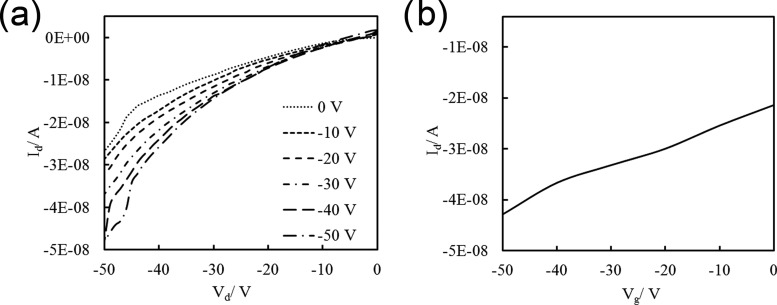
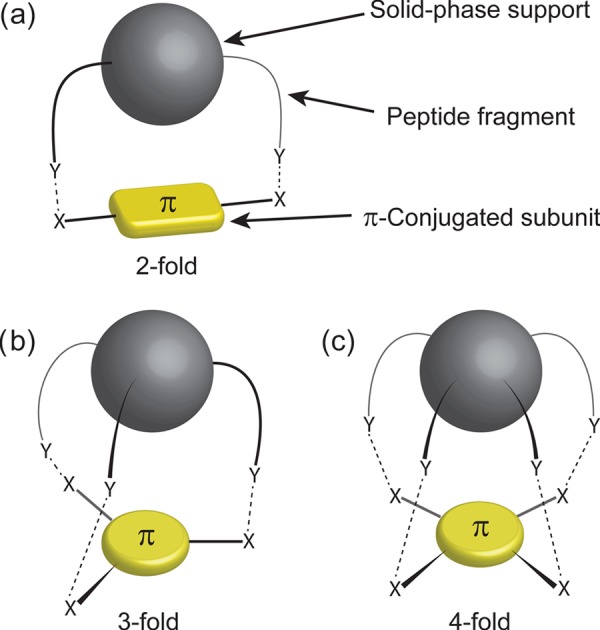
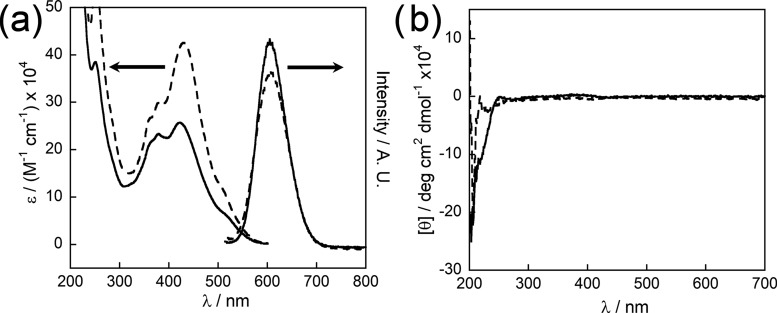
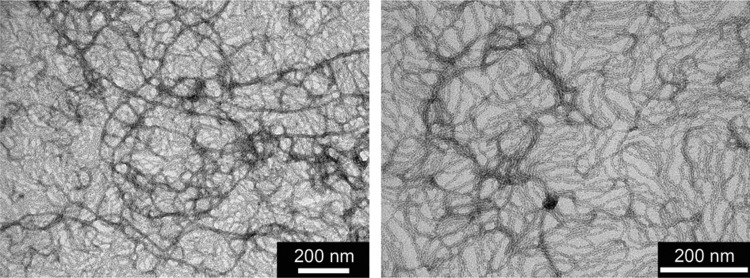
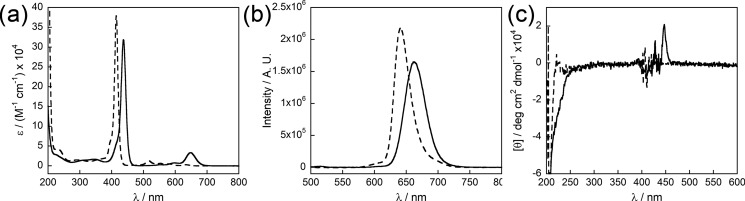
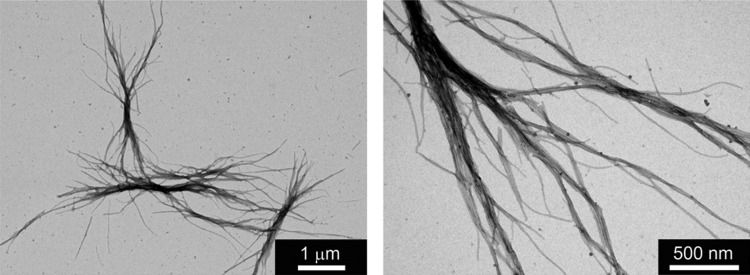
We present a completely solid-phase synthetic strategy to create three- and four-fold peptide-appended π-electron molecules, where the multivalent oligopeptide presentation is dictated by the symmetries of reactive handles placed on discotic π-conjugated cores. Carboxylic acid and anhydride groups were viable amidation and imidation partners, respectively, and oligomeric π-electron discotic cores were prepared through Pd-catalyzed cross-couplings. Due to intermolecular hydrogen bonding between the three or four peptide axes, these π-peptide hybrids self-assemble into robust one-dimensional nanostructures with high aspect ratios in aqueous solution. The preparation of these systems via solid-phase methods will be detailed along with their self-assembly properties, as revealed by steady-state spectroscopy and transmission electron microscopy and electrical characterization using field-effect transistor measurements.
我们提出了一种完全固相合成策略,用于构建三肽和四肽连接的π电子分子,其中多价寡肽的呈现由置于盘状π共轭核心上的反应性手柄的对称性决定。羧酸和酸酐基团分别是可行的酰胺化和亚胺化伙伴,通过钯催化的交叉偶联制备了寡聚π电子盘状核心。由于三个或四个肽轴之间的分子间氢键作用,这些π-肽杂化物在水溶液中自组装成具有高纵横比的坚固一维纳米结构。将详细介绍通过固相方法制备这些体系及其自组装性质,稳态光谱、透射电子显微镜以及使用场效应晶体管测量进行的电学表征揭示了这些性质。