Abdali Zahra, Logsetty Sarvesh, Liu Song
Biomedical Engineering, Faculty of Engineering, Director of Manitoba Firefighters Burn Unit, Professor in the Departments of Surgery and Psychiatry, Rady Faculty of Health Sciences, Department of Biosystems Engineering, and Department of Medical Microbiology, University of Manitoba, Winnipeg R3T 2N2, Canada.
ACS Omega. 2019 Feb 22;4(2):4063-4070. doi: 10.1021/acsomega.8b03137. eCollection 2019 Feb 28.
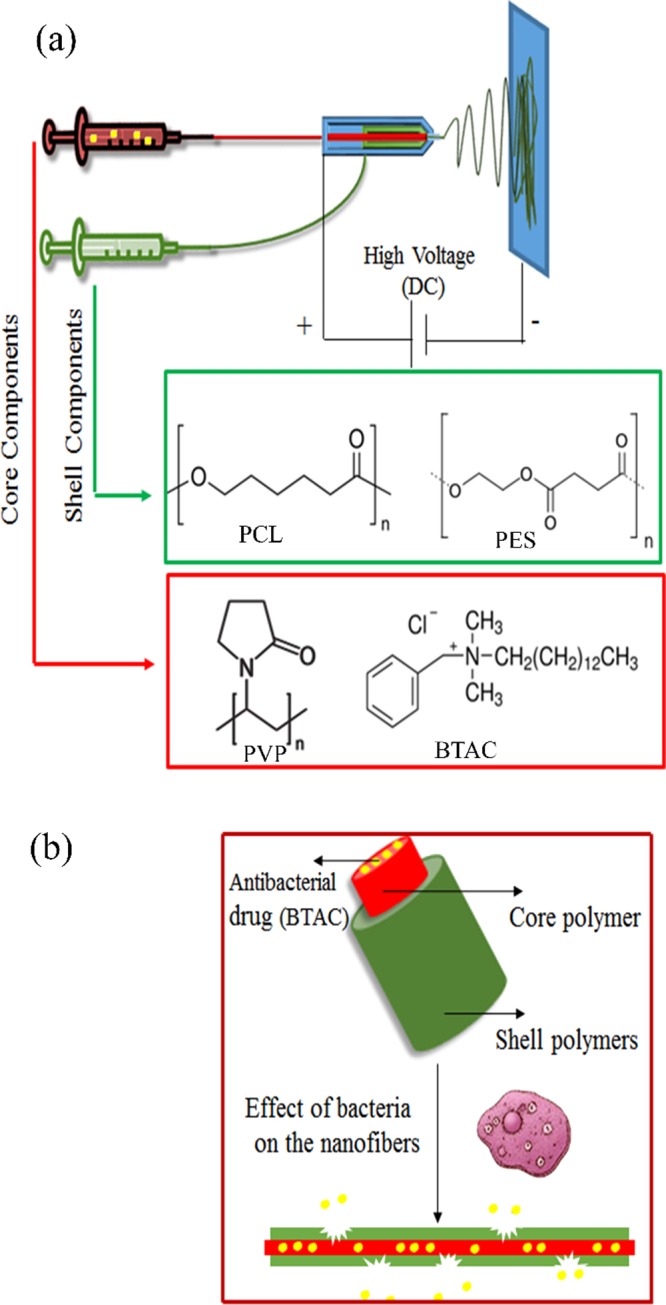
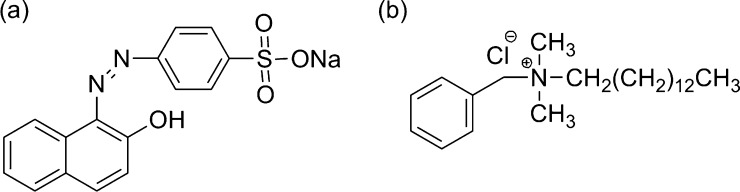
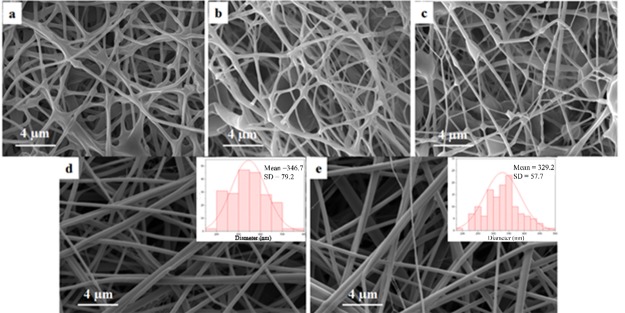
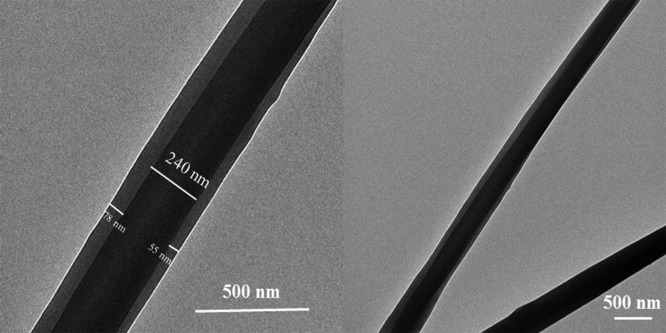
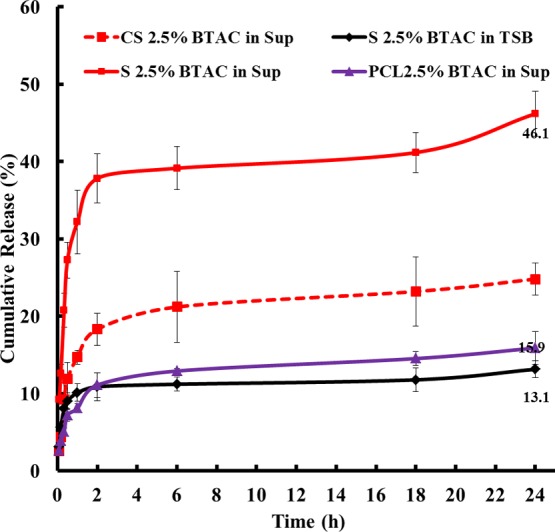
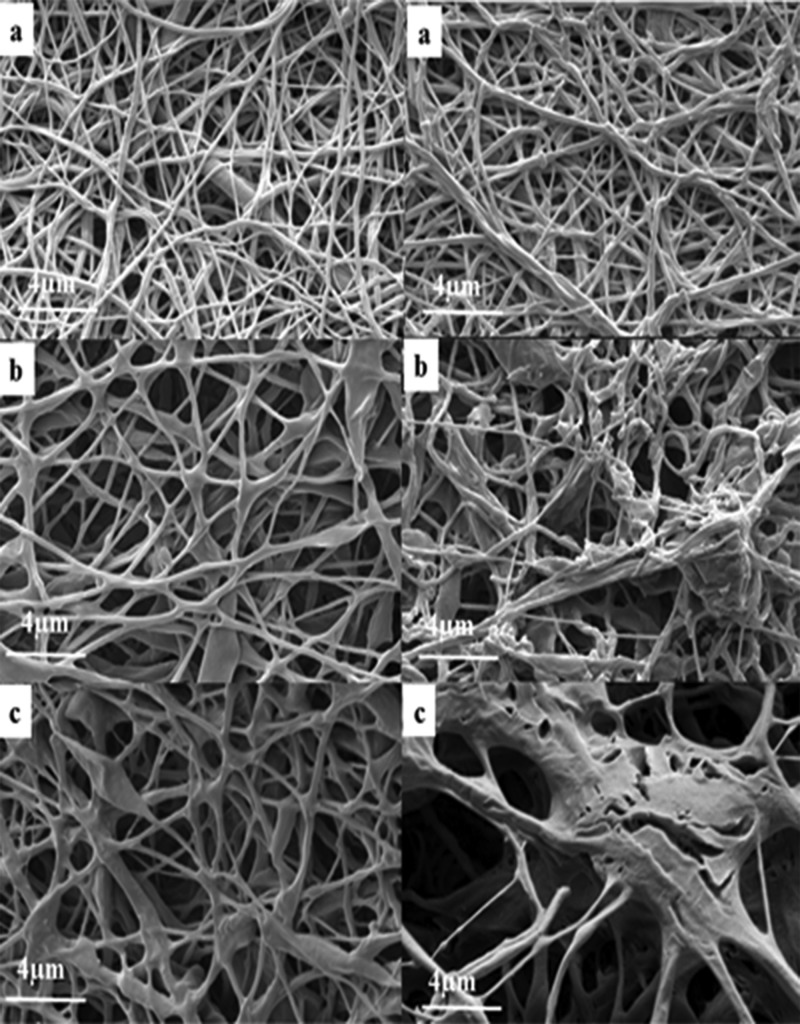
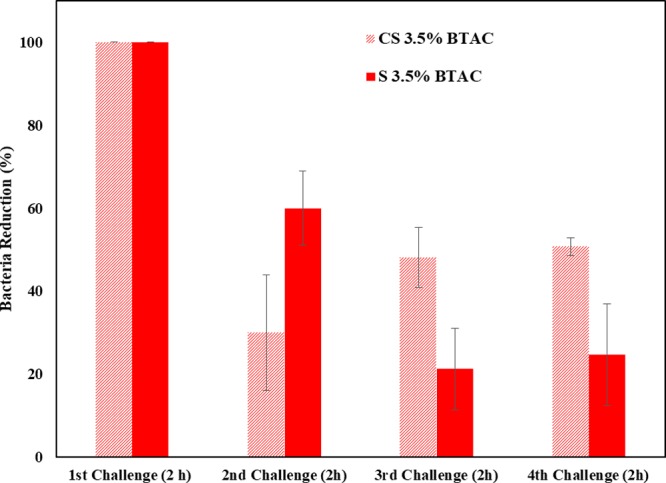
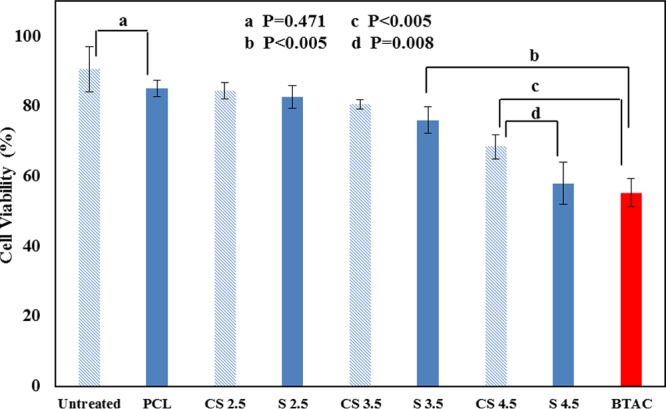
Traditional antibacterial dressings continuously elute biocides, even if there are no bacteria. This unneeded release can cause cytotoxicity, increase costs, and delay healing. We designed a bacteria-responsive nanofibrous wound dressing, which can be degraded in the presence of bacteria to release antimicrobial agents. A model biocide, benzyl dimethyl tetradecyl ammonium chloride (BTAC), was incorporated into bacteria-degradable polymers [polycaprolactone and poly(ethylene succinate)] in two ways: evenly distributed inside the polymers as single nanofibers and encapsulated in a core surrounded by the same polymers as core-shell nanofibers. Because of bacterial activity (both lipase secretion and acidic pH), degradation of the fibers was facilitated and caused the release of incorporated BTAC. BTAC-loaded single and core-shell nanofibers presented >1 log reduction of both and within 2 h. Additionally, the core-shell structure provided a more controlled release of BTAC with prolonged antibacterial properties than single nanofibers. The core-shell nanofibers also exhibited minimal cytotoxicity against human fibroblast cells (>80% viable cells after 24 h contact). These nanofibrous mats have the potential to selectively release antibacterial agents to prevent wound infections without delaying wound healing.
传统的抗菌敷料即使在没有细菌的情况下也会持续释放杀菌剂。这种不必要的释放会导致细胞毒性、增加成本并延迟愈合。我们设计了一种细菌响应性纳米纤维伤口敷料,它可以在细菌存在的情况下降解以释放抗菌剂。一种模型杀菌剂苄基二甲基十四烷基氯化铵(BTAC)以两种方式掺入可被细菌降解的聚合物[聚己内酯和聚(琥珀酸乙烯酯)]中:作为单纳米纤维均匀分布在聚合物内部,并作为核壳纳米纤维封装在由相同聚合物包围的核中。由于细菌活性(脂肪酶分泌和酸性pH值),纤维的降解得到促进,并导致掺入的BTAC释放。负载BTAC的单纳米纤维和核壳纳米纤维在2小时内对金黄色葡萄球菌和大肠杆菌的数量均减少了>1个对数级。此外,与单纳米纤维相比,核壳结构提供了更可控的BTAC释放以及更长时间的抗菌性能。核壳纳米纤维对人成纤维细胞也表现出最小的细胞毒性(接触24小时后>80%的活细胞)。这些纳米纤维垫有潜力选择性地释放抗菌剂以预防伤口感染,而不会延迟伤口愈合。