State Key Laboratory of Medicinal Chemical Biology and College of Pharmacy, Nankai University, Haihe Education Park, 38 Tongyan Road, Tianjin, 300353, China.
Department of Experimental Facility, State Key Laboratory of Medical Chemical Biology, Nankai University, Tianjin, China.
J Immunother Cancer. 2019 Aug 28;7(1):231. doi: 10.1186/s40425-019-0676-z.
Myeloid-derived suppressor cells (MDSCs) are immunosuppressive cells that play an important role in immune evasion, PD-1/PD-L1 inhibitor tolerance and tumour progression. Therefore, MDSCs are potential targets for cancer immunotherapy. In this study, we screened an effective polymorphonuclear MDSC (PMN-MDSC) inhibitor from the Traditional Chinese Medicine Library and evaluated its synergistic antitumour effects with PD-1 inhibitor.
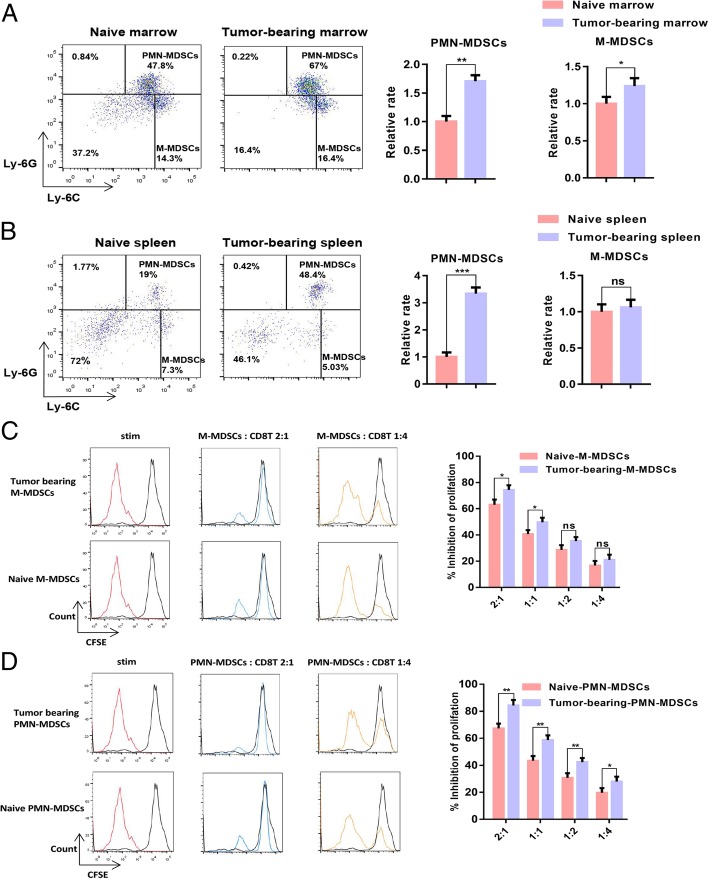
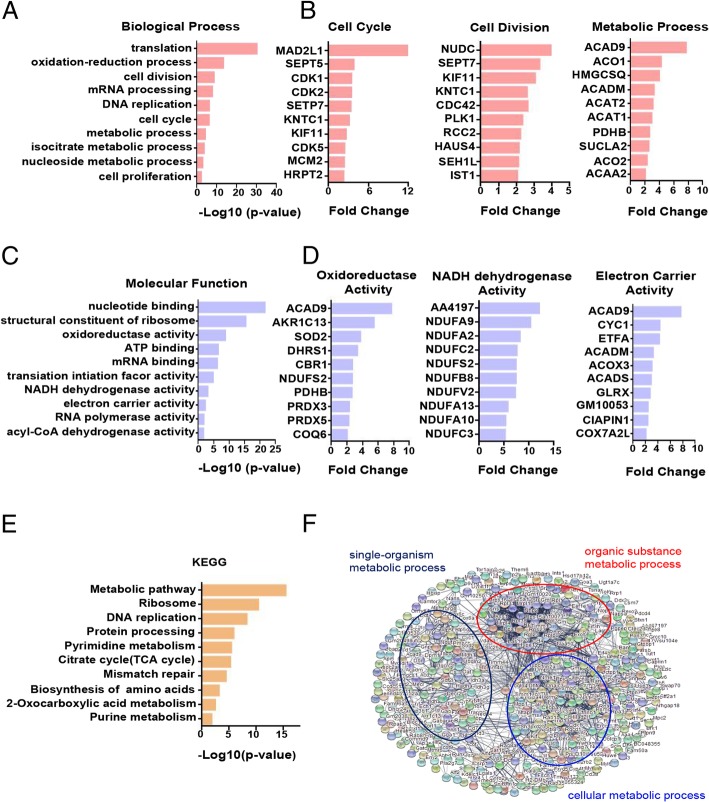
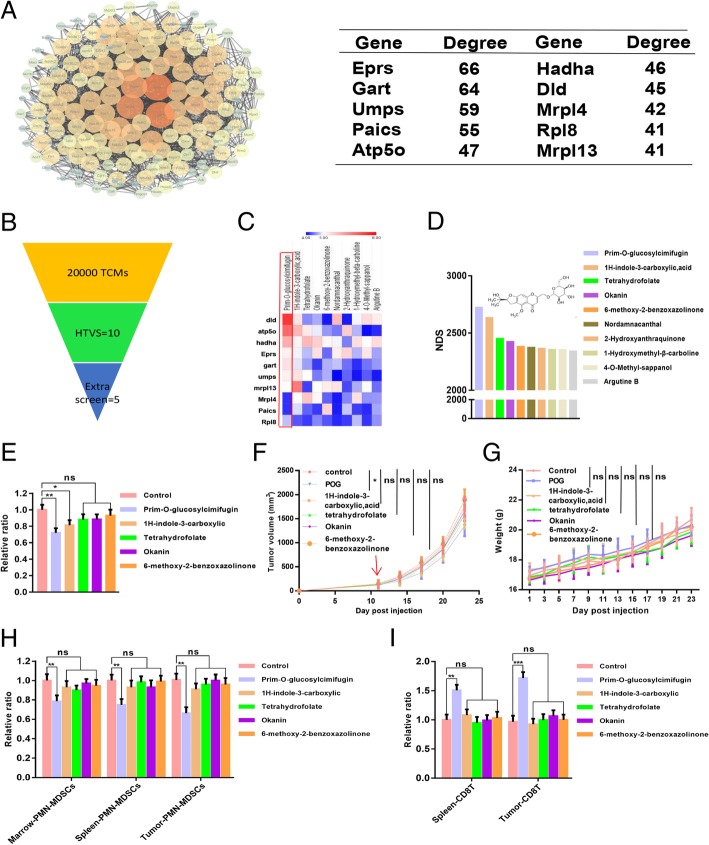
In the present study, we found that PMN-MDSCs accumulate heavily in the spleen and bone marrow of melanoma (B16-F10) tumour-bearing mice. Then, we determined the top 10 key proteins in the upregulated KEGG pathways of PMN-MDSCs in tumour-bearing mice through proteomics and Cytoscape analysis. The key proteins were then used as targets for the screening of PMN-MDSC inhibitors from the traditional Chinese Medicine Library (20000 compounds) through molecular docking and weight calculation of the docking score. Finally, the inhibitory effect of the inhibitor was verified through proteomics and metabolomics analysis in vitro and melanoma (B16-F10) and triple-negative breast cancer (4 T1) mouse tumour models in vivo.
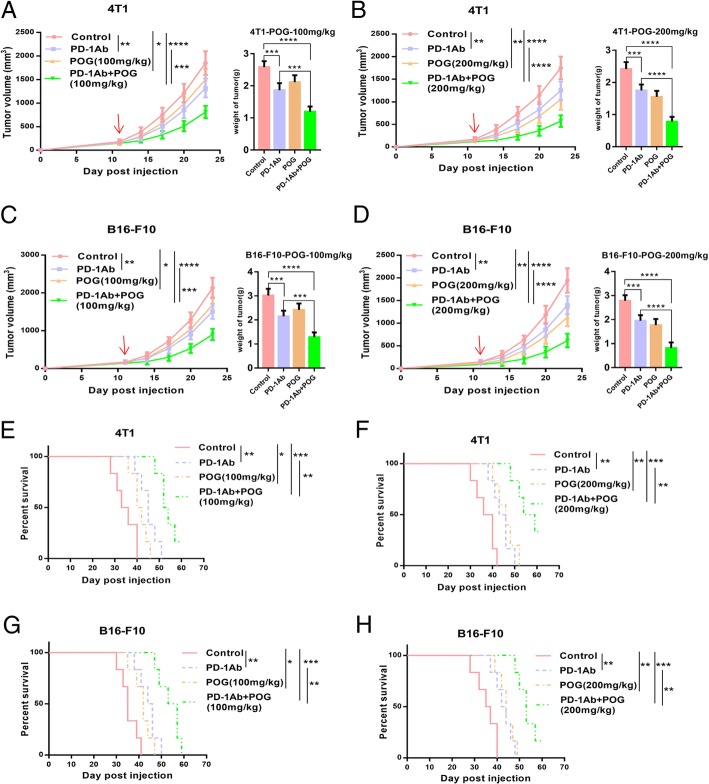
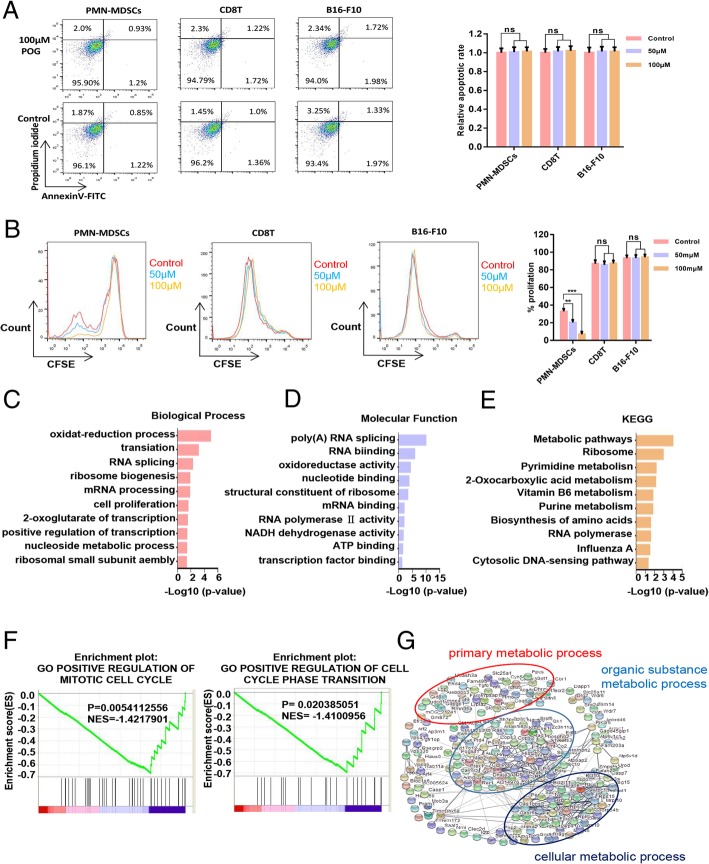
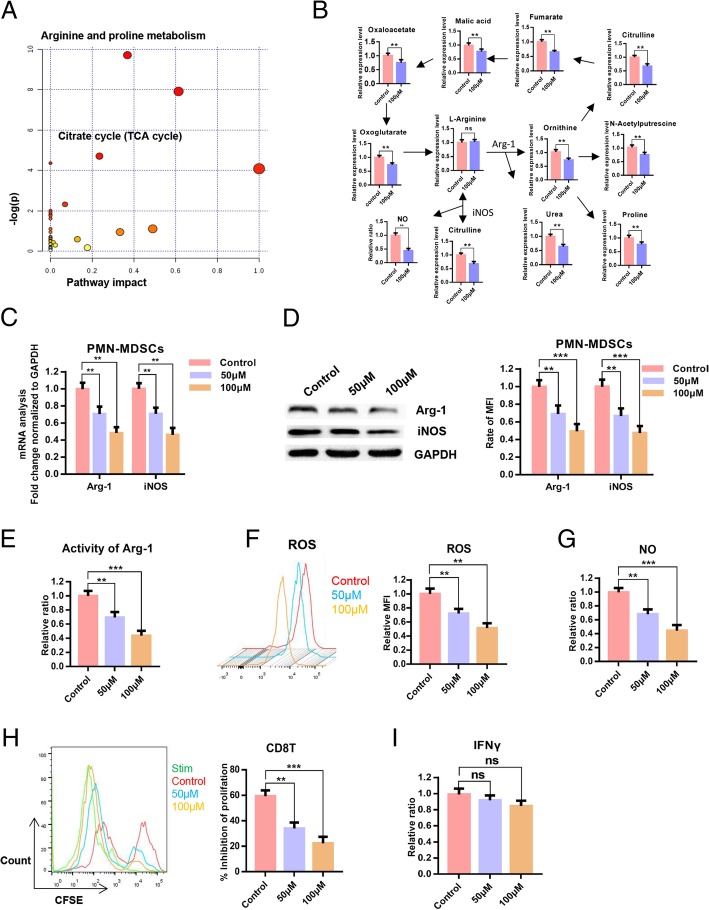
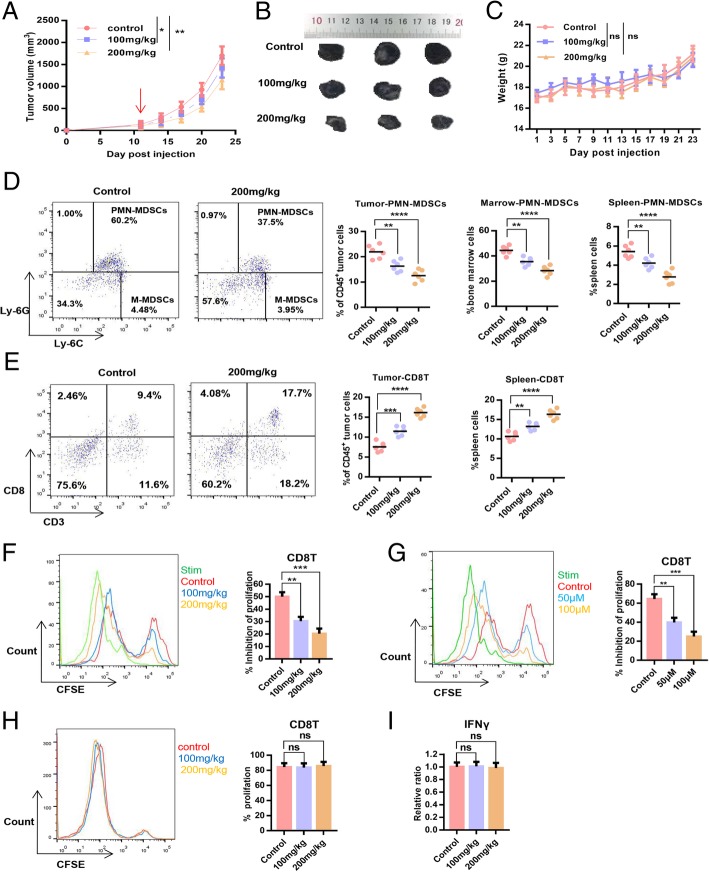
Traditional Chinese medicine saposhnikovia root extract Prim-O-glucosylcimifugin (POG) could bind well to the target proteins and inhibit the proliferation, metabolism and immunosuppressive ability of PMN-MDSCs by inhibiting arginine metabolism and the tricarboxylic acid cycle (TCA cycle). POG could also increase CD8 T-lymphocyte infiltration in the tumours and enhance the antitumour effect of PD-1 inhibitor in B16-F10 and 4 T1 mouse tumour models.
POG was successfully screened from the traditional Chinese Medicine library as a PMN-MDSC inhibitor. POG exhibited a good synergistic antitumour effect with PD-1 inhibitor. This study provided a potential option for enhancing the efficacy of PD-1 inhibitors in clinical applications.
髓源性抑制细胞(MDSC)是具有免疫抑制作用的细胞,在免疫逃逸、PD-1/PD-L1 抑制剂耐受和肿瘤进展中发挥重要作用。因此,MDSC 是癌症免疫治疗的潜在靶点。在本研究中,我们从中药库中筛选出一种有效的多形核髓源性抑制细胞(PMN-MDSC)抑制剂,并评估了其与 PD-1 抑制剂的协同抗肿瘤作用。
在本研究中,我们发现 PMN-MDSC 在荷黑色素瘤(B16-F10)小鼠的脾脏和骨髓中大量聚集。然后,我们通过蛋白质组学和 Cytoscape 分析确定了荷瘤小鼠中上调的 KEGG 通路中 PMN-MDSC 的前 10 个关键蛋白。然后,我们将这些关键蛋白作为靶点,通过分子对接和对接得分的权重计算,从中药库(20000 种化合物)中筛选 PMN-MDSC 抑制剂。最后,通过体外蛋白质组学和代谢组学分析以及体内黑色素瘤(B16-F10)和三阴性乳腺癌(4T1)小鼠肿瘤模型验证抑制剂的抑制作用。
中药防风根提取物普欧糖苷基升麻素(POG)能够与靶蛋白良好结合,通过抑制精氨酸代谢和三羧酸循环(TCA 循环)来抑制 PMN-MDSC 的增殖、代谢和免疫抑制能力。POG 还可以增加肿瘤中 CD8 T 淋巴细胞的浸润,并增强 PD-1 抑制剂在 B16-F10 和 4T1 小鼠肿瘤模型中的抗肿瘤作用。
成功地从中药库中筛选出 PO 作为 PMN-MDSC 抑制剂。POG 与 PD-1 抑制剂具有良好的协同抗肿瘤作用。本研究为增强 PD-1 抑制剂在临床应用中的疗效提供了一种潜在选择。