McLean Fiona H, Campbell Fiona M, Sergi Domenico, Grant Christine, Morris Amanda C, Hay Elizabeth A, MacKenzie Alasdair, Mayer Claus D, Langston Rosamund F, Williams Lynda M
1Division of Neuroscience, University of Dundee, Ninewells Hospital & Medical School, Dundee, DD1 9SY UK.
2Rowett Institute, University of Aberdeen, Foresterhill, Aberdeen, AB25 2ZD UK.
Nutr Metab (Lond). 2019 Aug 23;16:57. doi: 10.1186/s12986-019-0387-y. eCollection 2019.
The rise in global obesity makes it crucial to understand how diet drives obesity-related health conditions, such as premature cognitive decline and Alzheimer's disease (AD). In AD hippocampal-dependent episodic memory is one of the first types of memory to be impaired. Previous studies have shown that in mice fed a high-fat diet (HFD) episodic memory is rapidly but reversibly impaired.
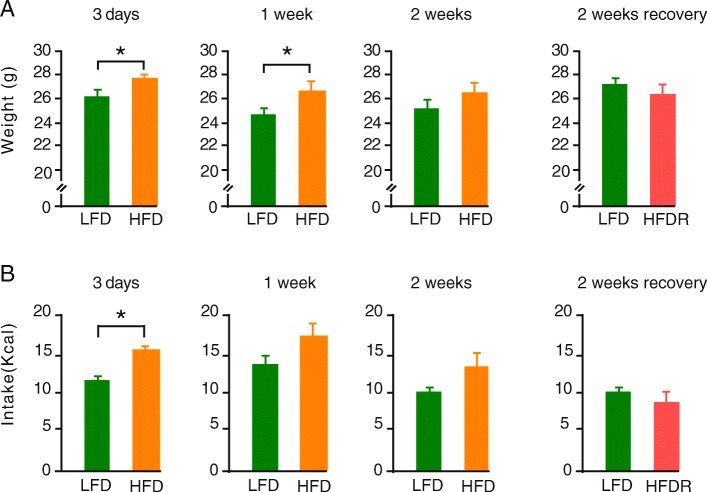
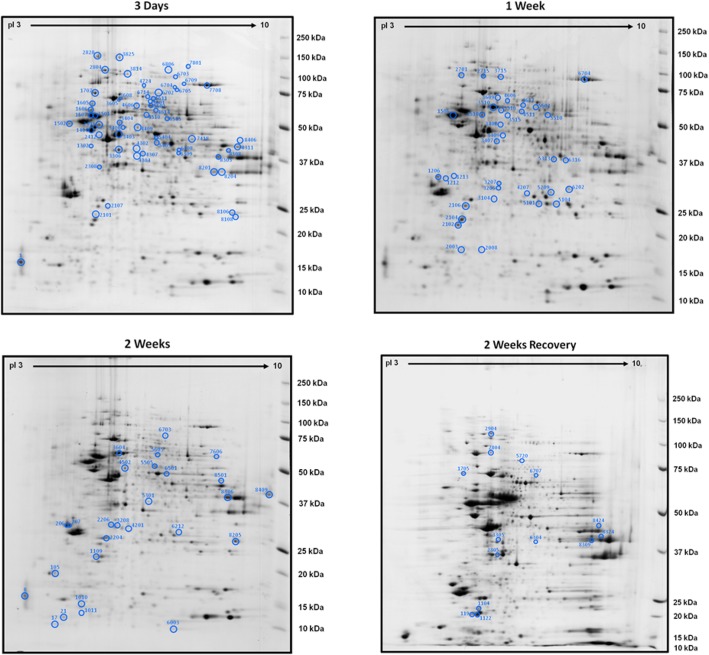
In this study we use hippocampal proteomics to investigate the effects of HFD in the hippocampus. Mice were fed either a low-fat diet (LFD) or HFD containing either 10% or 60% (Kcal) from fat for 3 days, 1 week or 2 weeks. One group of mice were fed the HFD for 1 week and then returned to the LFD for a further week. Primary hippocampal cultures were challenged with palmitic acid (PA), the most common long-chain saturated FA in the Western diet, and with the anti-inflammatory, n-3 polyunsaturated FA, docosahexaenoic acid (DHA), or a combination of the two to ascertain effects of these fatty acids on dendritic structure.
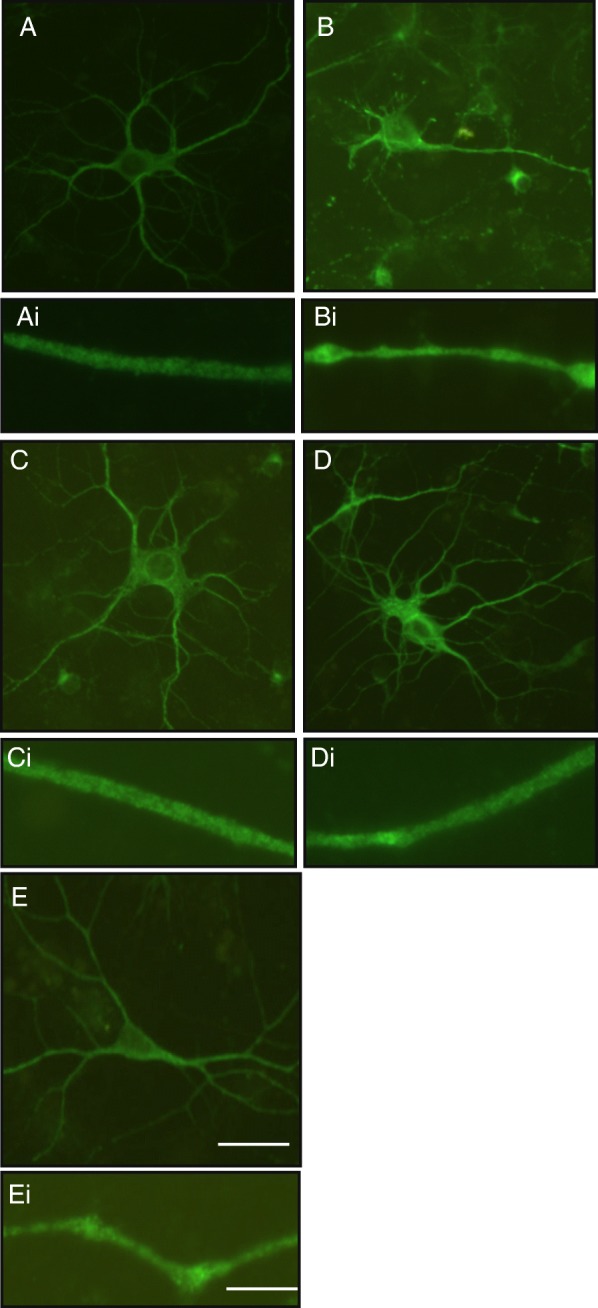
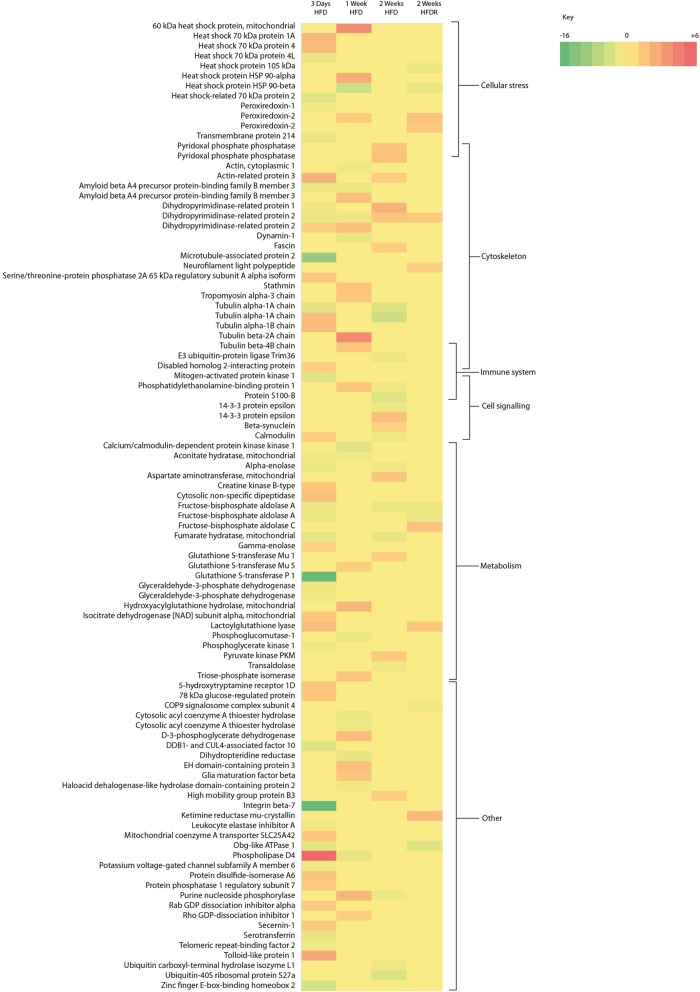
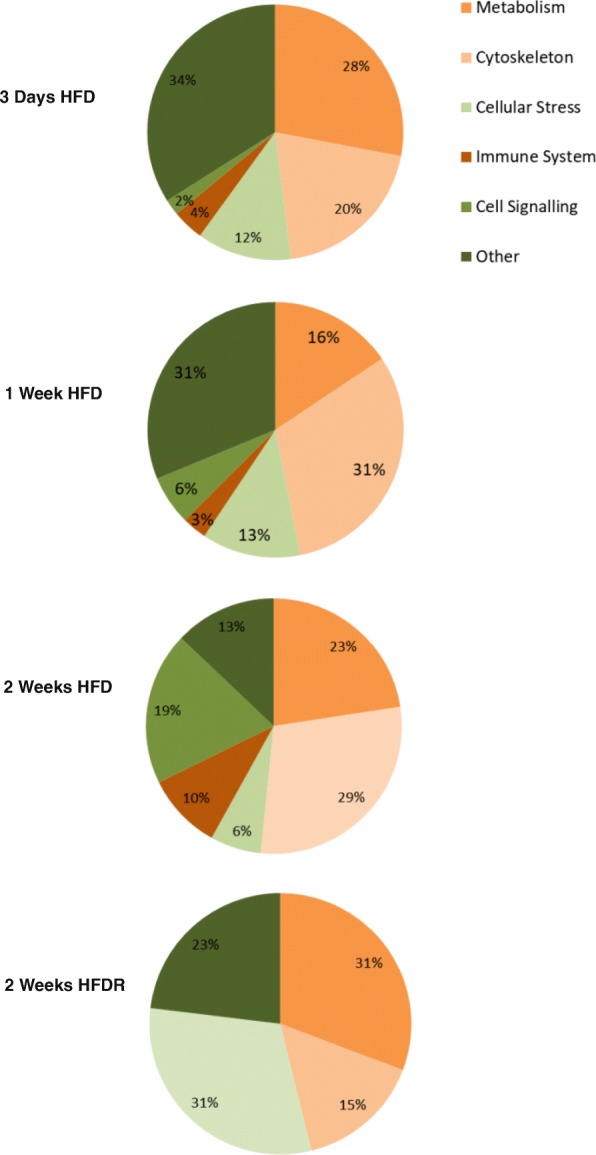
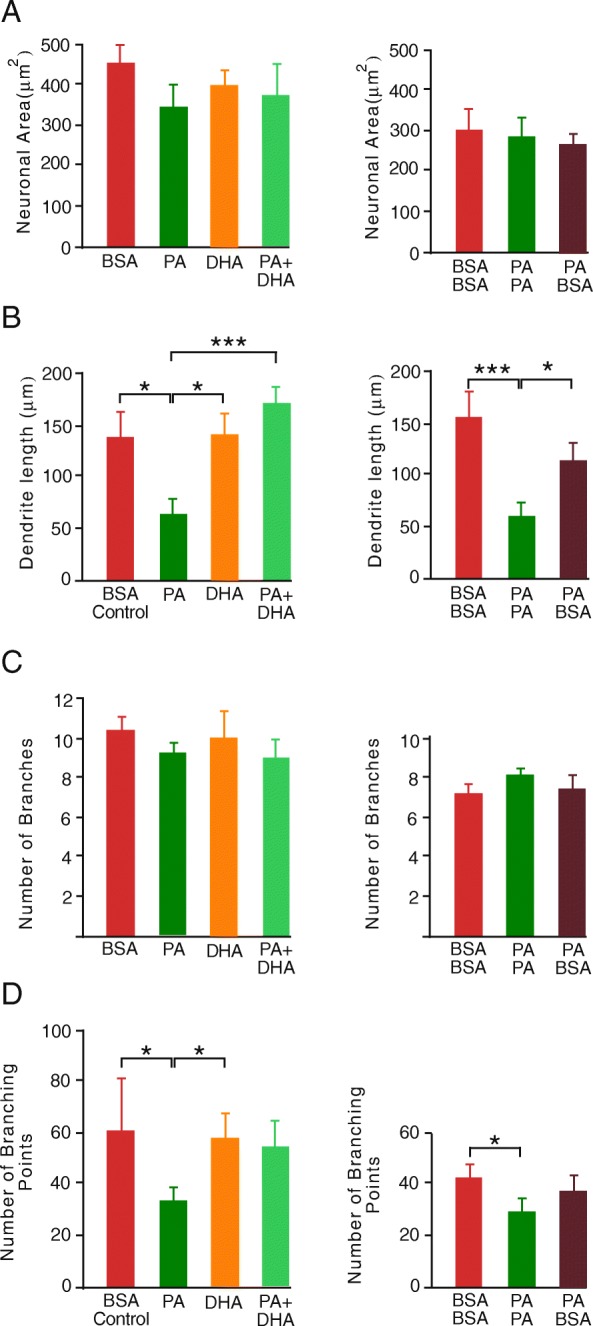
HFD-induced changes occur in hippocampal proteins involved in metabolism, inflammation, cell stress, cell signalling, and the cytoskeleton after 3 days, 1 week and 2 weeks of HFD. Replacement of the HFD after 1 week by a low-fat diet (LFD) for a further week resulted in partial recovery of the hippocampal proteome. Microtubule-associated protein 2 (MAP2), one of the earliest proteins changed, was used to investigate the impact of fatty acids (FAs) on hippocampal neuronal morphology. PA challenge resulted in shorter and less arborised dendrites while DHA had no effect when applied alone but counteracted the effects of PA when FAs were used in combination. Dendritic morphology recovered when PA was removed from the cell culture media.
This study provides evidence for the rapid and reversible effects of diet on the hippocampal proteome and the impact of PA and DHA on dendritic structure.
全球肥胖率上升,这使得了解饮食如何引发与肥胖相关的健康问题至关重要,比如过早的认知衰退和阿尔茨海默病(AD)。在AD中,依赖海马体的情景记忆是最早受损的记忆类型之一。先前的研究表明,给小鼠喂食高脂饮食(HFD)后,情景记忆会迅速但可逆地受损。
在本研究中,我们使用海马蛋白质组学来研究HFD对海马体的影响。给小鼠喂食低脂饮食(LFD)或含10%或60%(千卡)脂肪的HFD,持续3天、1周或2周。一组小鼠先喂食HFD 1周,然后再换回LFD继续喂食1周。用西方饮食中最常见的长链饱和脂肪酸棕榈酸(PA)、抗炎的n-3多不饱和脂肪酸二十二碳六烯酸(DHA)或二者组合对原代海马体培养物进行刺激,以确定这些脂肪酸对树突结构的影响。
在喂食HFD 3天、1周和2周后,参与代谢、炎症、细胞应激、细胞信号传导和细胞骨架的海马体蛋白质发生了HFD诱导的变化。1周后将HFD换成低脂饮食(LFD)再持续1周,可使海马蛋白质组部分恢复。微管相关蛋白2(MAP2)是最早发生变化的蛋白质之一,被用于研究脂肪酸(FAs)对海马神经元形态的影响。PA刺激导致树突更短且分支更少,而单独使用DHA时没有效果,但当脂肪酸组合使用时,DHA可抵消PA的作用。当从细胞培养基中去除PA后,树突形态恢复。
本研究为饮食对海马蛋白质组的快速和可逆影响以及PA和DHA对树突结构的影响提供了证据。