Division of Women's and Perinatal Pathology.
Department of Pathology, Brigham and Women's Hospital, Harvard Medical School, Boston, MA.
Am J Surg Pathol. 2020 Jan;44(1):30-42. doi: 10.1097/PAS.0000000000001348.
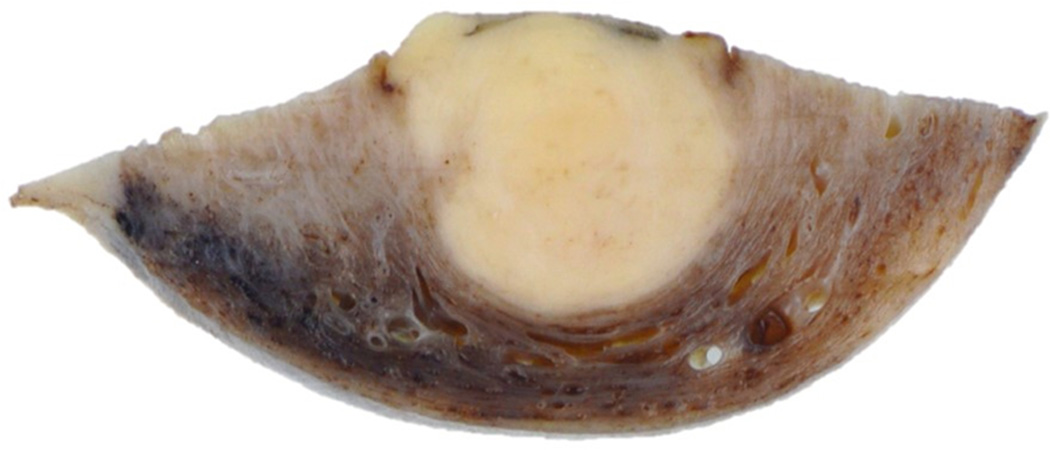
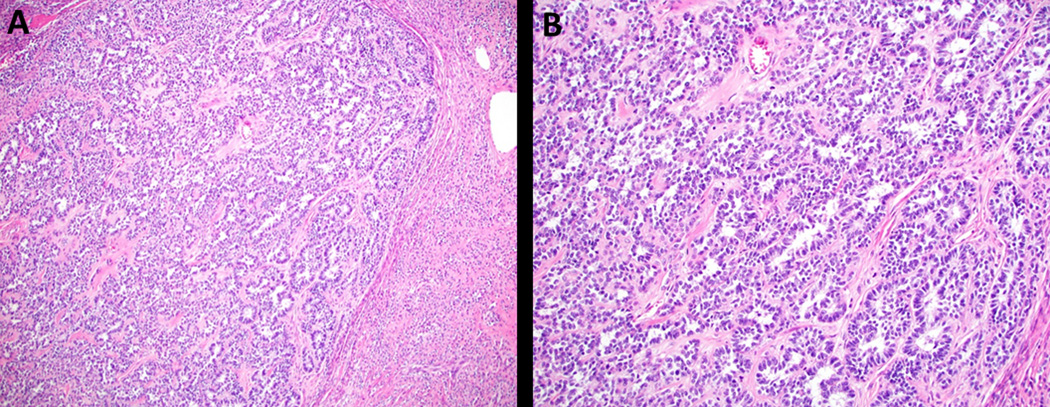
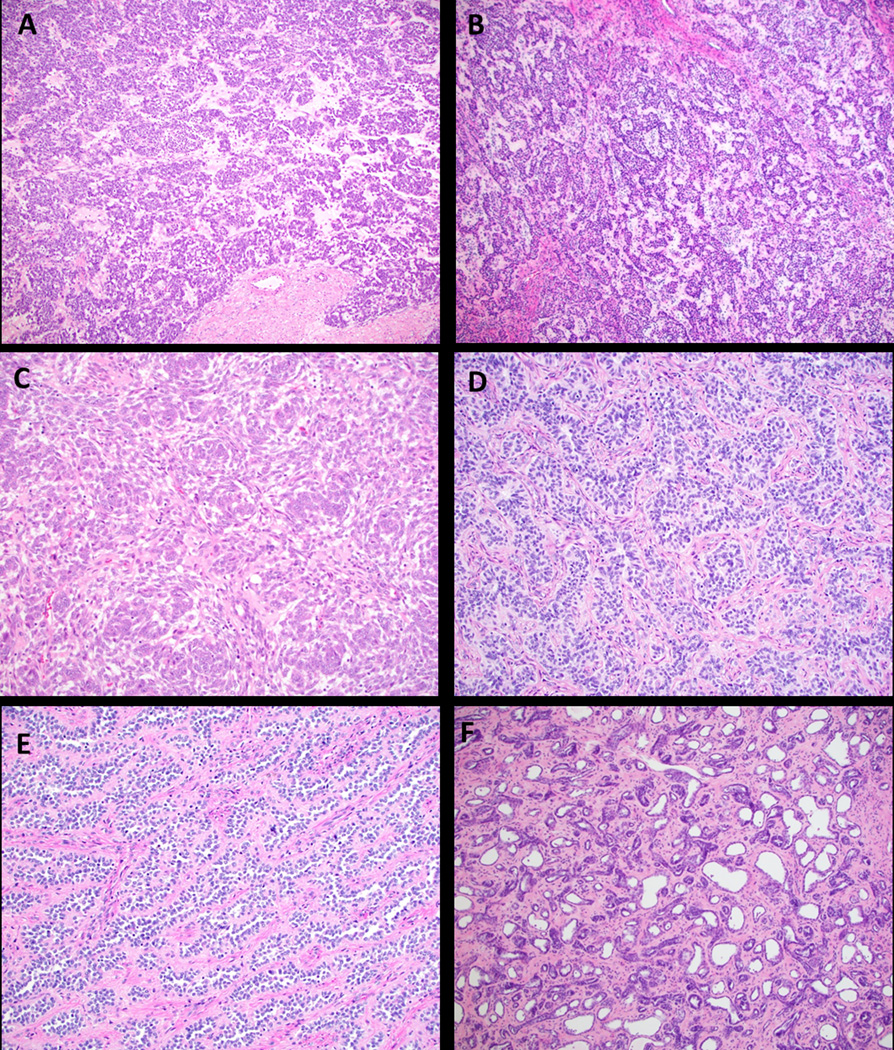
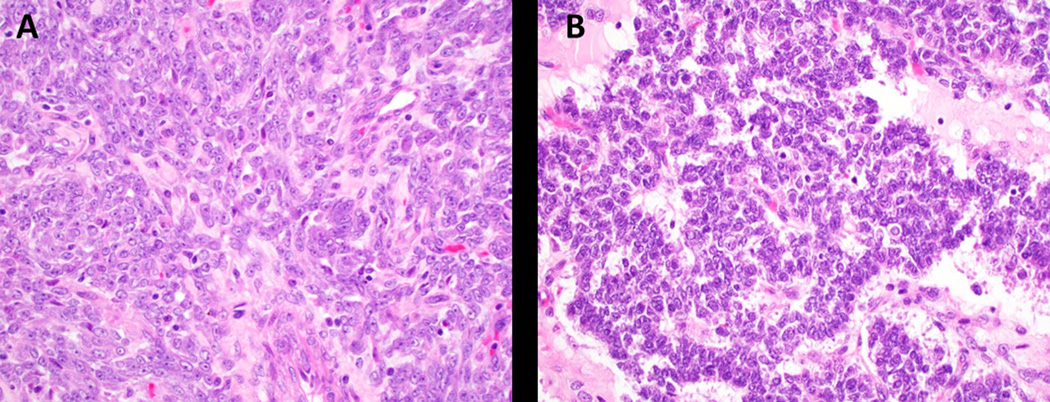
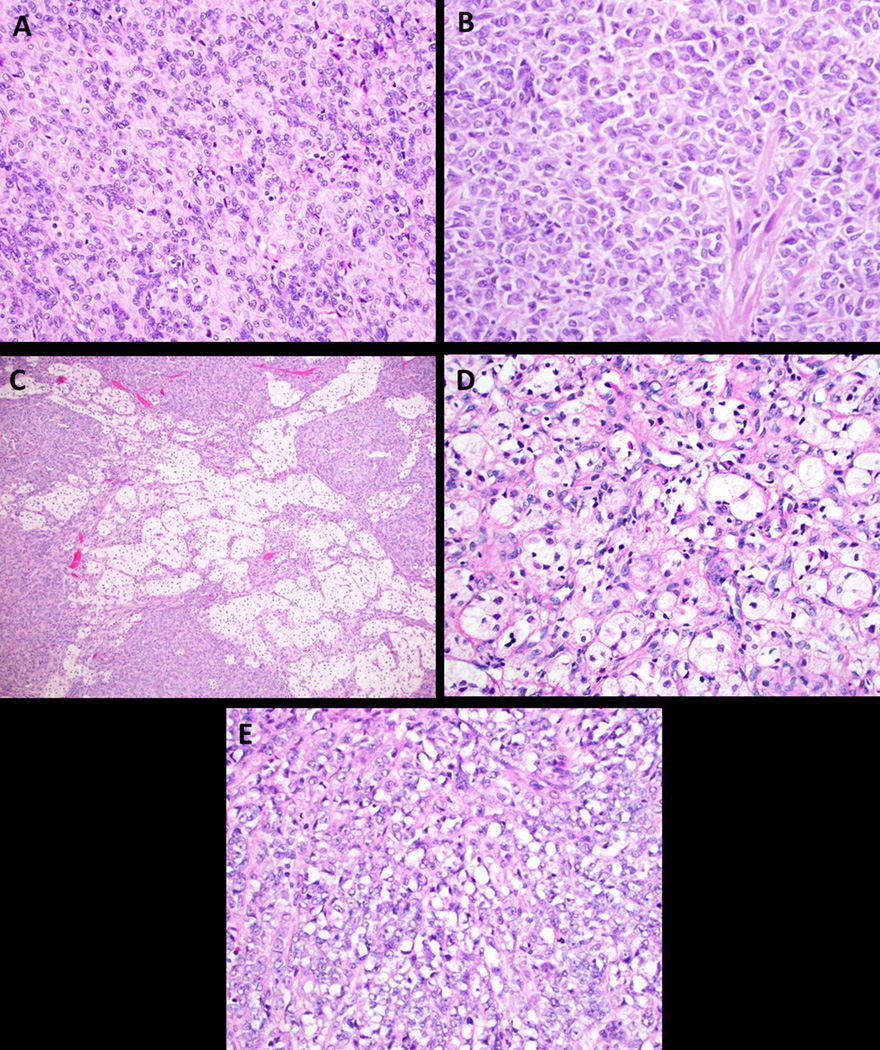
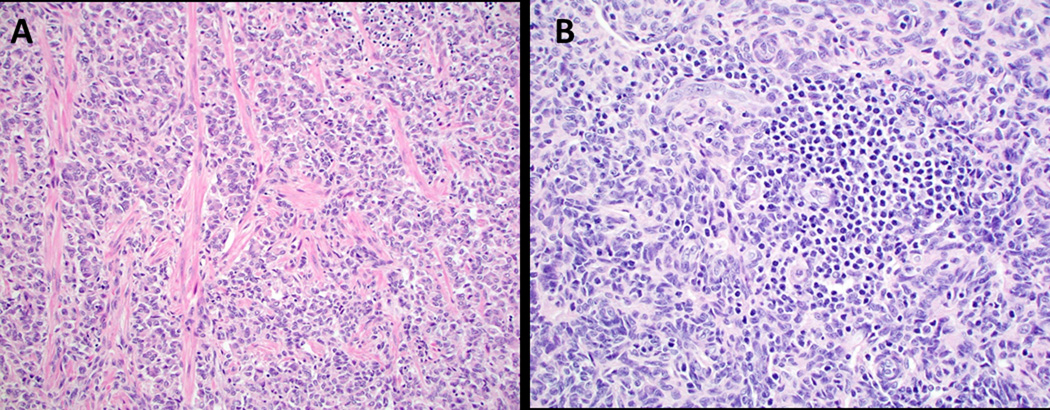
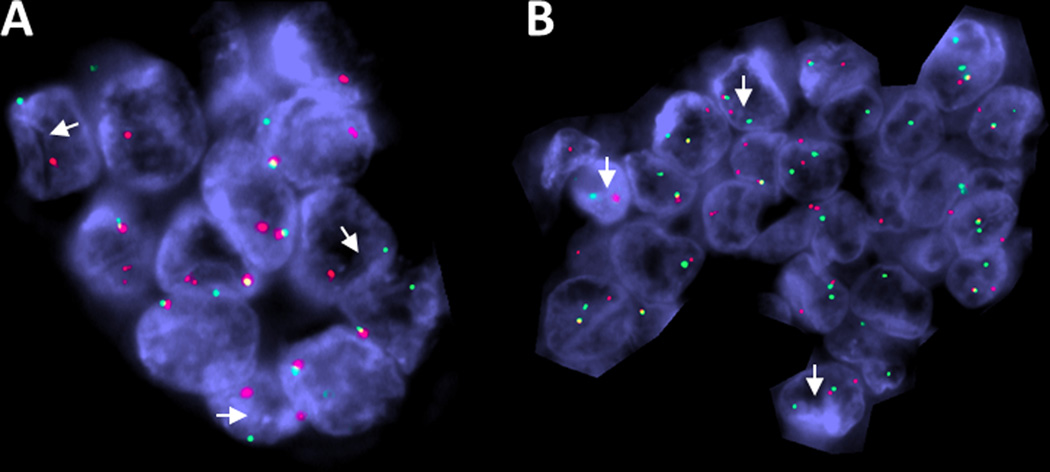
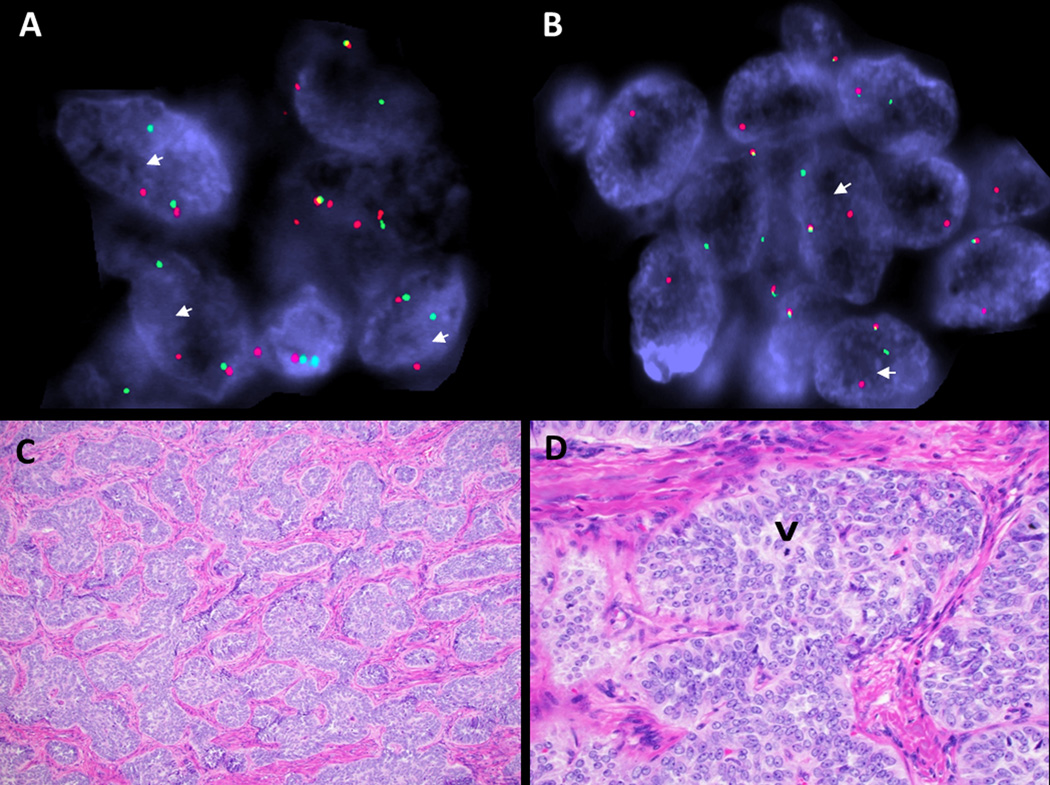
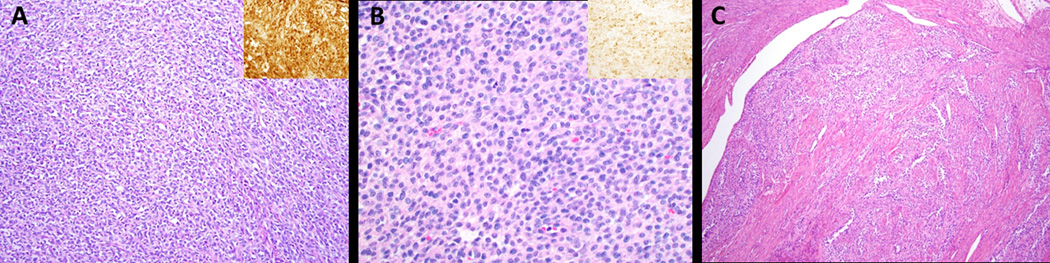
Uterine tumor resembling ovarian sex cord tumor (UTROSCT) is a rare mesenchymal neoplasm, of uncertain biological potential, that was recently reported to exhibit recurrent gene fusions involving NCOA2-3. The purpose of this study was to, using a larger sample size, better characterize the histopathologic and molecular diversity of UTROSCT. Twenty-six cases of UTROSCT from 5 institutions were selected for further study. Fluorescence in situ hybridization for NCOA1, NCOA2, NCOA3, ESR1 and GREB1, and targeted RNA sequencing was performed on 17 and 8 UTROSCTs, respectively. Eight cases underwent massively parallel sequencing to detect single nucleotide variants (SNV), copy number variations, and structural variants using a targeted hybrid-capture based assay. NCOA1-3 rearrangement was identified in 81.8% (18/22) of cases. The most common fusion was ESR1-NCOA3, occurring in 40.9% (9/22). GREB1-NCOA1 (n=4), ESR1-NCOA2 (n=3), and GREB1-NCOA2 (n=1) rearrangements were also identified. No recurrent SNVs were identified and no tumor had SNVs in FOXL2, DICER1, STK11, or AKT1, which can be seen in ovarian sex cord-stromal tumors. Copy number variations were infrequent. Clinical follow-up was available for 11 cases with a mean follow-up interval of 94.4 (range, 1 to 319) months. Only one case had a recurrence 66 months after the initial diagnosis and this was the single case with a GREB1-NCOA2 fusion. This study reports the morphologic spectrum of UTROSCT and confirms the recently reported recurrent NCOA2-3 gene fusions, in addition to identifying novel rearrangements involving NCOA1 in these tumors.
类似于卵巢性索肿瘤的子宫肿瘤(UTROSCT)是一种罕见的间叶性肿瘤,其生物学潜能不确定,最近有报道称其表现出涉及 NCOA2-3 的复发性基因融合。本研究的目的是使用更大的样本量,更好地描述 UTROSCT 的组织病理学和分子多样性。从 5 个机构中选择了 26 例 UTROSCT 进行进一步研究。对 17 例和 8 例 UTROSCT 分别进行了 NCOA1、NCOA2、NCOA3、ESR1 和 GREB1 的荧光原位杂交和靶向 RNA 测序。8 例进行了大规模平行测序,使用基于靶向杂交捕获的检测方法检测单核苷酸变异(SNV)、拷贝数变异和结构变异。在 81.8%(18/22)的病例中发现了 NCOA1-3 重排。最常见的融合是 ESR1-NCOA3,占 40.9%(9/22)。还鉴定了 GREB1-NCOA1(n=4)、ESR1-NCOA2(n=3)和 GREB1-NCOA2(n=1)重排。未发现复发性 SNV,也未在卵巢性索-基质肿瘤中发现 FOXL2、DICER1、STK11 或 AKT1 中的 SNV。拷贝数变异很少见。11 例有临床随访,平均随访间隔为 94.4(范围 1 至 319)个月。只有 1 例在初始诊断后 66 个月复发,这是唯一一例具有 GREB1-NCOA2 融合的病例。本研究报告了 UTROSCT 的形态谱,并证实了最近报道的复发性 NCOA2-3 基因融合,此外还鉴定了这些肿瘤中涉及 NCOA1 的新重排。