Ramesh Sivalingam, Yadav H M, Lee Young-Jun, Hong Gwang-Wook, Kathalingam A, Sivasamy Arumugam, Kim Hyun-Seok, Kim Heung Soo, Kim Joo-Hyung
Department of Mechanical, Robotics and Energy Engineering, Dongguk University-Seoul, Pil-dong, Jung-gu, 04620, Seoul, Republic of Korea.
Department of Energy and Materials Engineering, Dongguk University-Seoul, Pildong-ro 1 gil, Jung-gu, Seoul, 04620, Seoul, Republic of Korea.
Sci Rep. 2019 Sep 2;9(1):12622. doi: 10.1038/s41598-019-48951-2.
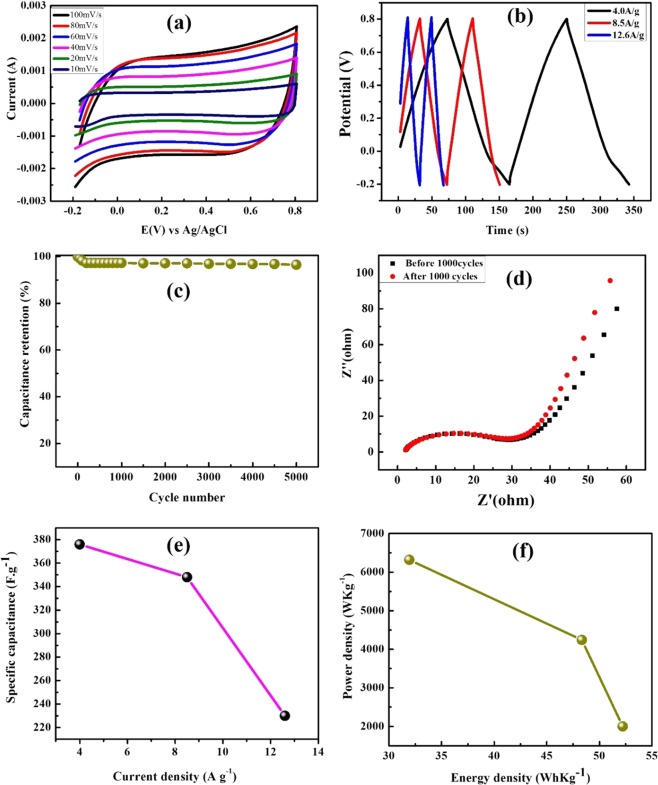
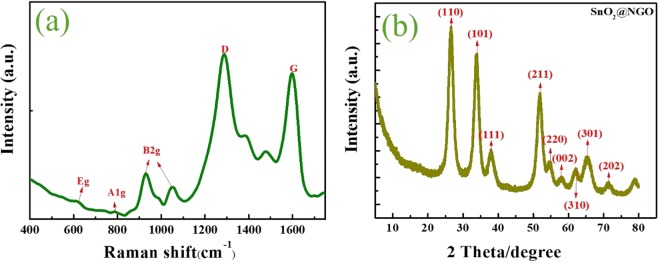
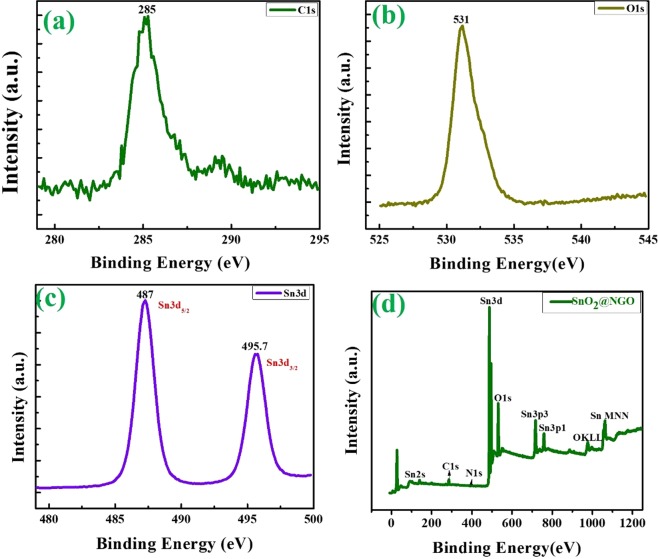
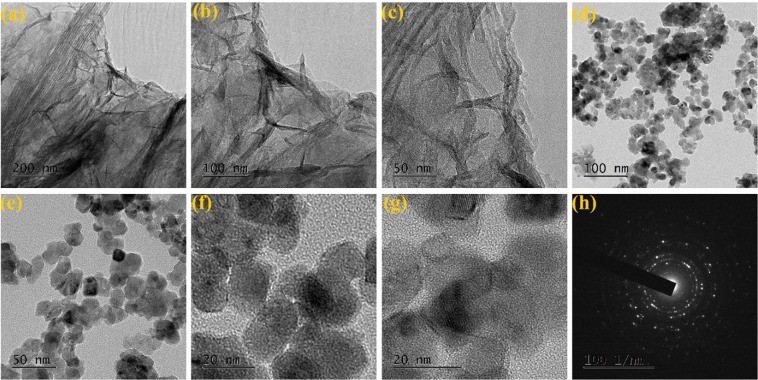
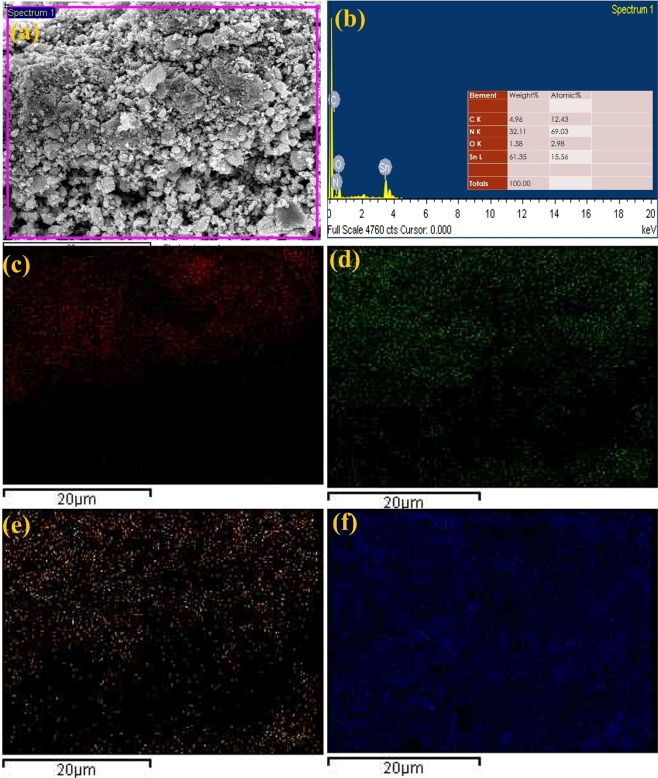
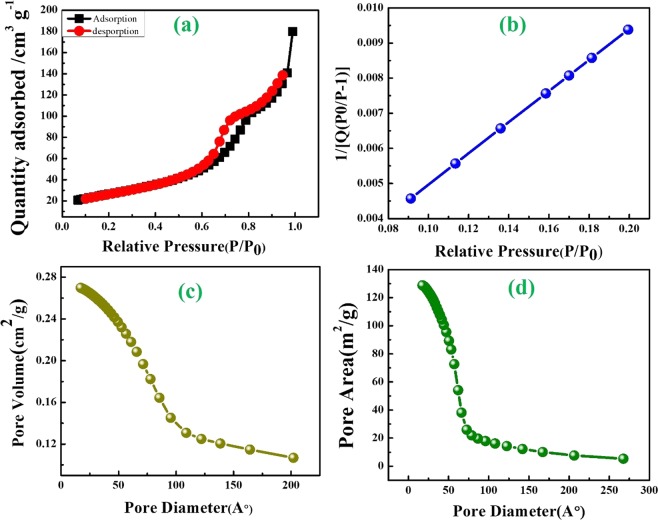
The porous materials of SnO@NGO composite was synthesized by thermal reduction process at 550 °C in presence ammonia and urea as catalyst. In this process, the higher electrostatic attraction between the SnO@NGO nanoparticles were anchored via thermal reduction reaction. These synthesized SnO@ NGO composites were confirmed by Raman, XRD, XPS, HR-TEM, and EDX results. The SnO nanoparticles were anchored in the NGO composite in the controlled nanometer scale proved by FE-TEM and BET analysis. The SnO@NGO composite was used to study the electrochemical properties of CV, GCD, and EIS analysis for supercapacitor application. The electrochemical properties of SnO@NGO exhibited the specific capacitance (~378 F/g at a current density of 4 A/g) and increasing the cycle stability up to 5000 cycles. Therefore, the electrochemical results of SnO@NGO composite could be promising for high-performance supercapacitor applications.
通过在550°C下以氨和尿素作为催化剂的热还原过程合成了SnO@NGO复合材料的多孔材料。在此过程中,SnO@NGO纳米颗粒之间较高的静电吸引力通过热还原反应得以锚定。这些合成的SnO@NGO复合材料通过拉曼光谱、X射线衍射、X射线光电子能谱、高分辨率透射电子显微镜和能谱分析得到证实。场发射透射电子显微镜和比表面积分析证明,SnO纳米颗粒以可控的纳米尺度锚定在NGO复合材料中。SnO@NGO复合材料用于研究超级电容器应用中的循环伏安法、恒流充放电和电化学阻抗谱分析的电化学性能。SnO@NGO的电化学性能表现出比电容(在4 A/g的电流密度下约为378 F/g),并将循环稳定性提高到5000次循环。因此,SnO@NGO复合材料的电化学结果对于高性能超级电容器应用可能具有前景。