School of Electrical, Computer and Energy Engineering, Arizona State University, Tempe, AZ, 85287, USA.
Department of Physics, Arizona State University, Tempe, AZ, 85287, USA.
Nat Commun. 2019 Sep 3;10(1):3961. doi: 10.1038/s41467-019-11822-5.
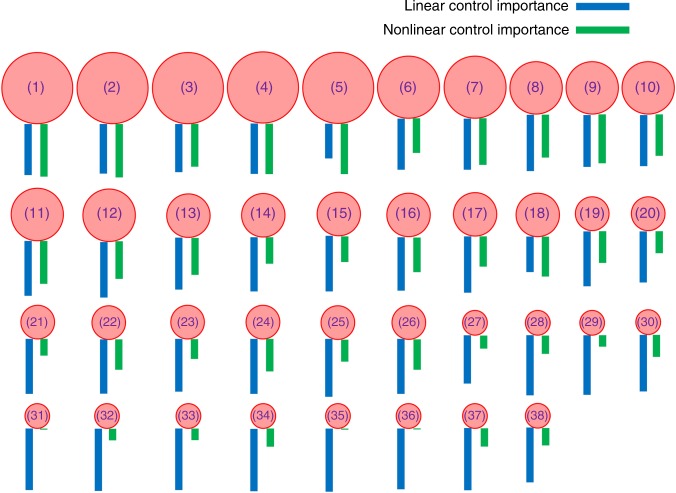
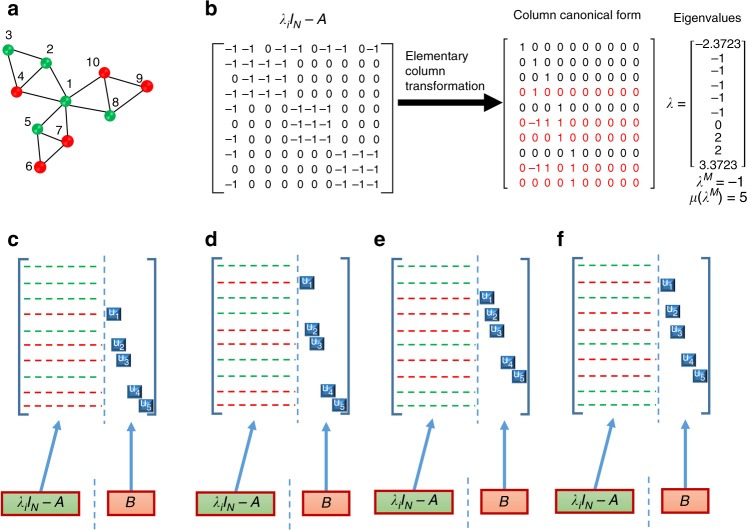
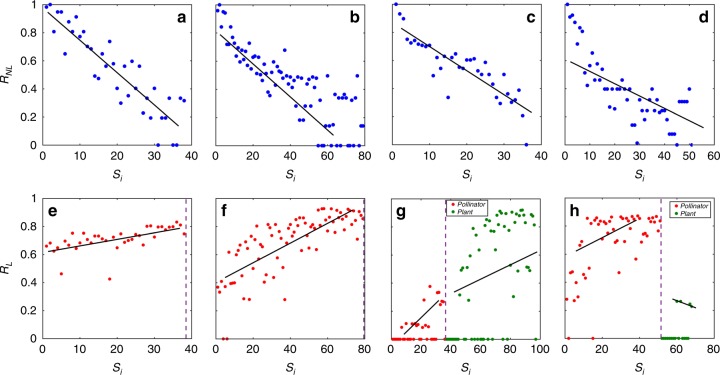
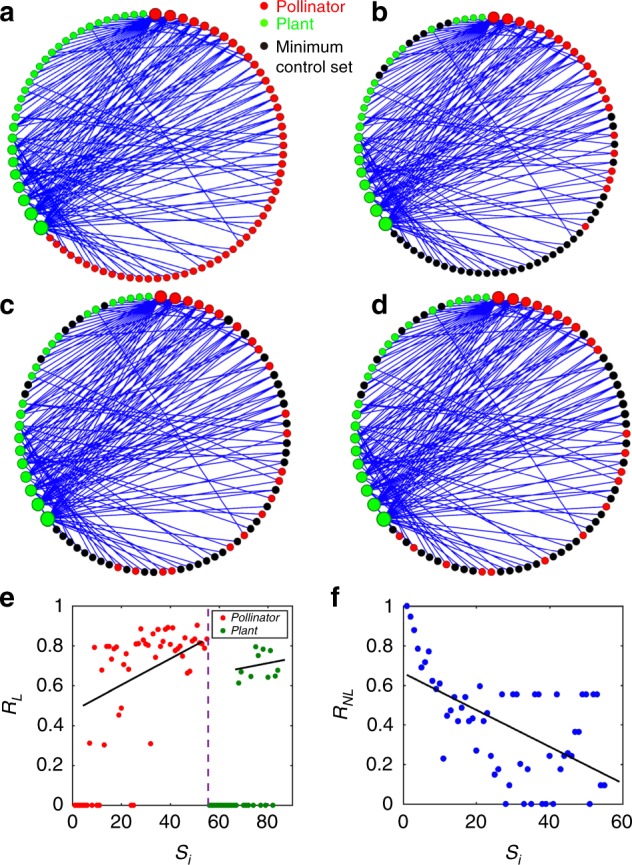
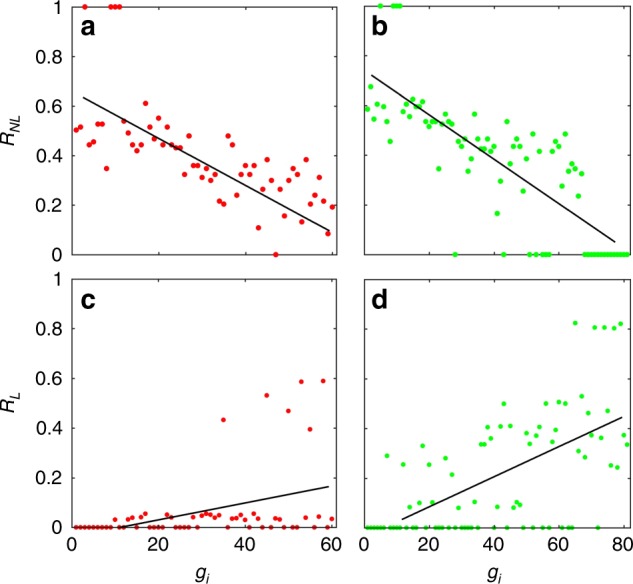
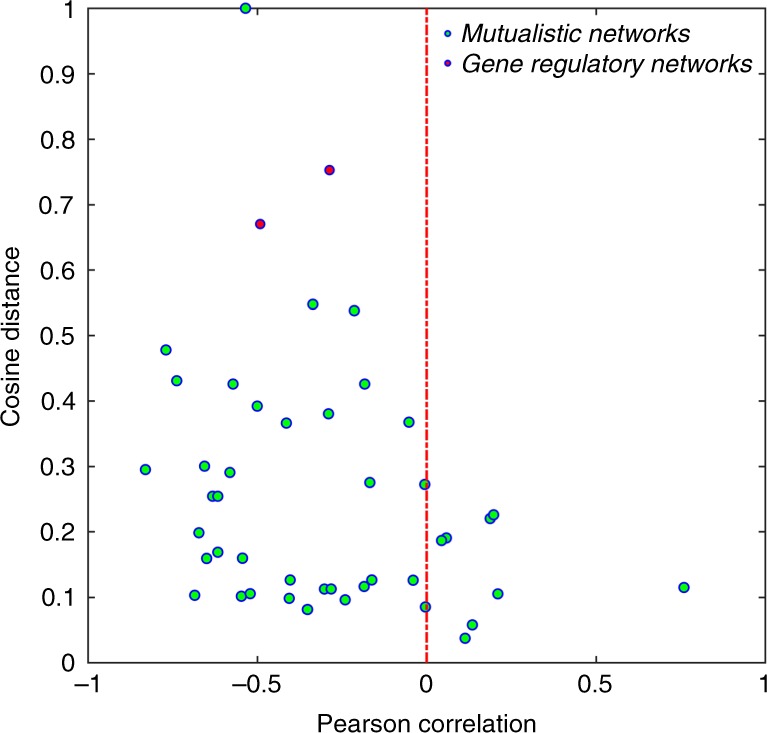
There has been tremendous development in linear controllability of complex networks. Real-world systems are fundamentally nonlinear. Is linear controllability relevant to nonlinear dynamical networks? We identify a common trait underlying both types of control: the nodal "importance". For nonlinear and linear control, the importance is determined, respectively, by physical/biological considerations and the probability for a node to be in the minimum driver set. We study empirical mutualistic networks and a gene regulatory network, for which the nonlinear nodal importance can be quantified by the ability of individual nodes to restore the system from the aftermath of a tipping-point transition. We find that the nodal importance ranking for nonlinear and linear control exhibits opposite trends: for the former large-degree nodes are more important but for the latter, the importance scale is tilted towards the small-degree nodes, suggesting strongly the irrelevance of linear controllability to these systems. The recent claim of successful application of linear controllability to Caenorhabditis elegans connectome is examined and discussed.
复杂网络的线性可控性已经取得了巨大的发展。现实系统本质上是非线性的。线性可控性与非线性动力网络有关吗?我们确定了这两种控制类型的一个共同特征:节点的“重要性”。对于非线性和线性控制,重要性分别由物理/生物学考虑和节点成为最小驱动集的概率决定。我们研究了经验互惠网络和一个基因调控网络,对于后者,非线性节点的重要性可以通过单个节点从临界点跃迁的后果中恢复系统的能力来量化。我们发现,非线性和线性控制的节点重要性排序呈现相反的趋势:对于前者,大度数节点更为重要,但对于后者,重要性尺度向小度数节点倾斜,强烈表明线性可控性与这些系统无关。最近有人声称成功地将线性可控性应用于秀丽隐杆线虫连接组,我们对此进行了研究和讨论。