Rodríguez-Ruiz Marta, González-Gordo Salvador, Cañas Amanda, Campos María Jesús, Paradela Alberto, Corpas Francisco J, Palma José M
Group Antioxidant, Free Radicals and Nitric Oxide in Biotechnology, Food and Agriculture, Department of Biochemistry, Cell and Molecular Biology of Plants, Estación Experimental del Zaidín, CSIC, 18008 Granada, Spain.
Proteomics Core Facility, Centro Nacional de Biotecnología, CSIC, 28049 Madrid, Spain.
Antioxidants (Basel). 2019 Sep 4;8(9):374. doi: 10.3390/antiox8090374.
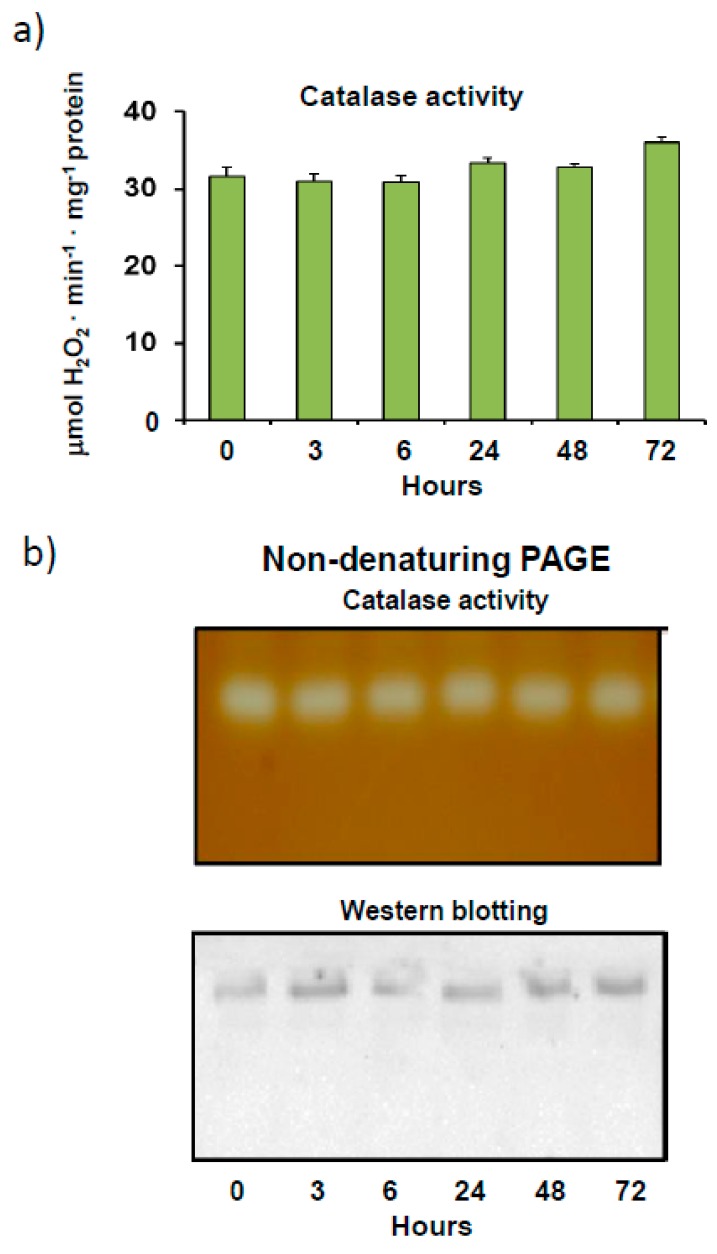
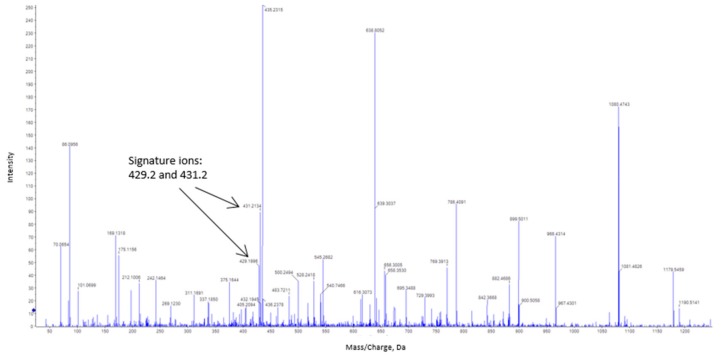
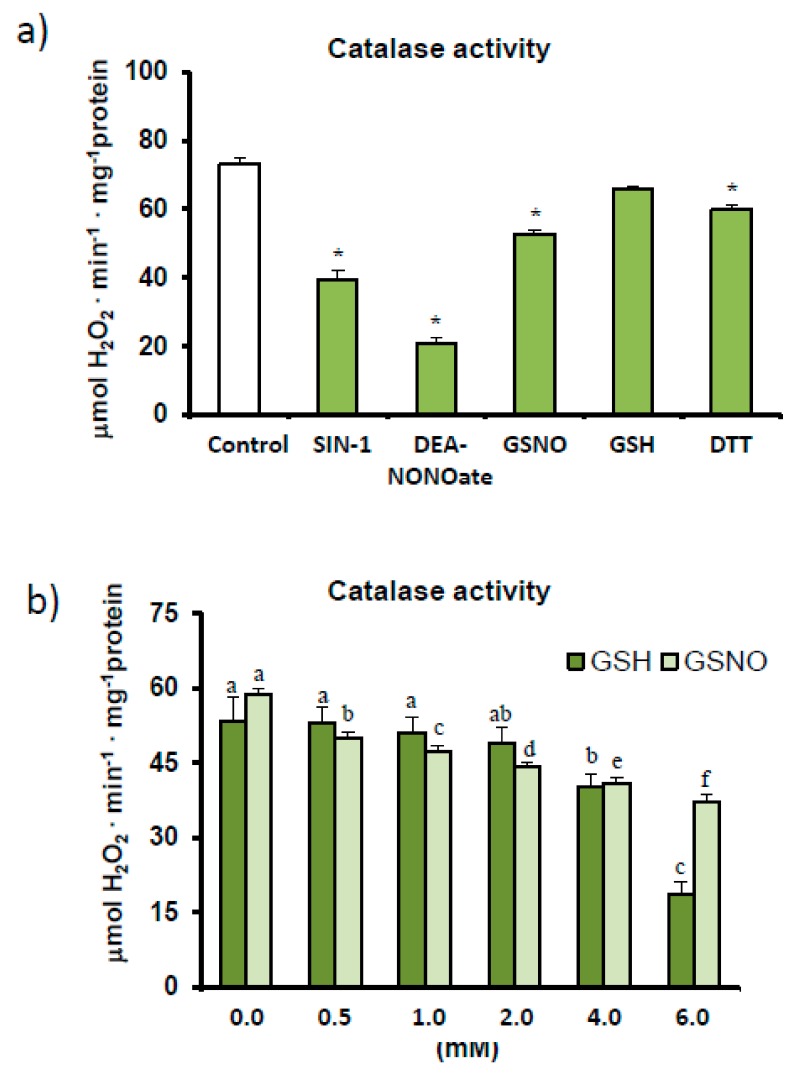
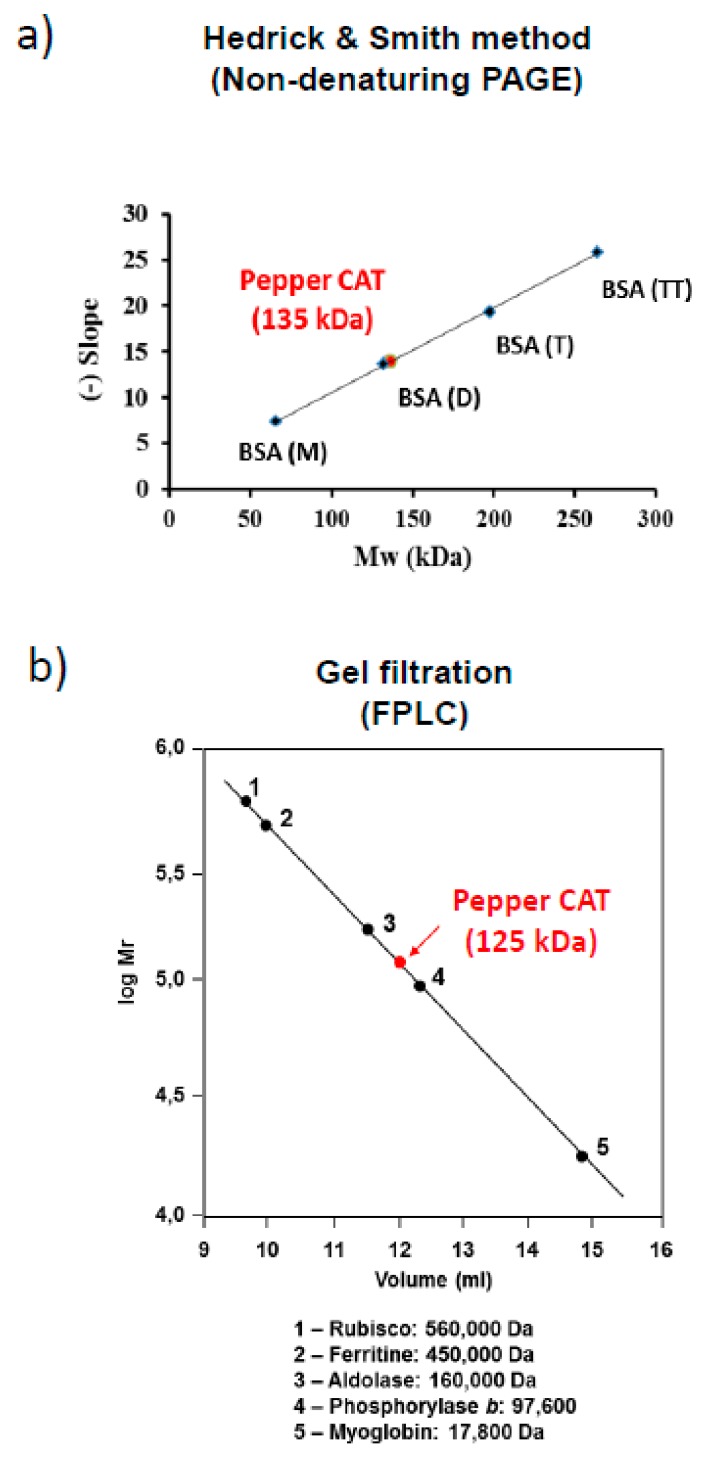
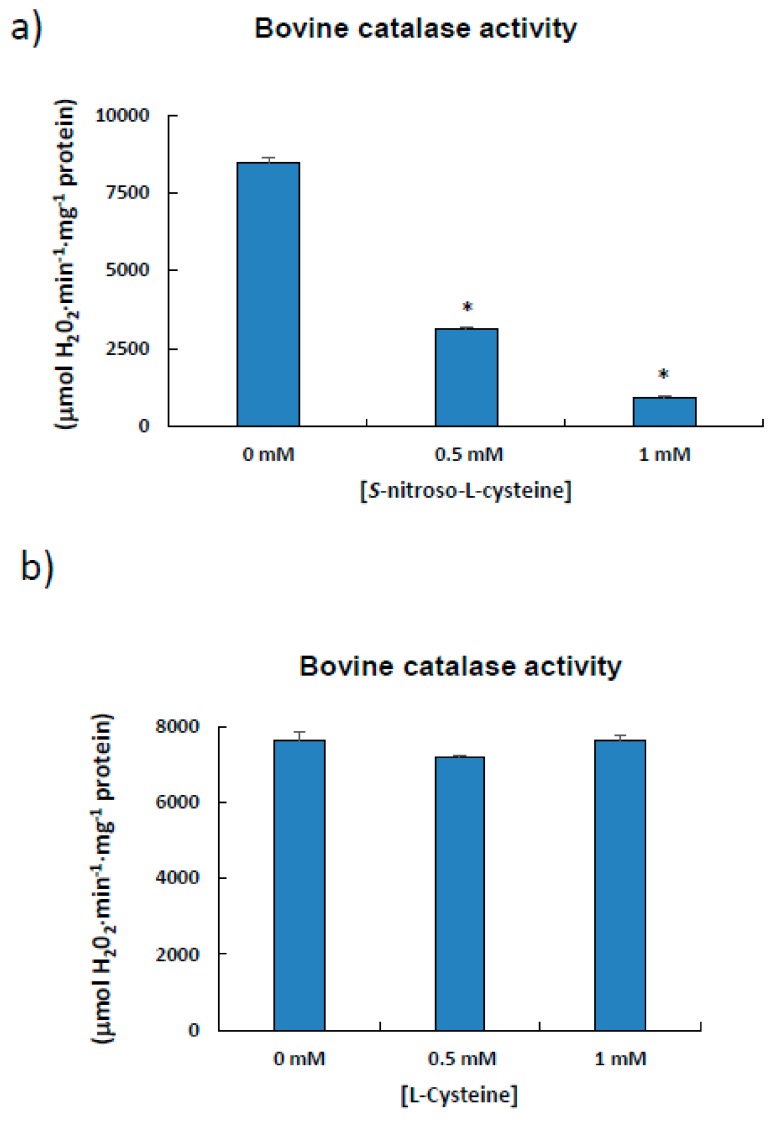
During the ripening of sweet pepper ( L.) fruits, in a genetically controlled scenario, enormous metabolic changes occur that affect the physiology of most cell compartments. Peroxisomal catalase gene expression decreases after pepper fruit ripening, while the enzyme is also susceptible to undergo post-translational modifications (nitration, -nitrosation, and oxidation) promoted by reactive oxygen and nitrogen species (ROS/RNS). Unlike most plant catalases, the pepper fruit enzyme acts as a homodimer, with an atypical native molecular mass of 125 to 135 kDa and an isoelectric point of 7.4, which is higher than that of most plant catalases. These data suggest that ROS/RNS could be essential to modulate the role of catalase in maintaining basic cellular peroxisomal functions during pepper fruit ripening when nitro-oxidative stress occurs. Using catalase from bovine liver as a model and biotin-switch labeling, in-gel trypsin digestion, and nanoliquid chromatography coupled with mass spectrometry, it was found that Cys377 from the bovine enzyme could potentially undergo -nitrosation. To our knowledge, this is the first report of a cysteine residue from catalase that can be post-translationally modified by -nitrosation, which makes it especially important to find the target points where the enzyme can be modulated under either physiological or adverse conditions.
在甜椒果实成熟过程中,在基因控制的情况下,会发生巨大的代谢变化,这些变化会影响大多数细胞区室的生理功能。辣椒果实成熟后,过氧化物酶体过氧化氢酶基因表达下降,同时该酶也容易受到活性氧和氮物种(ROS/RNS)促进的翻译后修饰(硝化、亚硝化和氧化)。与大多数植物过氧化氢酶不同,辣椒果实中的该酶以同型二聚体形式存在,其非典型天然分子量为125至135 kDa,等电点为7.4,高于大多数植物过氧化氢酶。这些数据表明,当发生硝基氧化应激时,ROS/RNS对于调节过氧化氢酶在维持辣椒果实成熟期间细胞过氧化物酶体基本功能中的作用可能至关重要。以牛肝过氧化氢酶为模型,通过生物素切换标记、凝胶内胰蛋白酶消化以及纳升液相色谱与质谱联用,发现牛酶中的Cys377可能会发生亚硝化。据我们所知,这是关于过氧化氢酶中一个可通过亚硝化进行翻译后修饰的半胱氨酸残基的首次报道,这使得找到该酶在生理或不利条件下可被调节的靶点尤为重要。