Cole Jason C, Wiggin Seth, Stanzione Francesca
The Cambridge Crystallographic Data Centre, 12 Union Road, Cambridge CB2 1EZ, United Kingdom.
Struct Dyn. 2019 Aug 28;6(5):054301. doi: 10.1063/1.5116878. eCollection 2019 Sep.
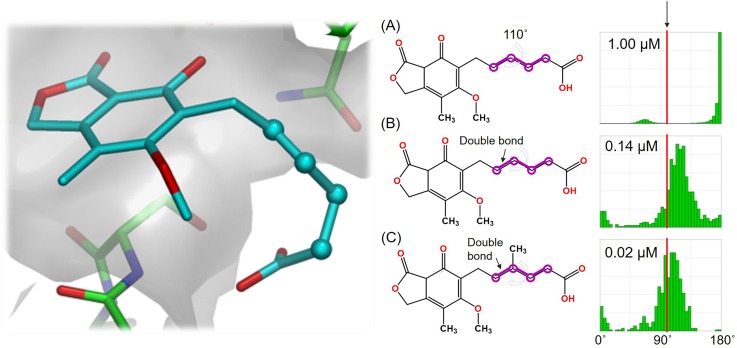
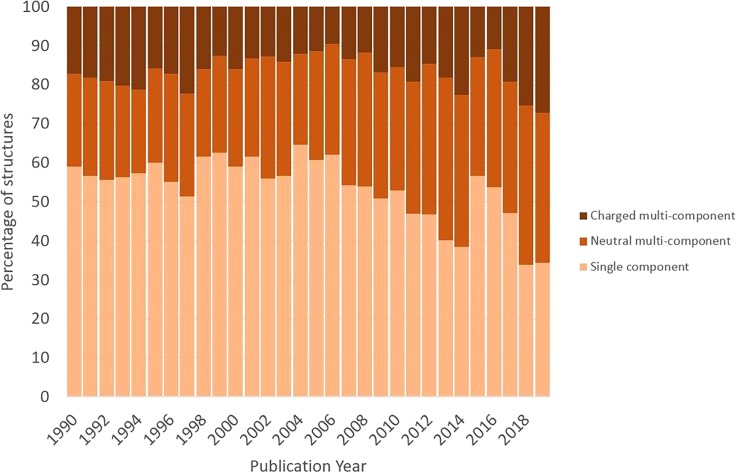
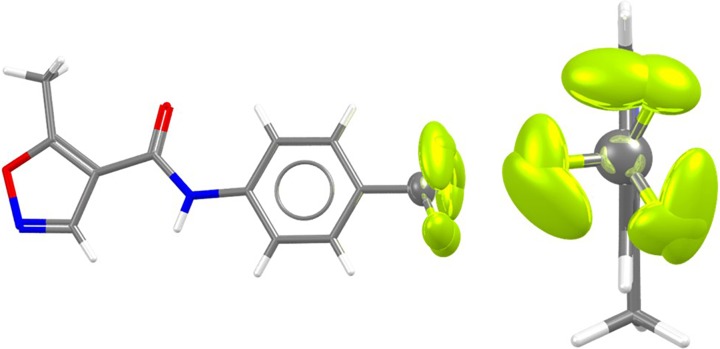
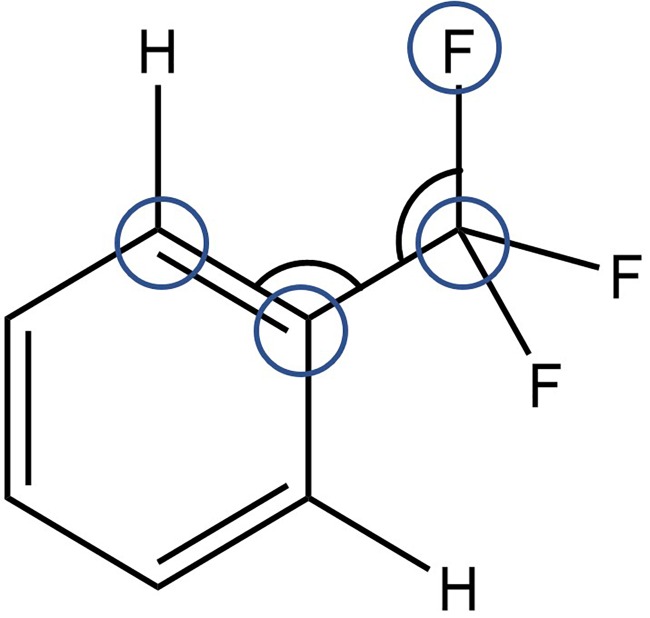
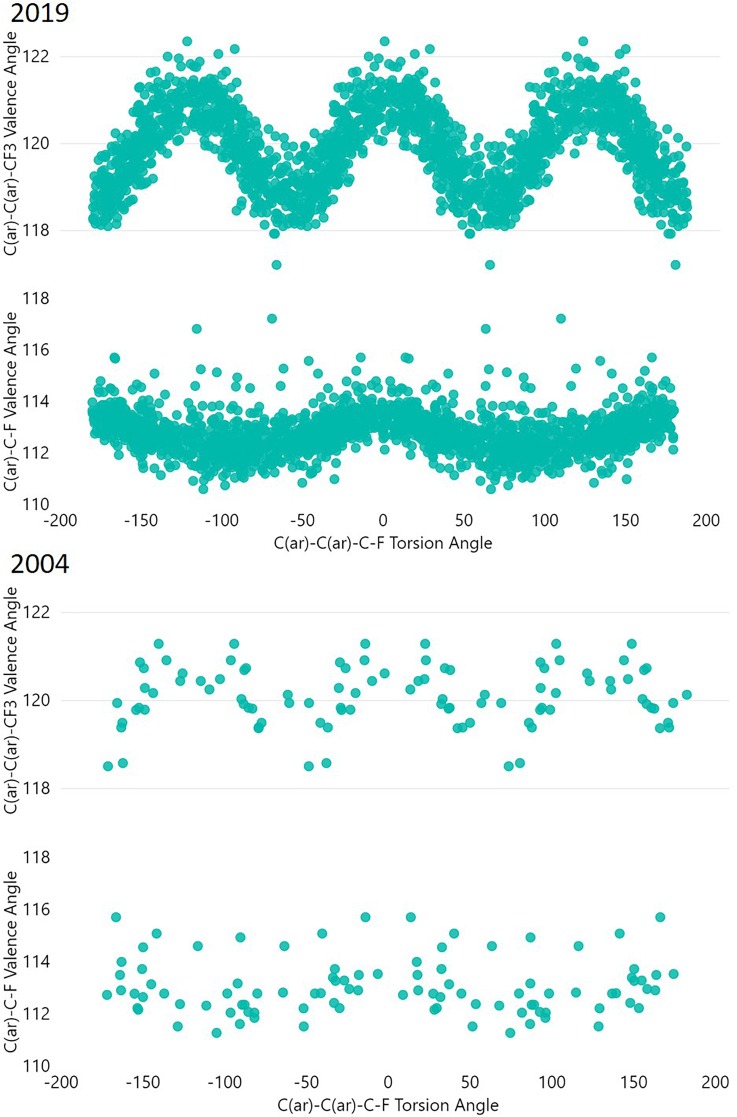
The Cambridge Structural Database (CSD) is the world's largest and most comprehensive collection of organic, organometallic, and metal-organic crystal structure information. Analyses using the data have wide impact across the chemical sciences in allowing understanding of structural preferences. In this short review, we illustrate the more common methods by which CSD data influence molecular design. We show how more data could lead to more refined insights into the future using a simple example of trifluoromethylphenyl fragments, highlighting how with sufficient data one can build a reasonable model of geometric change in a chemical fragment with torsional rotation, and show some recent examples where the CSD has been used in conjunction with other methods to provide design ideas and more computationally tractable workflows for derivation of useful insights into structural design.
剑桥结构数据库(CSD)是世界上最大、最全面的有机、有机金属和金属有机晶体结构信息集合。利用这些数据进行的分析在化学科学领域具有广泛影响,有助于理解结构偏好。在这篇简短的综述中,我们阐述了CSD数据影响分子设计的更常见方法。我们通过三氟甲基苯基片段这个简单例子展示了更多数据如何能让我们对未来有更精确的洞察,强调了有足够数据时如何构建一个化学片段随扭转旋转的几何变化合理模型,并展示了一些近期的例子,其中CSD已与其他方法结合使用,以提供设计思路和更易于计算处理的工作流程,从而获得对结构设计的有用见解。