Princeton University, Princeton, New Jersey, United States of America.
University of North Carolina at Chapel Hill, Chapel Hill, North Carolina, United States of America.
PLoS Biol. 2019 Sep 6;17(9):e3000437. doi: 10.1371/journal.pbio.3000437. eCollection 2019 Sep.
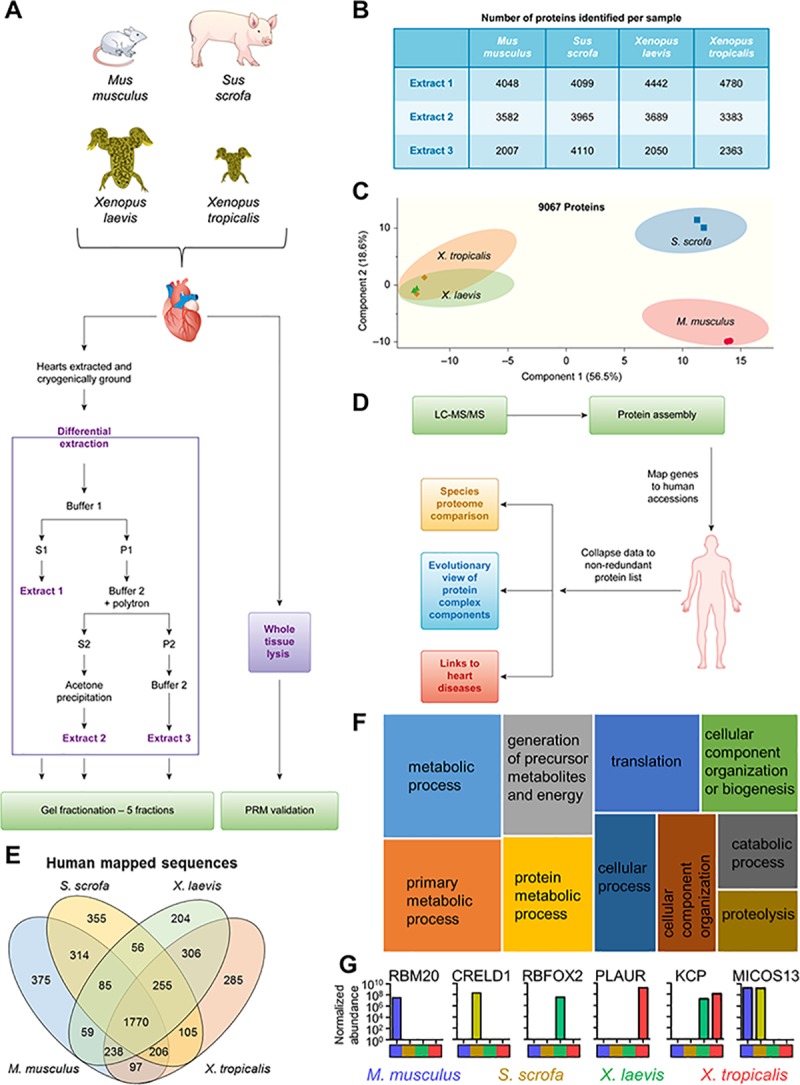
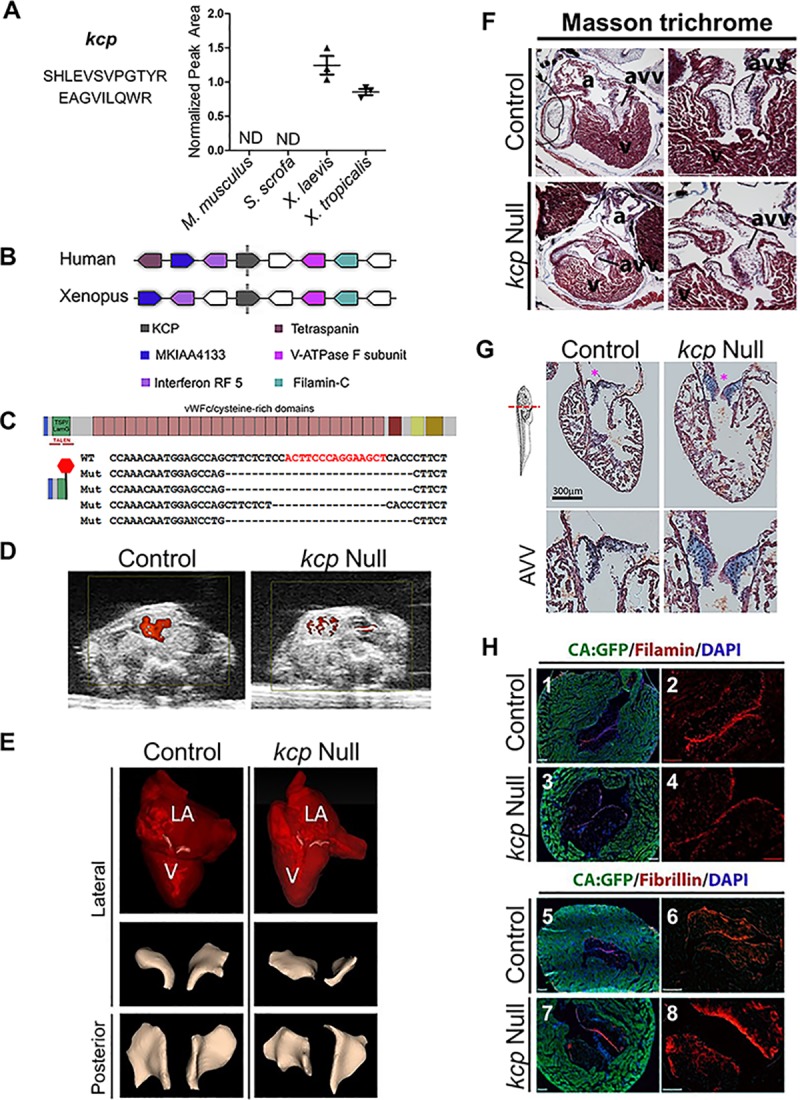
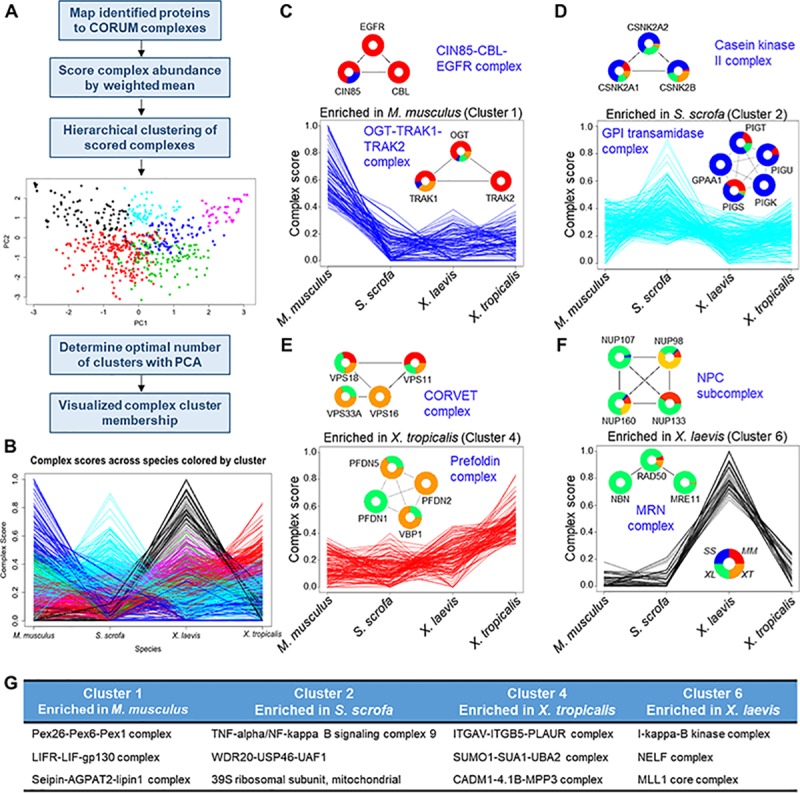
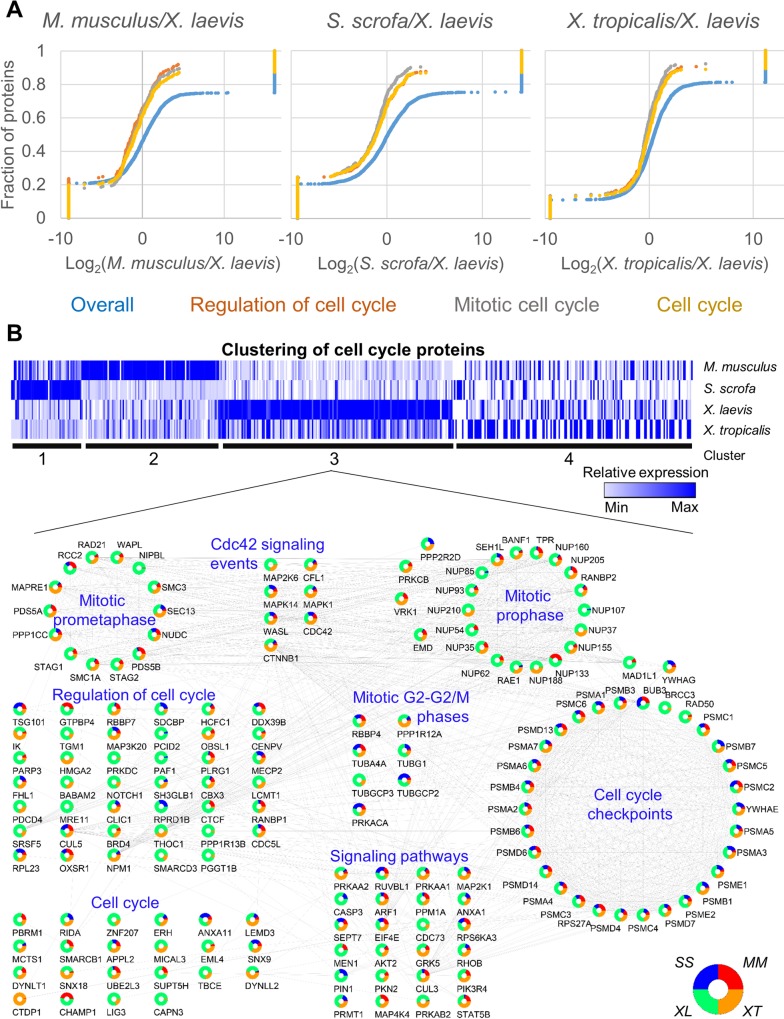
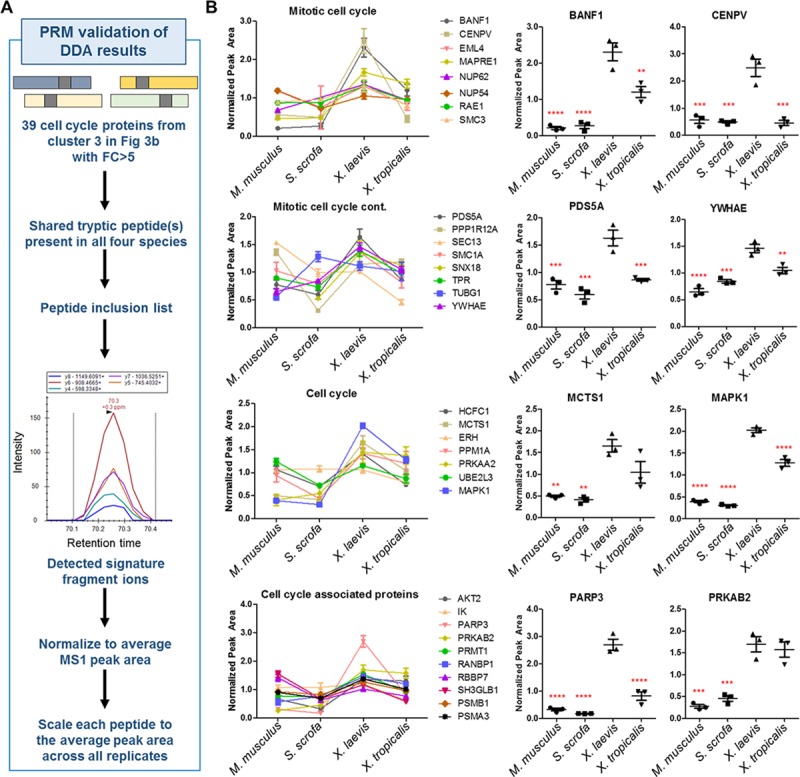
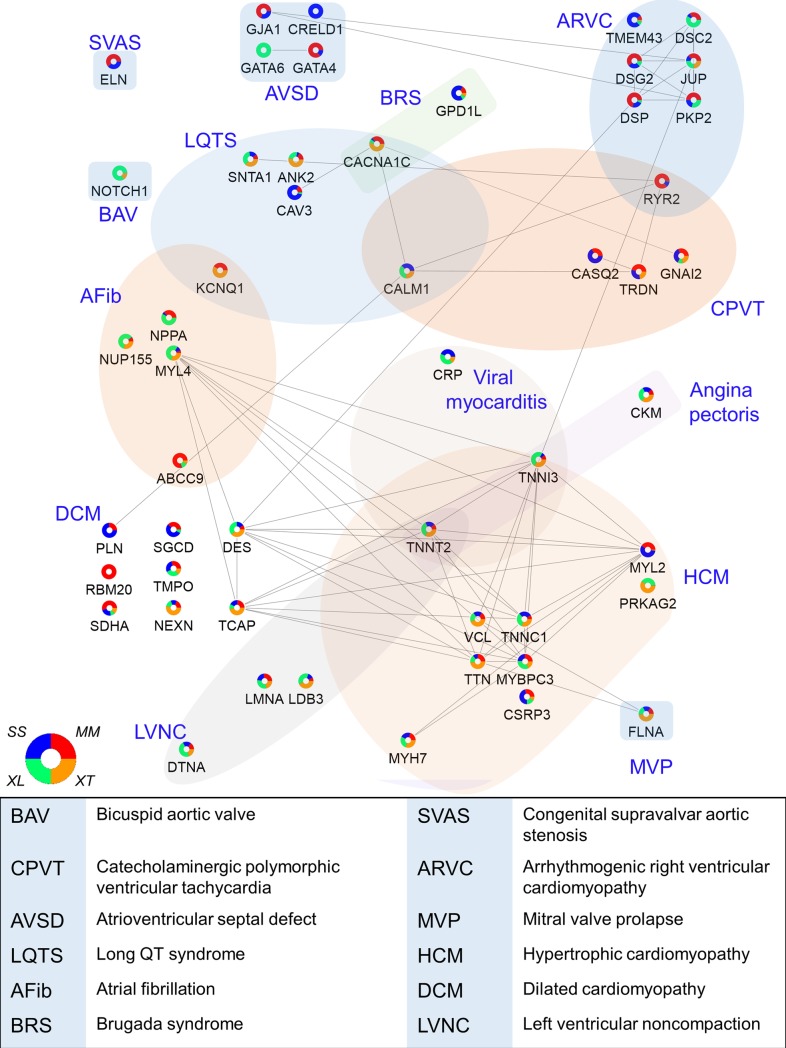
Heart disease is the leading cause of death in the western world. Attaining a mechanistic understanding of human heart development and homeostasis and the molecular basis of associated disease states relies on the use of animal models. Here, we present the cardiac proteomes of 4 model vertebrates with dual circulatory systems: the pig (Sus scrofa), the mouse (Mus musculus), and 2 frogs (Xenopus laevis and Xenopus tropicalis). Determination of which proteins and protein pathways are conserved and which have diverged within these species will aid in our ability to choose the appropriate models for determining protein function and to model human disease. We uncover mammalian- and amphibian-specific, as well as species-specific, enriched proteins and protein pathways. Among these, we find and validate an enrichment in cell-cycle-associated proteins within Xenopus laevis. To further investigate functional units within cardiac proteomes, we develop a computational approach to profile the abundance of protein complexes across species. Finally, we demonstrate the utility of these data sets for predicting appropriate model systems for studying given cardiac conditions by testing the role of Kielin/chordin-like protein (Kcp), a protein found as enriched in frog hearts compared to mammals. We establish that germ-line mutations in Kcp in Xenopus lead to valve defects and, ultimately, cardiac failure and death. Thus, integrating these findings with data on proteins responsible for cardiac disease should lead to the development of refined, species-specific models for protein function and disease states.
心脏病是西方世界的主要死因。要深入了解人类心脏发育和稳态的机制以及相关疾病状态的分子基础,依赖于动物模型的使用。在这里,我们展示了具有双循环系统的 4 种模式脊椎动物的心脏蛋白质组:猪(Sus scrofa)、小鼠(Mus musculus)和 2 种青蛙(Xenopus laevis 和 Xenopus tropicalis)。确定哪些蛋白质和蛋白质途径在这些物种中是保守的,哪些是分化的,将有助于我们选择合适的模型来确定蛋白质功能,并模拟人类疾病。我们发现了哺乳动物和两栖动物特有的、以及物种特有的丰富蛋白质和蛋白质途径。在这些途径中,我们发现并验证了在非洲爪蟾中细胞周期相关蛋白的富集。为了进一步研究心脏蛋白质组中的功能单元,我们开发了一种计算方法来分析跨物种的蛋白质复合物丰度。最后,我们通过测试在青蛙心脏中比哺乳动物丰富的 Kielin/Chordin-like 蛋白(Kcp)的作用,证明了这些数据集可用于预测研究特定心脏状况的合适模型系统的实用性。我们确定了 Xenopus 中的 Kcp 种系突变导致瓣膜缺陷,并最终导致心脏衰竭和死亡。因此,将这些发现与负责心脏疾病的蛋白质数据相结合,应该能够开发出针对特定物种的蛋白质功能和疾病状态的改良模型。