Lee In Hye
Department of Life Science, Ewha Womans University, Seoul, South Korea.
Exp Mol Med. 2019 Sep 6;51(9):1-11. doi: 10.1038/s12276-019-0302-7.
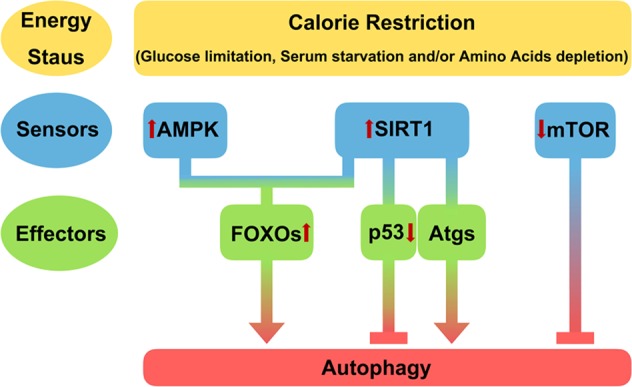
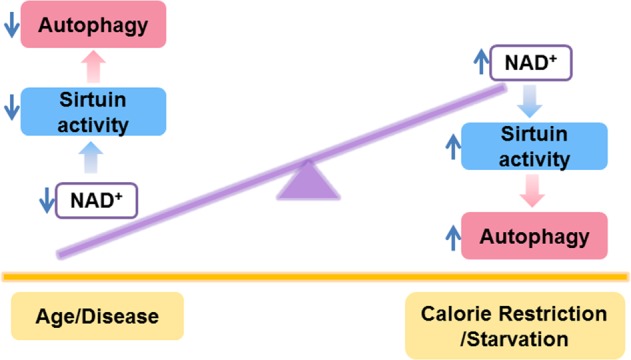
Accumulating evidence has indicated that sirtuins are key components of diverse physiological processes, including metabolism and aging. Sirtuins confer protection from a wide array of metabolic and age-related diseases, such as cancer, cardiovascular and neurodegenerative diseases. Recent studies have also suggested that sirtuins regulate autophagy, a protective cellular process for homeostatic maintenance in response to environmental stresses. Here, we describe various biological and pathophysiological processes regulated by sirtuin-mediated autophagy, focusing on cancer, heart, and liver diseases, as well as stem cell biology. This review also emphasizes key molecular mechanisms by which sirtuins regulate autophagy. Finally, we discuss novel insights into how new therapeutics targeting sirtuin and autophagy may potentially lead to effective strategies to combat aging and aging-related diseases.
越来越多的证据表明,沉默调节蛋白是多种生理过程的关键组成部分,包括新陈代谢和衰老。沉默调节蛋白能预防多种代谢性疾病和与年龄相关的疾病,如癌症、心血管疾病和神经退行性疾病。最近的研究还表明,沉默调节蛋白可调节自噬,这是一种细胞保护性过程,用于响应环境压力维持体内平衡。在此,我们描述了由沉默调节蛋白介导的自噬所调节的各种生物学和病理生理过程,重点关注癌症、心脏和肝脏疾病以及干细胞生物学。本综述还强调了沉默调节蛋白调节自噬的关键分子机制。最后,我们讨论了针对沉默调节蛋白和自噬的新疗法如何可能潜在地带来对抗衰老及衰老相关疾病的有效策略的新见解。