Department of Pharmacology and Physiology, Faculty of Medicine, Université de Montréal, Montréal, QC, H3T 1J4, Canada.
CHU Sainte-Justine research center, Montréal, QC, H3T 1C5, Canada.
Nat Commun. 2019 Sep 9;10(1):4075. doi: 10.1038/s41467-019-11875-6.
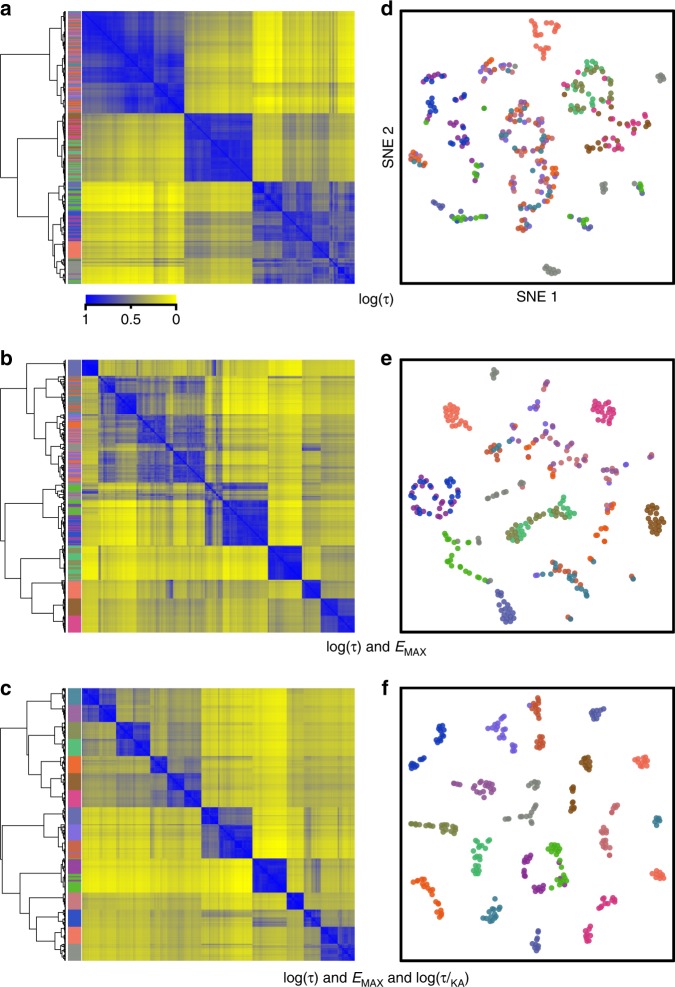
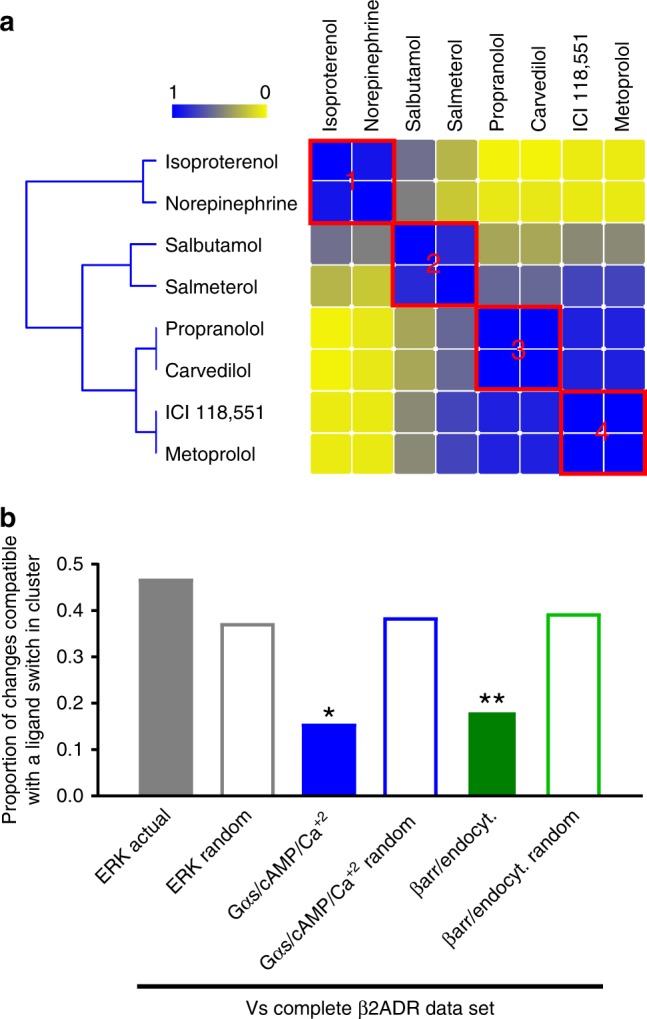
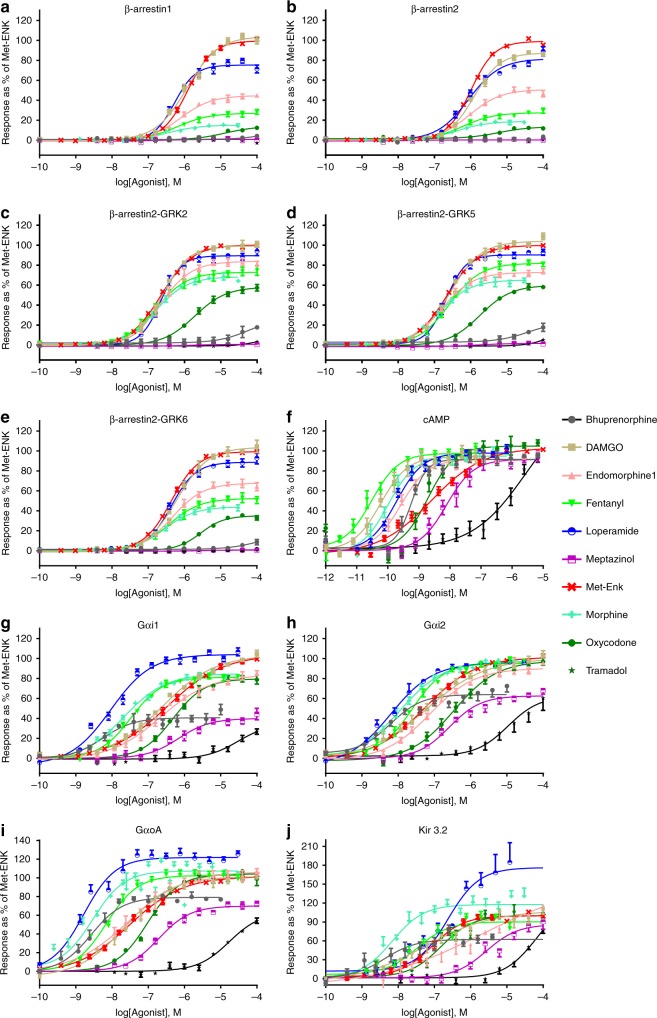
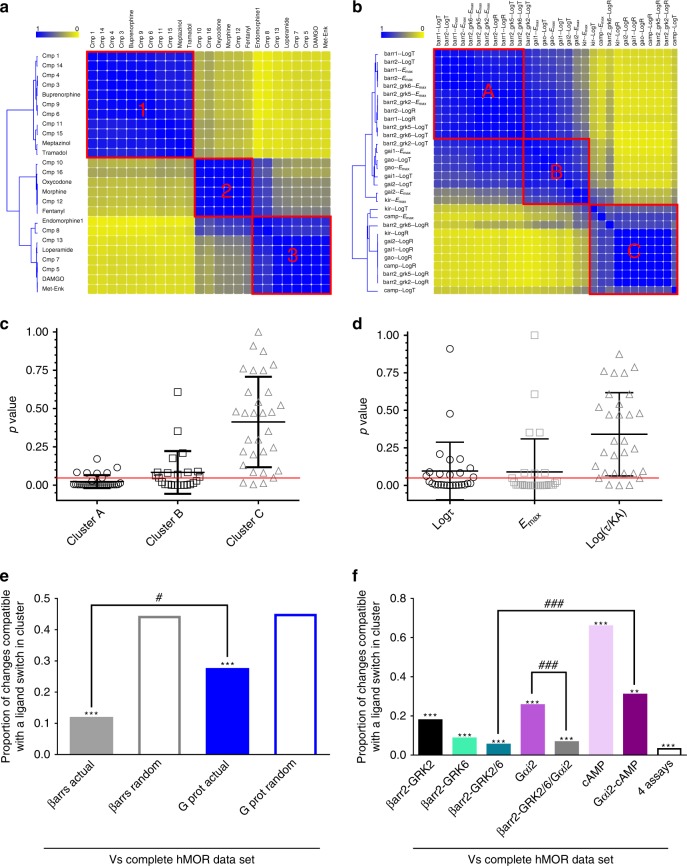
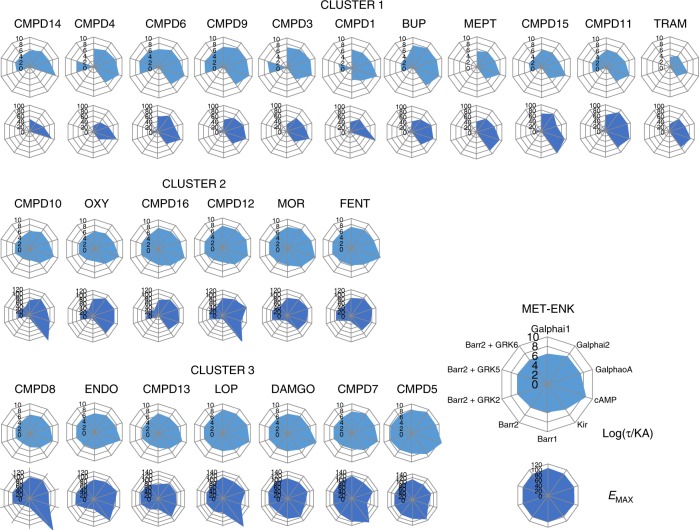
Signaling diversity of G protein-coupled (GPCR) ligands provides novel opportunities to develop more effective, better-tolerated therapeutics. Taking advantage of these opportunities requires identifying which effectors should be specifically activated or avoided so as to promote desired clinical responses and avoid side effects. However, identifying signaling profiles that support desired clinical outcomes remains challenging. This study describes signaling diversity of mu opioid receptor (MOR) ligands in terms of logistic and operational parameters for ten different in vitro readouts. It then uses unsupervised clustering of curve parameters to: classify MOR ligands according to similarities in type and magnitude of response, associate resulting ligand categories with frequency of undesired events reported to the pharmacovigilance program of the Food and Drug Administration and associate signals to side effects. The ability of the classification method to associate specific in vitro signaling profiles to clinically relevant responses was corroborated using β2-adrenergic receptor ligands.
G 蛋白偶联受体(GPCR)配体的信号多样性为开发更有效、耐受性更好的治疗方法提供了新的机会。要利用这些机会,就需要确定应具体激活或避免哪些效应器,以促进所需的临床反应并避免副作用。然而,确定支持所需临床结果的信号特征仍然具有挑战性。本研究描述了在十种不同体外检测中,μ阿片受体(MOR)配体的信号多样性,这些检测是根据逻辑和操作参数来进行的。然后,使用曲线参数的无监督聚类:根据反应类型和幅度的相似性对 MOR 配体进行分类,将所得配体类别与向食品和药物管理局药物警戒计划报告的不良事件的频率相关联,并将信号与副作用相关联。使用β2-肾上腺素能受体配体验证了分类方法将特定的体外信号特征与临床相关反应相关联的能力。