Hung Hsien-Ching, Huang Chiung-Shing, Pan Yu-Hwa
Chang-Gung Memorial Hospital, Division of Craniofacial Dentistry, Taipei, Taiwan, ROC.
Chang-Gung Memorial Hospital, Division of General Dentistry, Taipei, Taiwan, ROC.
J Dent Sci. 2019 Sep;14(3):318-324. doi: 10.1016/j.jds.2019.01.014. Epub 2019 Mar 28.
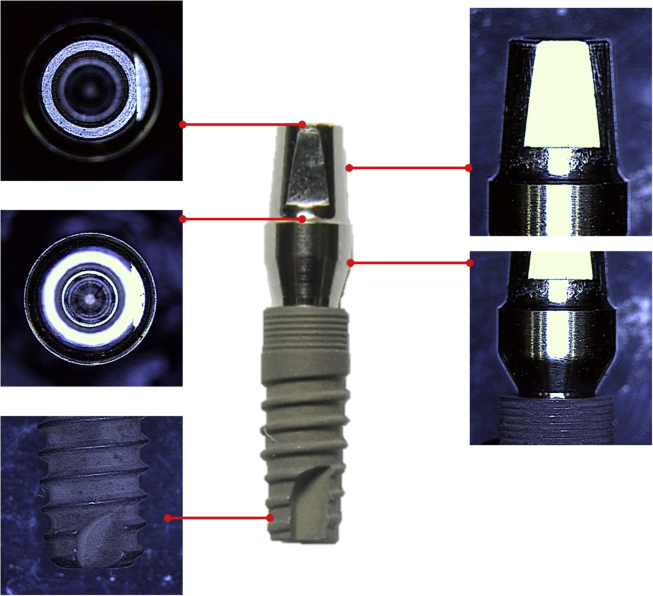
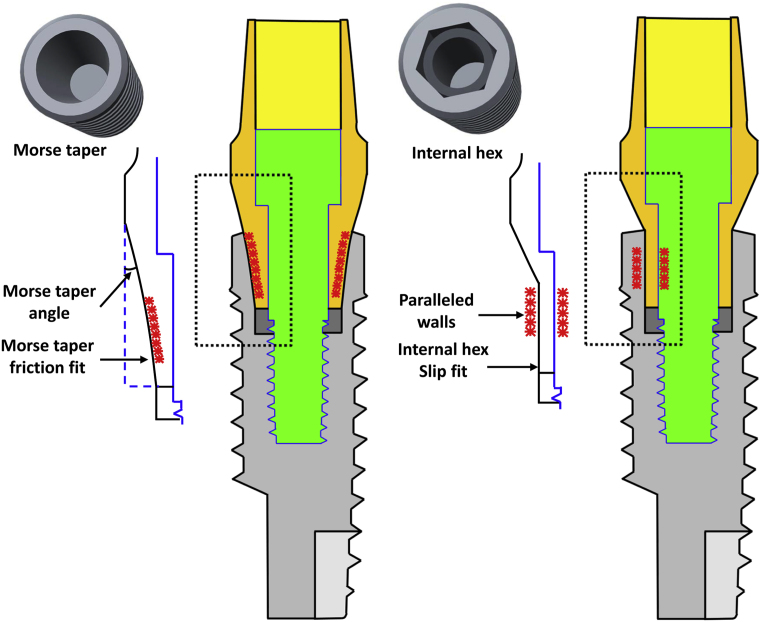
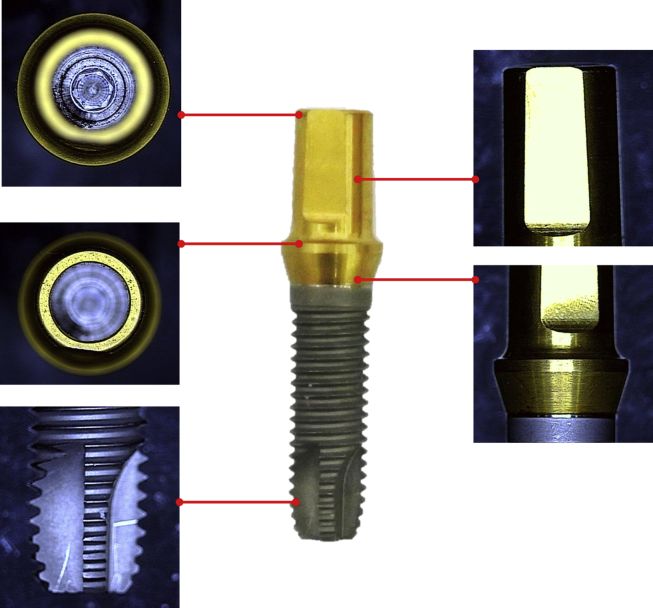
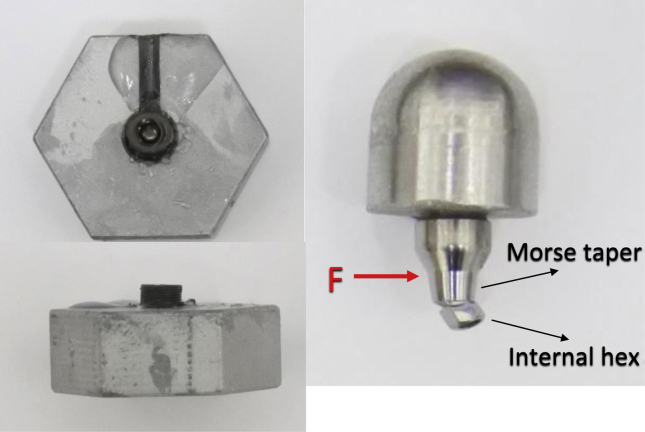
BACKGROUND/PURPOSE: Implant-abutment connection is the component responsible for the transmitting of occlusal force from the crown down to the implant fixture. Different connection geometric structure will lead to different mechanical performance. The purpose of this study was to compare the stability of internal hex Implant -abutment connection with internal hex with Morse taper implant-abutment connection by testing their compressive strength.
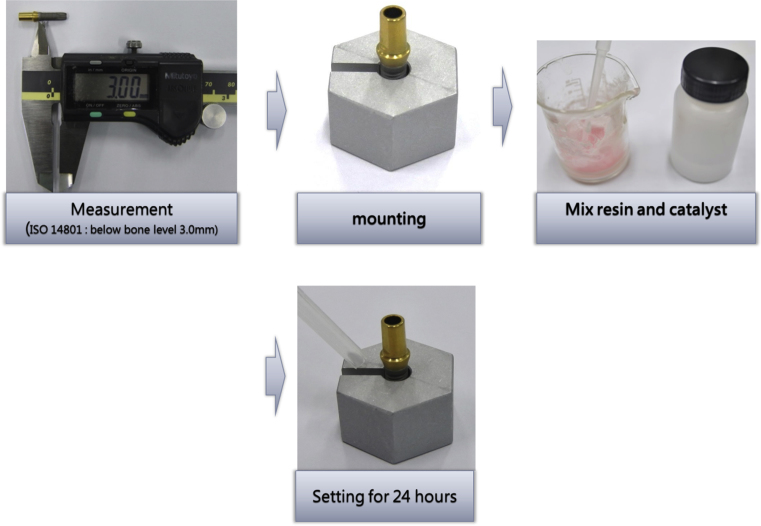
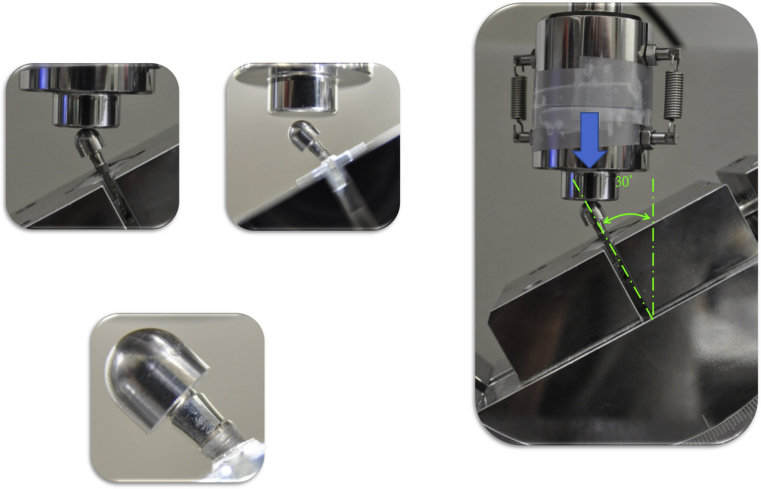
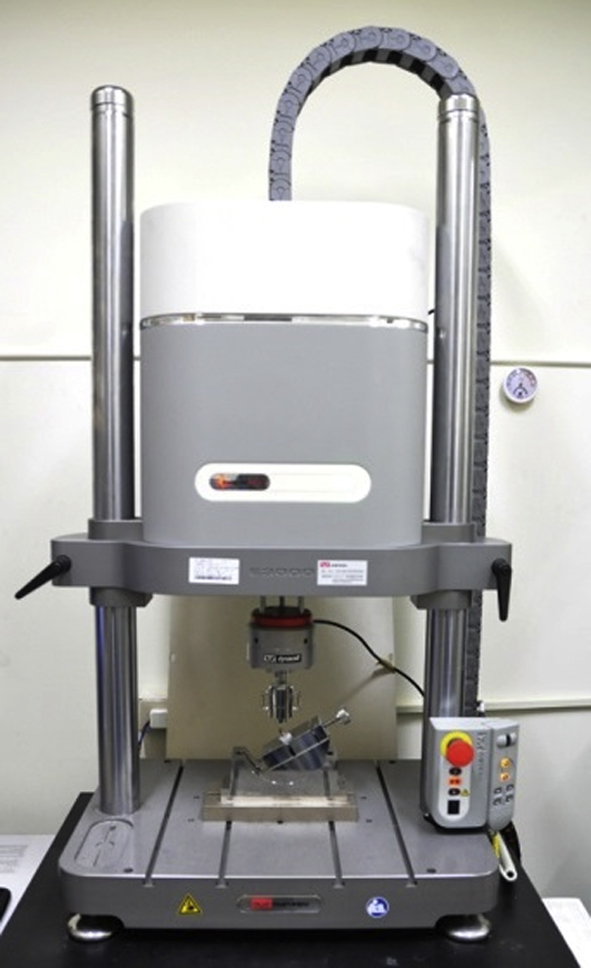
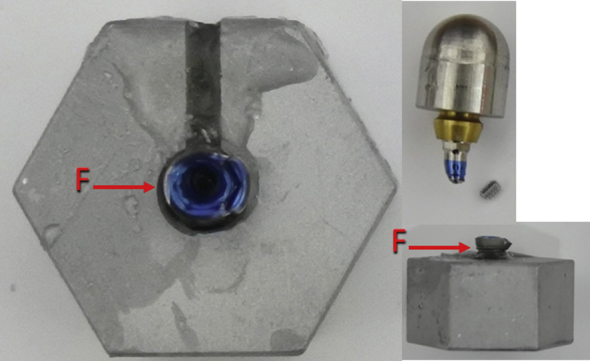
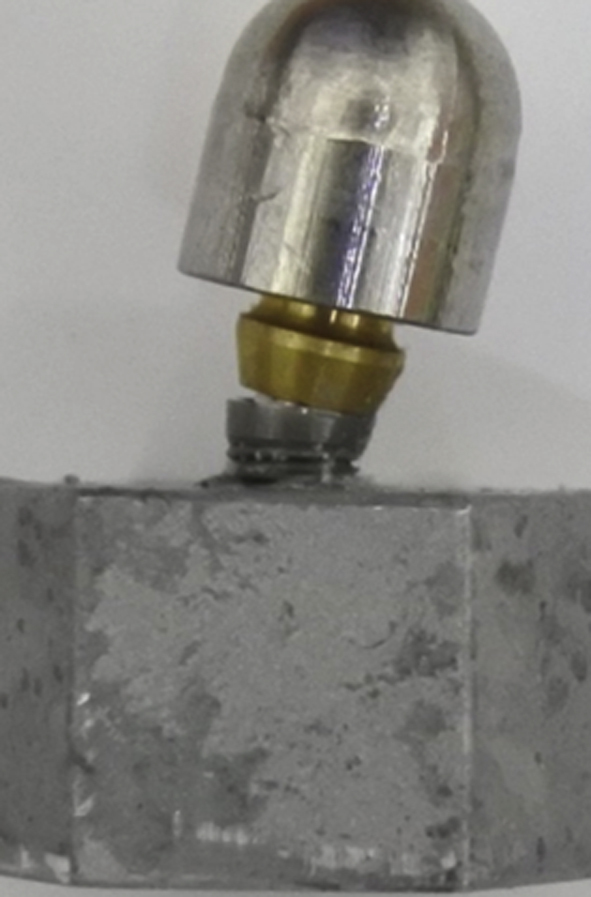
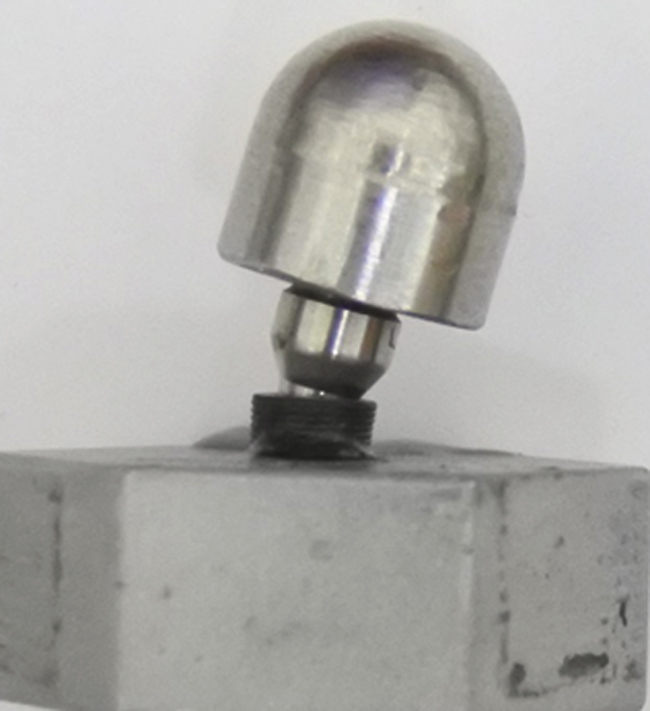
This was an in vitro study. The test group and the control group had 8 specimens separately. The test group was internal hex combined with Morse taper implant connection design, and the control group was internal hex connection design. Static force was applied to the specimens at a 30° angle until failure. The testing protocol was designed according to ISO14801 regulations. We compared the compressive strength of both groups.
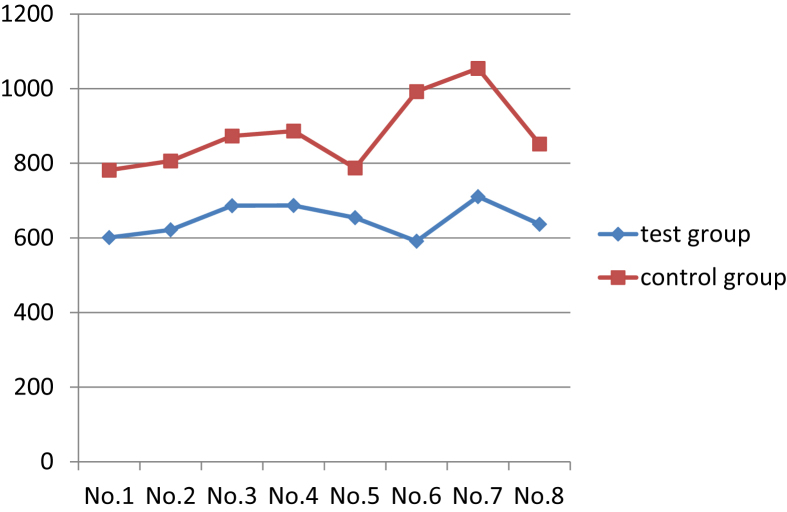
The control group showed significantly higher compressive strength than the test group (p < 0.0001).
For the compressive strength of implant abutment complex, incorporating Morse taper design into internal hex connection failed to enhance its mechanical performance. According to this study, internal hex connection has higher compressive strength than internal hex connection combined with Morse taper design.
背景/目的:种植体-基台连接是负责将咬合力从牙冠传递至种植体固定装置的部件。不同的连接几何结构会导致不同的力学性能。本研究的目的是通过测试内六角种植体-基台连接和内六角与莫氏锥度种植体-基台连接的抗压强度,比较它们的稳定性。
这是一项体外研究。试验组和对照组分别有8个标本。试验组为内六角与莫氏锥度种植体连接设计,对照组为内六角连接设计。以30°角对标本施加静力直至破坏。测试方案根据ISO14801规定设计。我们比较了两组的抗压强度。
对照组的抗压强度显著高于试验组(p<0.0001)。
对于种植体基台复合体的抗压强度,在内六角连接中纳入莫氏锥度设计未能提高其力学性能。根据本研究,内六角连接比内六角与莫氏锥度设计相结合的连接具有更高的抗压强度。