Department of Neurological, Biomedical and Movement Science, University of Verona, 37134 Verona, Italy.
Department of Biotechnology, University of Verona, 37134 Verona, Italy.
Cells. 2019 Sep 14;8(9):1087. doi: 10.3390/cells8091087.
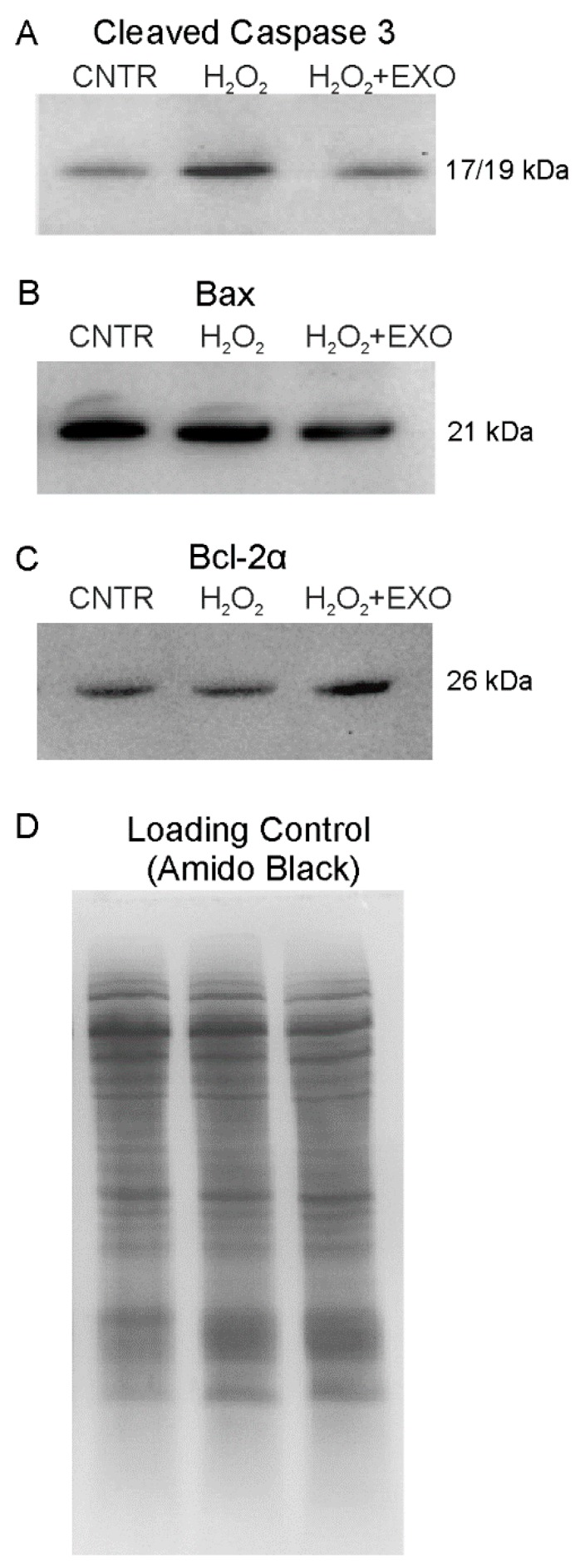
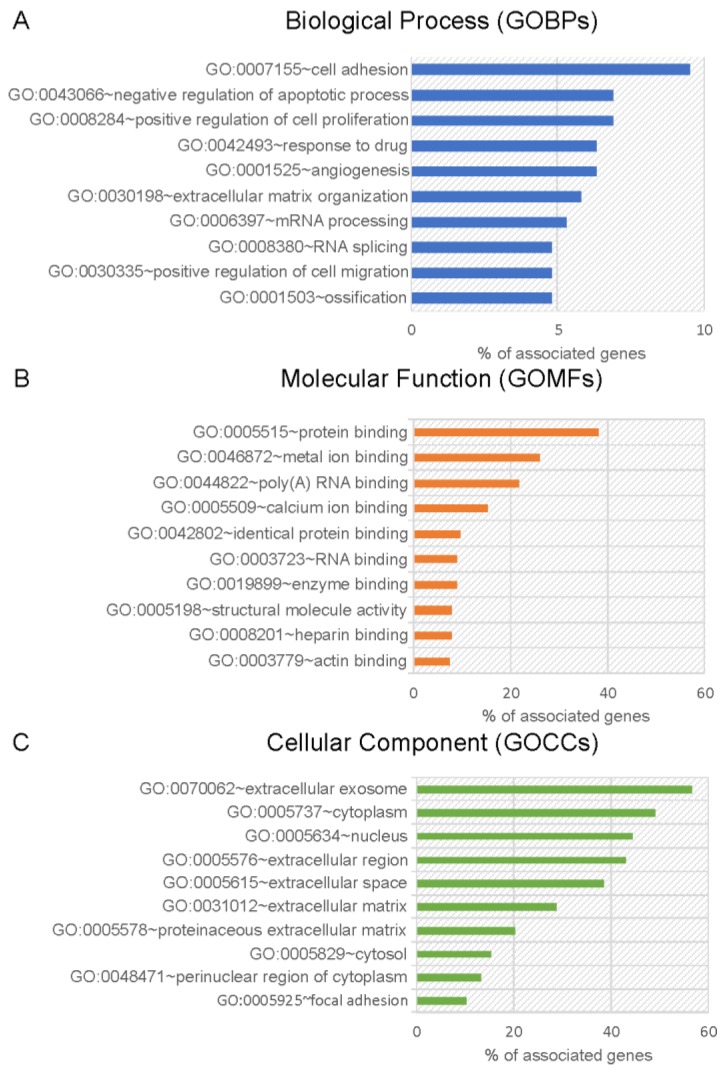
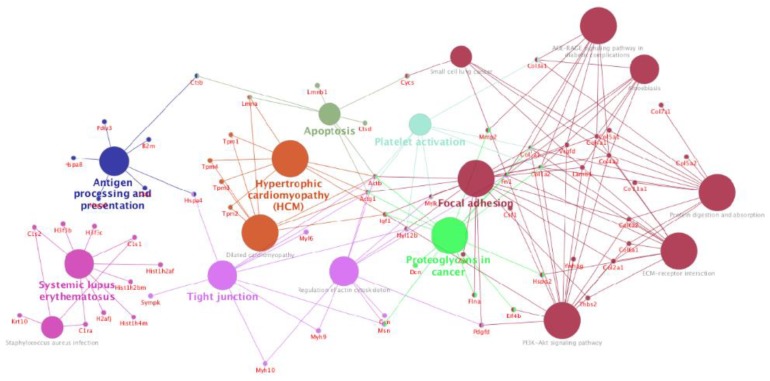
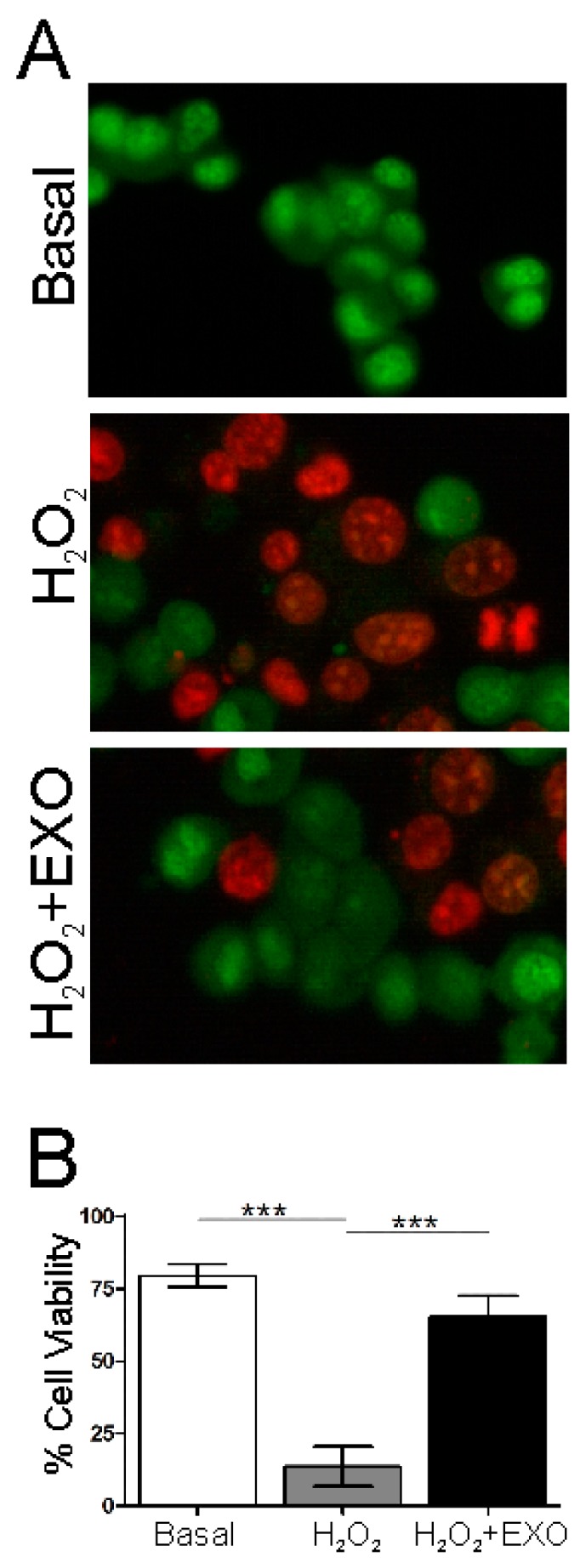
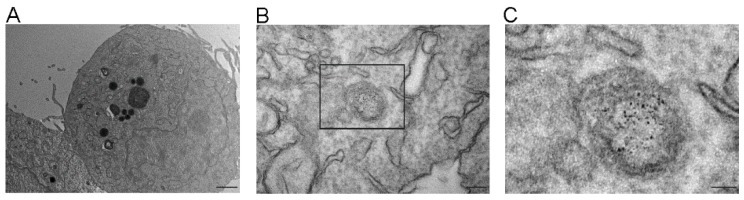
Stem cell therapy represents a promising approach in the treatment of several neurodegenerative disorders, including amyotrophic lateral sclerosis (ALS). The beneficial effect of stem cells is exerted by paracrine mediators, as exosomes, suggesting a possible potential use of these extracellular vesicles as non-cell based therapy. We demonstrated that exosomes isolated from adipose stem cells (ASC) display a neuroprotective role in an in vitro model of ALS. Moreover, the internalization of ASC-exosomes by the cells was shown and the molecules and the mechanisms by which exosomes could exert their beneficial effect were addressed. We performed for the first time a comprehensive proteomic analysis of exosomes derived from murine ASC. We identified a total of 189 proteins and the shotgun proteomics analysis revealed that the exosomal proteins are mainly involved in cell adhesion and negative regulation of the apoptotic process. We correlated the protein content to the anti-apoptotic effect of exosomes observing a downregulation of pro-apoptotic proteins Bax and cleaved caspase-3 and upregulation of anti-apoptotic protein Bcl-2 α, in an in vitro model of ALS after cell treatment with exosomes. Overall, this study shows the neuroprotective effect of ASC-exosomes after their internalization and their global protein profile, that could be useful to understand how exosomes act, demonstrating that they can be employed as therapy in neurodegenerative diseases.
干细胞疗法在治疗多种神经退行性疾病方面具有广阔的前景,包括肌萎缩侧索硬化症(ALS)。干细胞的有益作用是通过旁分泌介质(如外泌体)发挥的,这表明这些细胞外囊泡作为非细胞基础疗法可能具有潜在的应用价值。我们证明了从脂肪干细胞(ASC)中分离的外泌体在 ALS 的体外模型中具有神经保护作用。此外,我们还观察到 ASC 外泌体被细胞内化,并探讨了外泌体发挥其有益作用的分子和机制。我们首次对来源于鼠 ASC 的外泌体进行了全面的蛋白质组学分析。我们总共鉴定到 189 种蛋白质,而鸟枪法蛋白质组学分析表明,外泌体蛋白主要参与细胞黏附和细胞凋亡过程的负调控。我们将蛋白含量与外泌体的抗凋亡作用相关联,在体外 ALS 模型中观察到,外泌体处理细胞后,促凋亡蛋白 Bax 和切割的 caspase-3 下调,抗凋亡蛋白 Bcl-2α 上调。总的来说,这项研究显示了 ASC 外泌体在被内化后的神经保护作用及其全面的蛋白质谱,这有助于我们理解外泌体的作用机制,并证明它们可以作为神经退行性疾病的治疗方法。