He Yi, Chen Yong, Morris Daniel L, Lee Duck-Yeon, Tjandra Nico
National Institutes of Health, National Heart, Lung and Blood Institute, Biochemistry and Biophysics Center, Bethesda, MD, 20892, USA.
National Institutes of Health, National Heart, Lung and Blood Institute, Proteomics Core, Bethesda, MD, 20892, USA.
Protein Expr Purif. 2020 Jan;165:105501. doi: 10.1016/j.pep.2019.105501. Epub 2019 Sep 19.
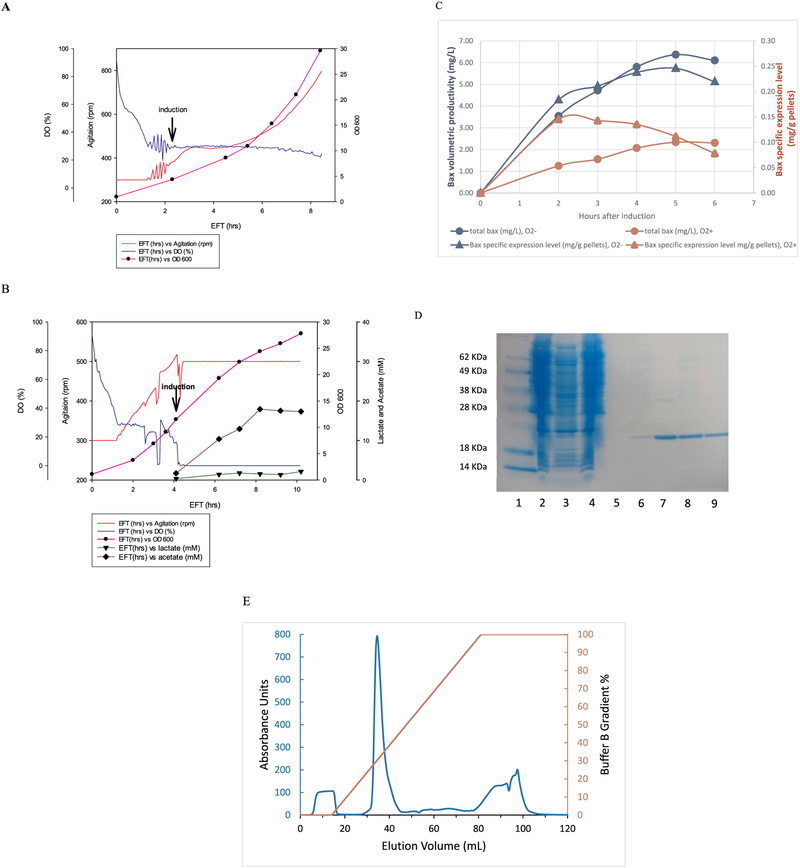
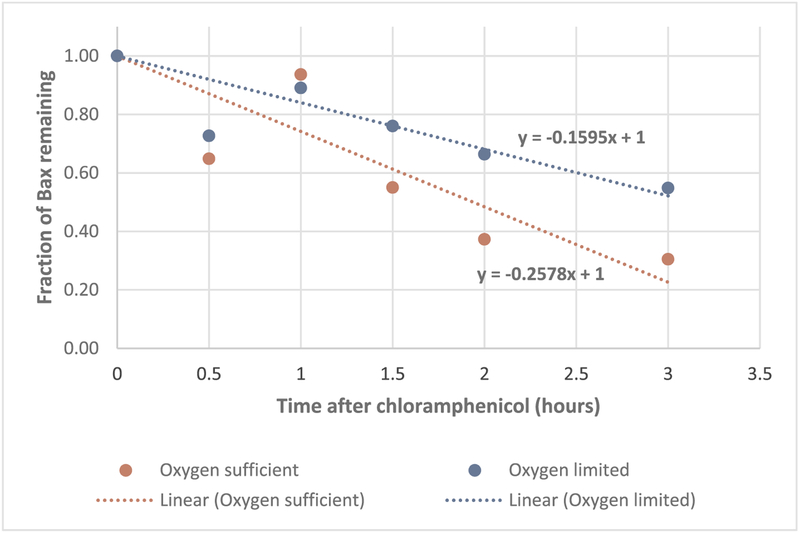
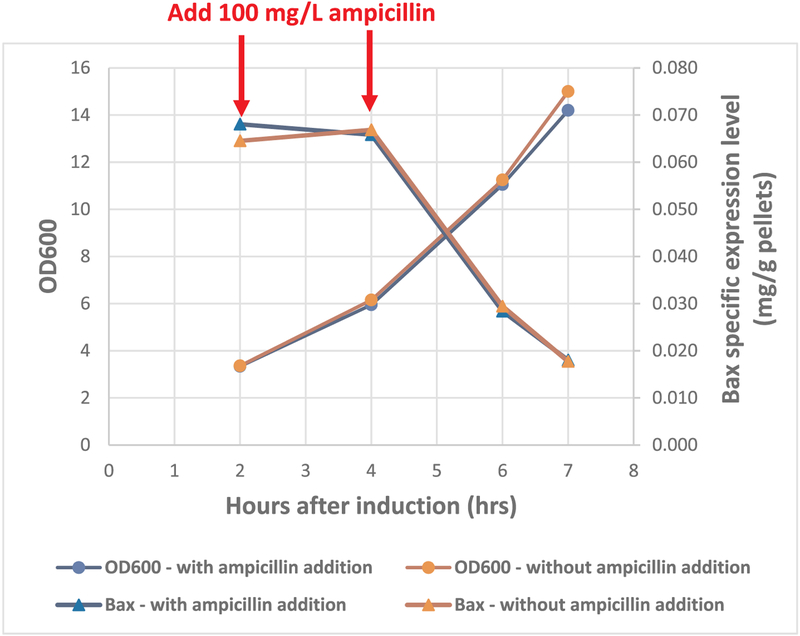
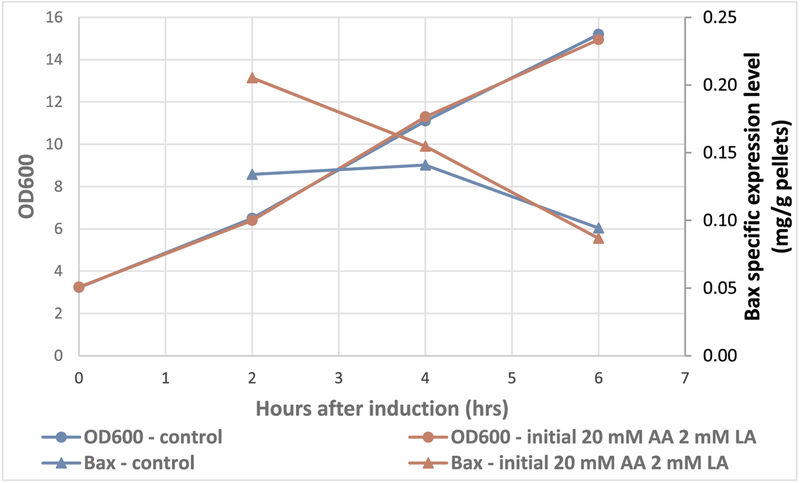
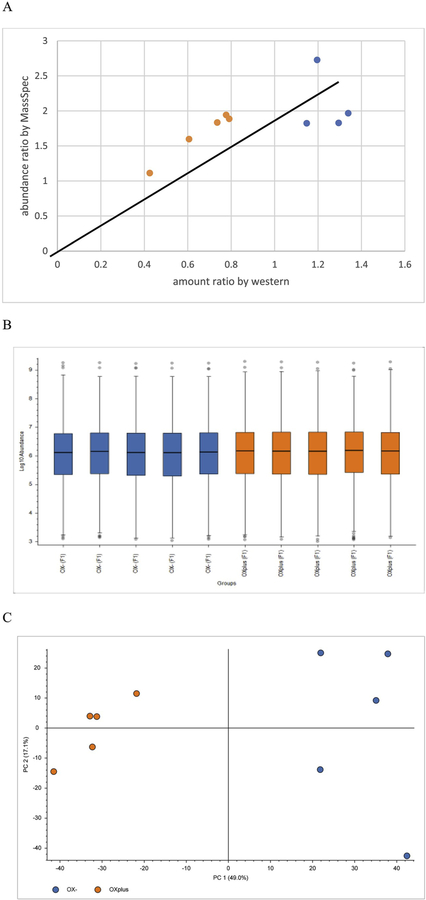
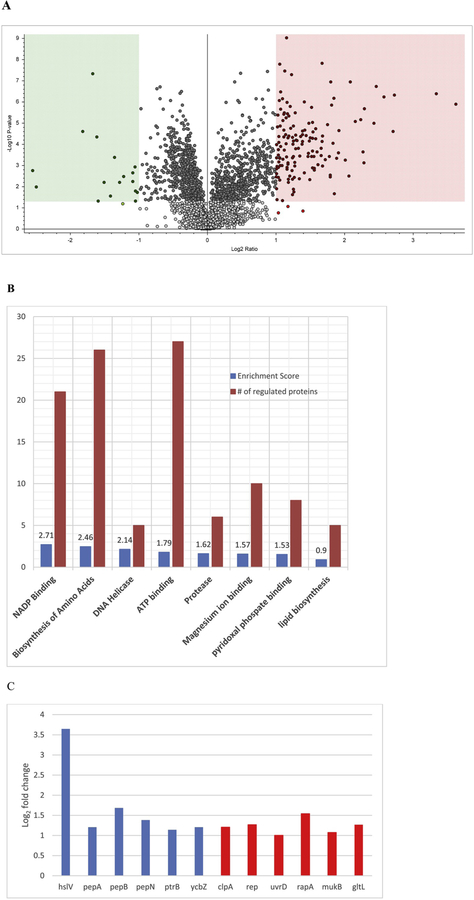
Bax is a pro-apoptosis protein that translocates from the cytosol to the mitochondria membrane upon initiation of programed cell death. Bax subsequently disrupts the mitochondria membrane, resulting in the release of cytochrome C which activates the downstream caspases. The structure of inactive Bax has been solved, but despite intensive investigation, the mechanism by which it regulates apoptosis is not established. The low yield of Bax expression in E. coli hampers efforts to elucidate the mechanism. Thus, we undertook a systematic study aimed at improving the yield of Bax. Bacteria were grown in a computer-controlled fermenter and expression was induced by addition of Isopropyl ß-d-1-thiogalactopyranoside (IPTG). The Bax expression level decreased continuously when the dissolved oxygen level was kept at 30%, which is non-limiting for E. coli. Alternatively, when oxygen input was decreased with constant agitation and air flow (or ka), Bax yield increased by a factor of three. To make sure the short chain fatty acids generated during micro-aerobic fermentation had no adverse effect, their concentrations were closely monitored with HPLC and their effect on cell growth and Bax expression were investigated additionally using shake flasks. Through proteomic analysis using Tandem Mass Tag (TMT) labeling, we identified degradation pathway within E. coli cells as a potential player behind the lower expression level.
Bax是一种促凋亡蛋白,在程序性细胞死亡启动时从细胞质转移到线粒体膜。随后,Bax破坏线粒体膜,导致细胞色素C释放,从而激活下游的半胱天冬酶。无活性Bax的结构已被解析,但尽管进行了深入研究,其调节细胞凋亡的机制仍未明确。Bax在大肠杆菌中的低表达量阻碍了对其机制的阐明。因此,我们开展了一项旨在提高Bax产量的系统研究。细菌在计算机控制的发酵罐中培养,并通过添加异丙基-β-D-硫代半乳糖苷(IPTG)诱导表达。当溶解氧水平保持在30%(对大肠杆菌而言无限制)时,Bax表达水平持续下降。相反,在恒定搅拌和气流(或ka)下减少氧气输入时,Bax产量提高了三倍。为确保微需氧发酵过程中产生的短链脂肪酸没有不利影响,我们用高效液相色谱法密切监测其浓度,并另外使用摇瓶研究它们对细胞生长和Bax表达的影响。通过使用串联质谱标签(TMT)标记进行蛋白质组学分析,我们确定大肠杆菌细胞内的降解途径是导致较低表达水平的一个潜在因素。