Department of Psychiatry, Kyoto University Graduate School of Medicine, Kyoto, Japan.
Laboratory for Brain Connectomics Imaging, RIKEN Center for Biosystems Dynamics Research, Kobe, Japan.
PLoS One. 2019 Sep 23;14(9):e0222787. doi: 10.1371/journal.pone.0222787. eCollection 2019.
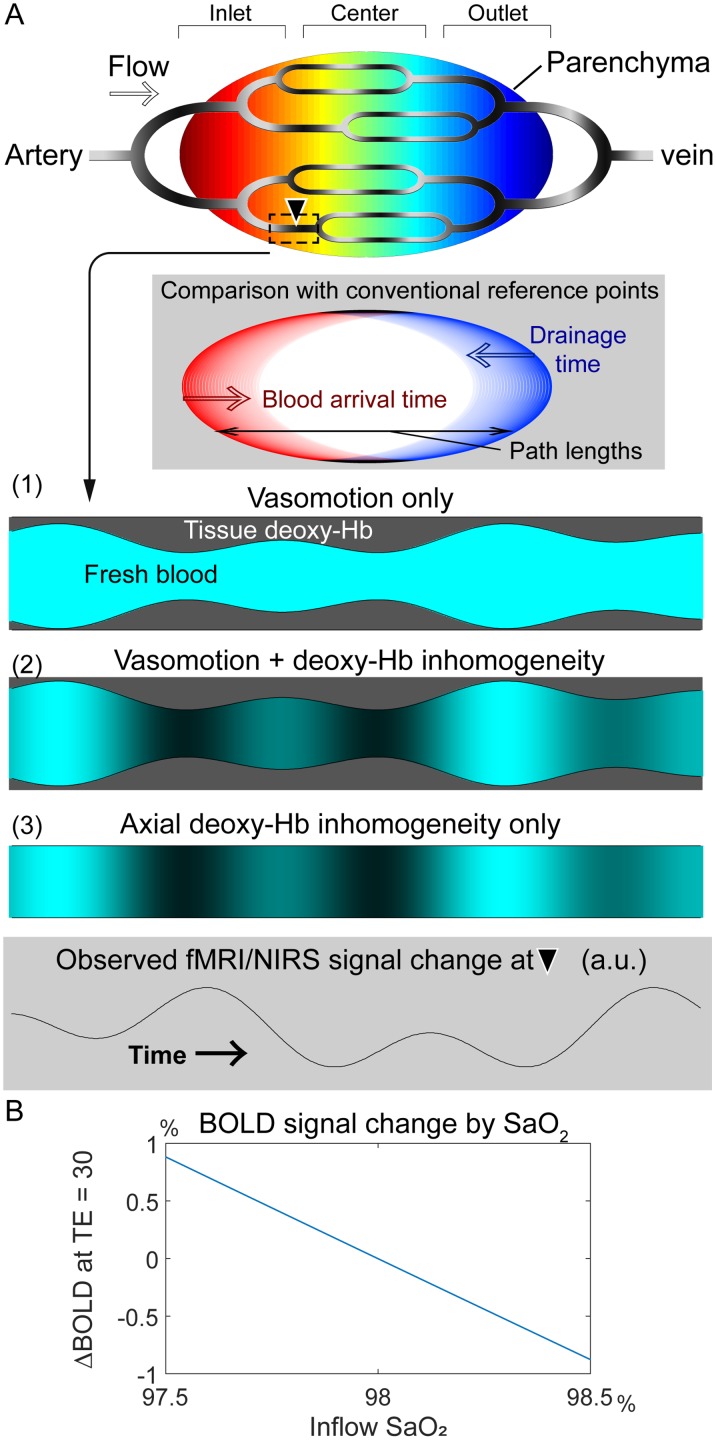
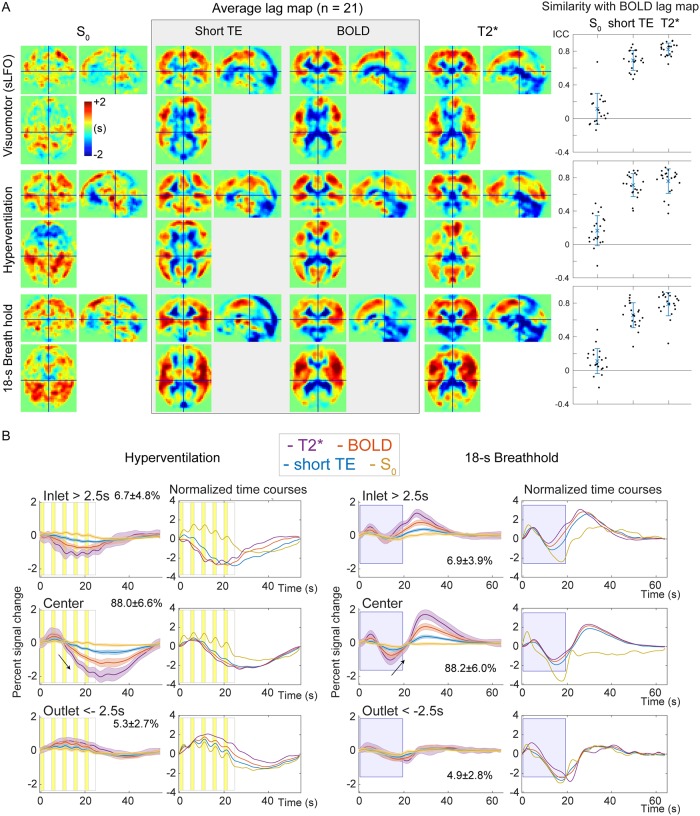
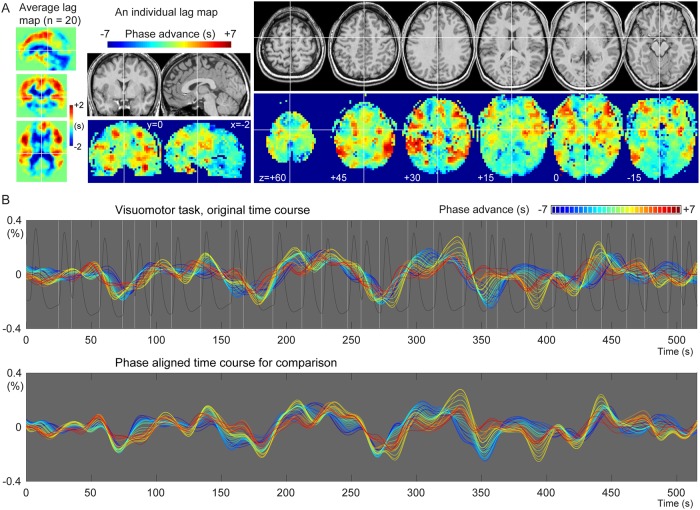
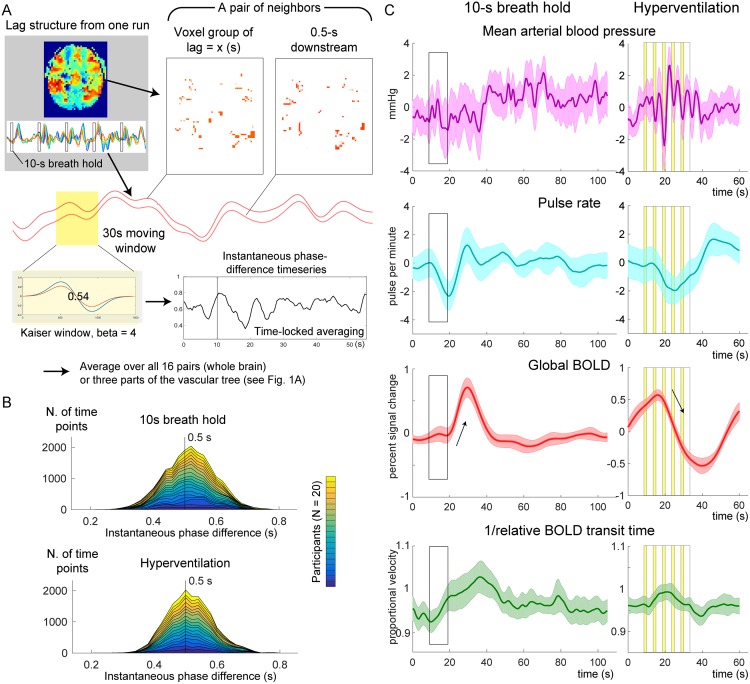
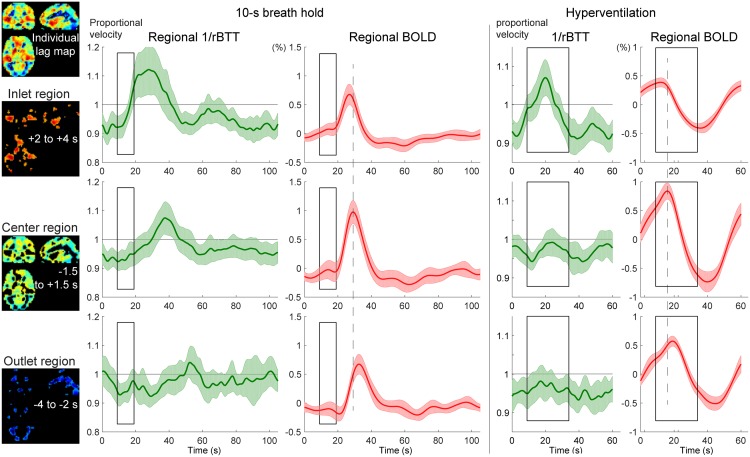
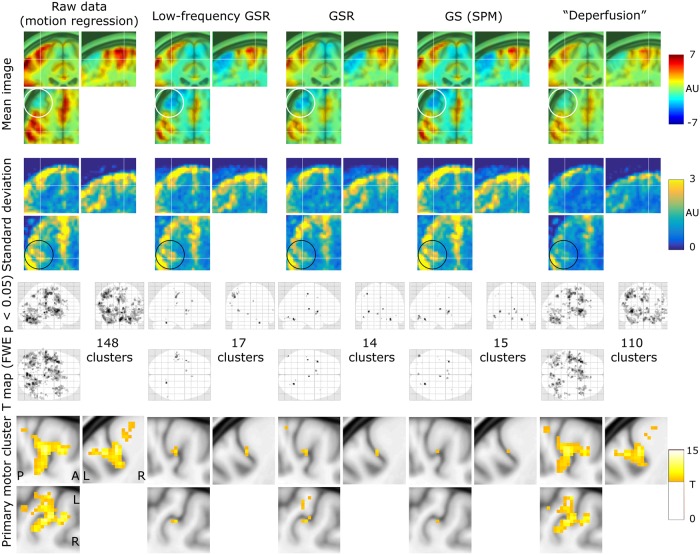
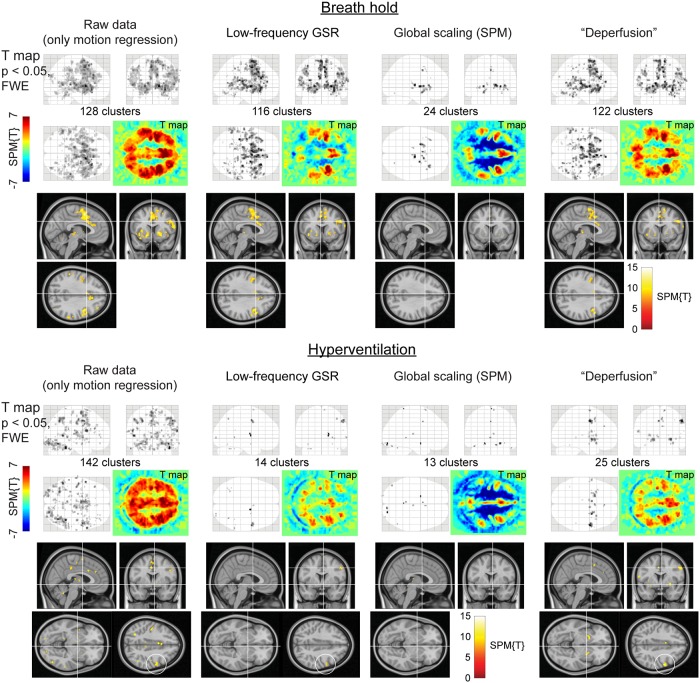
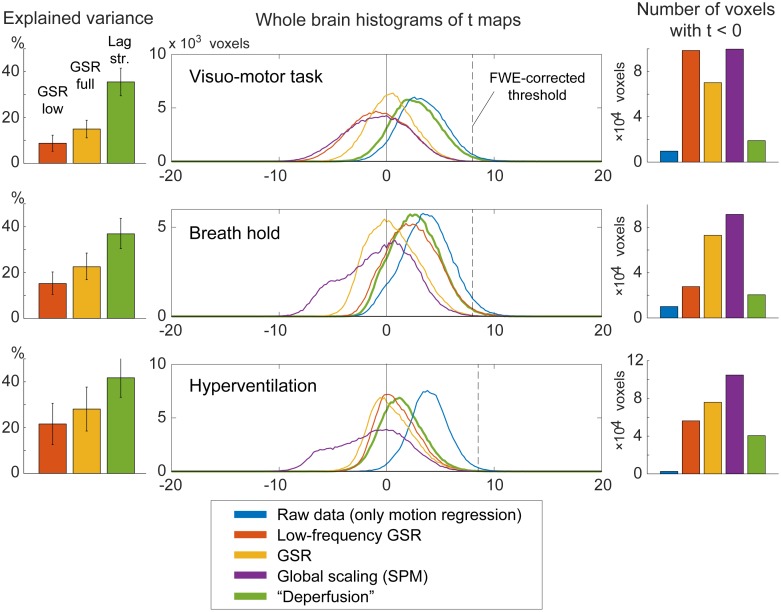
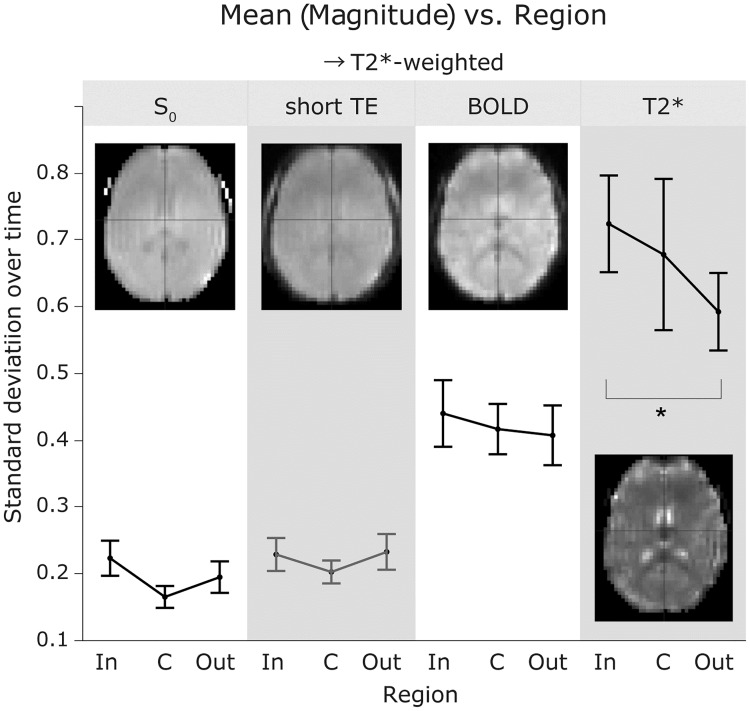
Perfusion-related information is reportedly embedded in the low-frequency component of a blood oxygen level-dependent (BOLD) functional magnetic resonance imaging (fMRI) signal. The blood-propagation pattern through the cerebral vascular tree is detected as an interregional lag variation of spontaneous low-frequency oscillations (sLFOs). Mapping of this lag, or phase, has been implicitly treated as a projection of the vascular tree structure onto real space. While accumulating evidence supports the biological significance of this signal component, the physiological basis of the "perfusion lag structure," a requirement for an integrative resting-state fMRI-signal model, is lacking. In this study, we conducted analyses furthering the hypothesis that the sLFO is not only largely of systemic origin, but also essentially intrinsic to blood, and hence behaves as a virtual tracer. By summing the small fluctuations of instantaneous phase differences between adjacent vascular regions, a velocity response to respiratory challenges was detected. Regarding the relationship to neurovascular coupling, the removal of the whole lag structure, which can be considered as an optimized global-signal regression, resulted in a reduction of inter-individual variance while preserving the fMRI response. Examination of the T2* and S0, or non-BOLD, components of the fMRI signal revealed that the lag structure is deoxyhemoglobin dependent, while paradoxically presenting a signal-magnitude reduction in the venous side of the cerebral vasculature. These findings provide insight into the origin of BOLD sLFOs, suggesting that they are highly intrinsic to the circulating blood.
据报道,灌注相关信息嵌入在血氧水平依赖(BOLD)功能磁共振成像(fMRI)信号的低频成分中。通过脑血管树的血液传播模式被检测为自发低频振荡(sLFOs)的区域间滞后变化。这种滞后或相位的映射一直被隐含地视为血管树结构在实空间上的投影。虽然越来越多的证据支持该信号成分的生物学意义,但作为整合静息态 fMRI 信号模型的要求,“灌注滞后结构”的生理基础仍然缺乏。在这项研究中,我们进行了分析,进一步假设 sLFO 不仅主要源于系统性,而且本质上是血液内在的,因此表现为虚拟示踪剂。通过对相邻血管区域之间瞬时相位差的小波动进行求和,检测到对呼吸挑战的速度响应。关于与神经血管耦合的关系,去除整个滞后结构(可以看作是优化的全局信号回归),在保留 fMRI 反应的同时,减少了个体间的方差。检查 fMRI 信号的 T2*和 S0,或非 BOLD 成分,发现滞后结构依赖于去氧血红蛋白,而在脑血管的静脉侧却表现出信号幅度减小的矛盾现象。这些发现提供了对 BOLD sLFO 起源的深入了解,表明它们与循环血液高度内在相关。