Choi Angela, Christopoulou Ioanna, Saelens Xavier, García-Sastre Adolfo, Schotsaert Michael
Department of Microbiology, Icahn School of Medicine at Mount Sinai, New York, NY 10029, USA.
Graduate School of Biomedical Sciences, Icahn School of Medicine at Mount Sinai, New York, NY 10029, USA.
Vaccines (Basel). 2019 Sep 12;7(3):113. doi: 10.3390/vaccines7030113.
Influenza virus infection predisposes to secondary bacterial pneumonia. Currently licensed influenza vaccines aim at the induction of neutralizing antibodies and are less effective if the induction of neutralizing antibodies is low and/or the influenza virus changes its antigenic surface. We investigated the effect of suboptimal vaccination on the outcome of post-influenza bacterial superinfection.
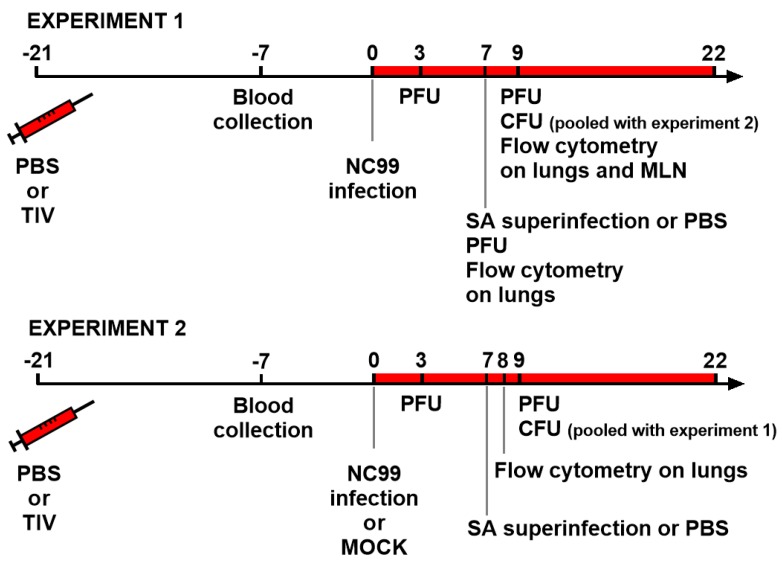
We established a mouse vaccination model that allows control of disease severity after influenza virus infection despite inefficient induction of virus-neutralizing antibody titers by vaccination. We investigated the effect of vaccination on virus-induced host immune responses and on the outcome of superinfection with .
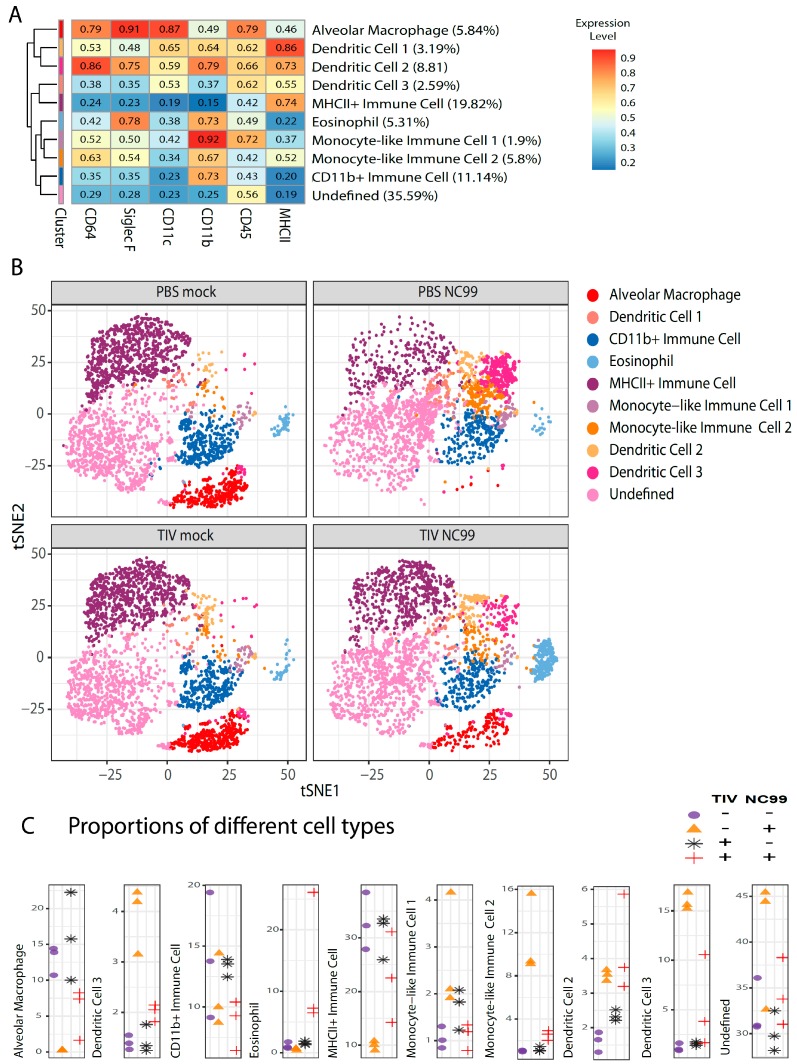
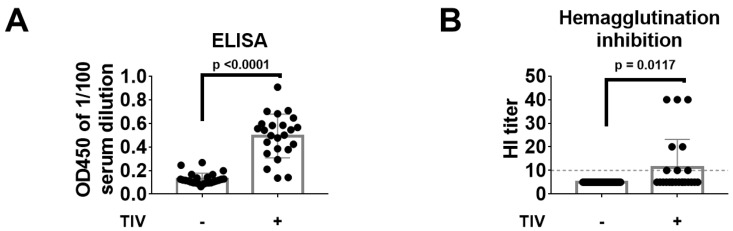
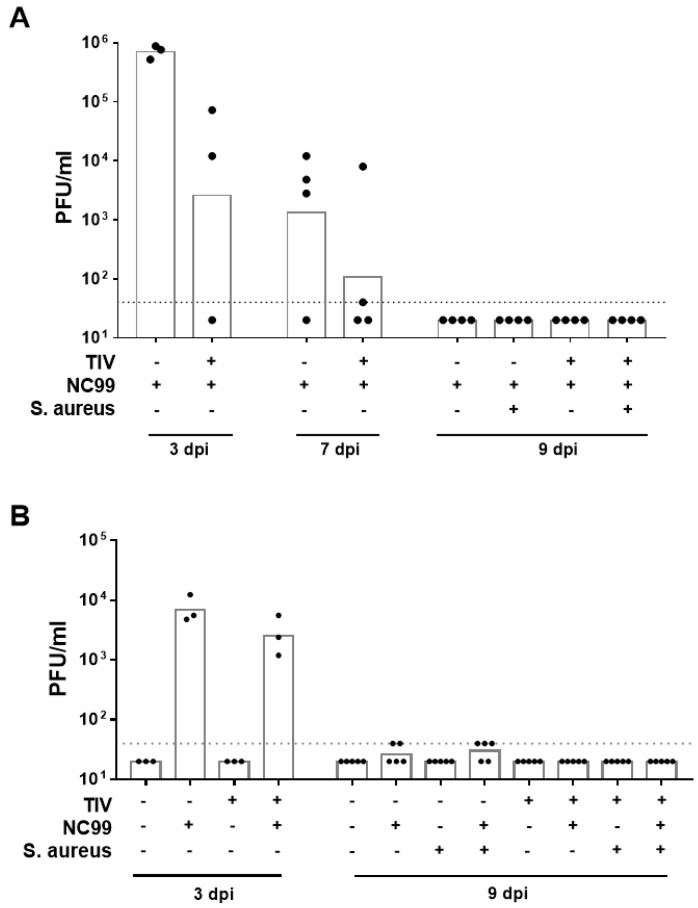
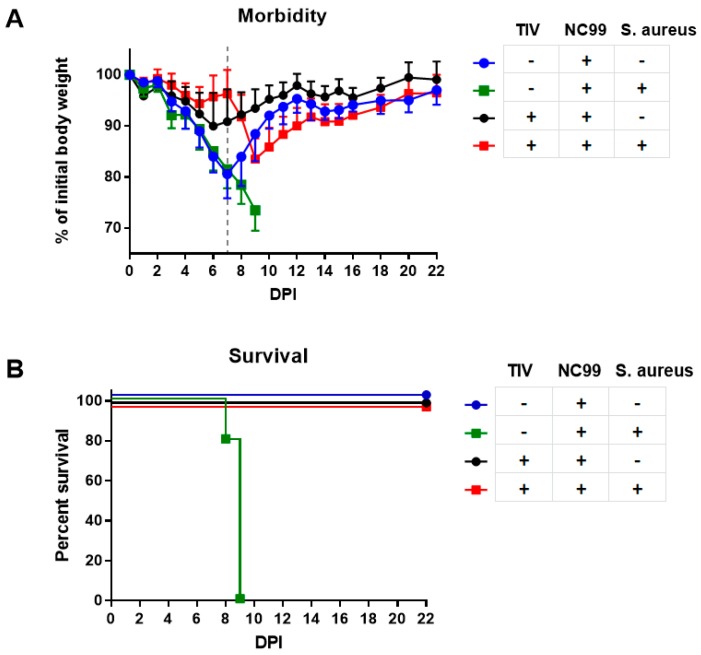
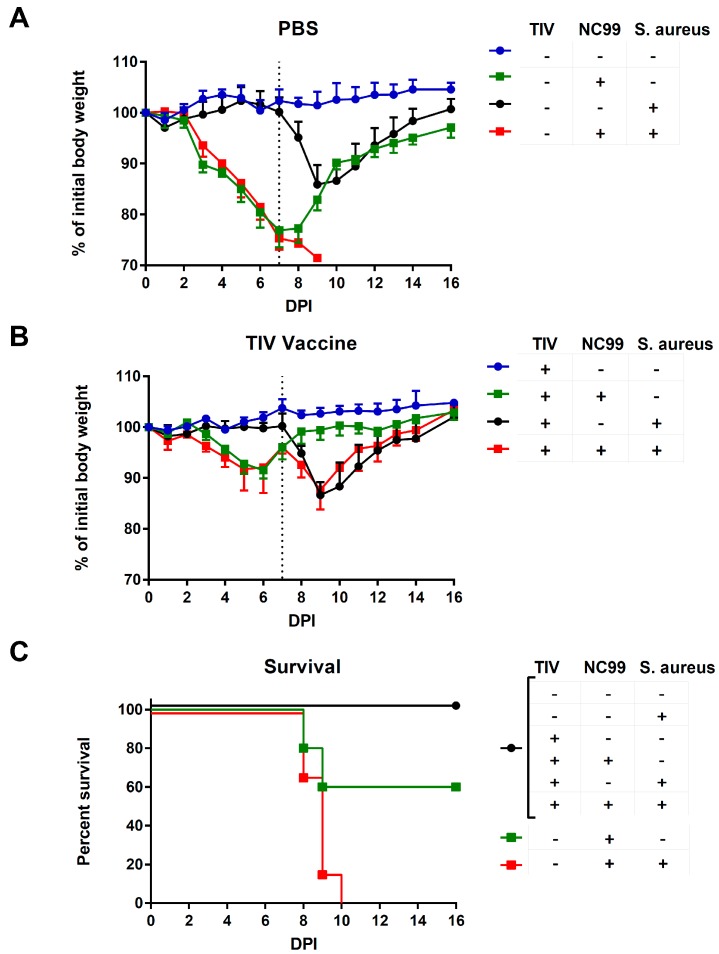
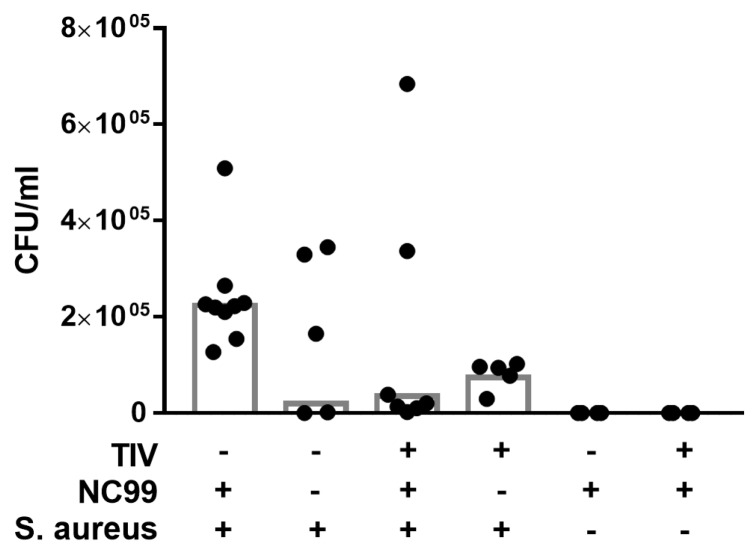
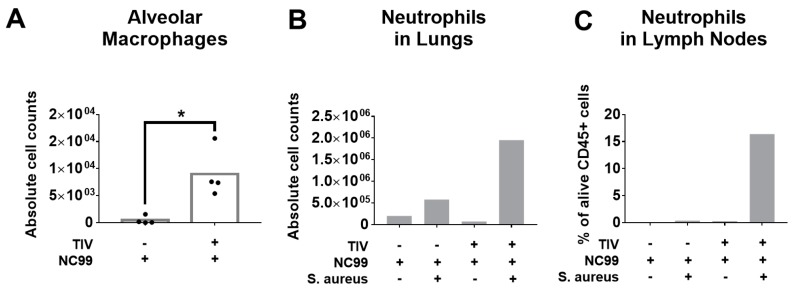
Vaccination with trivalent inactivated virus vaccine (TIV) reduced morbidity after influenza A virus infection but did not prevent virus replication completely. Despite the poor induction of influenza-specific antibodies, TIV protected from mortality after bacterial superinfection. Vaccination limited loss of alveolar macrophages and reduced levels of infiltrating pulmonary monocytes after influenza virus infection. Interestingly, TIV vaccination resulted in enhanced levels of eosinophils after influenza virus infection and recruitment of neutrophils in both lungs and mediastinal lymph nodes after bacterial superinfection.
These observations highlight the importance of disease modulation by influenza vaccination, even when suboptimal, and suggest that influenza vaccination is still beneficial to protect during bacterial superinfection in the absence of complete virus neutralization.
流感病毒感染易引发继发性细菌性肺炎。目前已获许可的流感疫苗旨在诱导中和抗体产生,而当中和抗体诱导水平较低和/或流感病毒抗原表面发生变化时,疫苗效果会变差。我们研究了次优接种对流感后细菌重叠感染结局的影响。
我们建立了一种小鼠接种模型,该模型能够控制流感病毒感染后的疾病严重程度,尽管接种疫苗诱导的病毒中和抗体效价较低。我们研究了接种疫苗对病毒诱导的宿主免疫反应以及对 重叠感染结局的影响。
用三价灭活病毒疫苗(TIV)接种可降低甲型流感病毒感染后的发病率,但不能完全阻止病毒复制。尽管流感特异性抗体诱导效果不佳,但TIV可预防细菌重叠感染后的死亡。接种疫苗可限制流感病毒感染后肺泡巨噬细胞的损失,并降低肺内浸润性单核细胞水平。有趣的是,TIV接种导致流感病毒感染后嗜酸性粒细胞水平升高,以及细菌重叠感染后肺和纵隔淋巴结中中性粒细胞的募集。
这些观察结果突出了流感疫苗接种对疾病调节的重要性,即使是次优接种,也表明在没有完全病毒中和的情况下,流感疫苗接种在预防细菌重叠感染期间仍然有益。